Skip to content
WAnimals
  • Map
  • Species
  • Parks
  • Diving
Log inCreate account
WAnimals

The guide for travellers and animal lovers: discover, plan and share your wild adventures around the world.

Discover wildlife

  • Species
  • Ecosystems
  • Glossary
  • Tags

Explore places

  • Map
  • Countries
  • Parks
  • Diving

Plan experiences

  • Guides

Learn

  • Blog

Resources

  • About us
  • How we build our profiles
  • Help centre
  • Contact
  • Install the app

Follow us

Account

  • Log in
  • Create account

© 2026 WAnimals. All rights reserved.

Terms of servicePrivacyCookiesLegal notice
MapSpeciesParksDiving
  1. Home
  2. Species
  3. Kenyan Sand Boa

One of the 10 boas on WAnimals

Reptiles · Squamata · Boidae

Kenyan Sand Boa

Eryx colubrinus

Least Concern

The species is abundant and widely distributed; it faces no significant short-term risk.

Spotted something wrong?

The Kenyan sand boa is a small, stout boa adapted to living underground: it has a wedge-shaped snout for pushing through sand, tiny eyes set facing upwards, and a short, blunt tail. It spends almost its whole life buried and only puts its head out to ambush rodents and lizards passing overhead.

Weight

300 g – 900 g

Size

45 cm – 90 cm

Life expectancy

25 years

Diet

Carnivore

Feeds mainly on other animals.

Activity

Crepuscular

Active mainly at dawn and dusk.

Social structure

Solitary

Lives and hunts alone, joining others only to breed.

SavannaDesert
9countries14parks11same family

Fun facts

  • GeneralIt buries itself in the sand with only its eyes showing, to ambush rodents.
  • It lives virtually buried: its wedge-shaped snout works like a spade and its tiny, upward-facing eyes let it watch the surface while the rest of its body stays under the sand.
  • When it feels threatened it tucks its head under its body and raises its tail, offering the predator a blunt, expendable end instead of its head.
  • It is one of the longest-lived boas in captivity for its size: there are individuals that have passed thirty years while weighing less than a kilo.

Life cycle and biology

Skeleton type
Vertebrate - internal bony skeleton (reptile)
Habitat and environment
Loose, sandy ground in semi-desert, dry savannah and scrub of north-eastern Africa
Sexual maturity
3 years
Gestation / incubation
5 months of gestation
Litter / clutch size
12 live young

Sources consulted: IUCN Red List · Animal Diversity Web · Wikipedia (es)

Where to find it

Loading map…

The pins mark the parks where its presence is documented.

Where to see it

Parks and dive sites where this species has been documented — showing 10 of 14.

Related species

Other species in the catalogue with the most in common with Kenyan Sand Boa — same habitat, park, country, tags or family.

Shares a park
Shares a park
Shares a park
Shares a park
Shares a park
Shares a park

Keep exploring

Based on what we already know about kenyan sand boa.
Share an experience, a fun fact or a tip for seeing the kenyan sand boa.
See full glossary
This page in other languages: Español · Deutsch · Français · Português · Italiano
See its range on the interactive map→
Serengeti National ParkTanzania
Maasai Mara National ReserveKenya
NgorongoroTanzania
AmboseliKenya
TsavoKenya
Lake NakuruKenya
SamburuKenya
TarangireTanzania
MeruKenya
AwashEthiopia
See all 14 parks
Least Concern

Helmeted Turtle

Pelomedusa subrufa

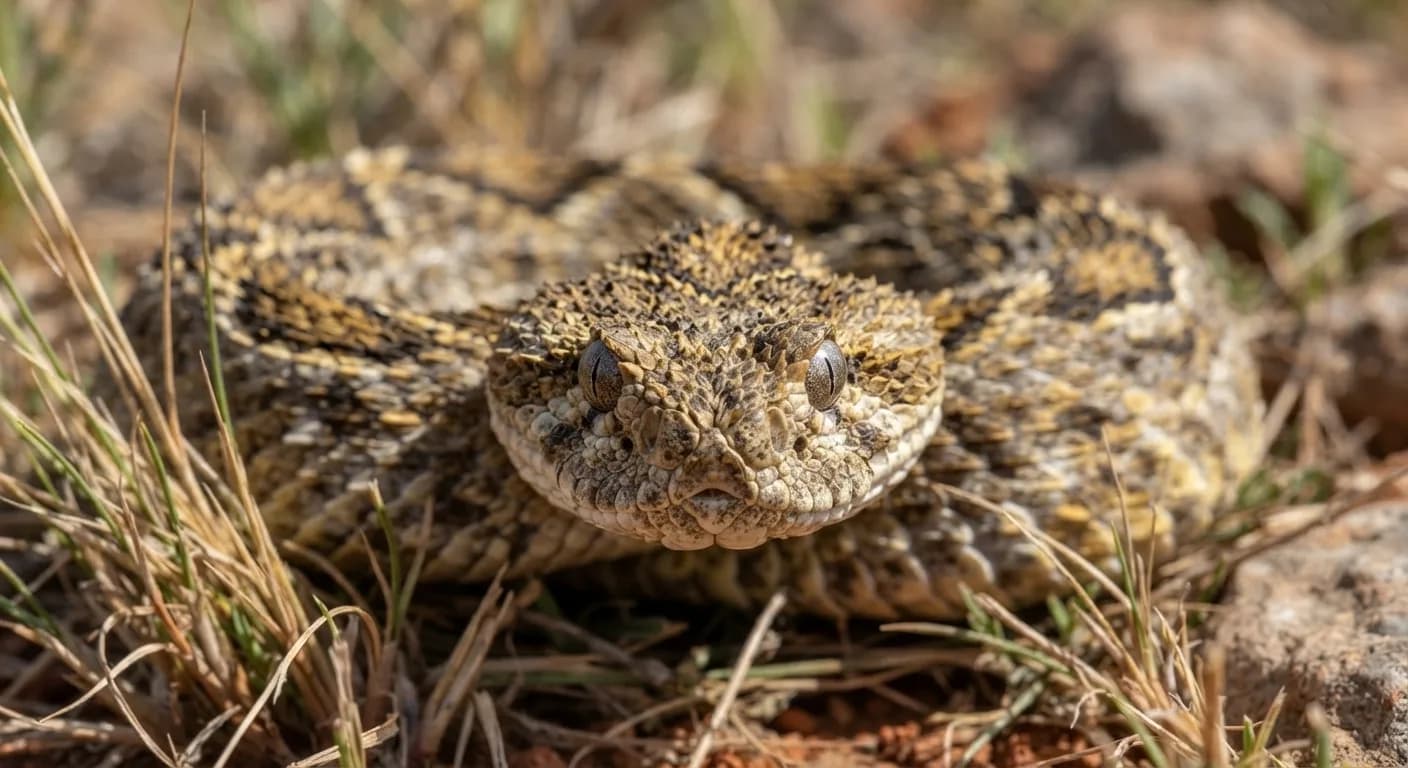
Puff AdderLeast Concern

Puff Adder

Bitis arietans

Least Concern

Black-necked Spitting Cobra

Naja nigricollis

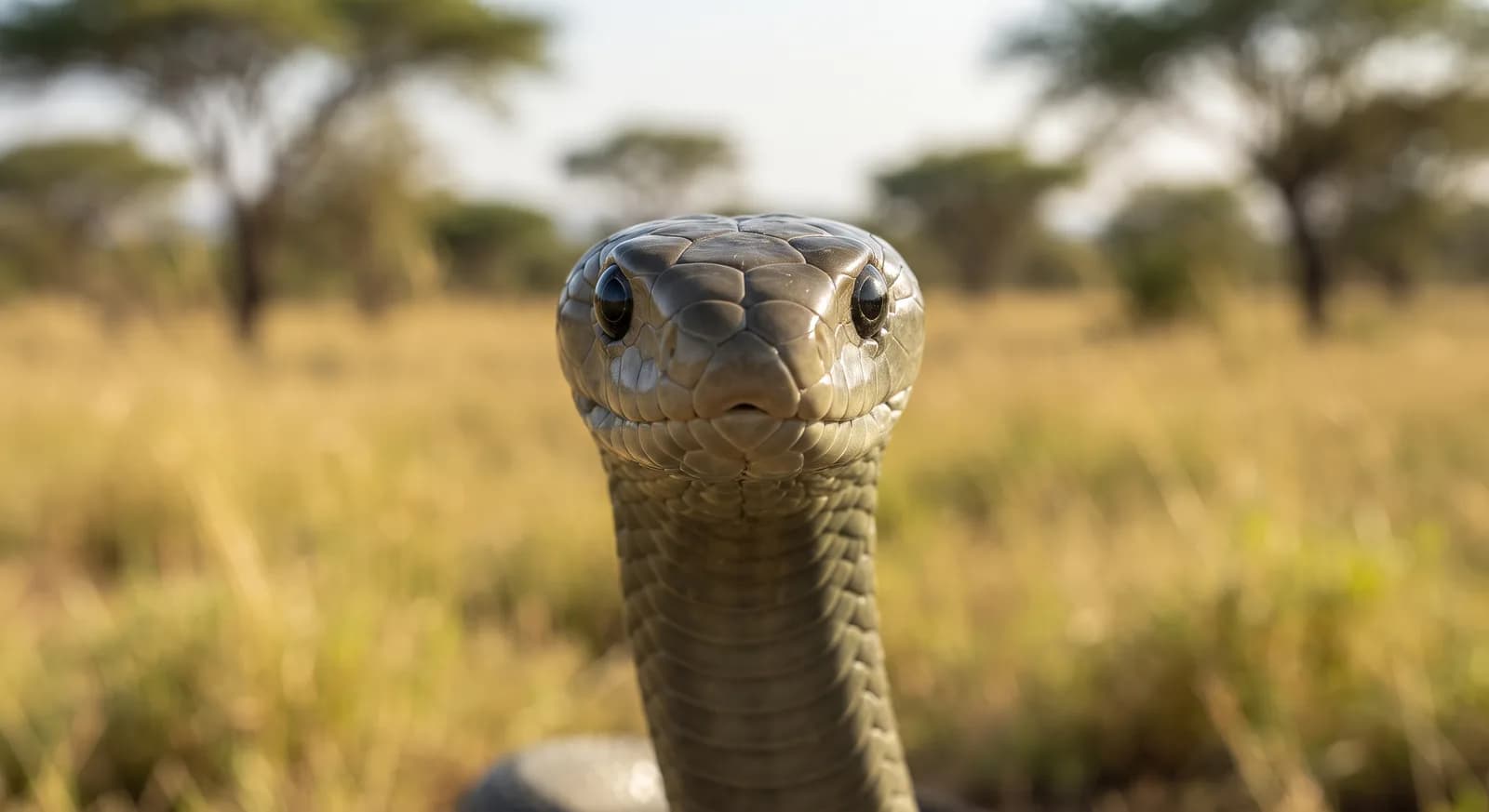
Black MambaLeast Concern

Black Mamba

Dendroaspis polylepis

Least Concern

Rhombic Egg Eater

Dasypeltis scabra

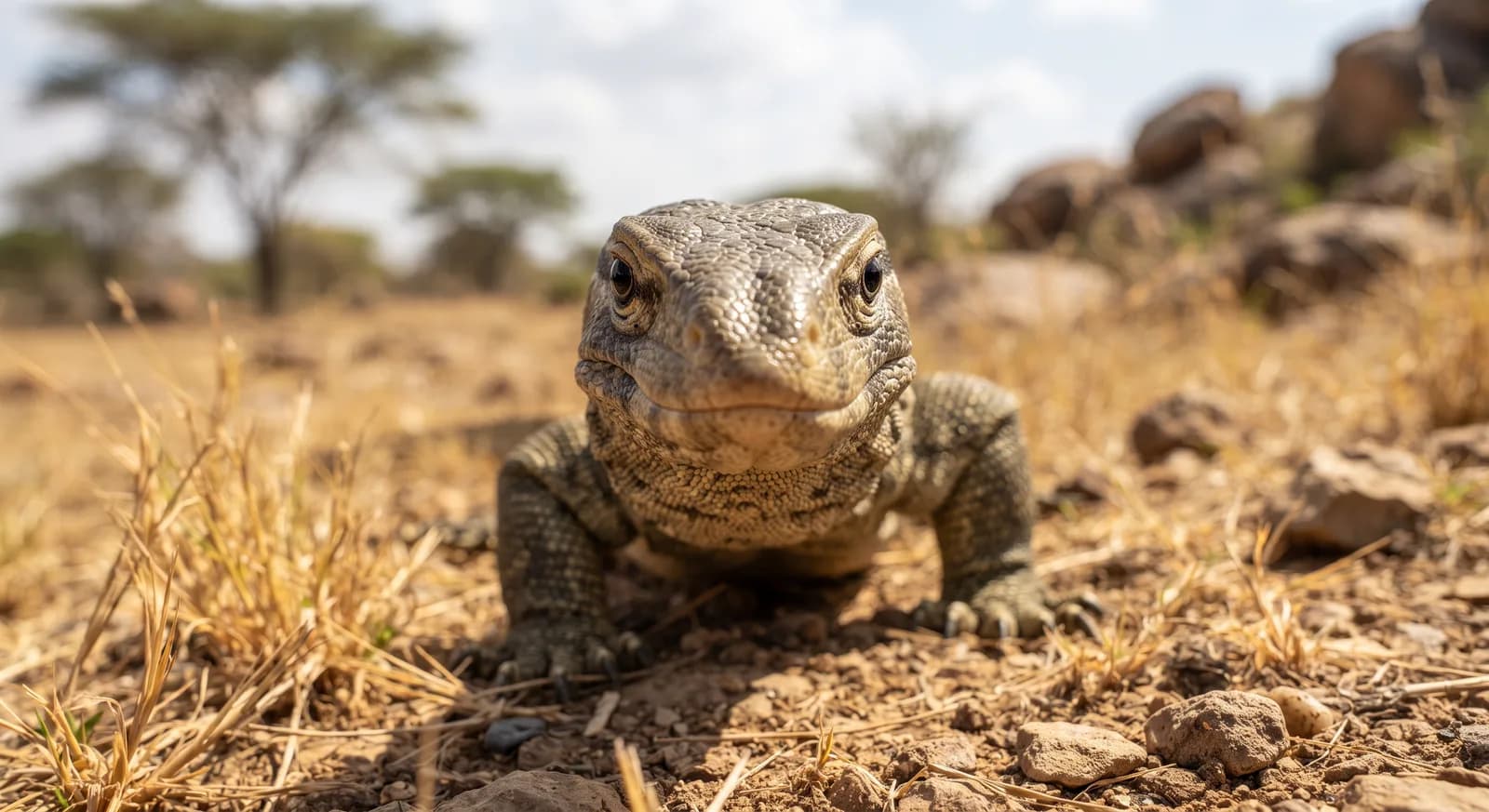
Savanna MonitorLeast Concern

Savanna Monitor

Varanus exanthematicus

CountriesKenya
ParksSerengeti National ParkTanzania
TagsCarnivore
Carnivore
Crepuscular
Solitary
Reptile
Savanna
Desert

Africa8

Asia1

Kenya
Tanzania
Ethiopia
Chad
Egypt
Niger
Chad
Egypt
Ethiopia
Kenya
Niger
Somalia
Sudan
Tanzania
Yemen