Skip to content
WAnimals
  • Map
  • Species
  • Parks
  • Diving
Log inCreate account
WAnimals

The guide for travellers and animal lovers: discover, plan and share your wild adventures around the world.

Discover wildlife

  • Species
  • Ecosystems
  • Glossary
  • Tags

Explore places

  • Map
  • Countries
  • Parks
  • Diving

Plan experiences

  • Guides

Learn

  • Blog

Resources

  • About us
  • How we build our profiles
  • Help centre
  • Contact
  • Install the app

Follow us

Account

  • Log in
  • Create account

© 2026 WAnimals. All rights reserved.

Terms of servicePrivacyCookiesLegal notice
MapSpeciesParksDiving
  1. Home
  2. Species
  3. Royal Antelope

One of the 9 antelopes on WAnimals

Mammals · Artiodactyla · Bovidae

Royal Antelope

Neotragus pygmaeus

Least Concern

The species is abundant and widely distributed; it faces no significant short-term risk.

Spotted something wrong?

The royal antelope is the smallest antelope in the world: it weighs less than three kilos and stands barely twenty-five centimetres at the shoulder. It lives in the densest understorey of the West African rainforests, and is nocturnal and extremely unobtrusive. The males carry tiny horns, a couple of centimetres long, almost hidden in the hair. It feeds on tender shoots, leaves and fallen fruit, and its size lets it move along tunnels through the undergrowth that no large predator can follow.

Weight

1.5 kg – 3.5 kg

Size

40 cm – 50 cm

Life expectancy

6 years

Diet

Herbivore

Feeds mainly on plants.

Activity

Nocturnal

Active mainly at night.

Social structure

In pairs

Usually lives in pairs, sometimes for life.

Rainforest
6countries5parks86same family

Fun facts

  • GeneralThe smallest antelope on the planet: 25 cm tall and some 2.5 kg.
  • It is the smallest antelope on the planet: an adult fits in a person's arms and weighs about as much as a small cat.
  • Despite its size it can jump up to two and a half metres from a standing start, power it uses to vanish into the undergrowth in a single bound.

Life cycle and biology

Skeleton type
Vertebrate - internal bony skeleton (mammal)
Habitat and environment
Dense understorey of rainforest and secondary forest of West Africa
Sexual maturity
16 months
Gestation / incubation
6 months
Litter / clutch size
1

Sources consulted: Wikipedia (es): Neotragus pygmaeus

Where to find it

Loading map…

The pins mark the parks where its presence is documented.

Where to see it

Parks and dive sites where this species has been documented.

Related species

Other species in the catalogue with the most in common with Royal Antelope — same habitat, park, country, tags or family.

Same taxonomic family
Shares a park

Keep exploring

Based on what we already know about royal antelope.
Share an experience, a fun fact or a tip for seeing the royal antelope.
See full glossary
This page in other languages: Español · Deutsch · Français · Português · Italiano
See its range on the interactive map→
KakumGhana
TaiCôte d’Ivoire
Sapo National ParkLiberia
Outamba-Kilimi National ParkSierra Leone
Gola RainforestSierra Leone
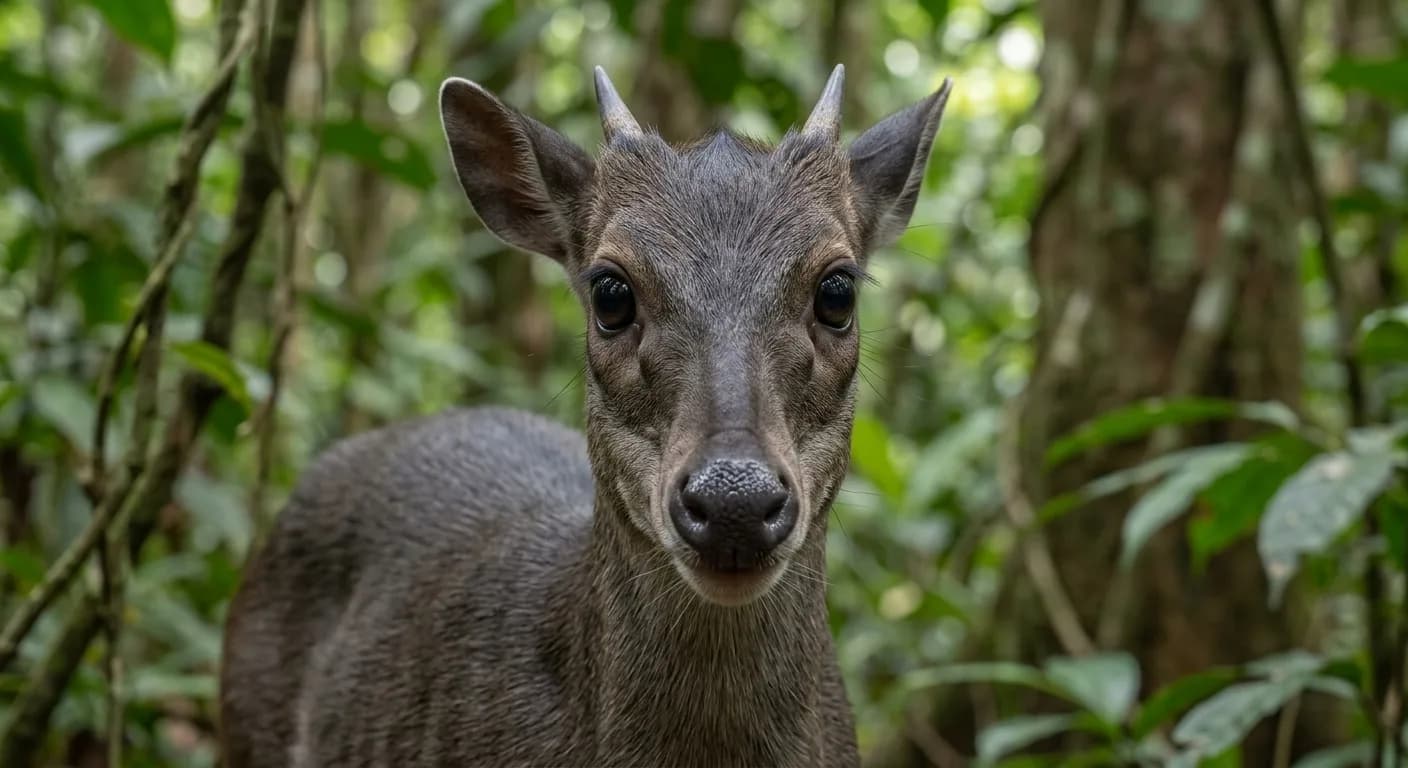
Maxwell's DuikerLeast Concern

Maxwell's Duiker

Philantomba maxwellii

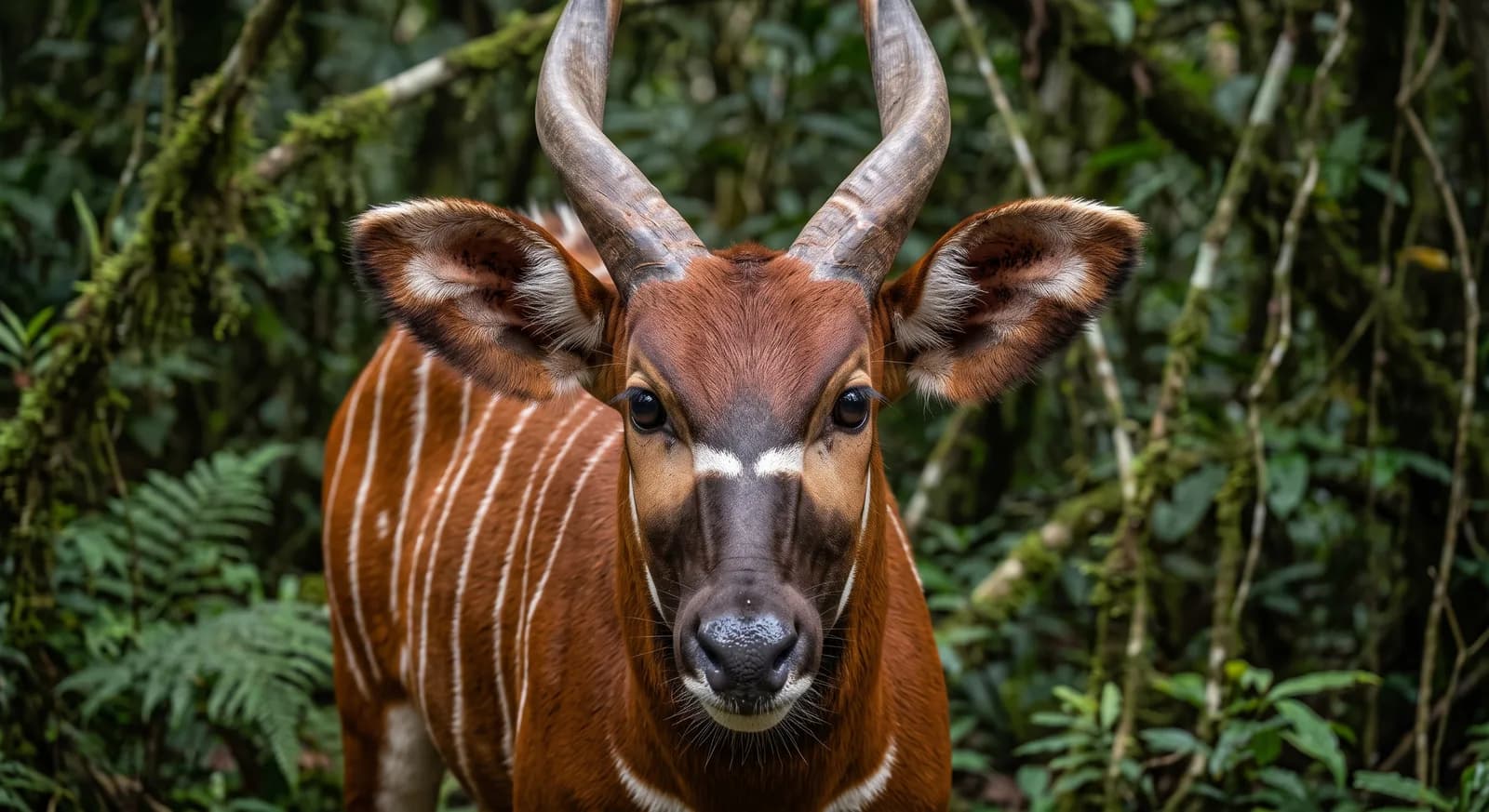
BongoNear Threatened

Bongo

Tragelaphus eurycerus

Zebra DuikerVulnerable

Zebra Duiker

Cephalophus zebra

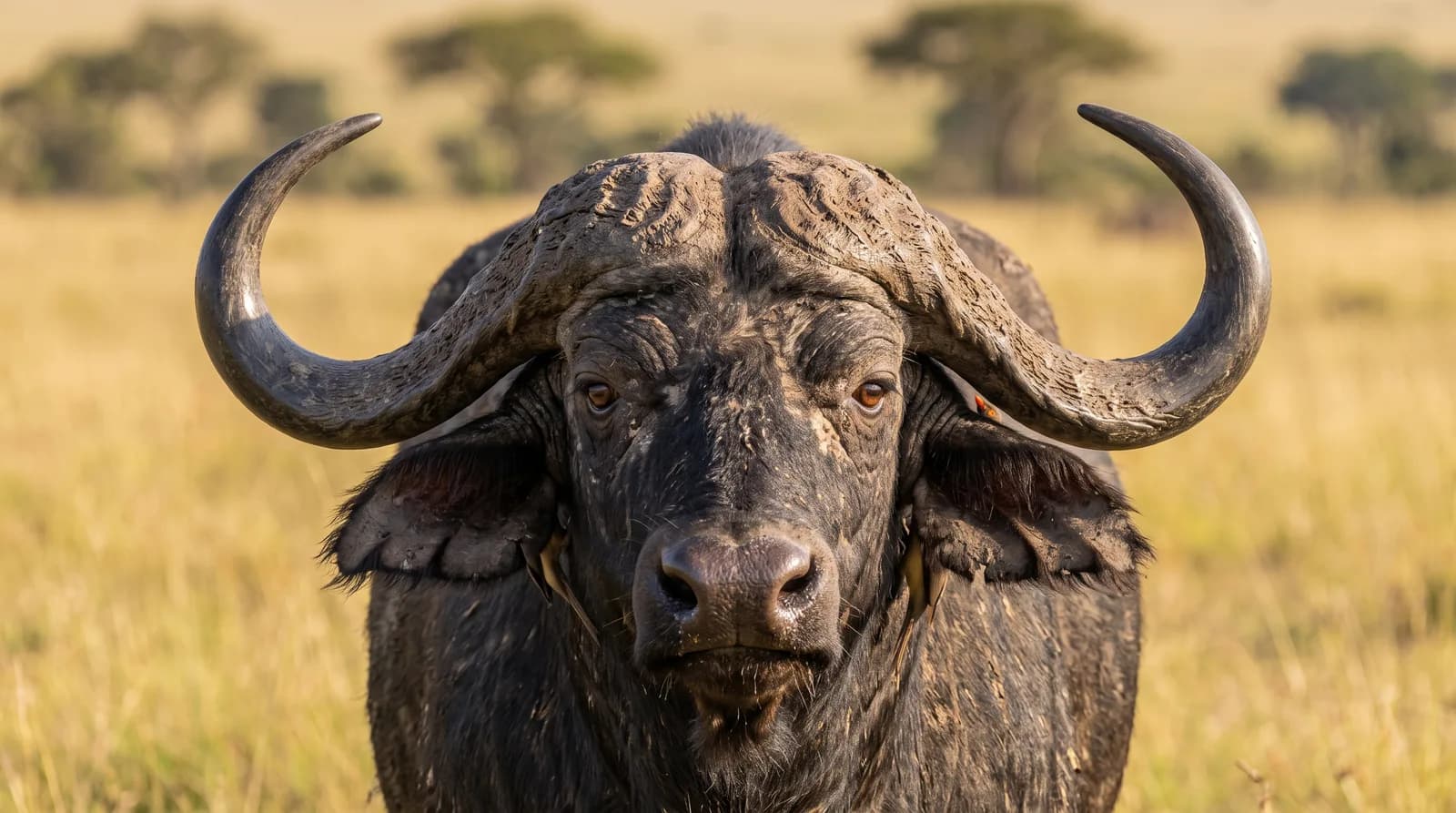
African BuffaloNear Threatened

African Buffalo

Syncerus caffer

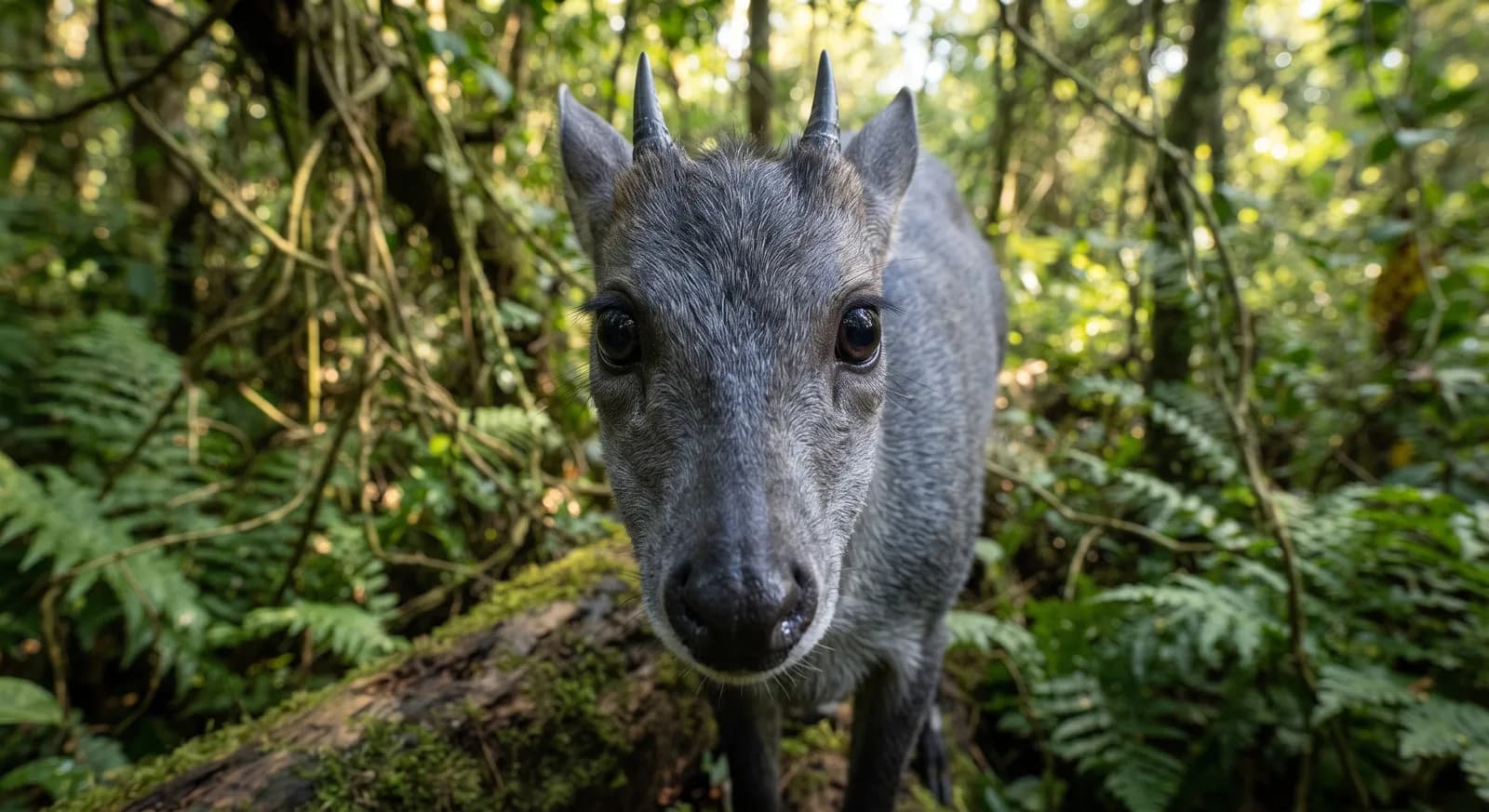
Blue DuikerLeast Concern

Blue Duiker

Philantomba monticola

Least Concern

Water Chevrotain

Hyemoschus aquaticus

CountriesSierra Leone
ParksKakumGhana
TagsHerbivore
Herbivore
Nocturnal
In pairs
Rainforest
Mammal
Sierra Leone
Côte d’Ivoire
Ghana
Liberia
Guinea
Togo