Skip to content
WAnimals
  • Map
  • Species
  • Parks
  • Diving
Log inCreate account
WAnimals

The guide for travellers and animal lovers: discover, plan and share your wild adventures around the world.

Discover wildlife

  • Species
  • Ecosystems
  • Glossary
  • Tags

Explore places

  • Map
  • Countries
  • Parks
  • Diving

Plan experiences

  • Guides

Learn

  • Blog

Resources

  • Help centre
  • Contact
  • Install the app

Follow us

Account

  • Log in
  • Create account

© 2026 WAnimals. All rights reserved.

About usHow we build our profilesTerms of servicePrivacyLegal notice
MapSpeciesParksDiving
  1. Home
  2. Species
  3. Spanish Dancer

One of the 4 slugs on WAnimals

Gastropods · Nudibranchia · Hexabranchidae

Spanish Dancer

Hexabranchus sanguineus

Not Evaluated

It has not yet been assessed against the IUCN criteria.

Spotted something wrong?

Its common name comes from the way its red mantle ripples as it swims, recalling the skirt of a flamenco dancer.

Size

20 cm – 60 cm

Life expectancy

1 year

Diet

Carnivore

Feeds mainly on other animals.

Activity

Nocturnal

Active mainly at night.

Social structure

Solitary

Lives and hunts alone, joining others only to breed.

Sighting difficulty

Unknown

Ocean
4countries16parks87dive sites

Fun facts

  • It sequesters toxins from the sponges it eats and puts them straight into its eggs, protecting them from predators.
  • It is hermaphrodite but never self-fertilises, always mating with another individual.
  • It eats marine sponges, toxic species included.
  • It is one of the largest nudibranchs in the world, at up to 60 cm, and its name, Spanish dancer, comes from the way it swims: it unfurls its red-and-white mantle and undulates the edges like a flamenco skirt, an unusual spectacle because almost all nudibranchs only crawl.
  • Its chemical defence is borrowed: it obtains toxic compounds from the sponges it eats, above all macrolides of the latrunculin and kabiramide groups, and concentrates them in its mantle.
  • And it passes them on to its spawn: the egg ribbons carry even higher concentrations of those toxins than the adult itself, protecting them from predators.
  • Those compounds have turned out to be potent inhibitors of actin polymerisation and are being studied as antitumour agents.
  • It often carries passengers: small shrimps of the genus Periclimenes live on its mantle, camouflaged in the same colour, and feed on its mucus.
  • Its eggs form a pink, ruffled spiral ribbon, highly visible on the reef.

Life cycle and biology

Skeleton type
Invertebrate - no rigid skeleton (mollusc)
Habitat and environment
Coral reefs of the tropical Indo-Pacific, from the Red Sea and East Africa to French Polynesia, Japan and Australia
Birth weight
A microscopic, translucent veliger larva after hatching
Size at birth
Microscopic veliger larva after hatching
Sexual maturity
Months — quick maturity, given a life cycle of only a year
Gestation / incubation
~6 days for the trochophore larva to develop inside the egg capsule
Litter / clutch size
1.5 to 3.6 million eggs per clutch, laid in a spiral ribbon known as a sea rose

Sources consulted: University of Wisconsin-La Crosse (bioweb); ScialertJFAS (spawn larval development study); Hexabranchus Sanguineus Life Cycle (WordPress); Reef Life Survey; Murex Dive Resorts; MarineBio; Animalia.bio; Wikipedia (Spanish dancer)

Where to find it

Loading map…

Where to see it

Parks and dive sites where this species has been documented — showing 20 of 103.

Related species

Other species in the catalogue with the most in common with Spanish Dancer — same habitat, park, country, tags or family.

Shares a park
Shares a park
Shares a park
Shares a park
Shares a park
Shares a park

Keep exploring

Based on what we already know about spanish dancer.

Comments

Share an experience, a fun fact or a tip for seeing the spanish dancer.

Be the first to comment.

See full glossary
This page in other languages: Español · Deutsch · Français · Português · Italiano

The pins mark the parks and dive sites where its presence is documented.
See its range on the interactive map→
KomodoIndonesia
YakushimaJapan
Ras MohammedEgypt
Great Barrier ReefAustralia
NingalooAustralia
Cape RangeAustralia
Ogasawara IslandsJapan
Amami GuntoJapan
Bali BaratIndonesia
BunakenIndonesia
Blue Hole DahabEgypt
Ras Mohammed National ParkEgypt
Thistlegorm wreckEgypt
Elphinstone ReefEgypt
Brothers Islands (El Akhawein)Egypt
Raja AmpatIndonesia
Komodo National ParkIndonesia
Bunaken Marine ParkIndonesia
USAT Liberty (Tulamben)Indonesia
Amed and Jemeluk BayIndonesia
See all 16 parks
See all 87 dive sites
Data Deficient

Flatback

Natator depressus

Least Concern

Yellow-bellied Sea Snake

Hydrophis platurus

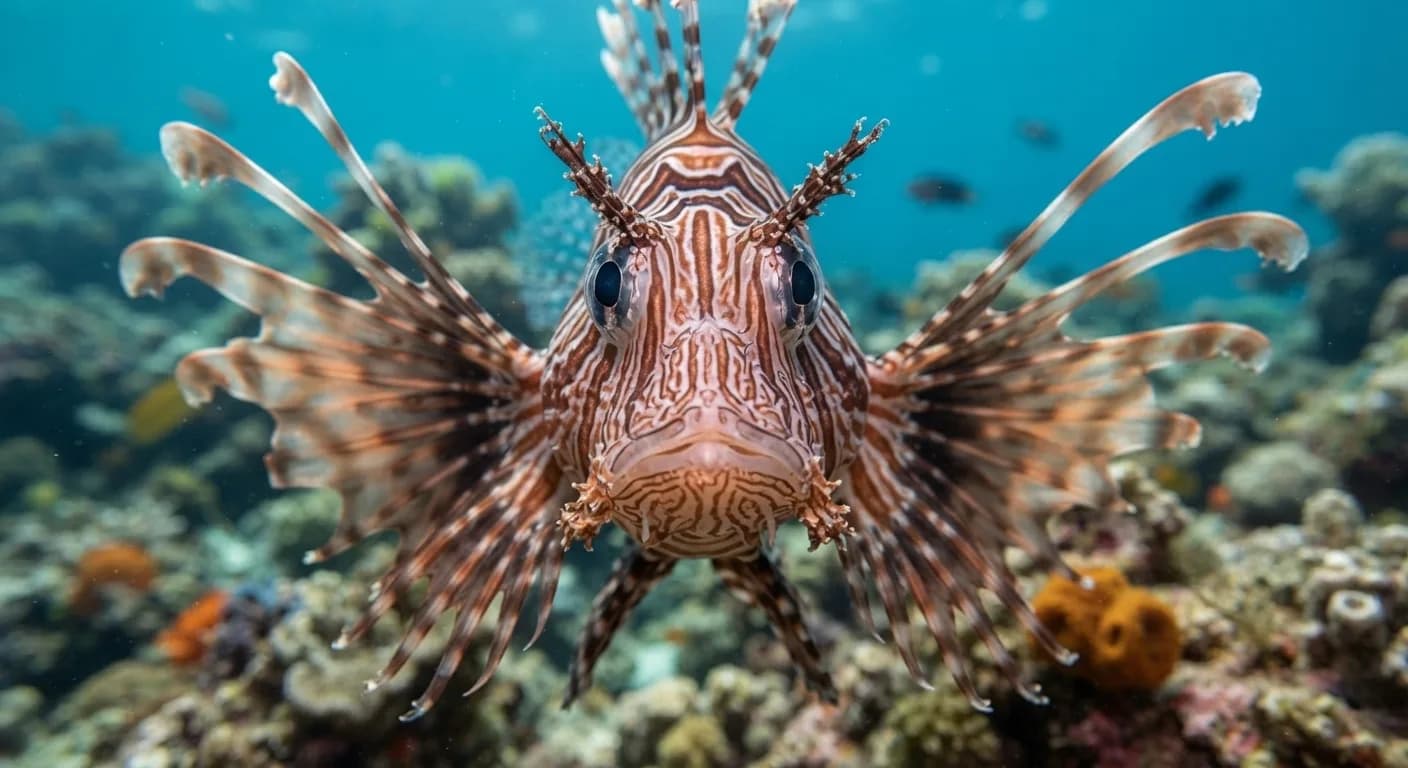
Red LionfishLeast Concern

Red Lionfish

Pterois volitans

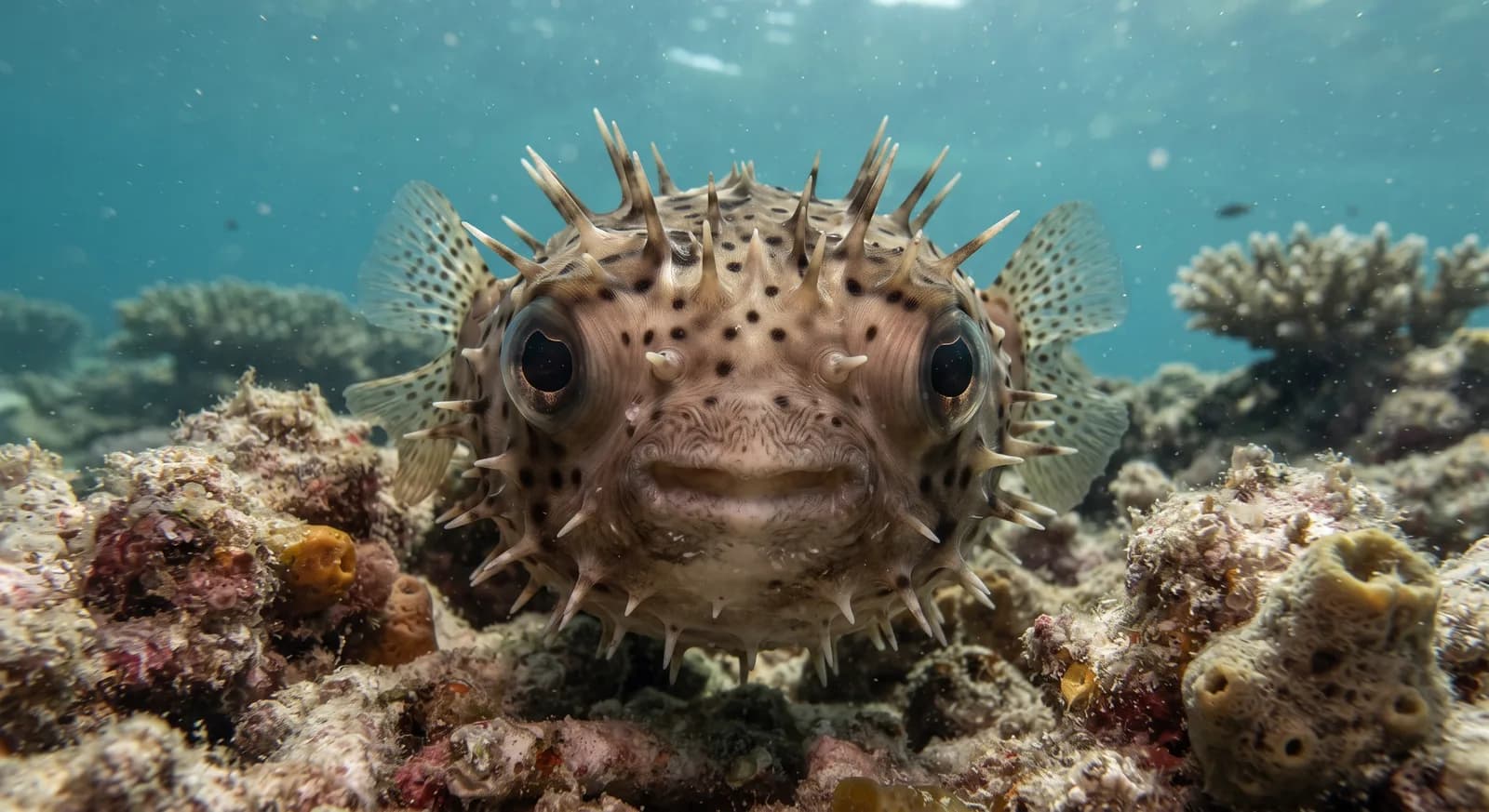
Spot-fin PorcupinefishLeast Concern

Spot-fin Porcupinefish

Diodon hystrix

Geography ConeLeast Concern

Geography Cone

Conus geographus

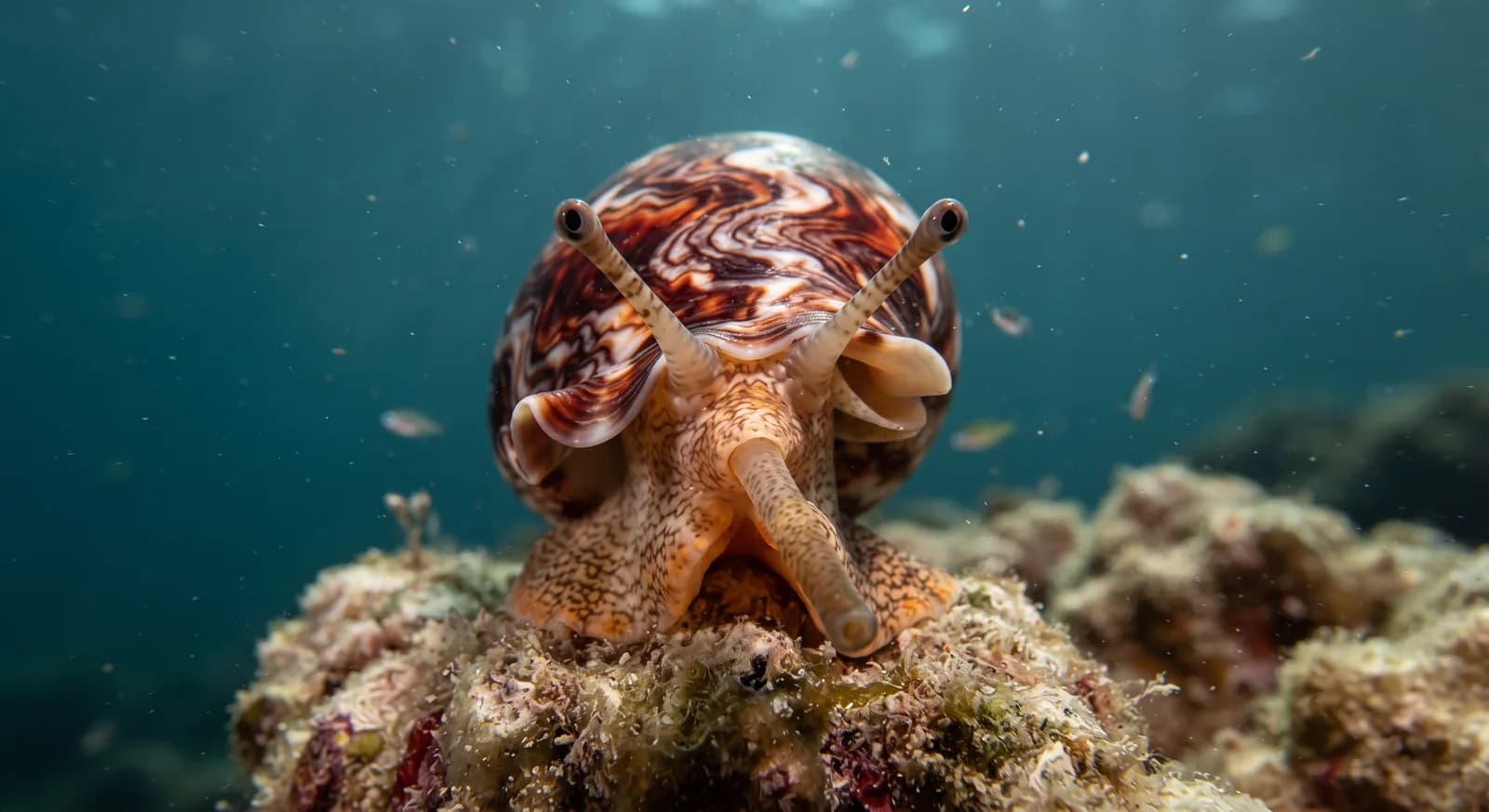
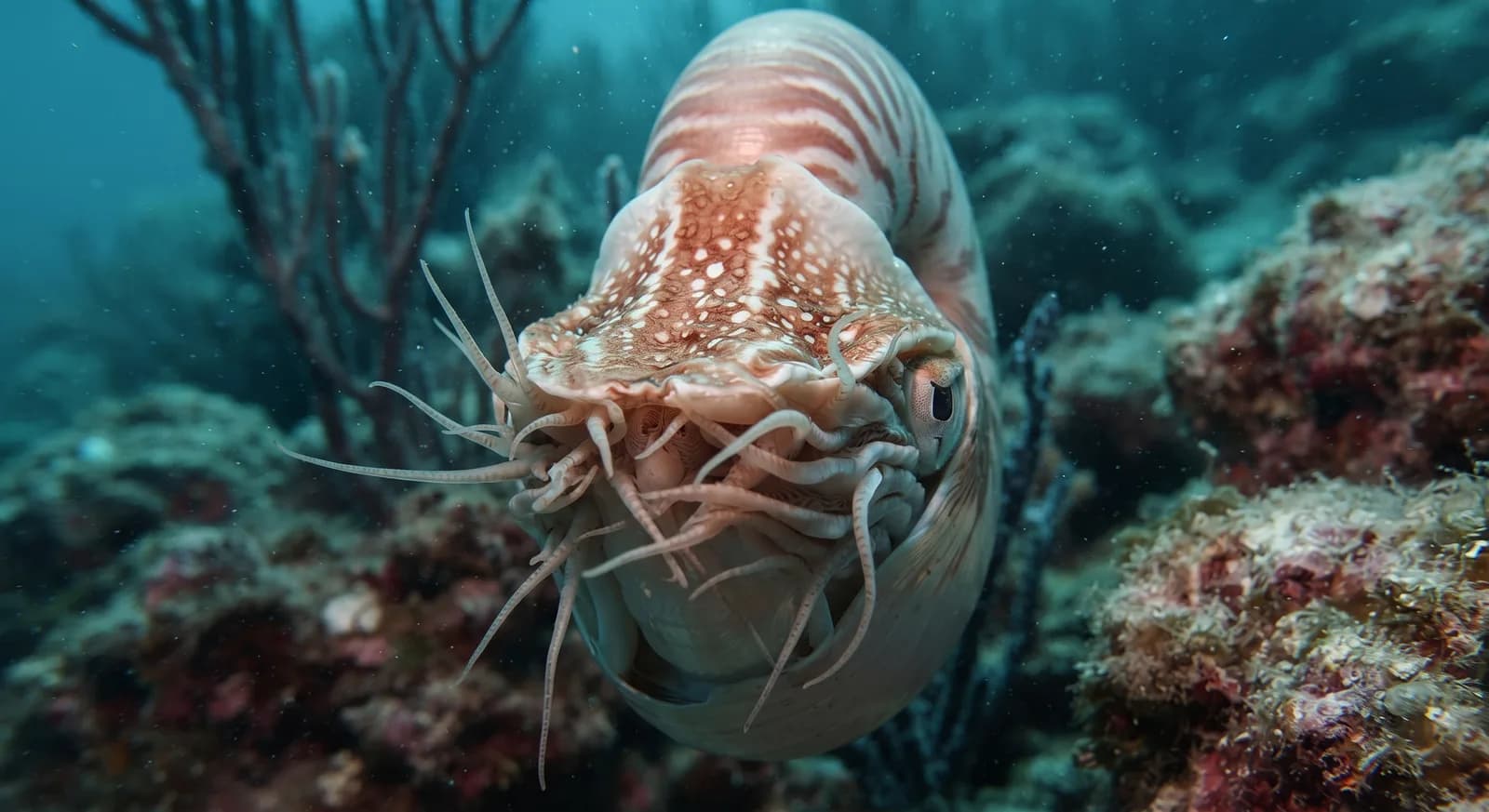
Chambered NautilusNot Evaluated

Chambered Nautilus

Nautilus pompilius

CountriesIndonesia
ParksKomodoIndonesia
TagsCarnivore
Carnivore
Nocturnal
Solitary
Ocean
Mollusc
Indonesia
Egypt
Australia
Japan