Skip to content
WAnimals
  • Map
  • Species
  • Parks
  • Diving
Log inCreate account
WAnimals

The guide for travellers and animal lovers: discover, plan and share your wild adventures around the world.

Discover wildlife

  • Species
  • Ecosystems
  • Glossary
  • Tags

Explore places

  • Map
  • Countries
  • Parks
  • Diving

Plan experiences

  • Guides

Learn

  • Blog

Resources

  • Help centre
  • Contact
  • Install the app

Follow us

Account

  • Log in
  • Create account

© 2026 WAnimals. All rights reserved.

About usHow we build our profilesTerms of servicePrivacyLegal notice
MapSpeciesParksDiving
  1. Home
  2. Species
  3. Woodroach

One of the 5 cockroaches on WAnimals

Insects · Blattodea · Cryptocercidae

Woodroach

Cryptocercus punctulatus

Not Evaluated

It has not yet been assessed against the IUCN criteria.

Spotted something wrong?

A wingless wood cockroach that lives inside rotting logs in the forests of the Appalachians, excavating galleries occupied by a whole family. It feeds on dead wood, which it could not digest without the symbiotic protists it houses in its gut.

Size

2 cm – 3 cm

Life expectancy

5 years

Diet

Herbivore

Feeds mainly on plants.

Activity

Nocturnal

Active mainly at night.

Social structure

In pairs

Usually lives in pairs, sometimes for life.

Sighting difficulty

Unknown

Temperate forest
1countries7parks

Fun facts

  • The young are born without symbionts and must acquire them by ingesting anal secretions from their parents, which obliges the family to stay together for years.
  • Its gut symbionts are almost identical to those of termites, and this cockroach is their closest living relative: termites are, in evolutionary terms, social cockroaches.
  • A family can live together in the same gallery for more than three years, a degree of parental care very rare among non-social insects.
  • It is the key to understanding the origin of termites. Molecular studies have shown that termites are eusocial cockroaches, and that this genus is their sister group: it is the best living model of the termites' ancestor.
  • It lives as a family. The pair digs galleries in a rotten log and raises its offspring for years, with prolonged biparental care — something exceptional among cockroaches and exactly what is considered the starting point of termite eusociality.
  • It cannot digest wood on its own: it depends on symbiotic flagellates in its hindgut, the same lineages found in the lower termites.
  • And those symbionts are inherited in a very particular way: by proctodeal trophallaxis, that is, the parents transfer fluid from the hindgut to the mouths of their young. Without that contact, the offspring could not digest wood.
  • The full microbiota is not established until the third nymphal instar, when the young achieve independence in feeding.
  • It is wingless: neither the male nor the female has wings.
  • Its life cycle is extremely slow for a cockroach: it takes more than five years to complete, and the adults live for several years.

Life cycle and biology

Skeleton type
Invertebrate - chitin exoskeleton (insect)
Habitat and environment
Fallen rotting logs of the humid forests of the Appalachians

Sources consulted: Nalepa (2020), Encyclopedia of Social Insects; Ohkuma et al. (2009), Proceedings of the Royal Society B; Berlanga et al. (2016), PLOS ONE

Where to find it

Loading map…

The pins mark the parks where its presence is documented.

Where to see it

Parks and dive sites where this species has been documented.

Related species

Other species in the catalogue with the most in common with Woodroach — same habitat, park, country, tags or family.

Shares a park
Shares a park
Shares a park
Shares a park
Shares a park
Shares a park

Keep exploring

Based on what we already know about woodroach.

Comments

Share an experience, a fun fact or a tip for seeing the woodroach.

Be the first to comment.
See full glossary
This page in other languages: Español · Deutsch · Français · Português · Italiano
See its range on the interactive map→
Great Smoky MountainsUnited States
AcadiaUnited States
Mammoth CaveUnited States
CongareeUnited States
ShenandoahUnited States
Cuyahoga ValleyUnited States
New River GorgeUnited States
Not Evaluated

North American Luna Moth

Actias luna

Not Evaluated

Eastern Subterranean Termite

Reticulitermes flavipes

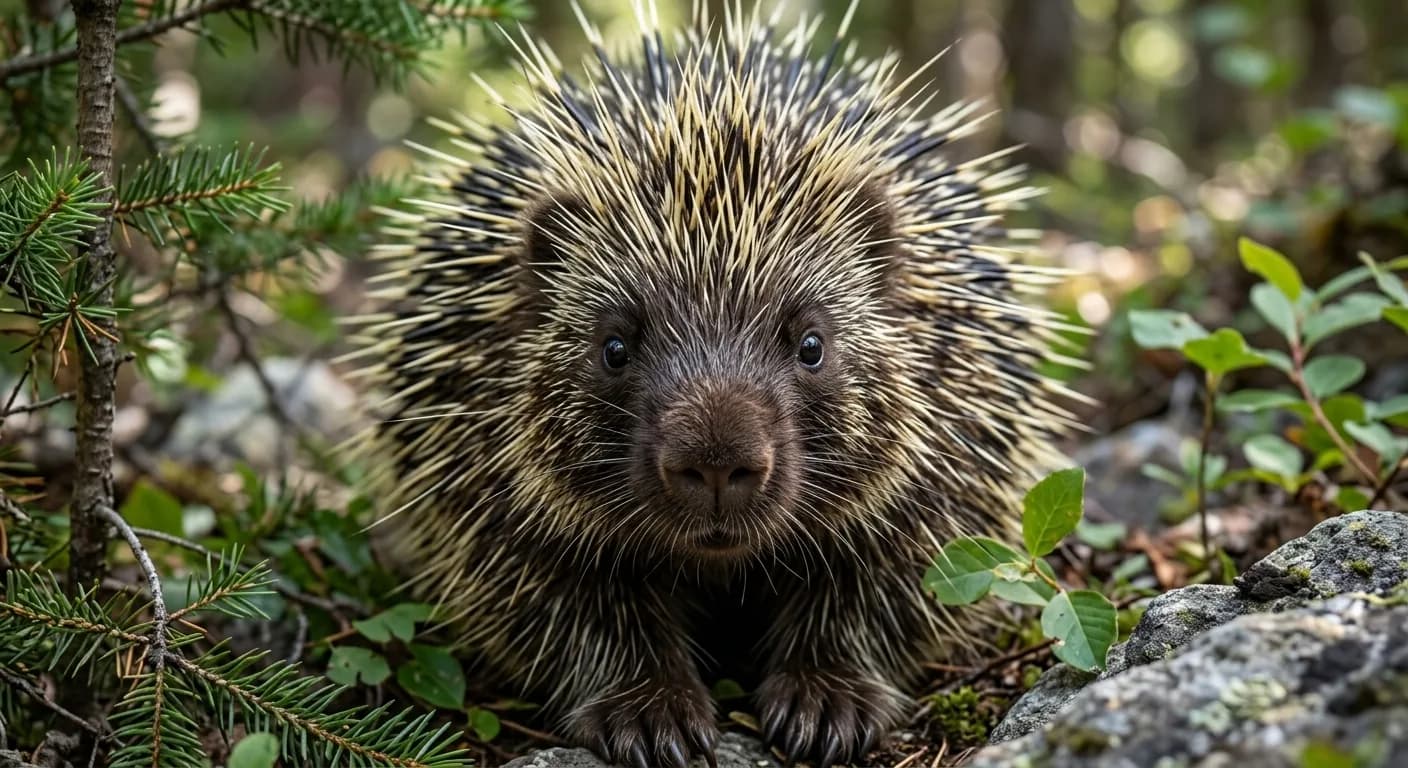
North American PorcupineLeast Concern

North American Porcupine

Erethizon dorsatum

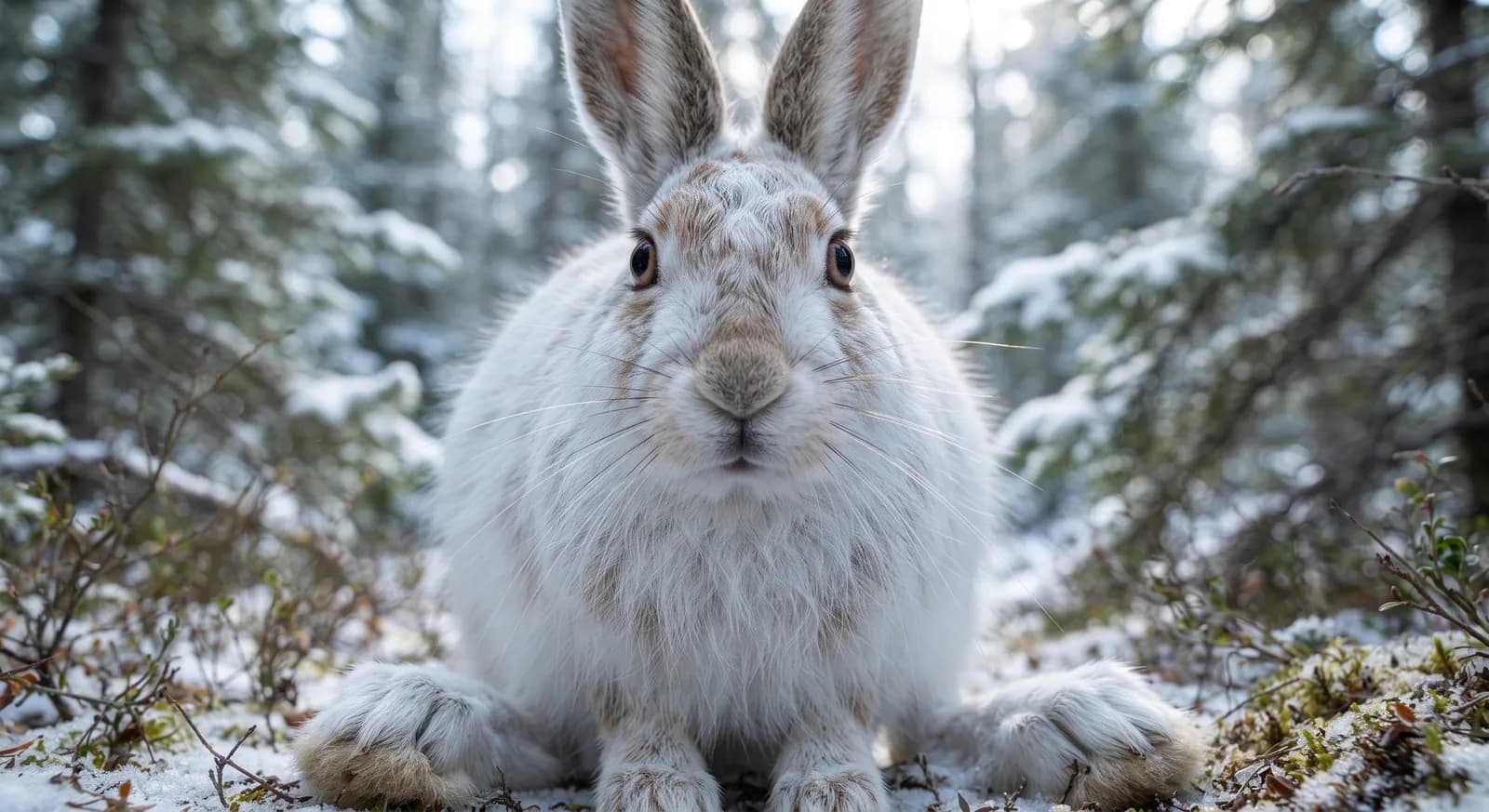
Snowshoe HareLeast Concern

Snowshoe Hare

Lepus americanus

Least Concern

Mourning Dove

Zenaida macroura

Least Concern

Brown-headed Cowbird

Molothrus ater

CountriesUnited States
ParksGreat Smoky MountainsUnited States
TagsHerbivore
Herbivore
Nocturnal
In pairs
Insect
Temperate forest
United States