 Endangered
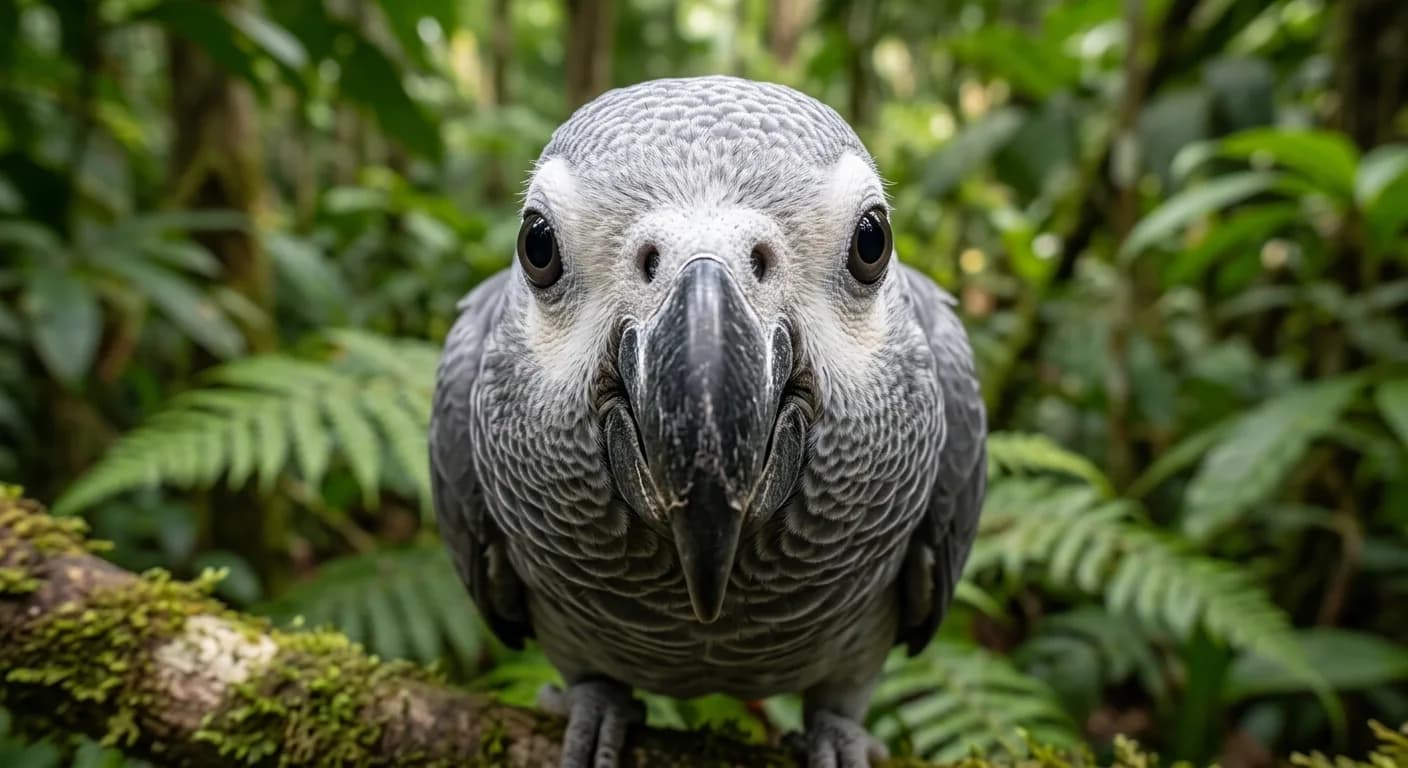
Grey Parrot
Psittacus erithacus
Africa
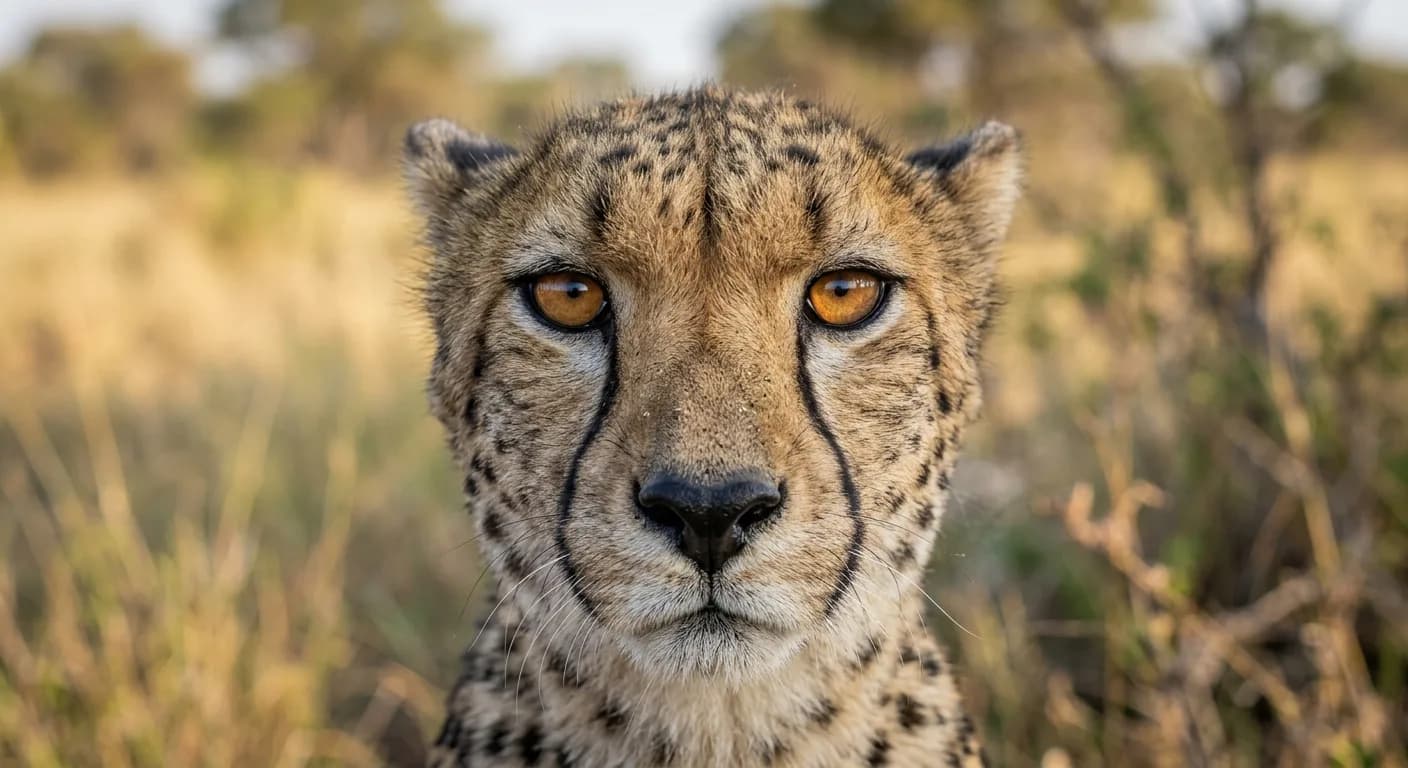
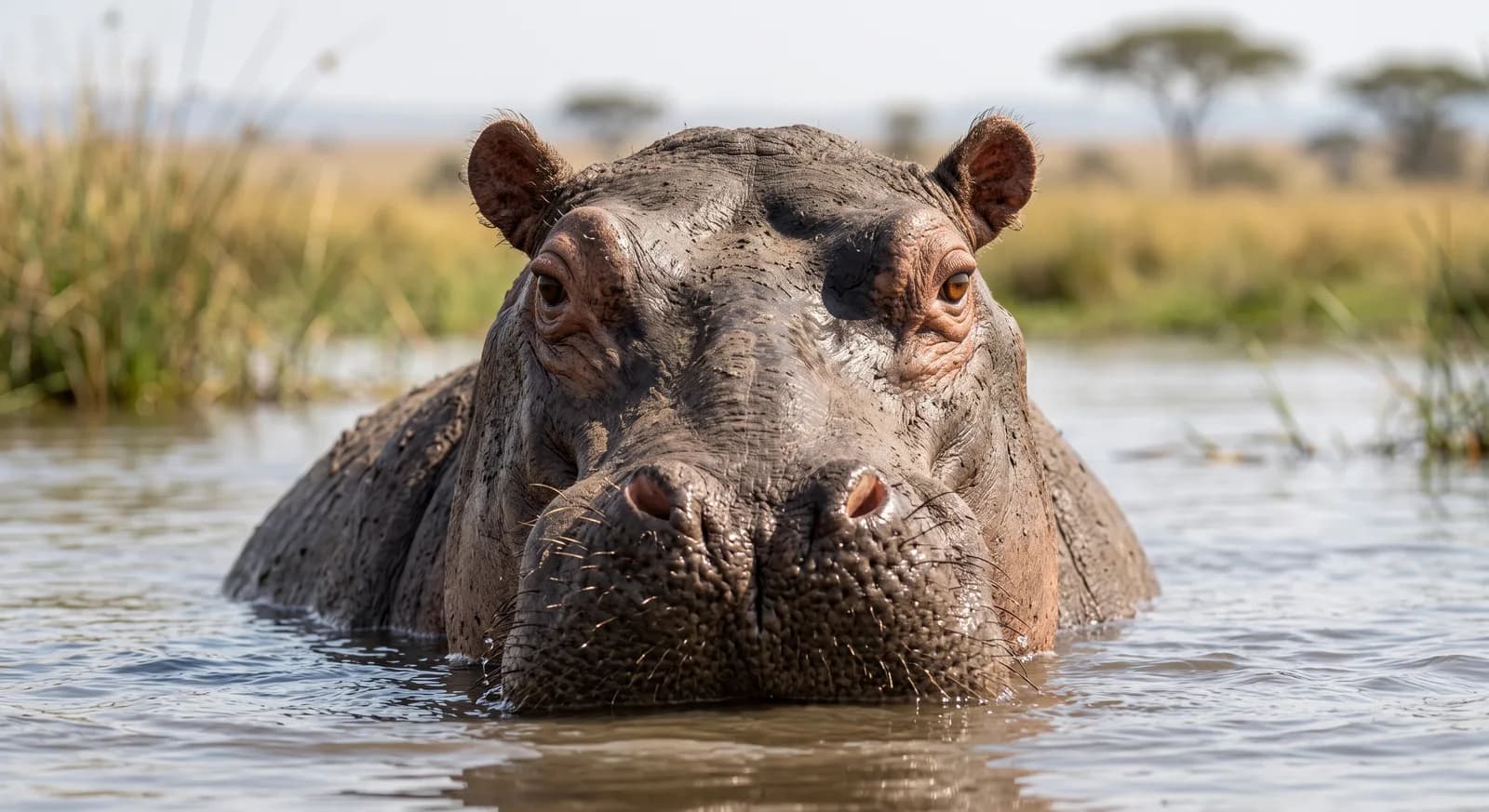
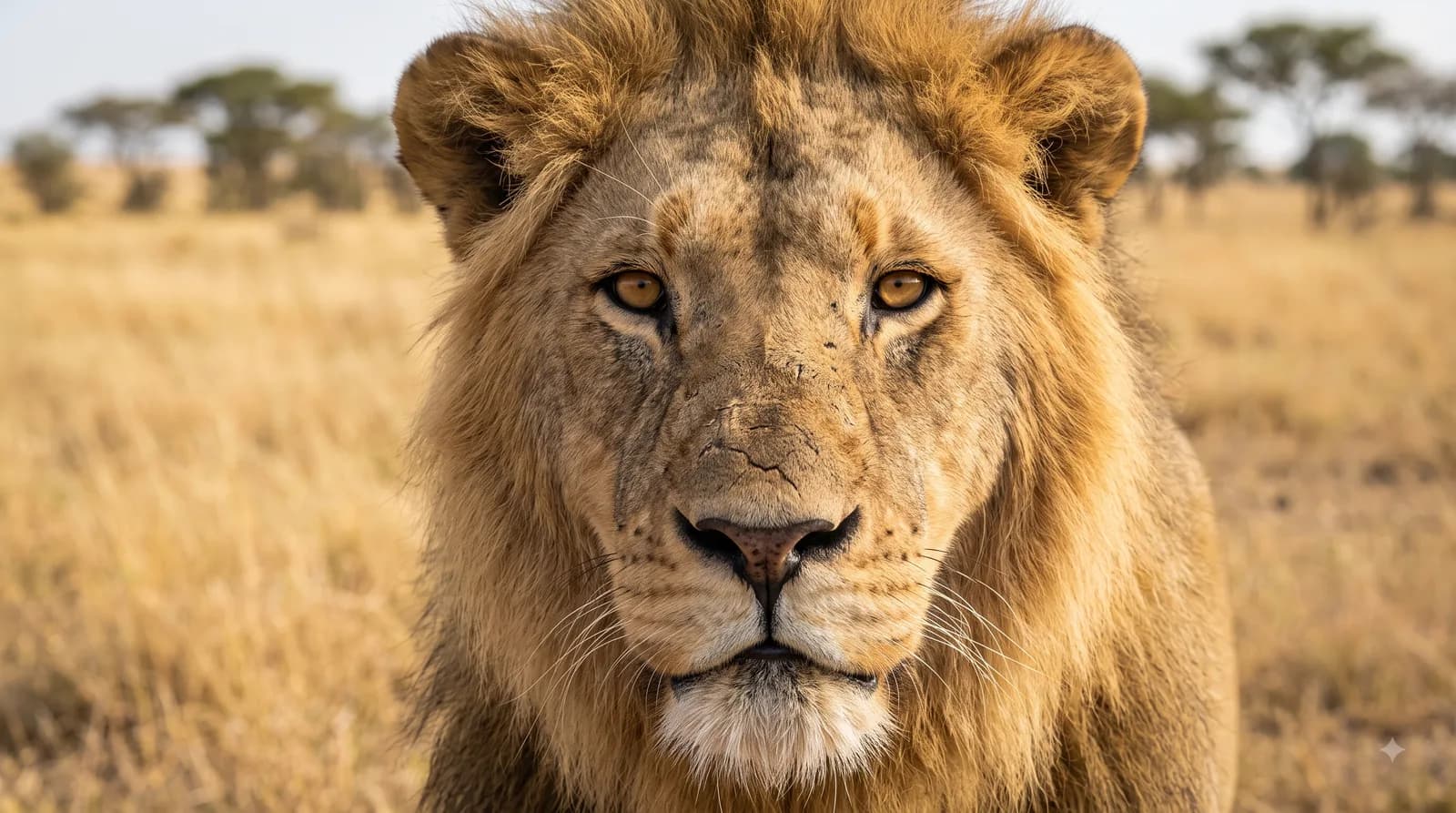
Benin stretches from the Gulf of Guinea to the Niger River, passing through coastal lagoons, mosaics of forest and savannah in the centre, and wooded Sudanian savannah in the north, where its wildlife is concentrated. Pendjari park, in the Atacora range, is regarded as one of the best preserved in West Africa and forms a transboundary complex with W and Arly that holds the last significant lion population in the region, as well as elephants, buffalo, hippopotamuses, cheetahs and large concentrations of antelopes. On the coast, Lake Nokoué and the Porto-Novo lagoon sustain mangroves, traditional fisheries and lake villages built on stilts. The sacred groves and the wetlands of the south complete a mosaic in which conservation rests on deeply rooted local traditions.
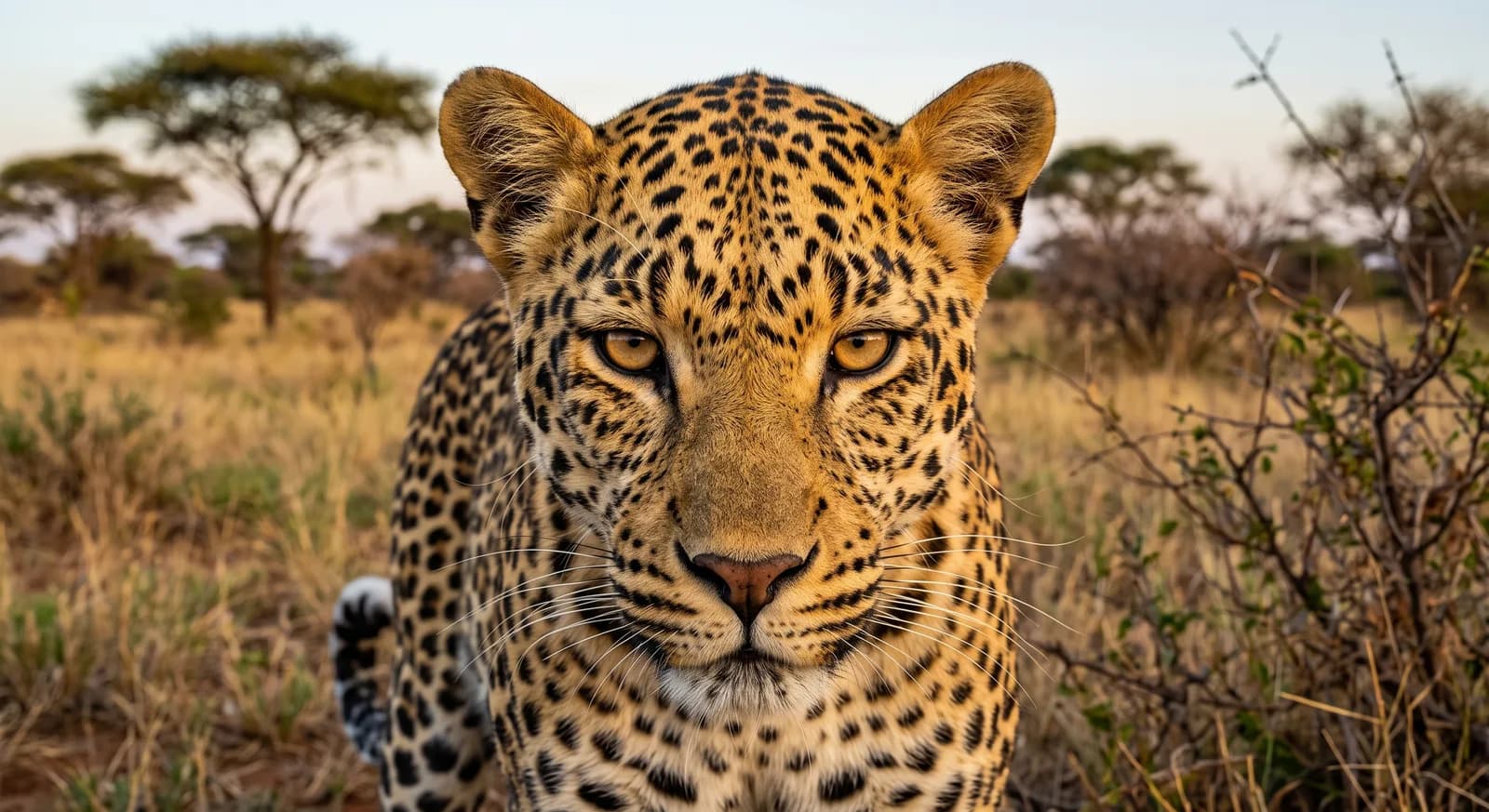
National animal: The leopard, historic emblem of the kings of Dahomey and present on the national coat of arms
In Ouidah, the historic city of Vodun, there is a temple dedicated to royal pythons where several dozen of these snakes live, regarded as sacred. At night they are allowed out to roam freely through the streets and houses of the neighbourhood, and residents who come across a python pick it up carefully and return it to the temple. Killing them is forbidden by tradition, which has turned the city into an extraordinary refuge for the species.
Pendjari and W have been managed since 2017 in partnership with an international foundation, which has strengthened surveillance against poaching and made it possible to reintroduce cheetahs and other species. Regional insecurity is the main risk.
Pendjari between January and May, at the height of the dry season, for lions, elephants and ungulates at the waterholes. Lake Nokoué year-round for waterbirds. Ouidah for the sacred pythons.
Where else might I want to travel?
Same region: West Africa
Same region: West Africa
Same region: West Africa
Same region: West Africa
200 species found
Based on what we already know about Benin.