Skip to content
WAnimals
  • Map
  • Species
  • Parks
  • Diving
Log inCreate account
WAnimals

The guide for travellers and animal lovers: discover, plan and share your wild adventures around the world.

Discover wildlife

  • Species
  • Ecosystems
  • Glossary
  • Tags

Explore places

  • Map
  • Countries
  • Parks
  • Diving

Plan experiences

  • Guides

Learn

  • Blog

Resources

  • Help centre
  • Contact
  • Install the app

Follow us

Account

  • Log in
  • Create account

© 2026 WAnimals. All rights reserved.

About usHow we build our profilesTerms of servicePrivacyLegal notice
MapSpeciesParksDiving
  1. Home
  2. Species
  3. Giant Slippery Frog

One of the 47 frogs on WAnimals

Giant Slippery Frog (Conraua goliath)

Amphibians · Anura · Conrauidae

Giant Slippery Frog

Conraua goliath

Endangered

At very high risk of extinction in the wild in the near future.

Spotted something wrong?

The goliath frog is the largest frog in the world: it can exceed thirty centimetres in body length and three kilos in weight. It lives in fast rivers in the forests of the Gulf of Guinea, within a tiny range. In 2019 something unexpected was discovered about it: it builds its own breeding ponds by moving stones weighing several kilos.

Weight

600 g – 3.3 kg

Size

17 cm – 32 cm

Life expectancy

15 years
Diet

Carnivore

Feeds mainly on other animals.

Activity

Nocturnal

Active mainly at night.

Social structure

Solitary

Lives and hunts alone, joining others only to breed.

Sighting difficulty

Hard

RainforestFreshwater
21countries4parks

AI-generated images: illustrations, not photographs.

Fun facts

  • GeneralIt is the largest frog in the world, with a body of up to 32 cm and a weight of up to 3.3 kg; it builds nests by moving stones.
  • récordIt is the largest frog in the world, able to top 3 kilograms, and curiously has no vocal sac, so it does not croak.
  • It builds ponds: in 2019 it was documented that the adults shift stones weighing several kilos and clear the gravel of the riverbed to dig breeding pools where the tadpoles are safe from the current and from predators. It is one of the few known amphibian builders.
  • It is the largest frog in the world: with its legs extended it is more than eighty centimetres long and weighs more than a small cat.
  • It does not croak: it has no vocal sac and communicates with whistles made with its mouth open, which is remarkable in a frog of its size.

Life cycle and biology

Skeleton type
Vertebrate - internal bony skeleton (amphibian)
Habitat and environment
Fast rivers and waterfalls of tropical rainforest in southern Cameroon and Equatorial Guinea
Sexual maturity
2 years
Gestation / incubation
Larval development in pools built by the adults
Litter / clutch size
300 eggs

Sources consulted: https://www.iucnredlist.org/ | https://animaldiversity.org/ | https://es.wikipedia.org/

Where to find it

Loading map…

The pins mark the parks where its presence is documented.

Where to see it

Parks and dive sites where this species has been documented.

Related species

Other species in the catalogue with the most in common with Giant Slippery Frog — same habitat, park, country, tags or family.

Shares a park
Shares a park
Shares a park
Shares a park
Shares a park
Shares a park

How to help

The giant slippery frog is classified as endangered. Organisations such as the IUCN, WWF and the Wildlife Conservation Society work specifically on its conservation and that of its habitat; looking into their programmes is a good starting point if you want to get involved.

It's documented in 1 protected area — one reason why protecting these places matters for its conservation.

Keep exploring

Based on what we already know about giant slippery frog.

Comments

Share an experience, a fun fact or a tip for seeing the giant slippery frog.

Be the first to comment.

See full glossary
This page in other languages: Español · Deutsch · Français · Português · Italiano
See its range on the interactive map→
Monte Alén National ParkEquatorial Guinea
KorupCameroon
Campo Ma'anCameroon
Cross RiverNigeria
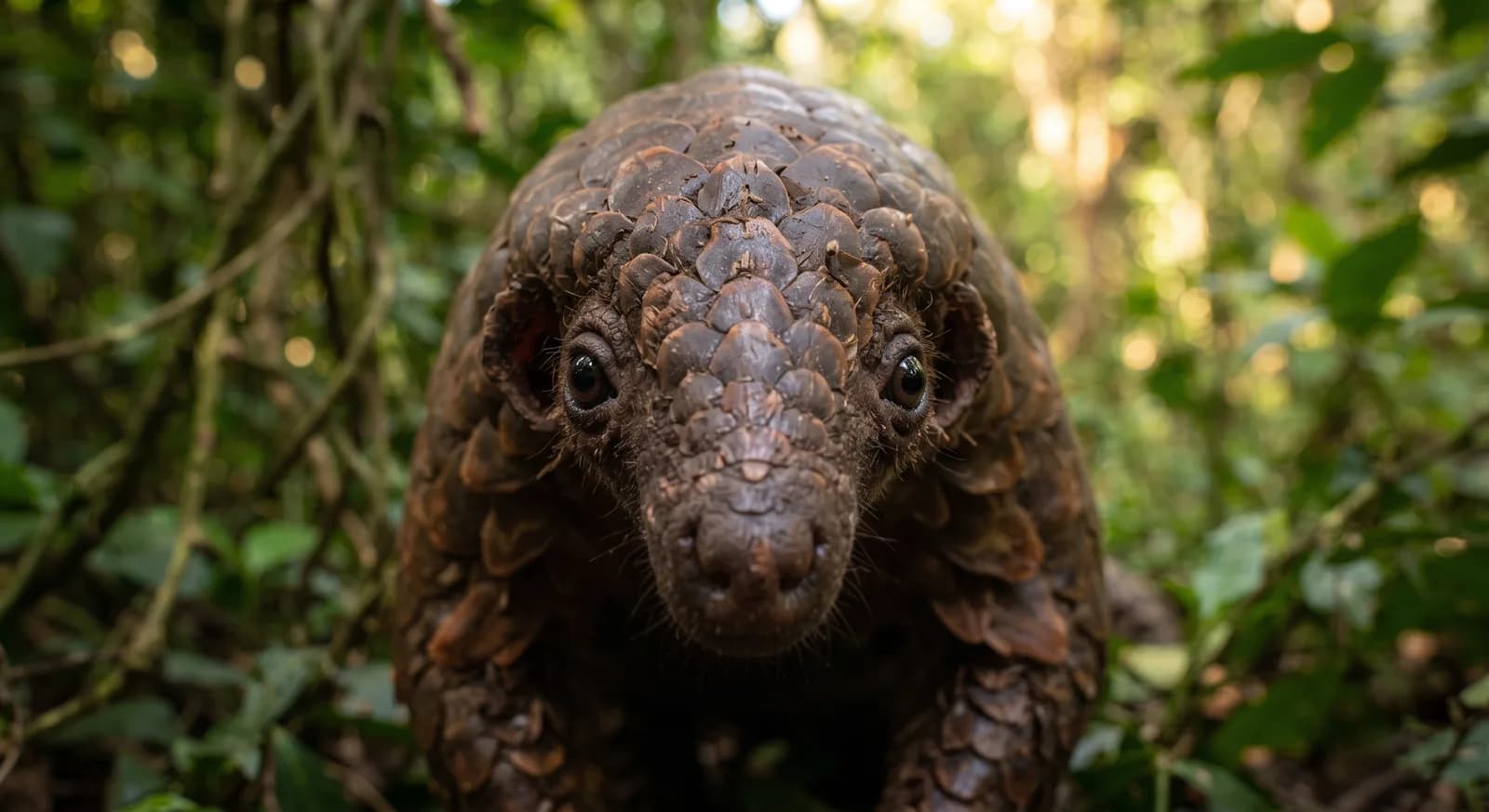
Giant PangolinEndangered

Giant Pangolin

Smutsia gigantea

Endangered

Tree Pangolin

Phataginus tricuspis

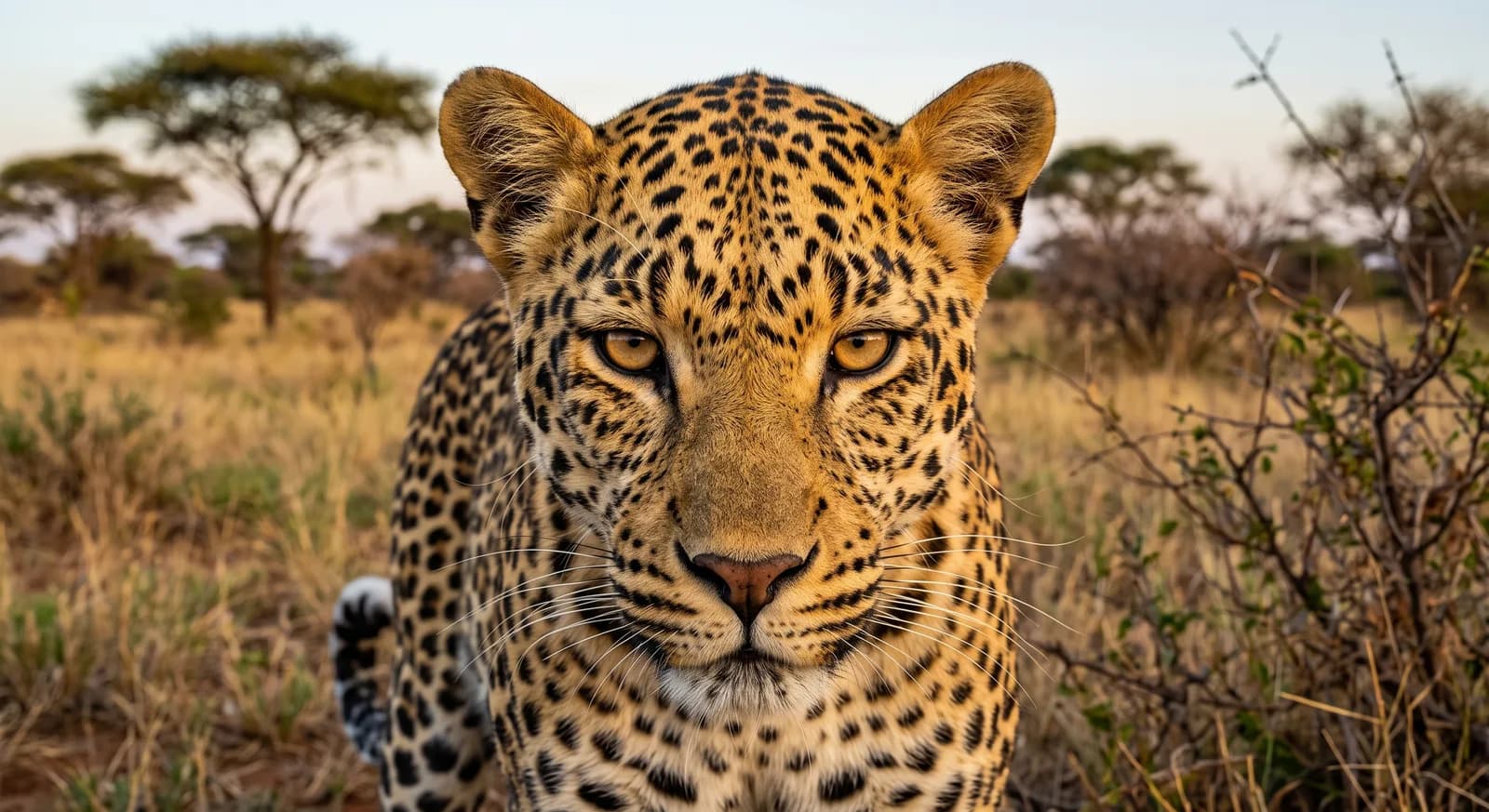
LeopardVulnerable

Leopard

Panthera pardus

Vulnerable

African Dwarf Crocodile

Osteolaemus tetraspis

Critically Endangered

Slender-snouted Crocodile

Mecistops cataphractus

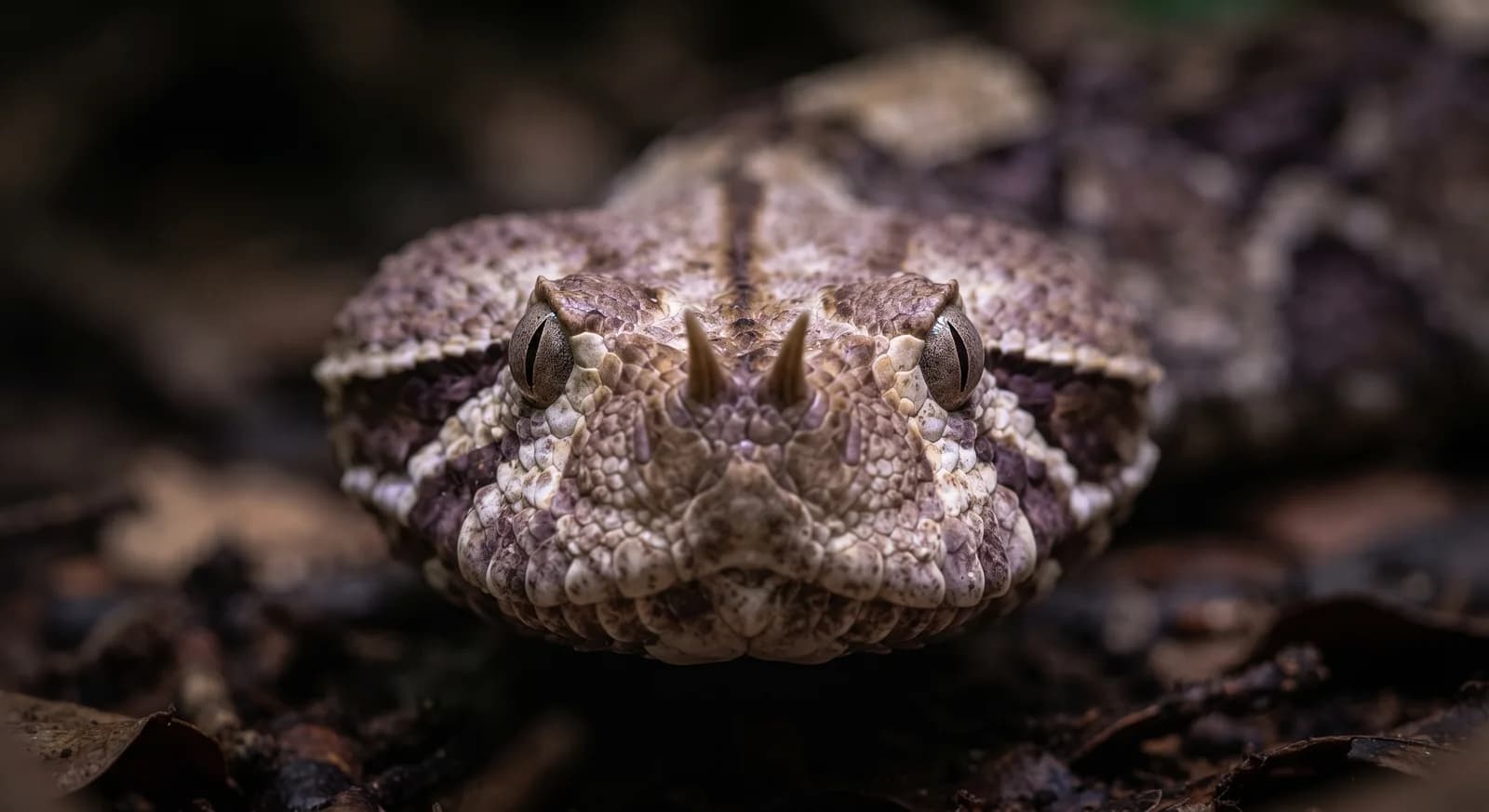
Gaboon ViperNot Evaluated

Gaboon Viper

Bitis gabonica

CountriesCameroon
ParksMonte Alén National ParkEquatorial Guinea
TagsCarnivore
Carnivore
Nocturnal
Solitary
Endangered
Amphibian
Rainforest
Freshwater
Cameroon
Equatorial Guinea
Nigeria
Angola
Benin
Burundi
Angola
Benin
Burundi
Cameroon
Central African Republic
Côte d’Ivoire
Democratic Republic of the Congo
Equatorial Guinea
Gabon
Gambia
Ghana
Guinea
Guinea-Bissau
Liberia
Nigeria
Republic of the Congo
Rwanda
Sierra Leone
South Sudan
Togo
Uganda