 Least Concern
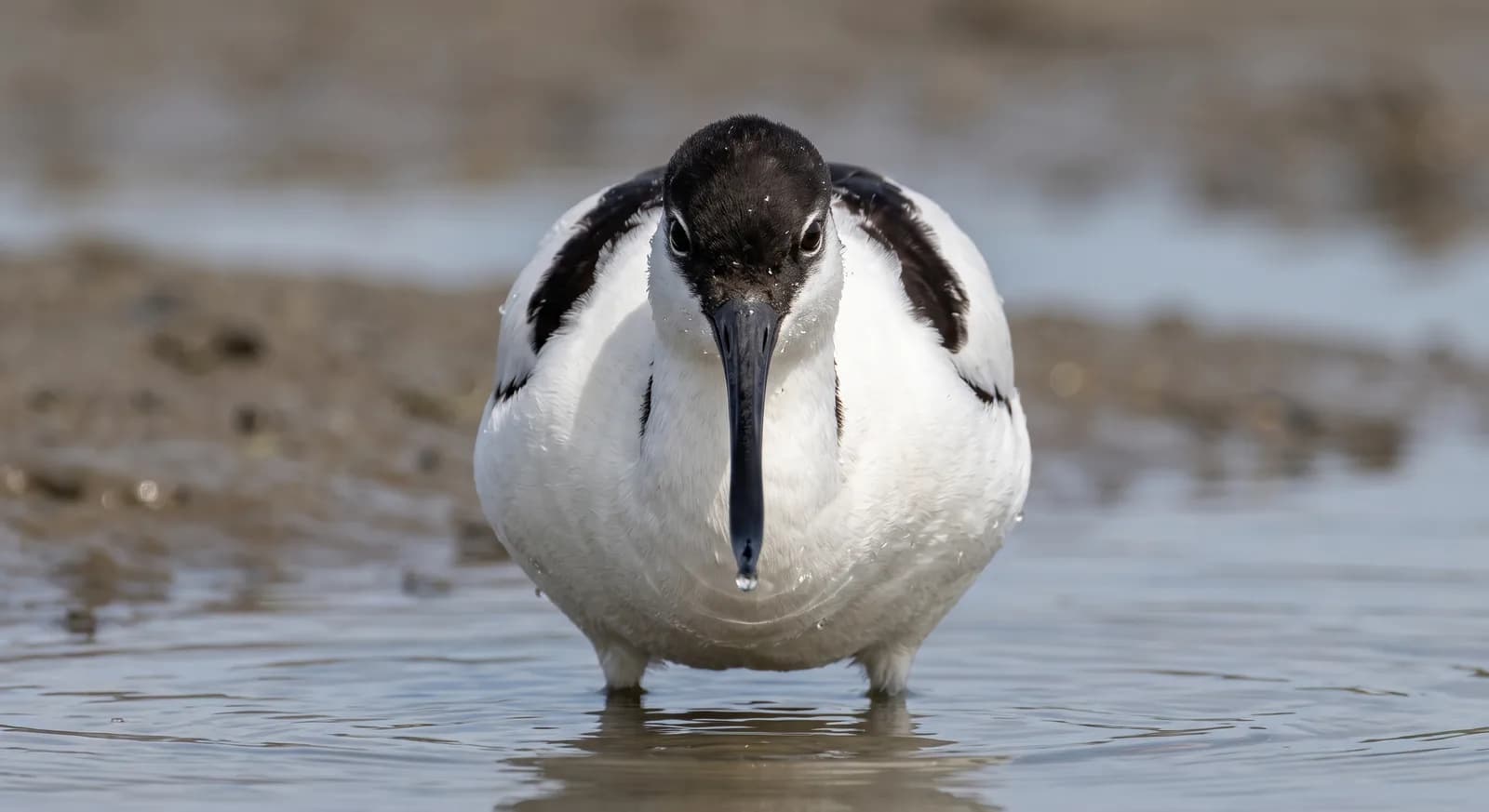
Pied Avocet
Recurvirostra avosetta
Europe
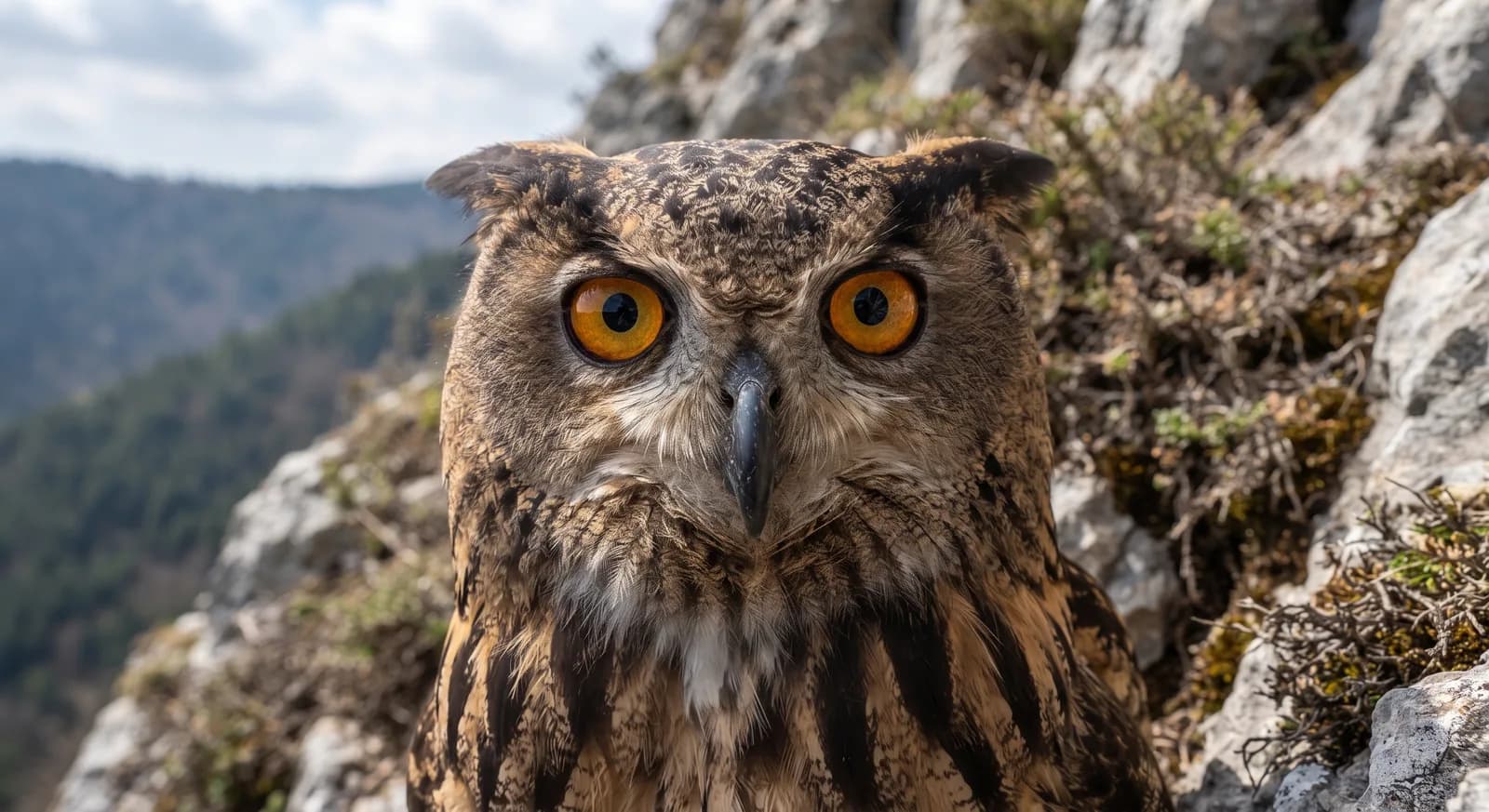
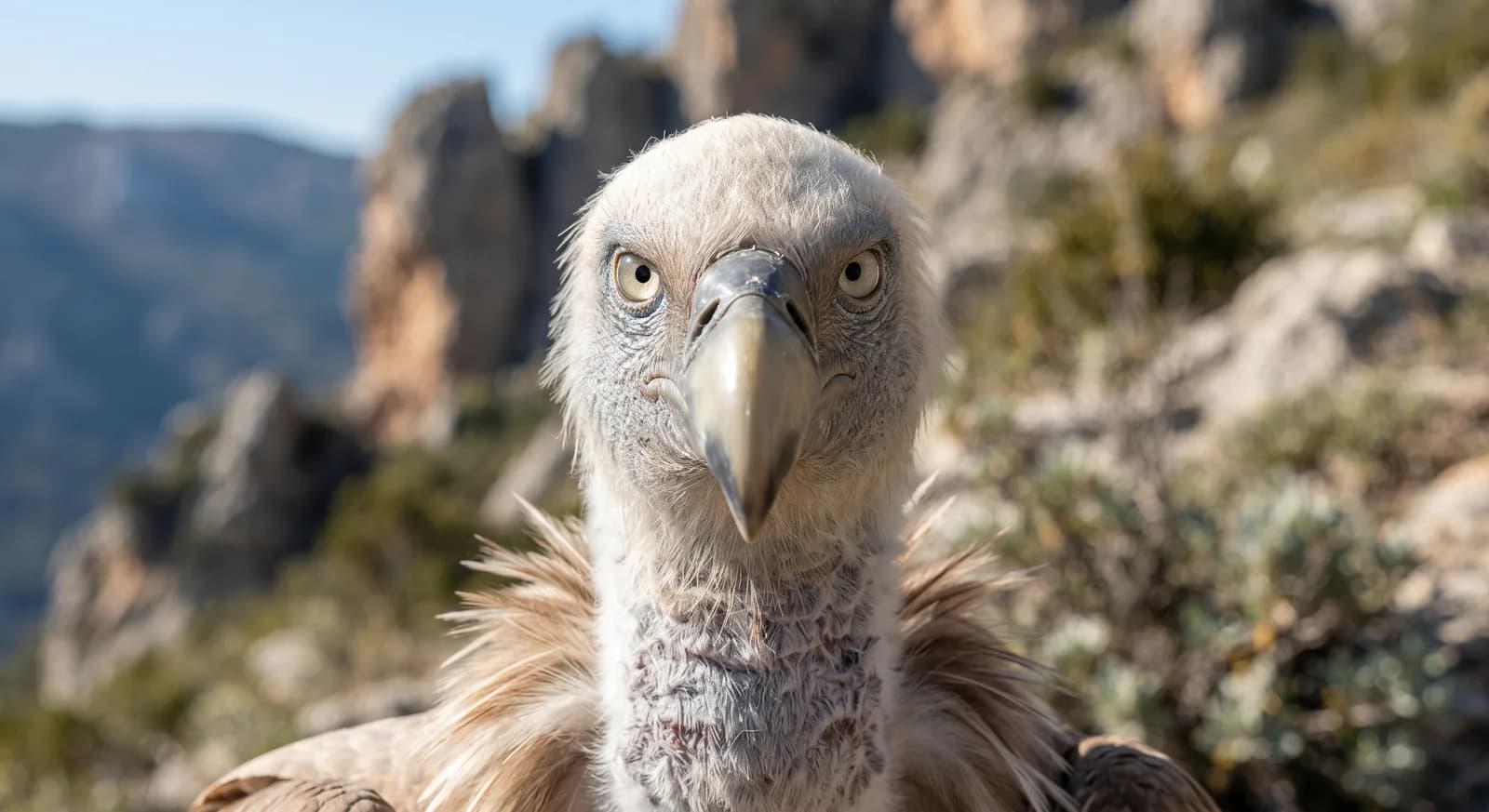
North Macedonia is a landlocked, mountainous country whose greatest natural treasure is aquatic. Lake Ohrid, two or three million years old, is one of the oldest lakes in the world and works as a living museum: it holds more than two hundred species found nowhere else, among them snails, freshwater sponges, worms and the Ohrid trout, in a case of evolution in isolation comparable to Baikal or Tanganyika. Beside it, separated by the Galičica range, lies Lake Prespa, connected to Ohrid by underground conduits through the limestone. The Mavrovo and Šar mountains, with beech forests and high pastures, are the last refuge of a critically endangered cat, and the country's canyons and crags support griffon and Egyptian vultures.
National animal: The Balkan lynx, a national symbol and present on the five-denar coin
The Balkan lynx is one of the rarest cats on the planet: fewer than fifty adults survive, most of them in the Mavrovo mountains and along the Albanian border. It matters so much as a national symbol that it is engraved on the five-denar coin, and its monitoring is done almost entirely with camera traps, because direct sightings are exceptional.
The fall in the level of Lake Prespa through water extraction for irrigation and the long-standing plan for power stations in Mavrovo have been the great environmental conflicts. The Balkan lynx recovery programme is coordinated with Albania and Kosovo.
Galičica and Prespa in spring for pelicans and wetland birds. Mavrovo in autumn for the deer rut and tracks of large carnivores. The Matka canyon year-round for cliff birds and bats.
Where else might I want to travel?
Same region: The Balkans
Same region: The Balkans
Same region: The Balkans
Same region: The Balkans
395 species found
Based on what we already know about North Macedonia.