Endangered
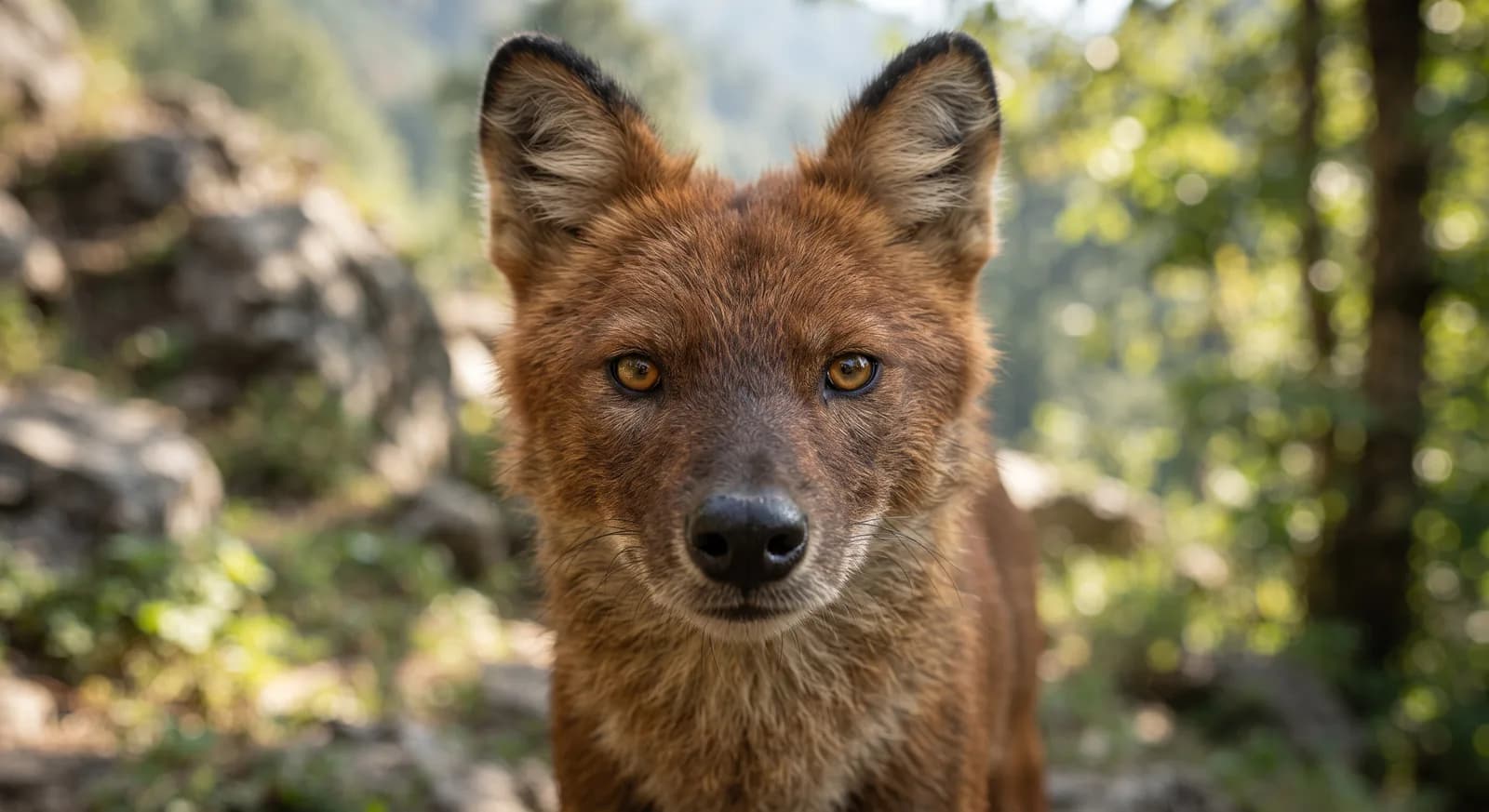
Hog Deer
Axis porcinus
Asia
Pakistan brings together three of the greatest mountain ranges on the planet in one country, the Karakoram, the Himalaya and the Hindu Kush, along with some of the most arid deserts in Asia and the fertile corridor of the Indus, which runs the whole length of it. In the north, the Deosai plateau, above four thousand metres, is an alpine grassland that fills with flowers in summer and holds a recovered population of Himalayan brown bear, alongside glaciers that form the greatest concentration of ice outside the polar regions. In the south, the Indus delta sustains the largest arid-climate mangrove in the world, and the Thar desert and the Balochistan plains add fauna adapted to extreme dryness. The rivers and canals of the Punjab keep a very singular freshwater cetacean.
National animal: The markhor, the national animal; the chukar partridge is the national bird
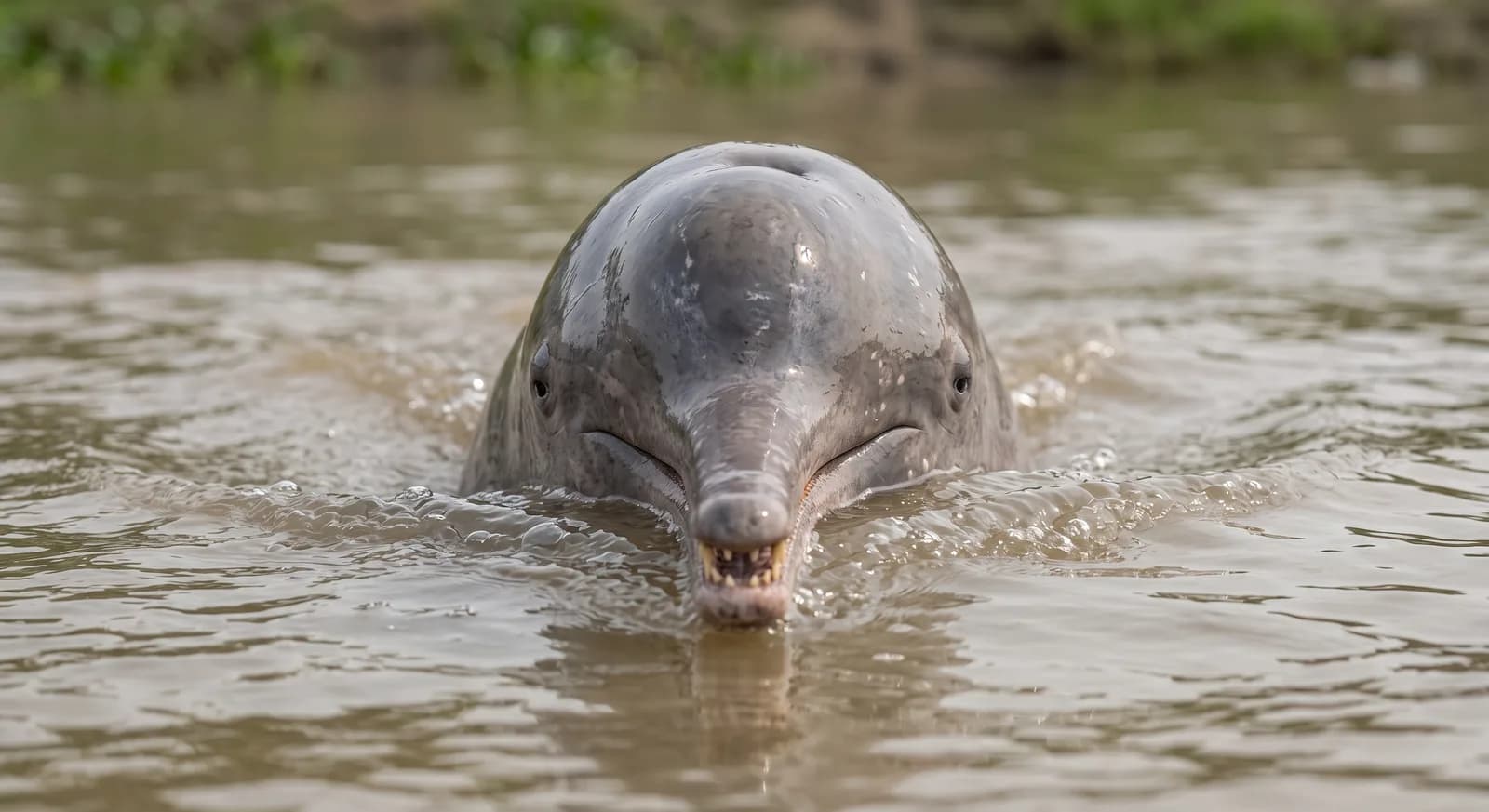
The Indus river dolphin is effectively blind: its eyes have been reduced to tiny openings without a lens, because in sediment-laden water sight is of no use at all. It navigates and hunts purely by echolocation and swims on its side, brushing the bottom with one flipper. Its population fell to little more than a hundred animals in the 1970s and today stands at around two thousand thanks to protection of the river stretches it has left.
Community markhor conservation programmes, which reinvest in the villages the income from a minimal quota of regulated hunting, have multiplied the markhor population and are cited as an international case study. The country's vultures suffered a ninety-five per cent collapse from the veterinary use of diclofenac.
Deosai between June and September for brown bear and alpine flowers. Chitral Gol in winter for markhor. The protected stretches of the Indus, in Sindh, for the dolphin.
Where else might I want to travel?
Same region: South Asia
Same region: South Asia
Same region: South Asia
Same region: South Asia
304 species found
Based on what we already know about Pakistan.