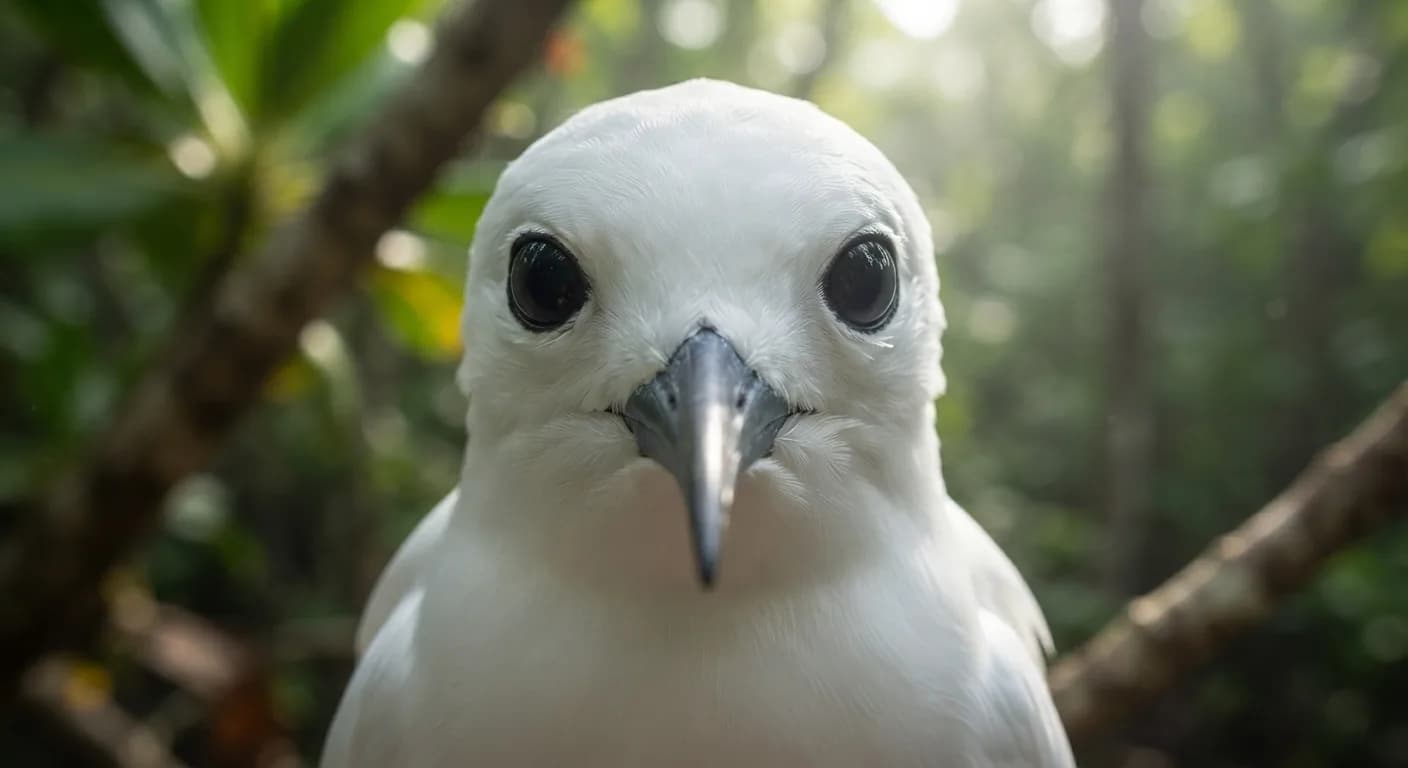
 Least Concern
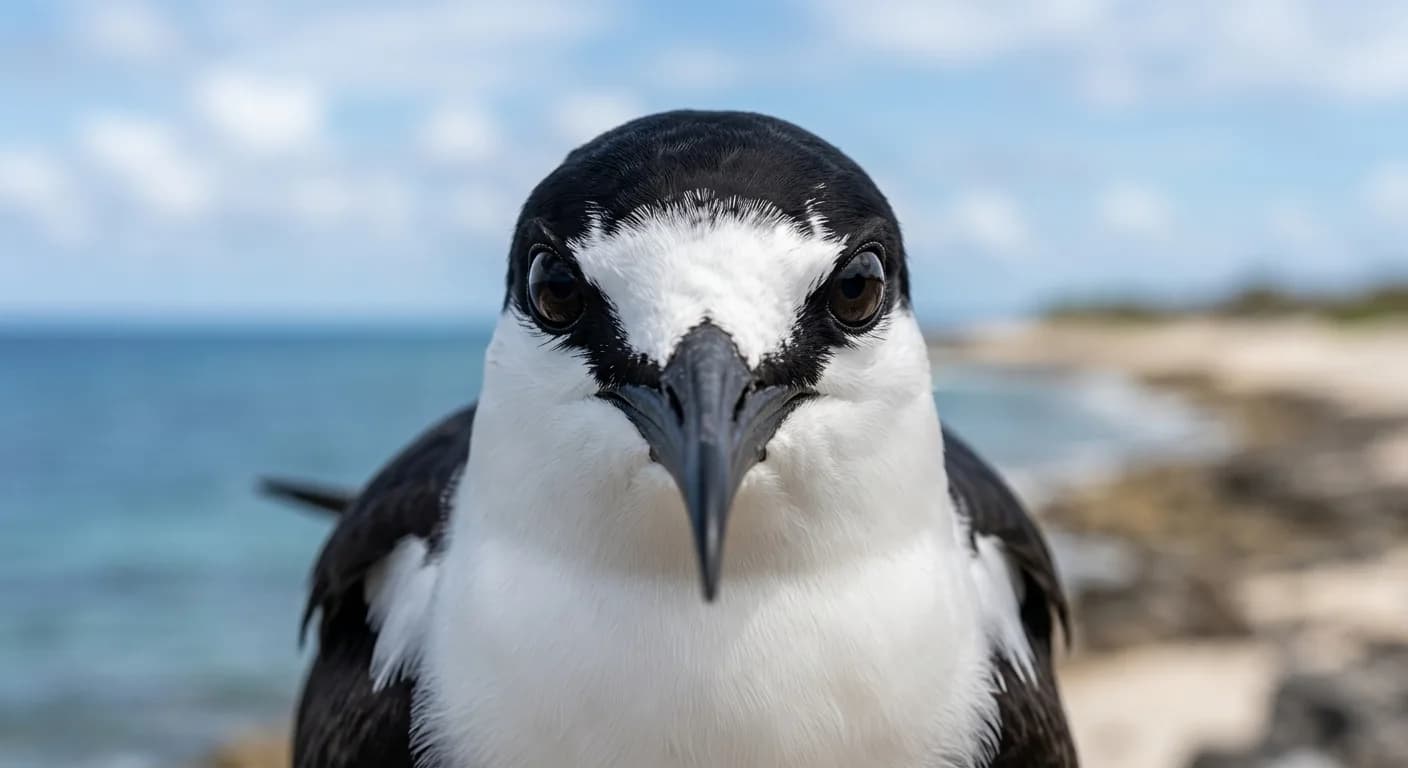
Atlantic White Tern
Gygis alba
North America
Saint Vincent and the Grenadines combines a mountainous volcanic main island, dominated by the La Soufrière volcano, with a chain of smaller islands and islets stretching south, lower, drier and ringed by reefs. The interior of Saint Vincent keeps rainforest on the higher slopes, with a trail that runs through the Vermont valley and where the country's endemic parrot lives. The Grenadines, by contrast, offer sandbanks, seagrass meadows and reefs protected in the Tobago Cays park, where green turtles graze over the meadows in shallow water. Volcanic activity shapes life on the main island: La Soufrière has erupted several times in the last century.
National animal: The St Vincent amazon, the national bird, endemic to the island
The St Vincent amazon, a parrot with bronze, blue and golden plumage that lives nowhere else in the world, has survived several eruptions of La Soufrière, including those of 1902 and 1979 and the explosive one of 2021, which covered much of its habitat in ash. After each eruption, conservation teams go into the forest to count the survivors and assess the state of the trees where it nests.
The Tobago Cays marine park protects one of the seagrass meadows most used by green turtles in the eastern Caribbean, with strict anchoring rules to avoid damaging the bottom. After the 2021 eruption, emergency plans were set in motion for the endemic parrot.
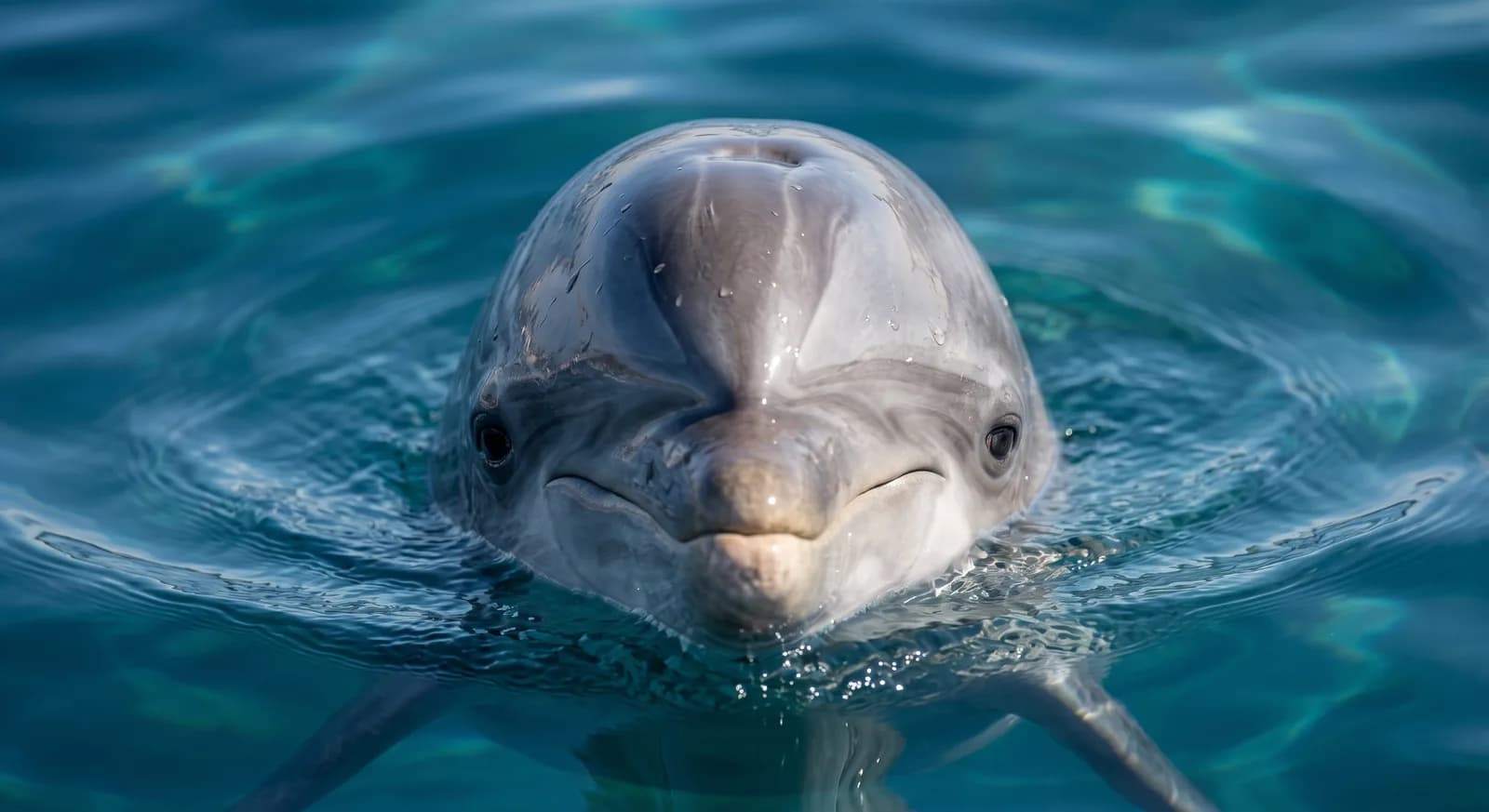
The Vermont valley at dawn for the endemic amazon. The Tobago Cays year-round for green turtles over the meadows. The western waters between January and April for cetaceans.
Where else might I want to travel?
Same region: Central America and the Caribbean
Same region: Central America and the Caribbean
Same region: Central America and the Caribbean
Same region: Central America and the Caribbean
111 species found
Based on what we already know about Saint Vincent and Grenadines.