One of the 6 flamingos on WAnimals
Birds · Phoenicopteriformes · Phoenicopteridae
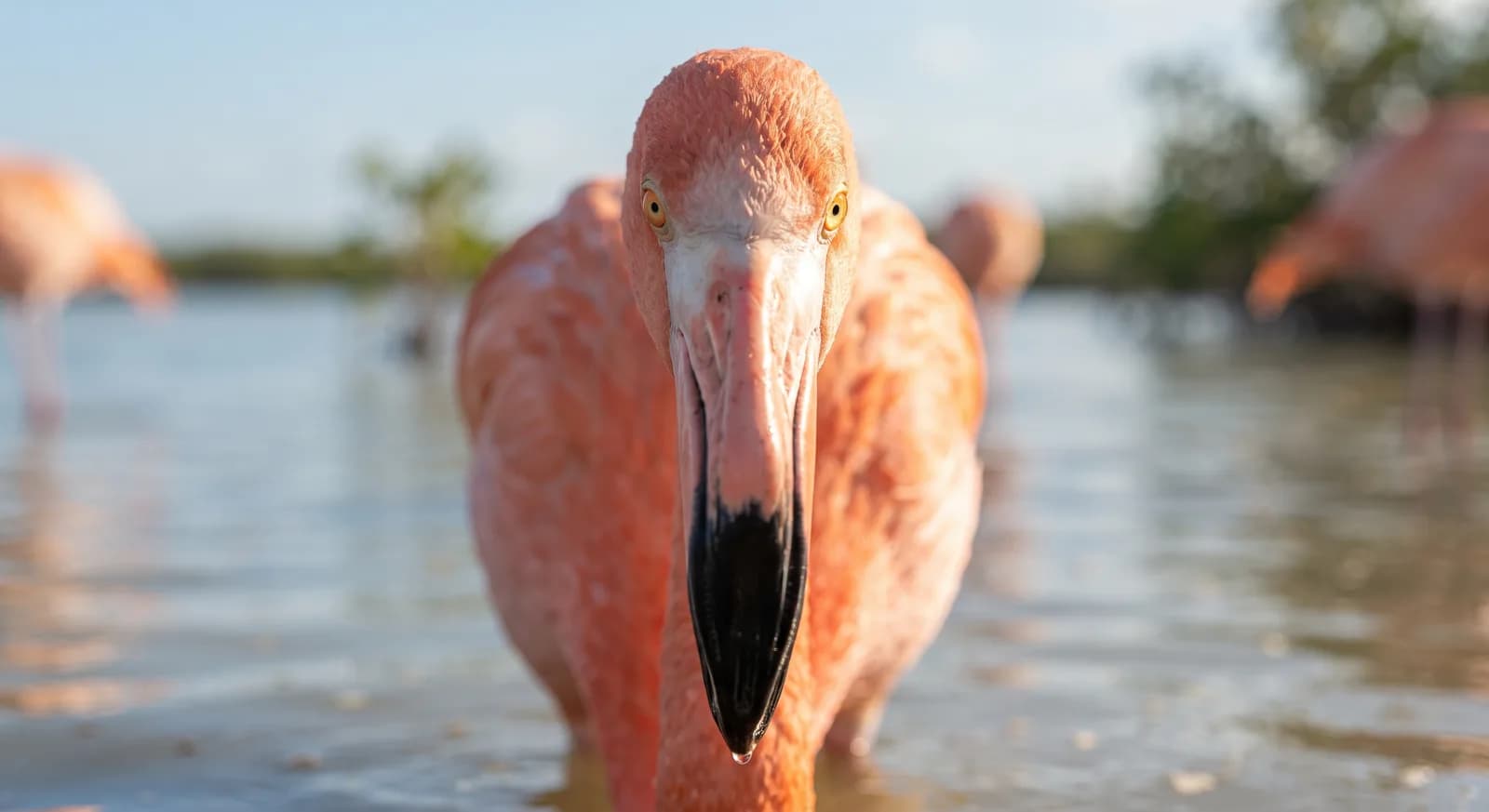
Phoenicopterus ruber
The species is abundant and widely distributed; it faces no significant short-term risk.
The largest flamingo in the Americas and the second largest in the world, surpassed only by the greater flamingo. Its colour ranges from pale pink to crimson or vermilion depending on the area and on how many carotenoid-rich crustaceans it eats. The bill is abruptly curved and fitted with filtering lamellae, with the lower mandible larger than the upper.
Weight
2.2 kg – 2.8 kg
Life expectancy
30 years
Diet
Carnivore
Feeds mainly on other animals.
Activity
Diurnal
Active mainly during the day.
Social structure
Colony
Lives in large concentrations, often for breeding reasons.
Sighting difficulty
Easy
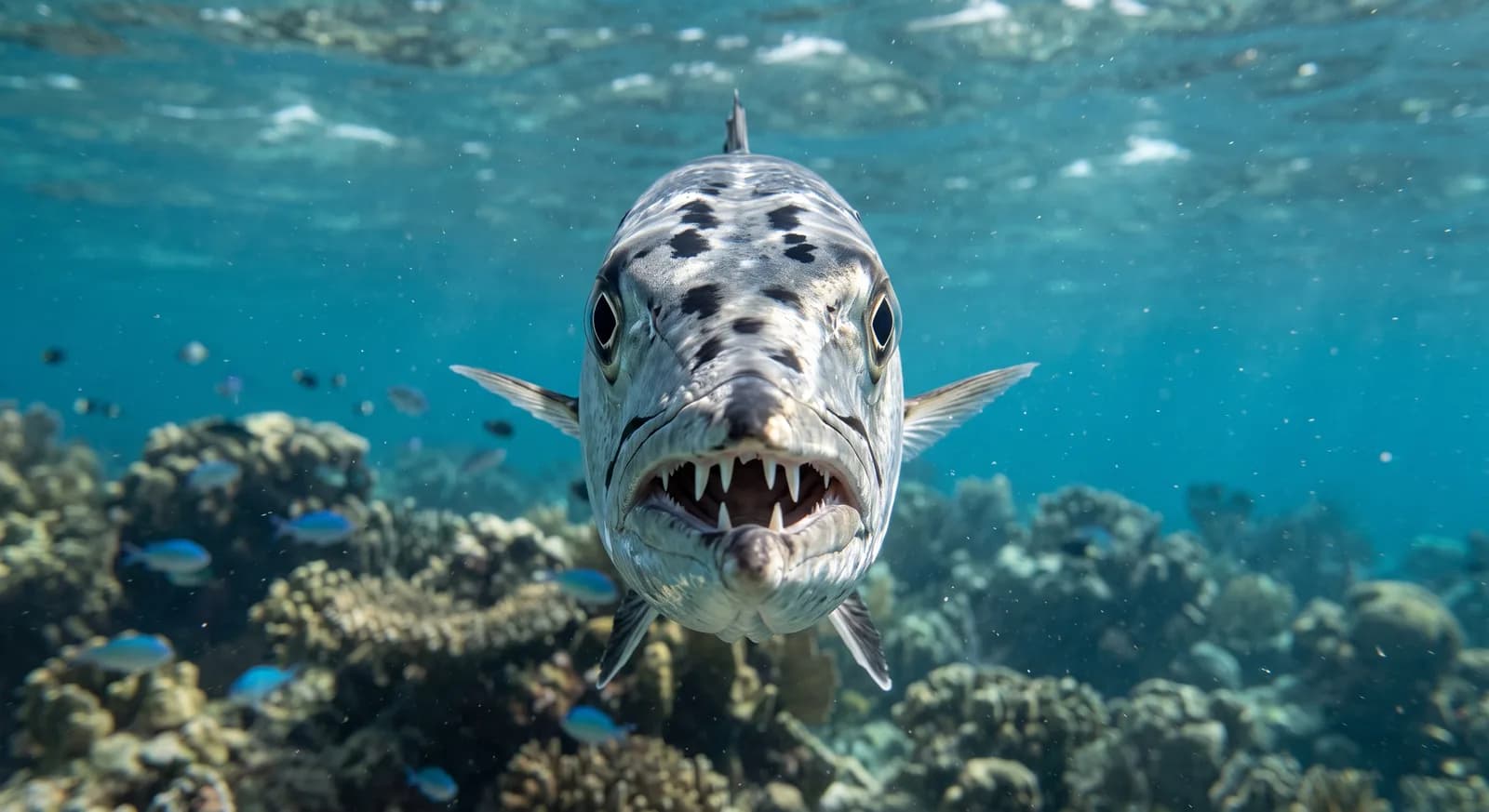
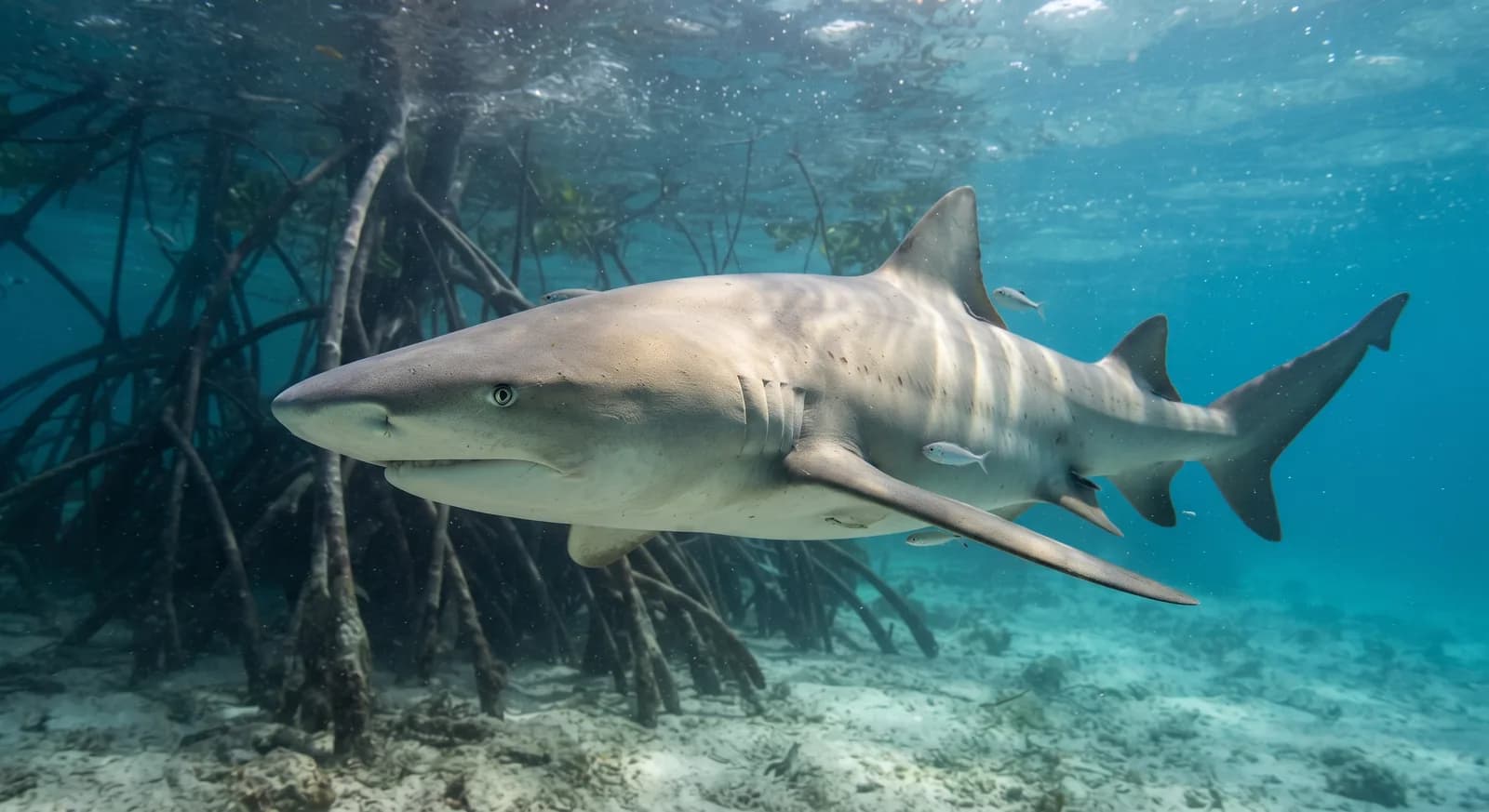
AI-generated images: illustrations, not photographs.
Sources consulted: IUCN Red List; Wikipedia (Phoenicopterus ruber); Birds Colombia; Sprunt 1975; Ogilvie y Ogilvie 1986; del Hoyo et al. 1992; flamingos-world.com
Best time: All year round in shallow lagoons and highly saline coastal waters of the Caribbean
The pins mark the parks and dive sites where its presence is documented.
Parks and dive sites where this species has been documented.
Other species in the catalogue with the most in common with American Flamingo — same habitat, park, country, tags or family.
Based on what we already know about american flamingo.
Share an experience, a fun fact or a tip for seeing the american flamingo.
Be the first to comment.