 Vulnerable
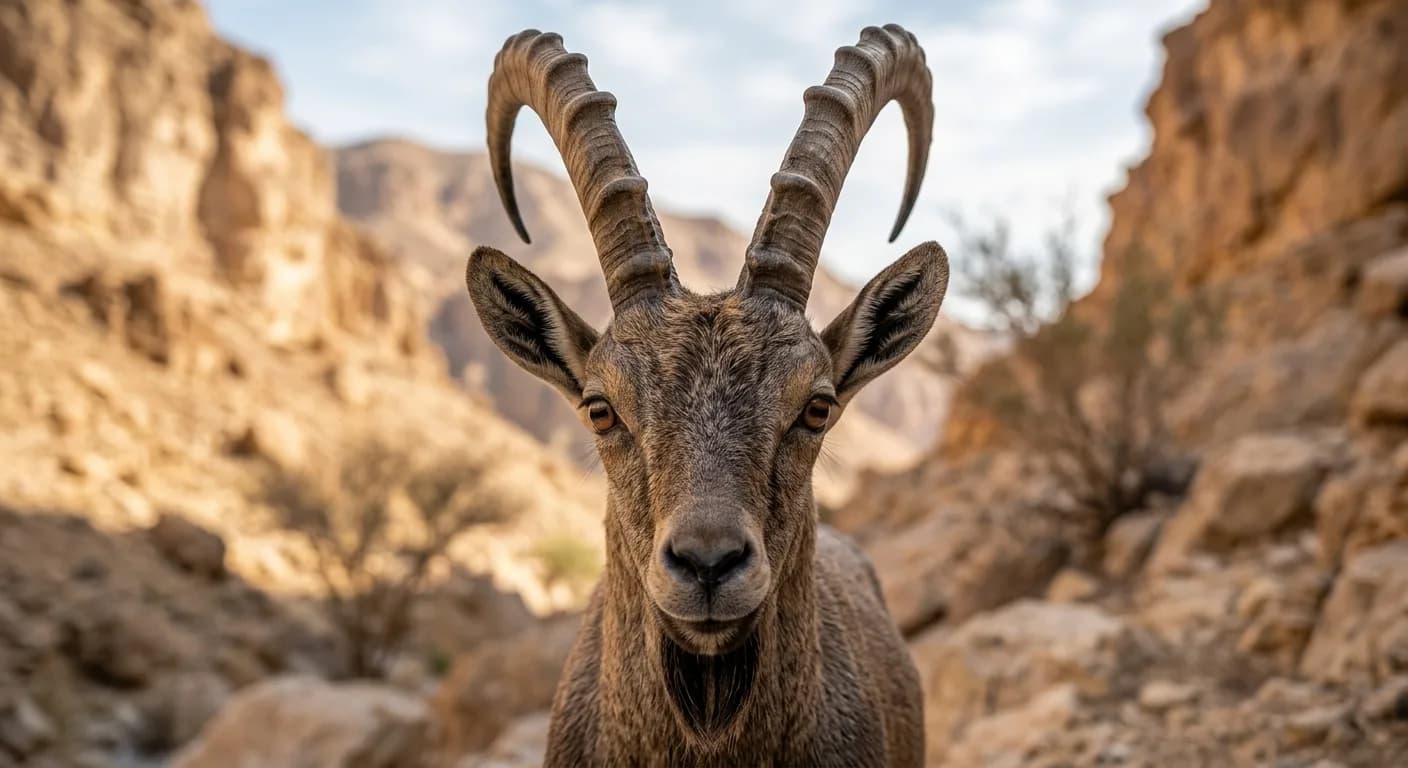
Nubian Ibex
Capra nubiana
Asia
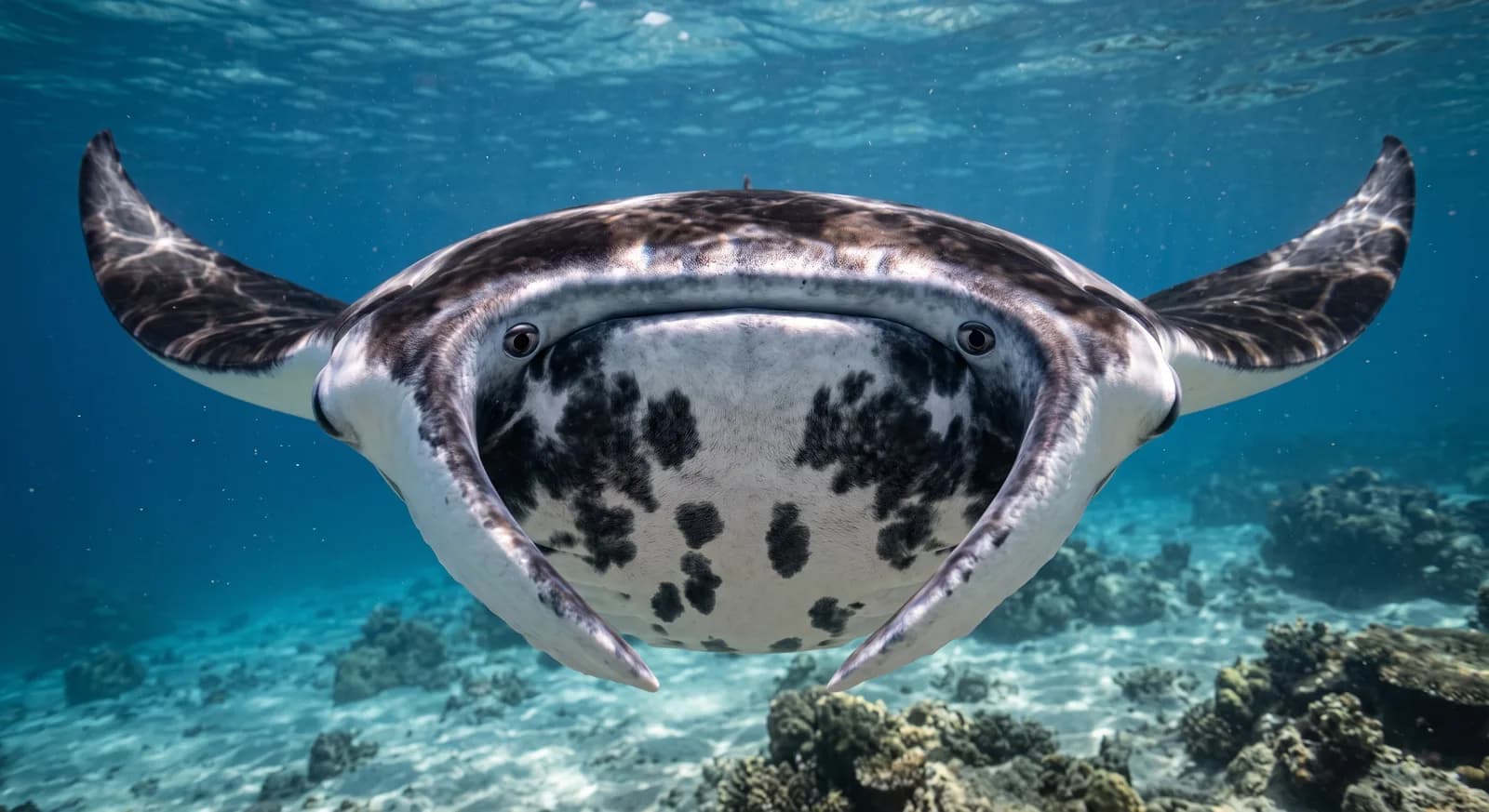
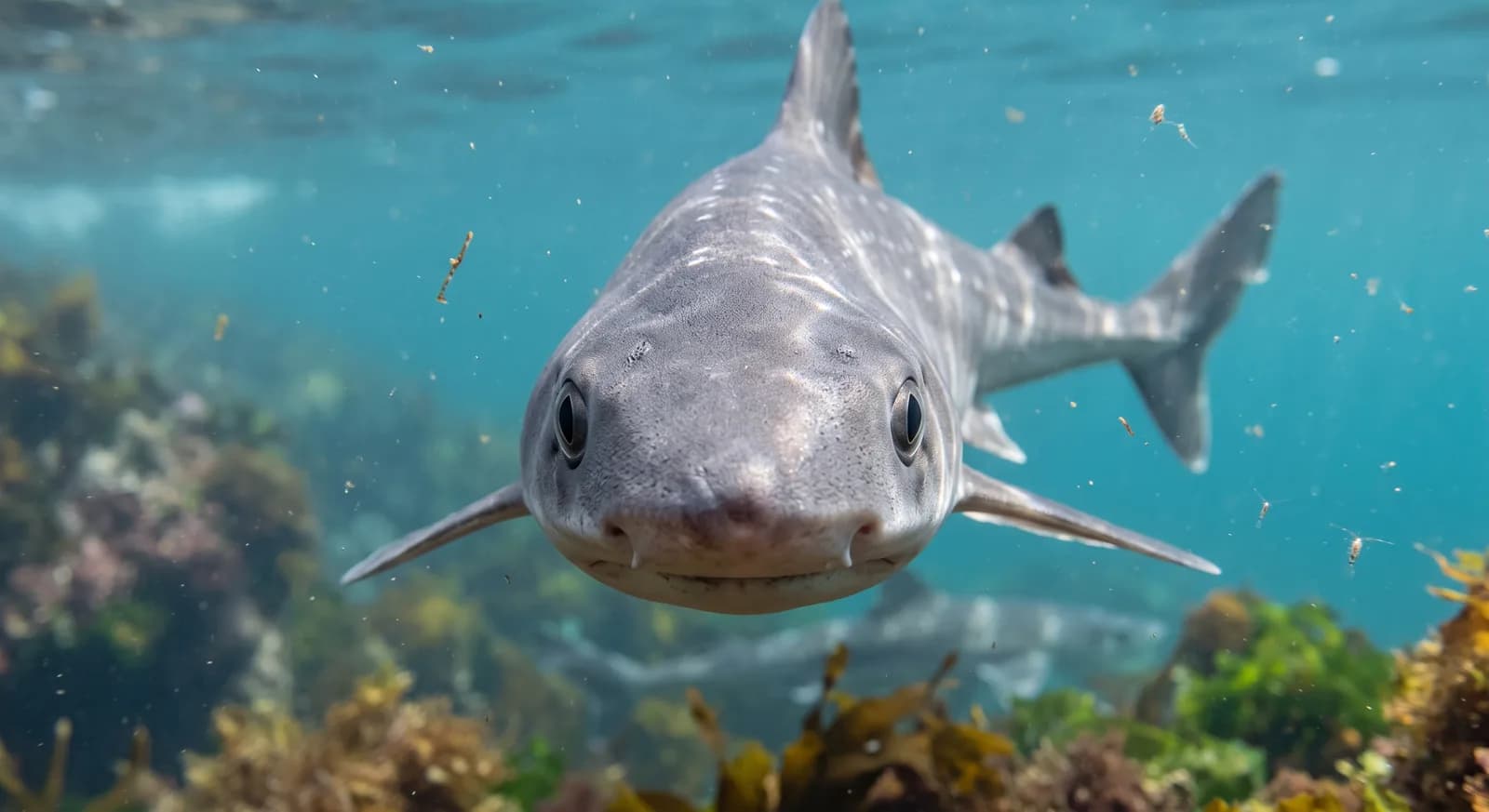
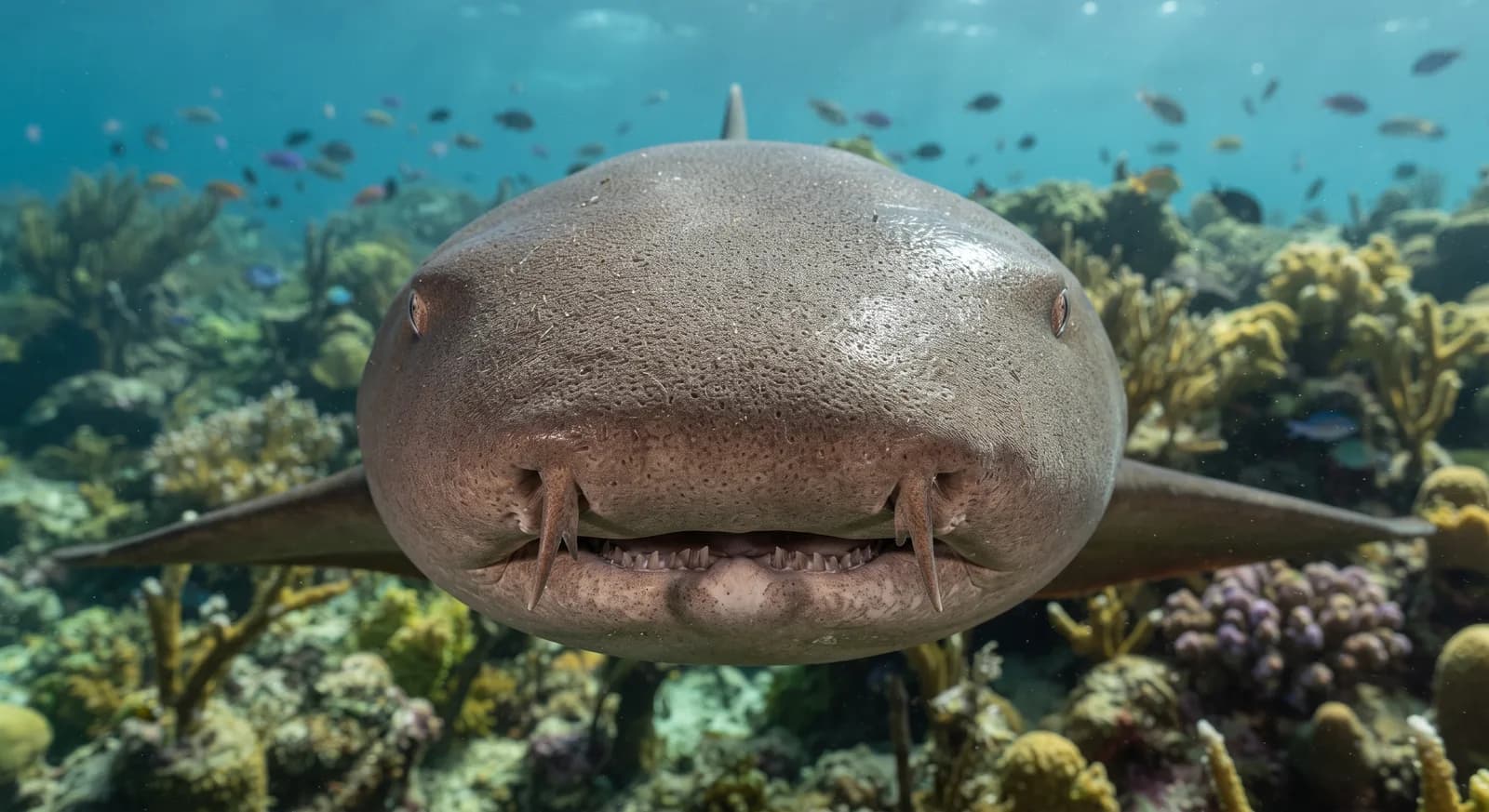
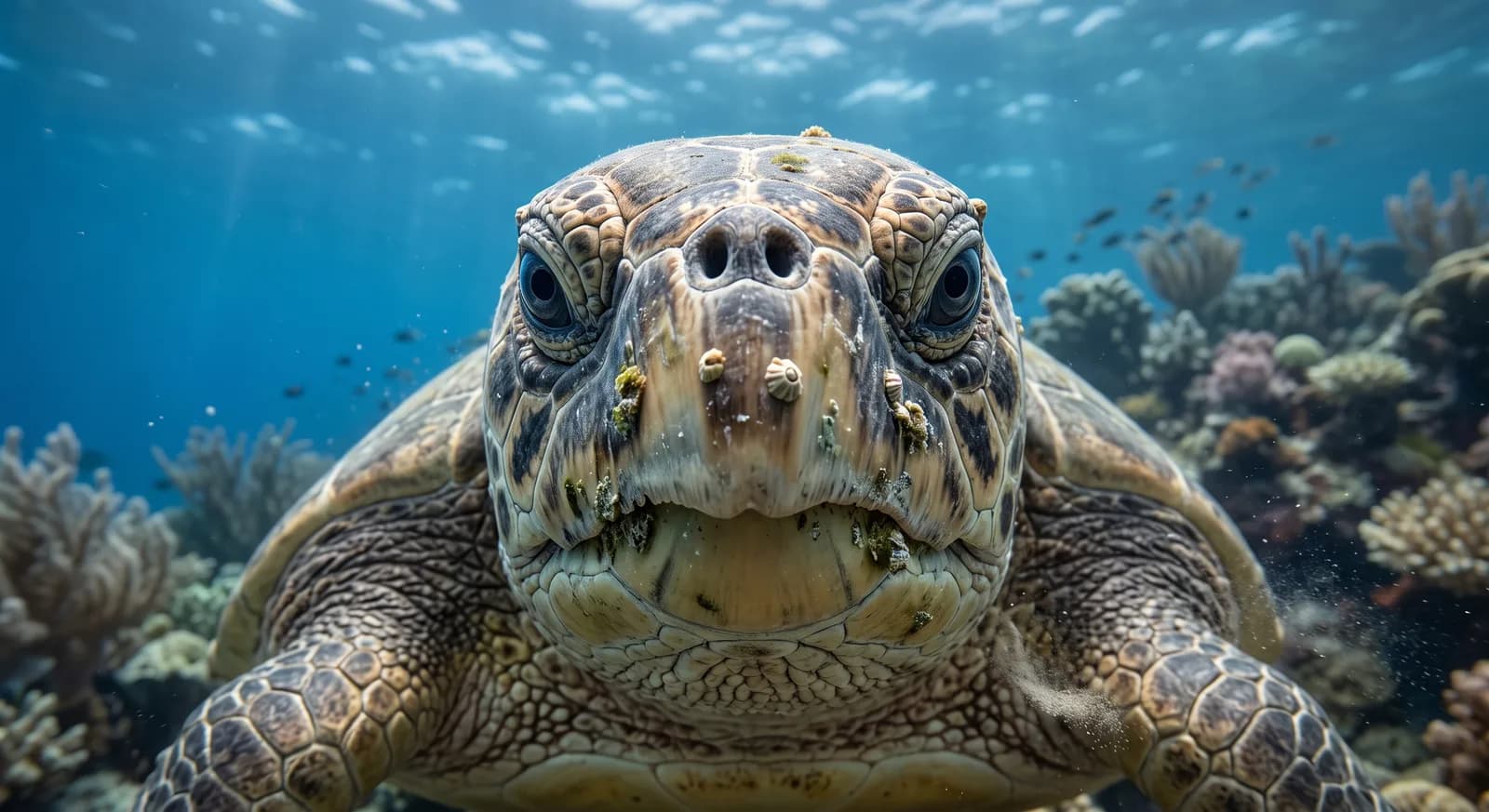
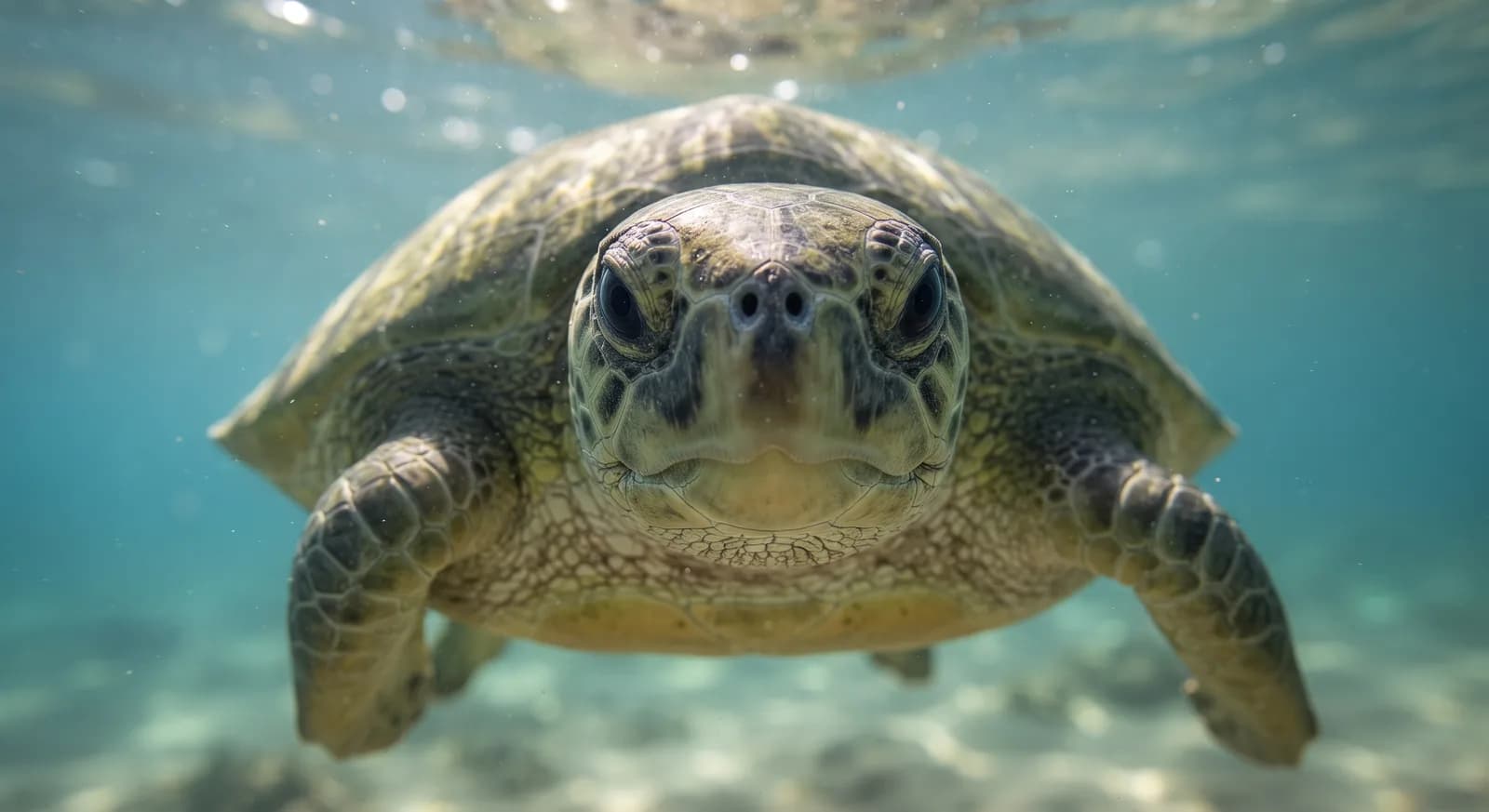
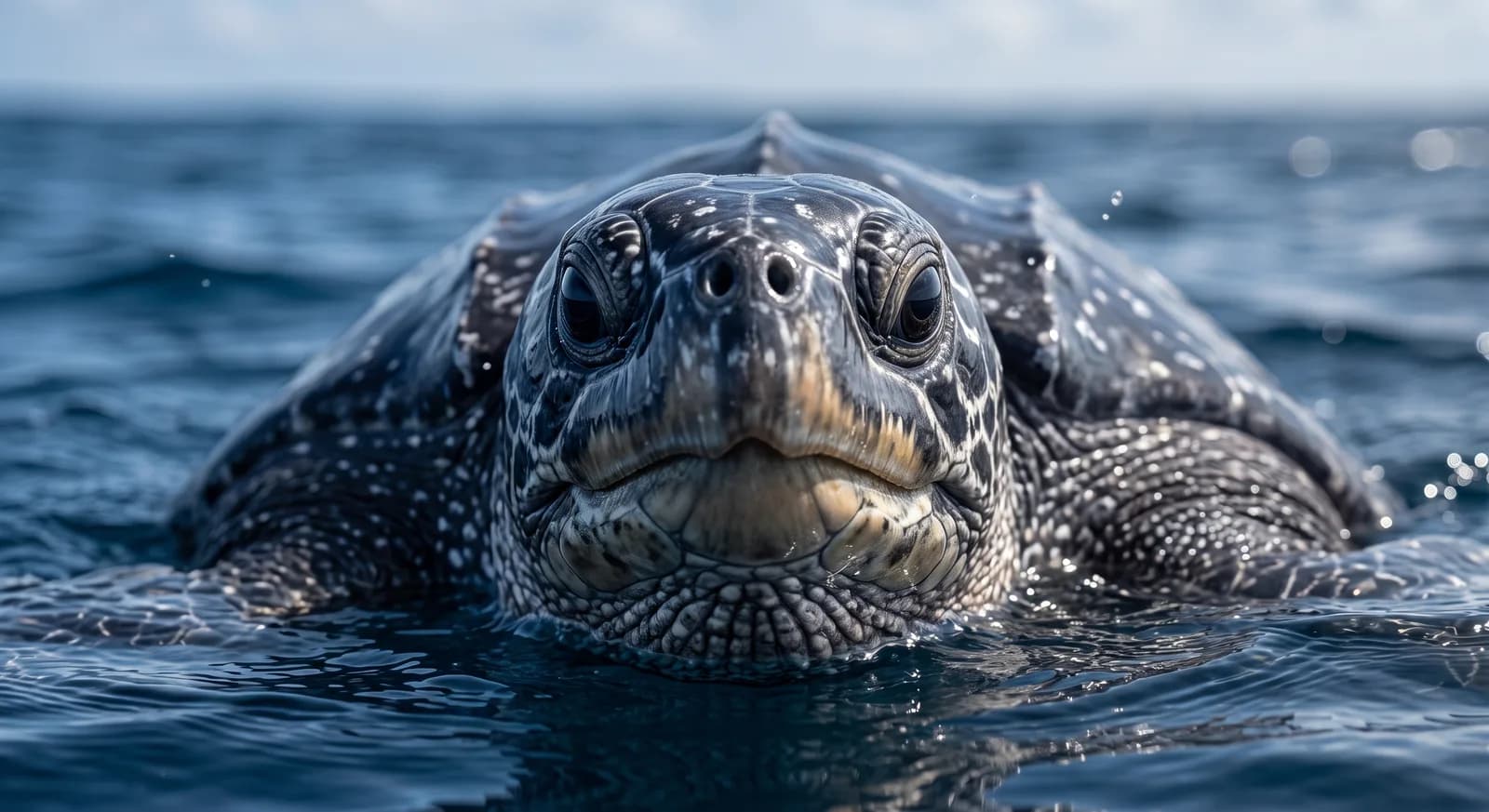
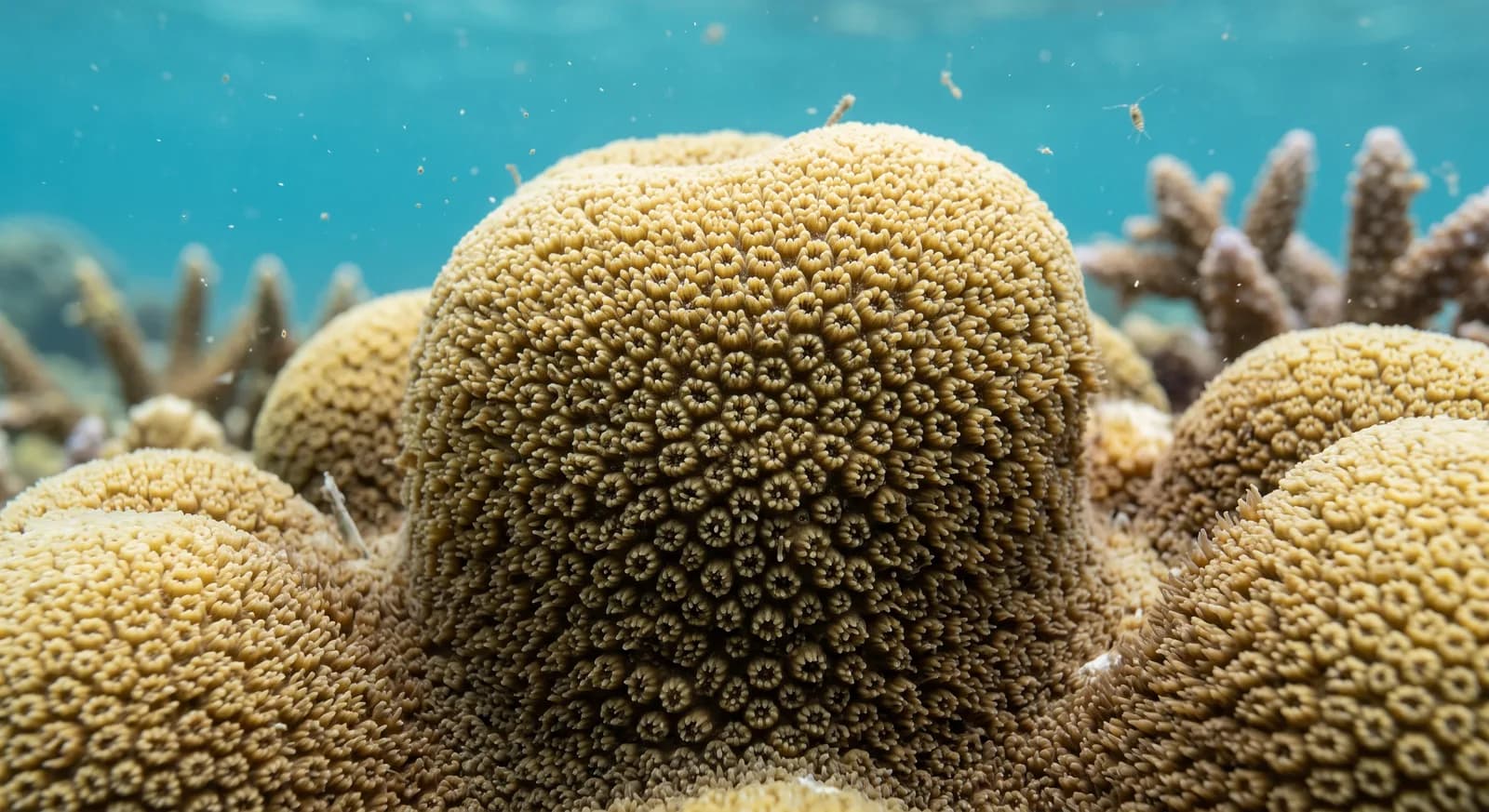
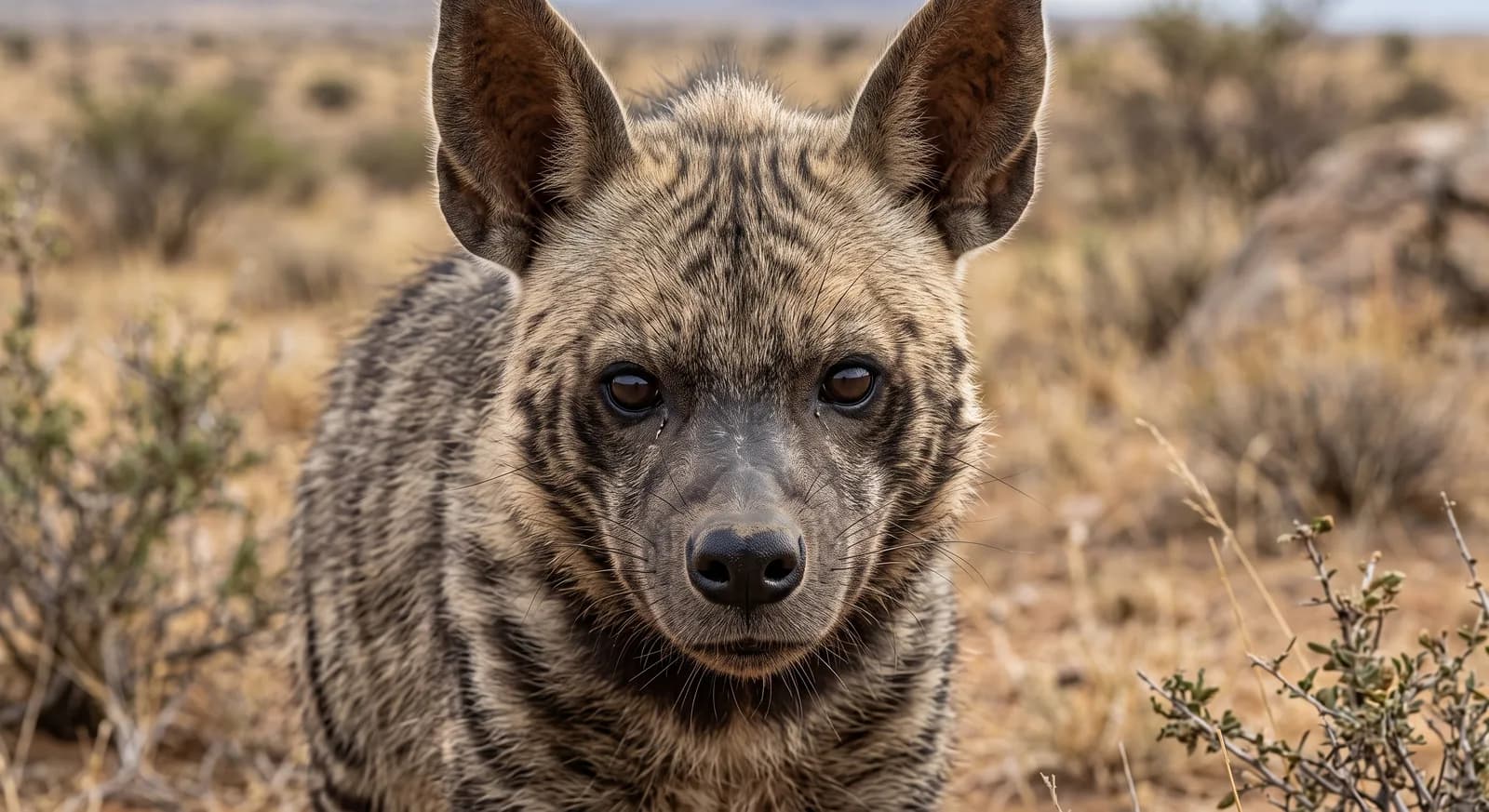
Saudi Arabia occupies most of the Arabian peninsula and contains the Rub al-Khali, the largest continuous sand desert in the world, a sea of dunes of more than half a million square kilometres and virtually uninhabited. To the west, the Asir escarpment rises above the Red Sea and captures enough moisture to sustain juniper and acacia woodland, farming terraces and a fauna of African affinity with hamadryas baboons, striped hyenas and birds from the Horn of Africa. The interior alternates hamadas, basalt lava fields and wadis that carry water only after storms. The Red Sea coast is one of the most extensive reef areas on the planet, with corals, dugongs, sharks and turtles, and the Farasan Islands protect seagrass meadows and gazelles of their own.
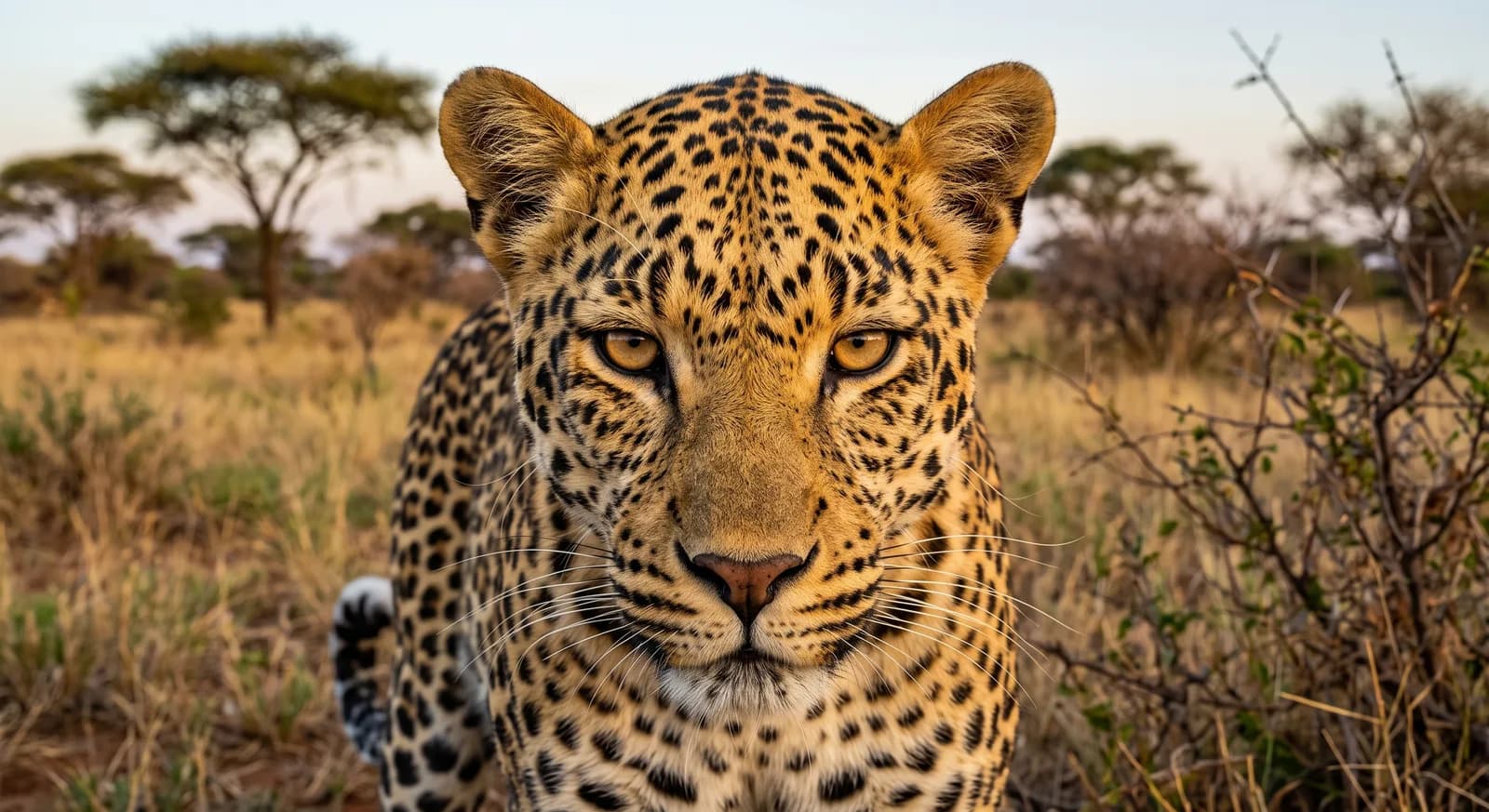
National animal: The dromedary is the traditional emblematic animal; the Arabian leopard has been adopted as a national conservation symbol
The Arabian leopard is the smallest leopard subspecies and one of the most endangered in the world: fewer than two hundred animals are thought to remain in the wild across the whole Arabian peninsula. Saudi Arabia has launched a captive breeding programme at AlUla with the aim of returning it to the mountains where it died out, and the country holds an international day devoted to the species.
Uruq Bani Ma'arid, on the edge of the Rub al-Khali, hosted the reintroduction of the Arabian oryx and of gazelles into their original habitat and has been a World Heritage Site since 2023. Hunting and the loss of vegetation to grazing are the historic pressures.
Asir between March and May for baboons and birds of African affinity. Farasan in winter for gazelles and seabirds. The Red Sea year-round for reefs and dugongs.
Where else might I want to travel?
Same region: Middle East and Western Asia
Same region: Middle East and Western Asia
Same region: Middle East and Western Asia
Same region: Middle East and Western Asia
208 species found
Based on what we already know about Saudi Arabia.