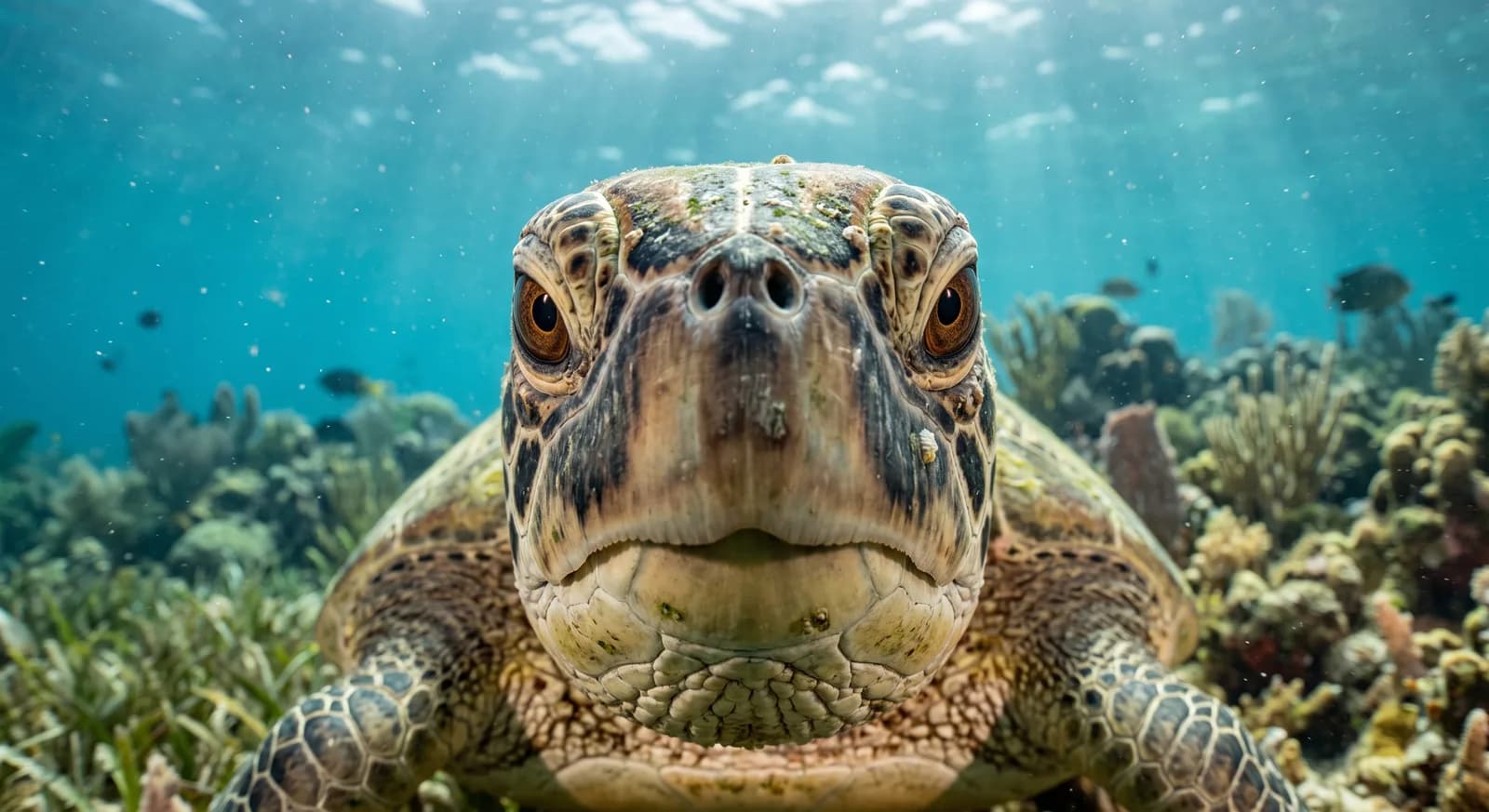
 Endangered
Green Turtle
Chelonia mydas
Africa
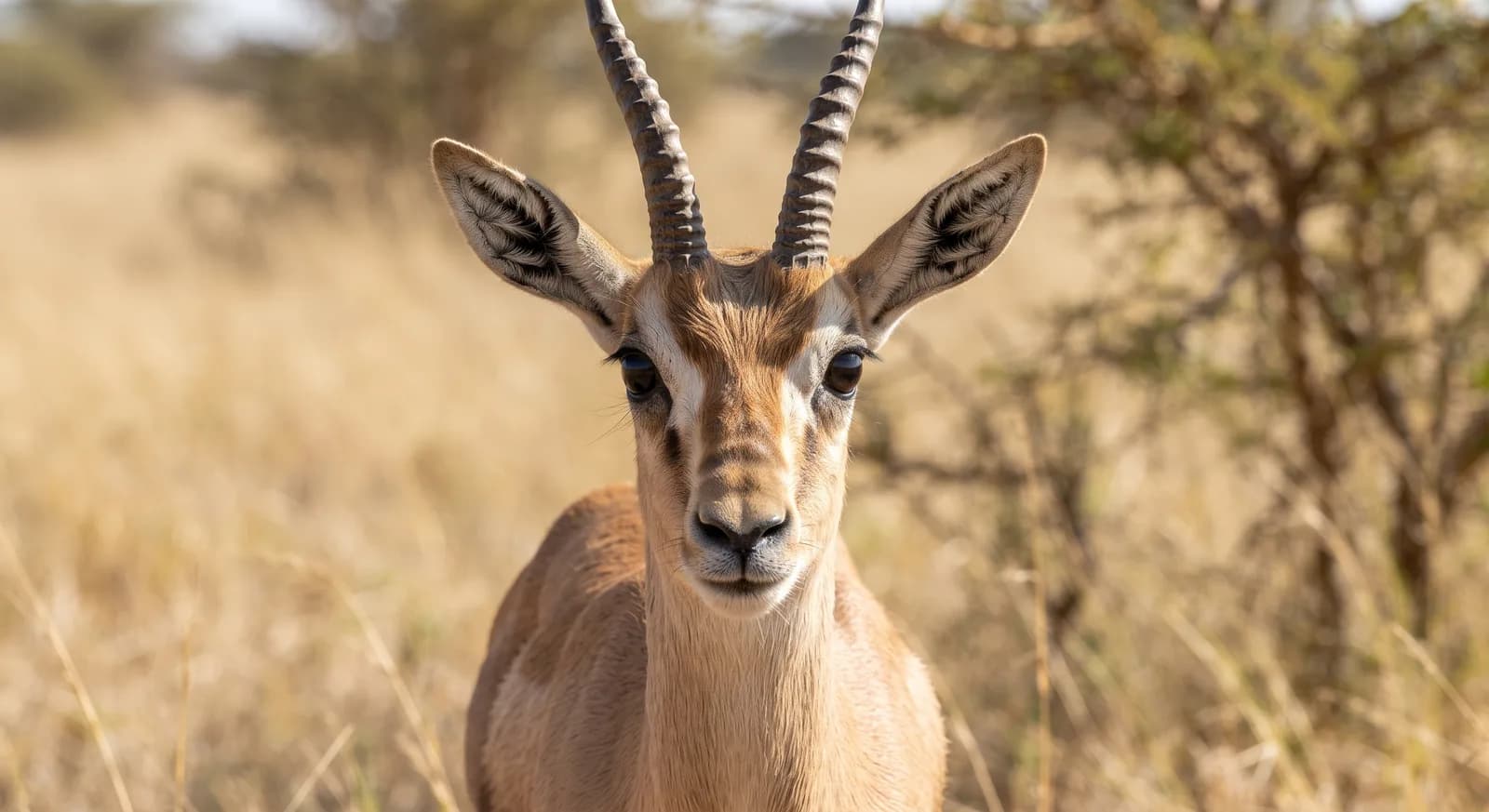
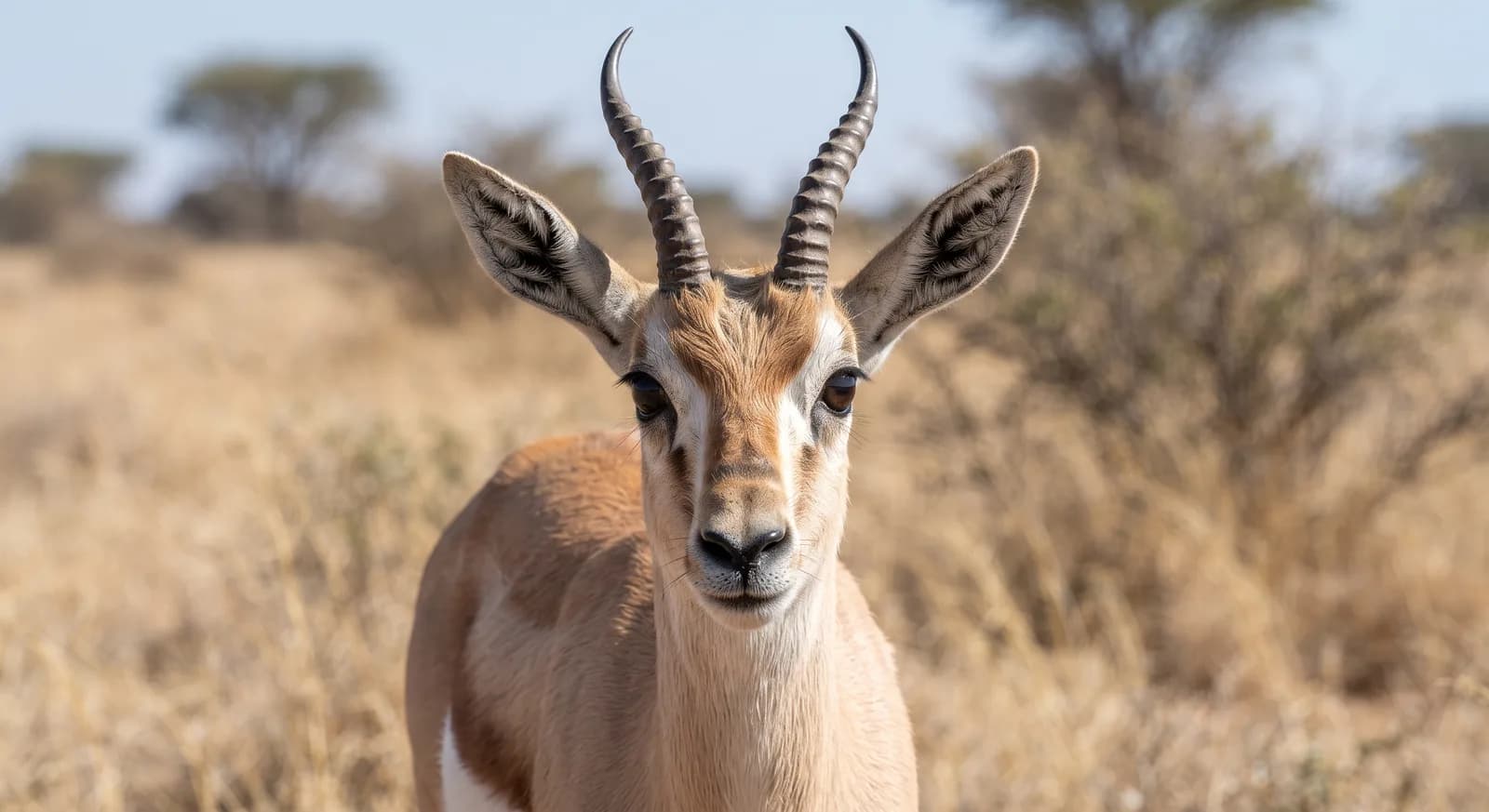
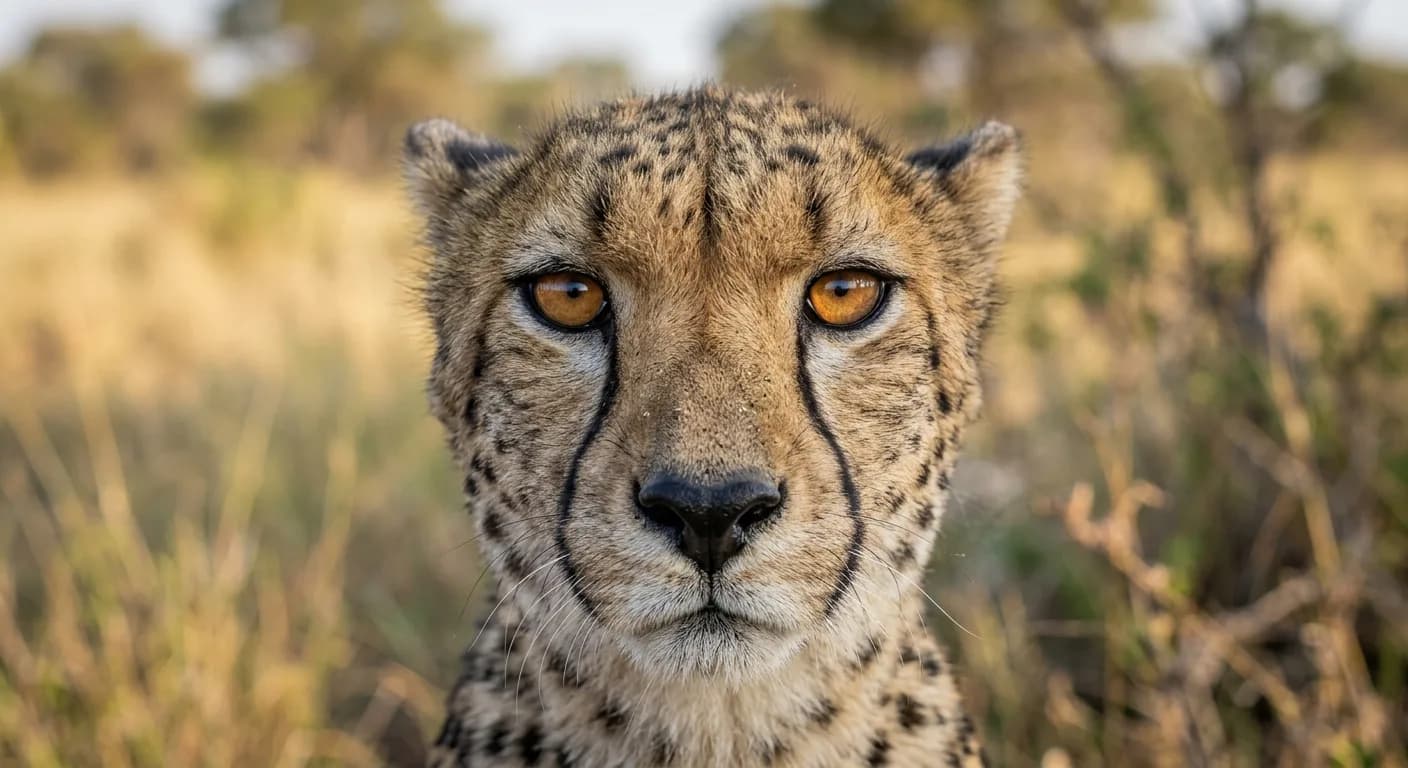
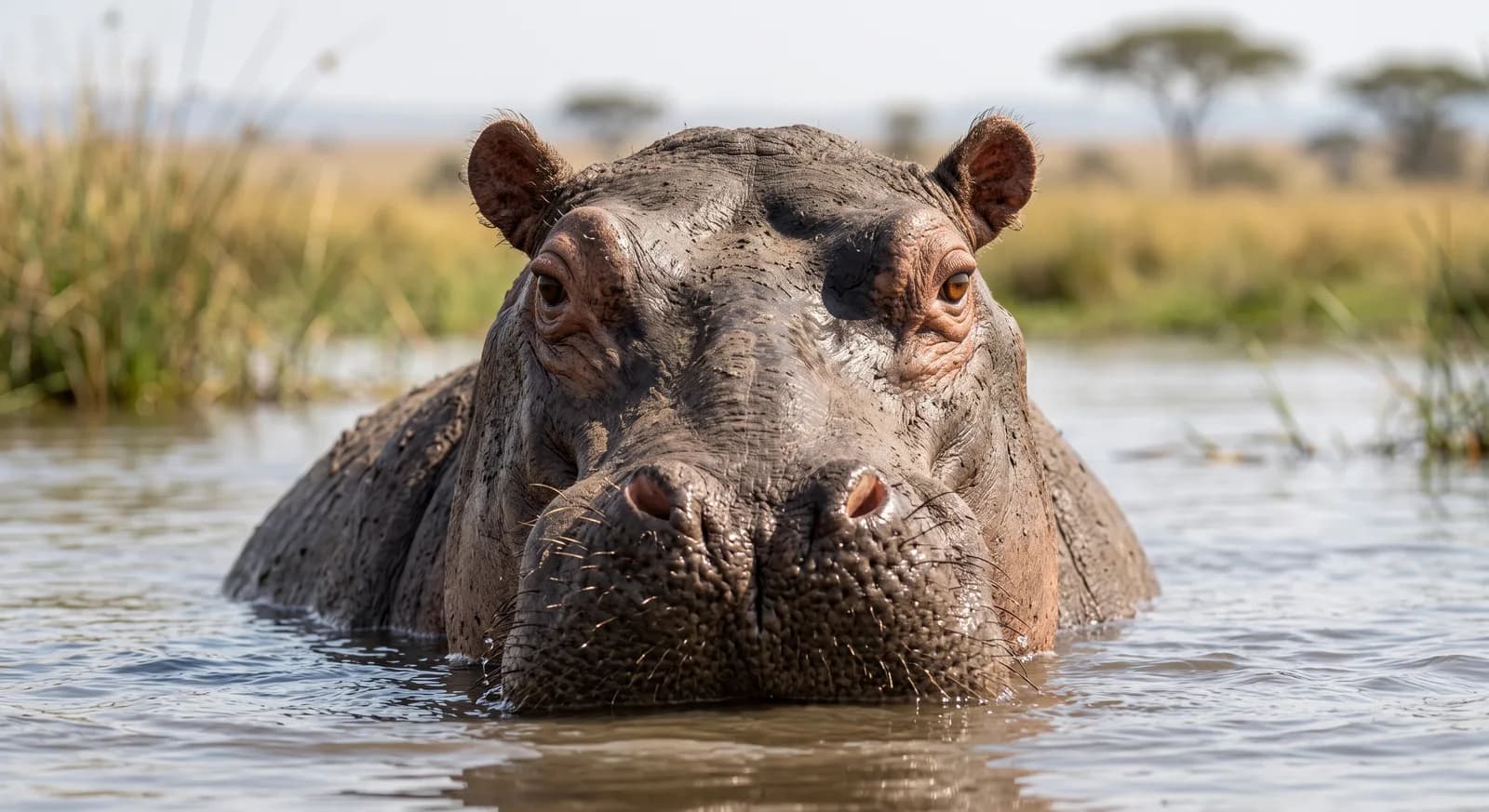
Sudan is organised around the Nile, which forms at Khartoum where the White and Blue Niles meet and crosses the Nubian desert tracing a green corridor through the aridity. To the north and west, Saharan sands and hamada dominate, broken by the volcanic Marra massif in Darfur, which holds enough moisture to support forests and crater lakes. To the southeast, the Dinder plains on the Ethiopian border form a savannah with seasonal pools called mayas where wildlife concentrates in the dry season. The country's natural jewel lies underwater: the Sudanese Red Sea coast keeps some of the most intact reefs in the whole sea, with atolls and shoals that have barely felt tourist pressure.
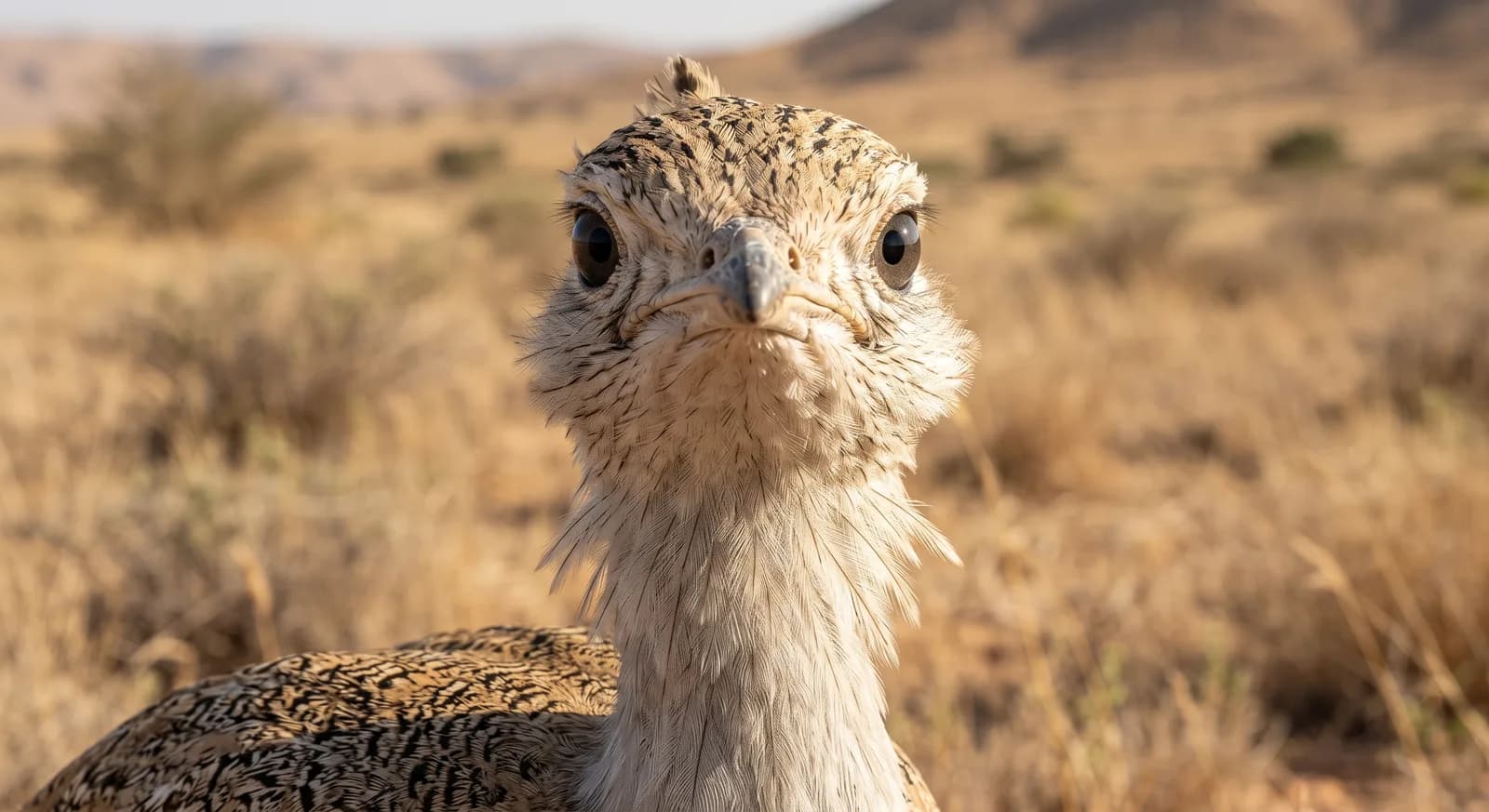
National animal: The secretarybird, the country's national bird
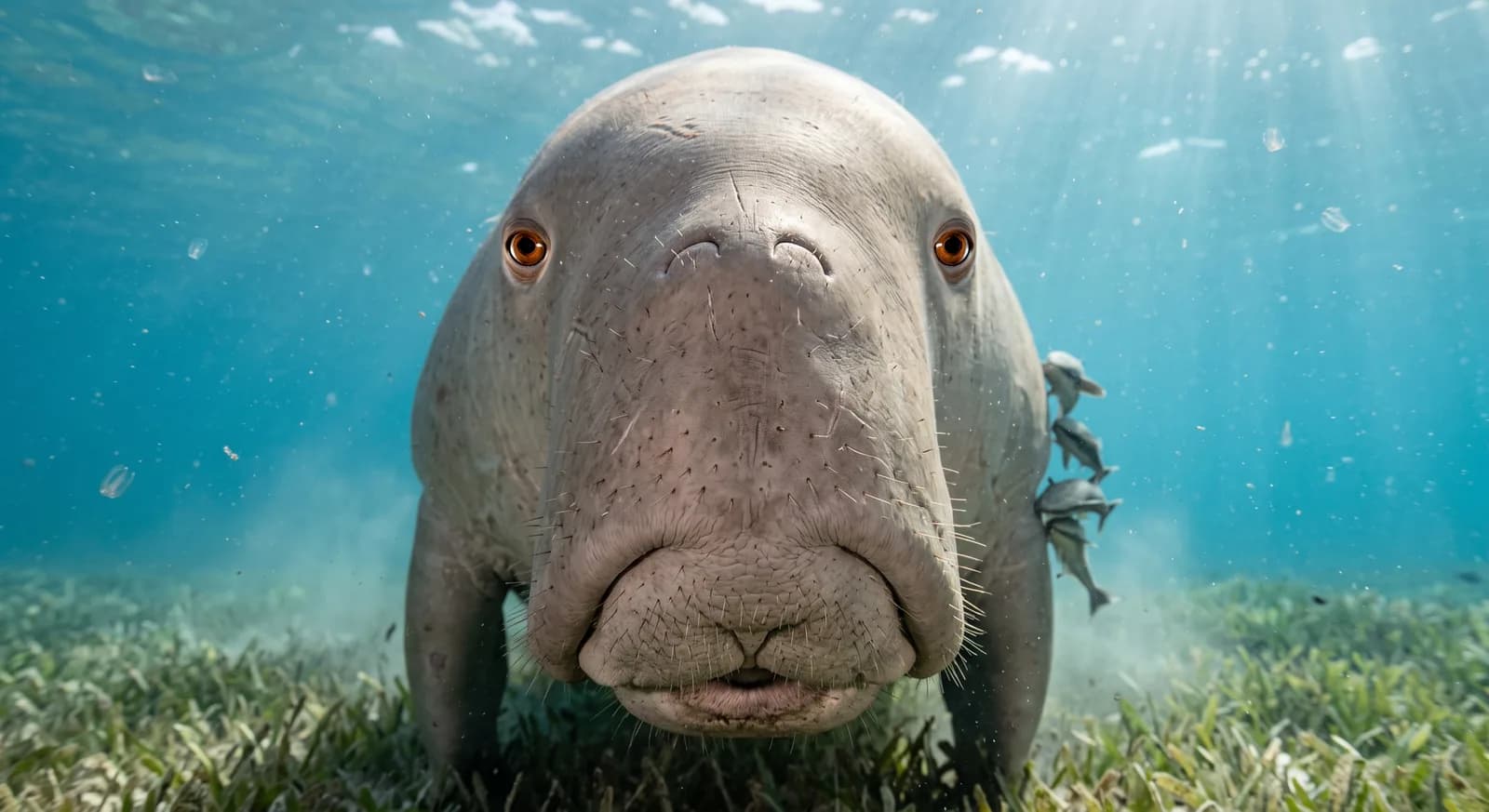
Dungonab Bay, on the Sudanese Red Sea, holds one of the largest dugong populations in the whole sea and a seasonal aggregation of manta rays that gather to filter plankton in shallow water. On another Sudanese reef, Sha'ab Rumi, in 1963, Jacques Cousteau installed the underwater village Précontinent II, where a team lived for weeks below the surface; part of its structures are still submerged and are now colonised by corals and fish.
Sanganeb and Dungonab are World Heritage Sites and are considered a refuge of corals resistant to warming. The savannah wildlife of the interior has suffered a severe decline through hunting and agricultural expansion.
The Red Sea reefs year-round, with the best visibility between October and May. Dinder between January and April, when wildlife concentrates at the mayas. Dungonab in spring for mantas and dugongs.
321 species found
Based on what we already know about Sudan.