Cartilaginous fish · Myliobatiformes · Myliobatidae
Eagle Ray
Myliobatis aquila
It faces an extremely high risk of imminent extinction in the wild. See full glossary
Weight
up to 14.5 kg
Size
up to 1.8 m
Diet
Carnivore
Feeds mainly on other animals.
Social structure
Colony
Lives in large concentrations, often for breeding reasons.
Sighting difficulty
Very hard
Fun facts
- alimentaciónIt feeds mainly on buried molluscs and crustaceans, which it locates by electroreception and crushes on specialised tooth plates.
- It has seven rows of plate-like teeth in each jaw, adapted to crushing bottom-living molluscs and crustaceans.
- It is matrotrophically viviparous: the mother actively nourishes the embryos during gestation.
- In Sicily, the discovery of an aggregation site in the Egadi marine protected area has boosted dive tourism.
- It accumulates more arsenic in its tissues than the pelagic rays do.
- Its taxonomic position is unclear: the Mediterranean populations may be a different species from those of the south-eastern Atlantic.
Life cycle & biology
- Skeleton type
- Vertebrate - cartilaginous skeleton (chondrichthyan fish)
- Habitat & environment
- Shallow coastal waters and continental shelf of the eastern Atlantic, the Mediterranean and the western Indian Ocean, from the surface to about 300 m; it often swims in groups
- Sexual maturity
- Males at around 32-40 cm disc width and females at around 43-60 cm
- Gestation / incubation
- From 6 to 8 months
- Litter / clutch size
- From 3 to 7 pups per litter, about 19 cm in disc width at birth
Sources consulted: https://es.wikipedia.org/wiki/Myliobatis_aquila
Where to find it
See its range on the interactive mapRelated species
Other species in the catalogue with the most in common with Eagle Ray — same habitat, park, country, tags or family.
Spotted Eagle Ray
Aetobatus narinari
African Penguin
Spheniscus demersus
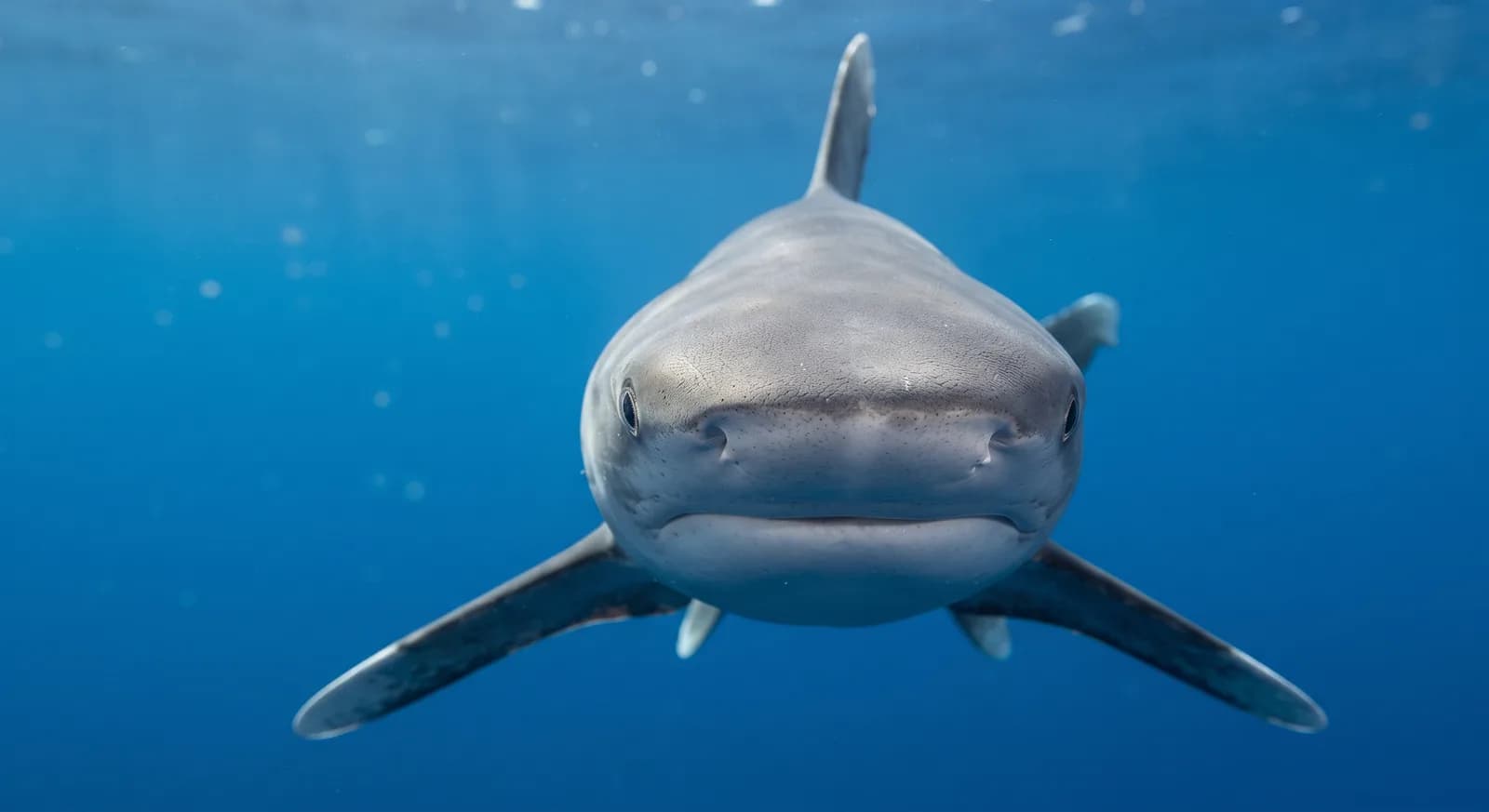
Scalloped Hammerhead
Sphyrna lewini
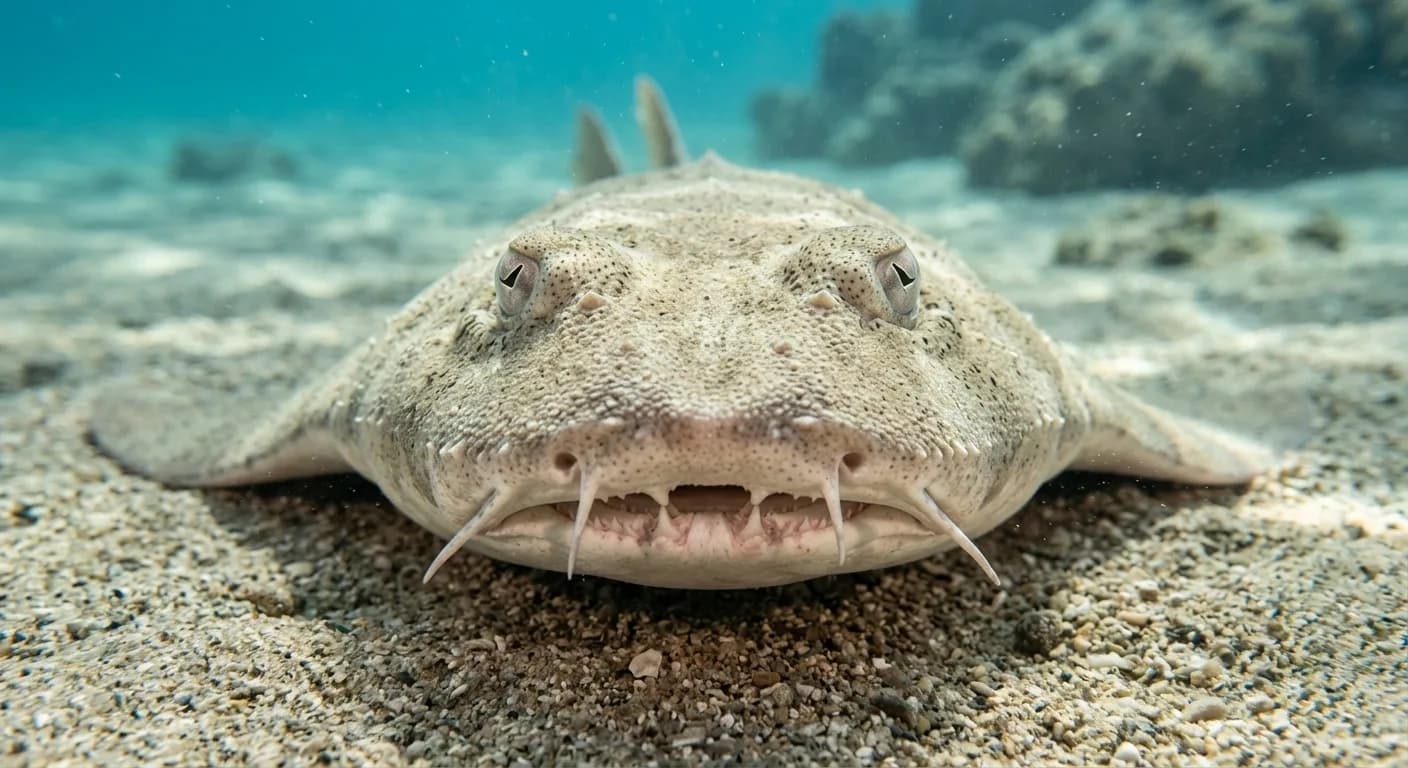 Critically Endangered
Angelshark
Squatina squatina
Blue Skate
Dipturus batis
How to help
The eagle ray is classified as critically endangered. Organizations such as UICN, WWF y Wildlife Conservation Society work specifically on its conservation and that of its habitat; looking into their programs is a good starting point if you want to get involved.
Keep exploring
Based on what we already know about eagle ray.
Comments
Share an experience, a fun fact or a tip for seeing the eagle ray.
Be the first to comment.