Birds · Passeriformes · Turdidae
Eastern Bluebird
Sialia sialis
The species is abundant and widely distributed; it faces no significant short-term risk. See full glossary
The eastern bluebird is an intensely blue-backed bird with an orange breast, much loved in the United States. Its population collapsed in the mid-twentieth century because of competition with introduced starlings and sparrows and the loss of dead trees with holes. The mass installation of nest boxes by volunteers has reversed that decline completely.
Weight
27 g – 34 g
Size
16 cm – 21 cm
Lifespan
10 years
Diet
Insectivore
Feeds mainly on insects and other invertebrates.
Activity
Diurnal
Active mainly during the day.
Social structure
In pairs
Usually lives in pairs, sometimes for life.
Sighting difficulty
Easy
Fun facts
- GeneralIts recovery in North America was achieved by putting up millions of nest boxes.
- Its recovery is down to ordinary citizens: from the 1970s onwards thousands of volunteers put up nest-box trails across the eastern United States, and today there are tens of thousands of boxes maintained by private individuals. The population has multiplied since then.
- Its blue is not pigment: it comes from the microscopic structure of the feathers, and a crushed feather turns greyish brown.
- It is the state bird of New York and Missouri, and a popular symbol of happiness in American culture since the early twentieth century.
Life cycle & biology
- Skeleton type
- Vertebrate - internal bony skeleton (bird)
- Habitat & environment
- Open fields with scattered trees and field margins
- Sexual maturity
- 10.1 months
- Gestation / incubation
- 14 days
- Litter / clutch size
- 4
Sources consulted: https://es.wikipedia.org/wiki/Sialia_sialis
Where to find it
See its range on the interactive mapWhere to watch it
Parques y spots de buceo donde se ha documentado esta especie — se muestran 10 de 23 documentados.
Related species
Other species in the catalogue with the most in common with Eastern Bluebird — same habitat, park, country, tags or family.
American Robin
Turdus migratorius
 Least Concern
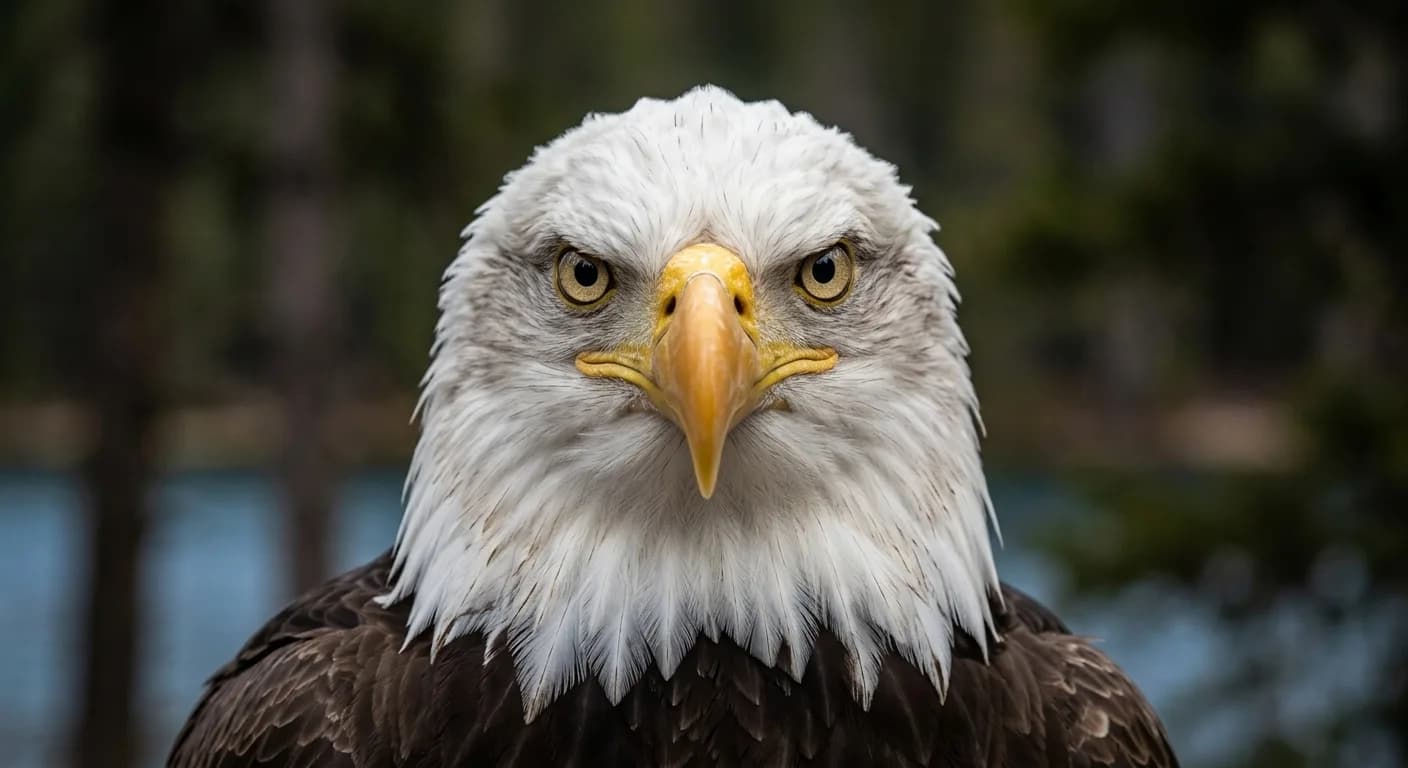
Bald Eagle
Haliaeetus leucocephalus
Wood Duck
Aix sponsa
Mourning Dove
Zenaida macroura
Smooth-billed Ani
Crotophaga ani
Common Nighthawk
Chordeiles minor
Keep exploring
Based on what we already know about eastern bluebird.
Comments
Share an experience, a fun fact or a tip for seeing the eastern bluebird.
Be the first to comment.