Mammals · Carnivora · Mustelidae
Tayra
Eira barbara
The species is abundant and widely distributed; it faces no significant short-term risk. See full glossary
Unlike most mustelids it is active by day and can breed all year round, with no fixed season. Indigenous communities have tamed it informally to keep rodents down.
Weight
2.7 kg – 7 kg
Size
56 cm – 71 cm
Lifespan
10 years
Diet
Omnivore
Combines animal and plant food depending on availability.
Activity
Diurnal
Active mainly during the day.
Social structure
Solitary
Lives and hunts alone, joining others only to breed.
Sighting difficulty
Easy
Fun facts
- alimentaciónIt is a South American tree-dwelling mustelid that eats both small vertebrates and ripe fruit, and has been seen burying plantains to ferment before eating them.
Life cycle & biology
- Skeleton type
- Vertebrate - internal bony skeleton (mammal)
- Habitat & environment
- Tropical forest of Central and South America, from Mexico to northern Argentina
- Birth weight
- 74 - 92 grams
- Size at birth
- Blind at birth, its eyes opening between 35 and 58 days
- Sexual maturity
- Male: ~6 months | Female: ~1.9 years
- Gestation / incubation
- 63-70 days
- Litter / clutch size
- 1 to 3 young per litter
- Lifespan in captivity
- Documented record of up to 22.3 years in captivity
Sources consulted: AnAge; Bright's Zoo; Animal Diversity Web; Dimensions.com; AnimalHub; Genuine Mustelids; PMC
Where to find it
See its range on the interactive mapBest time: All year round in neotropical forests, by day; it is often seen crossing forest tracks or moving through the branches in family groups.
Related species
Other species in the catalogue with the most in common with Tayra — same habitat, park, country, tags or family.
Greater Grison
Galictis vittata
 Near Threatened
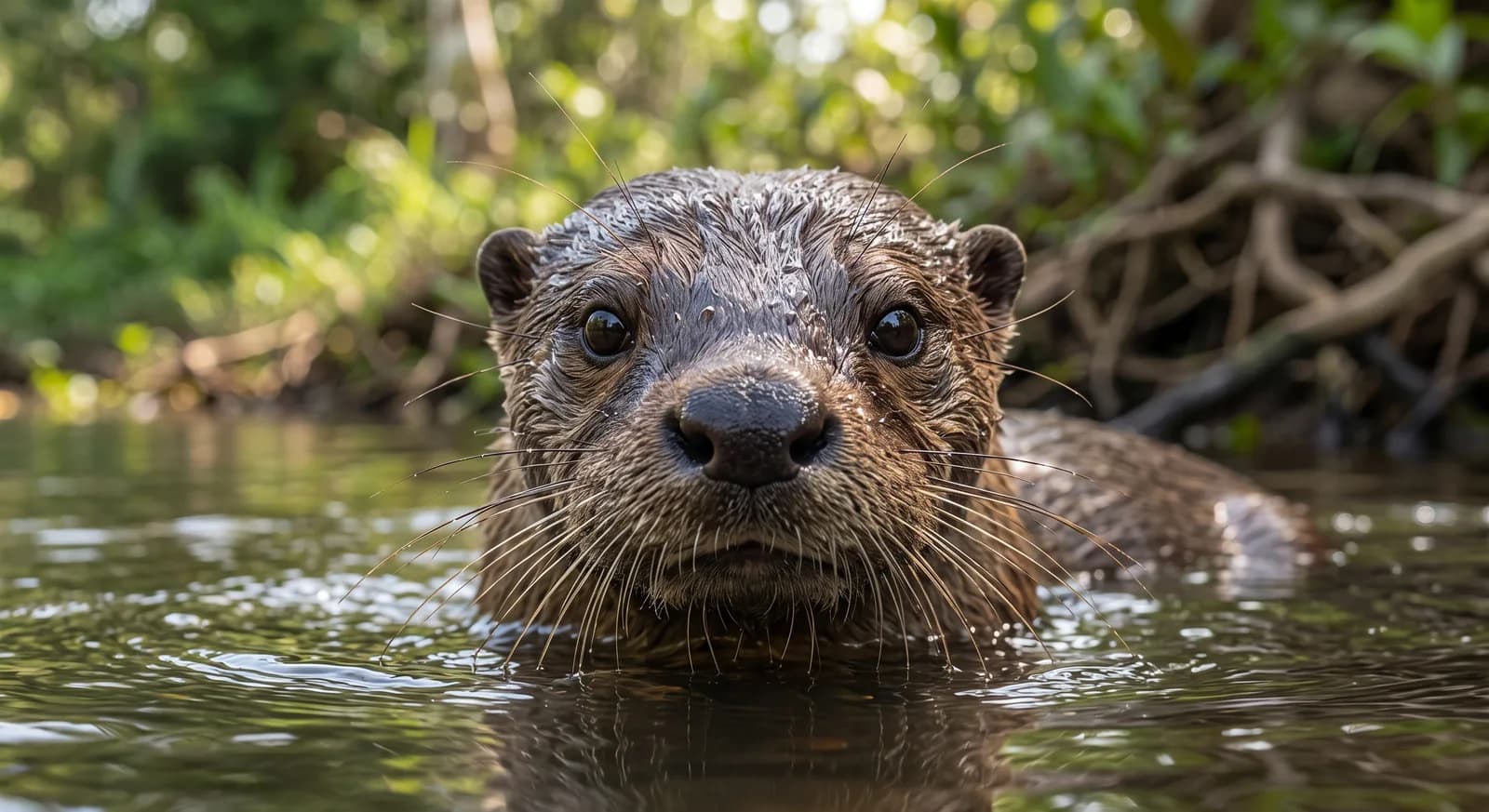
Neotropical Otter
Lontra longicaudis
 Least Concern
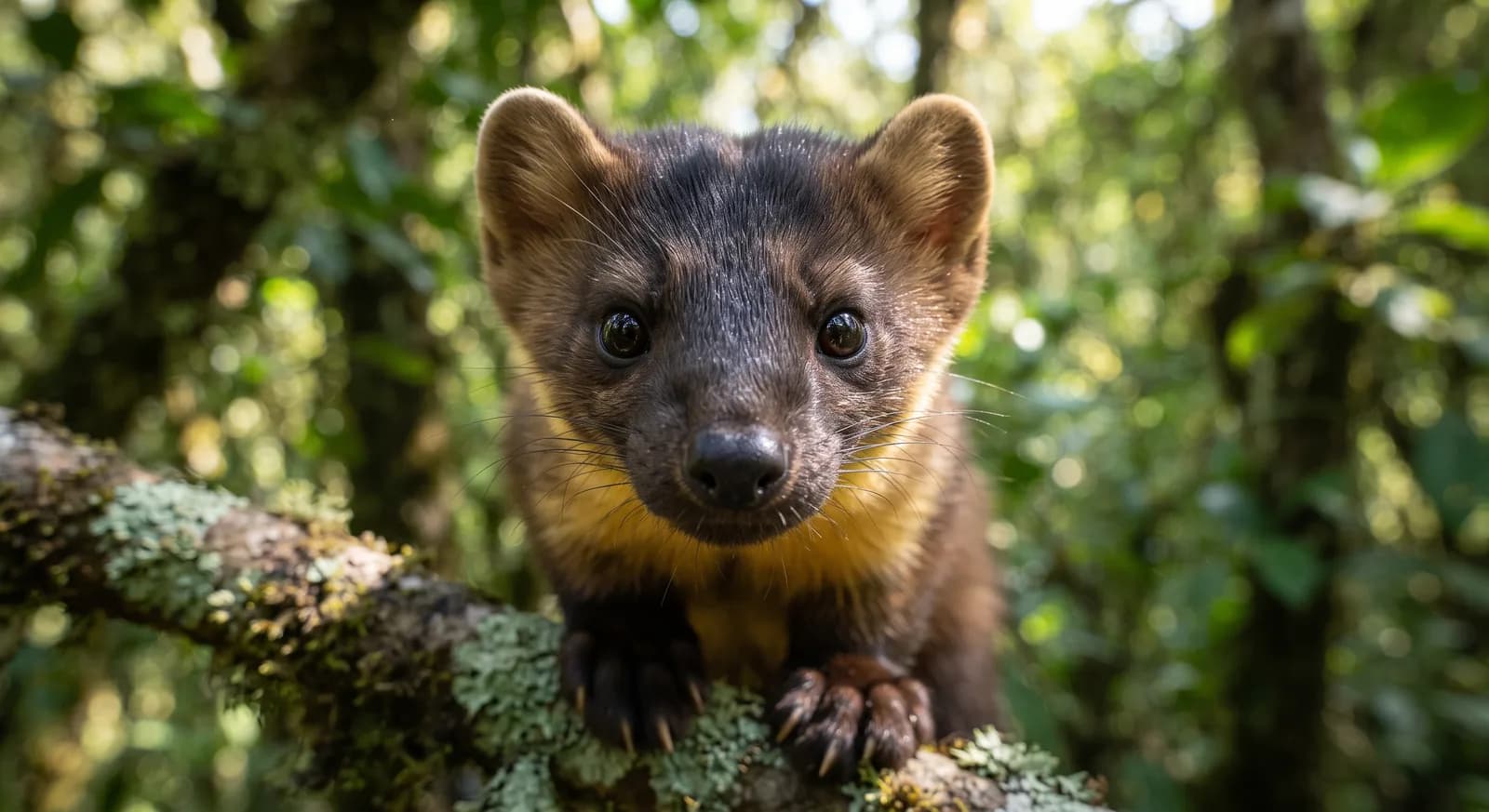
Yellow-throated Marten
Martes flavigula
 Least Concern
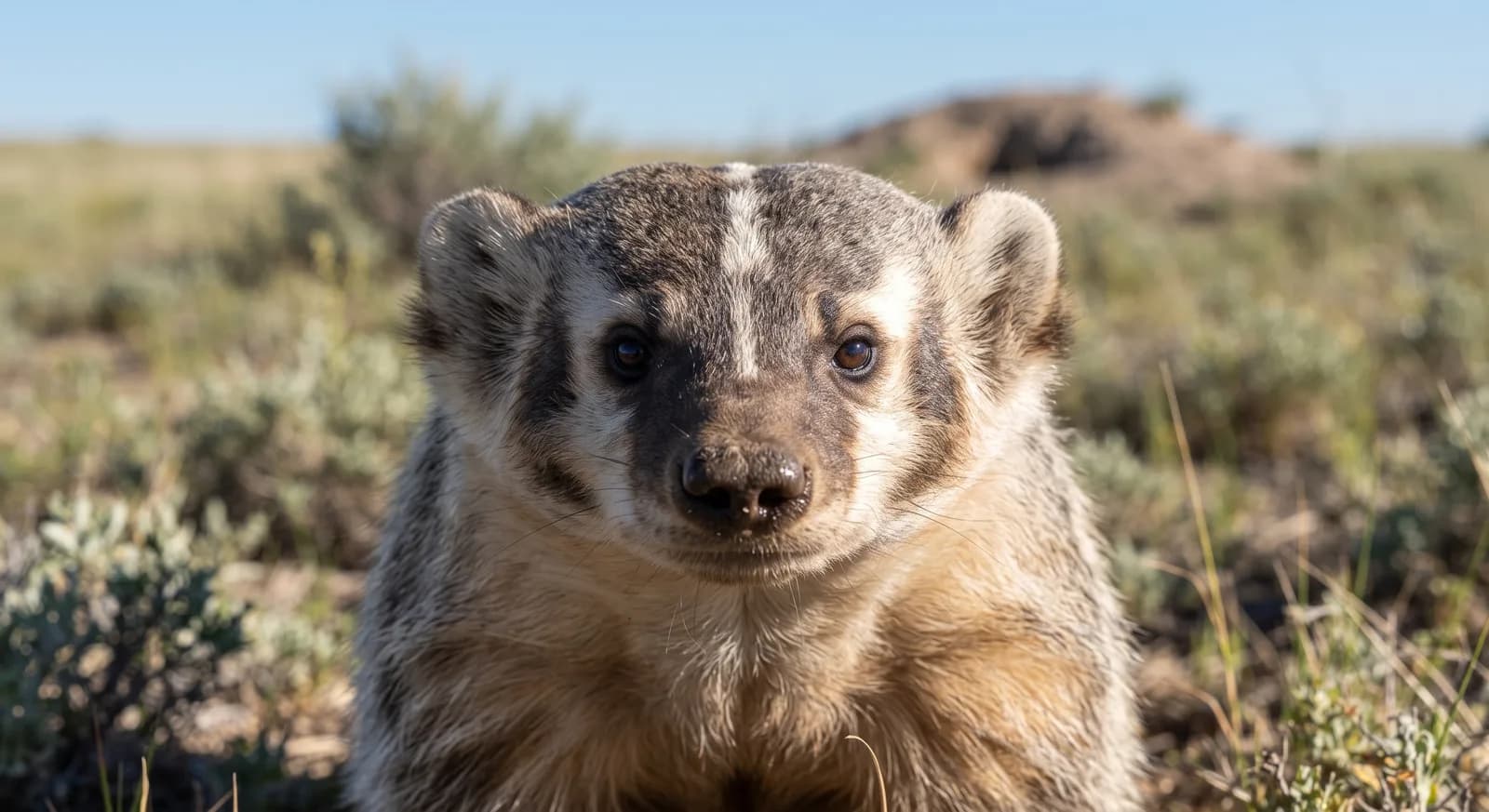
American Badger
Taxidea taxus
American Mink
Neovison vison
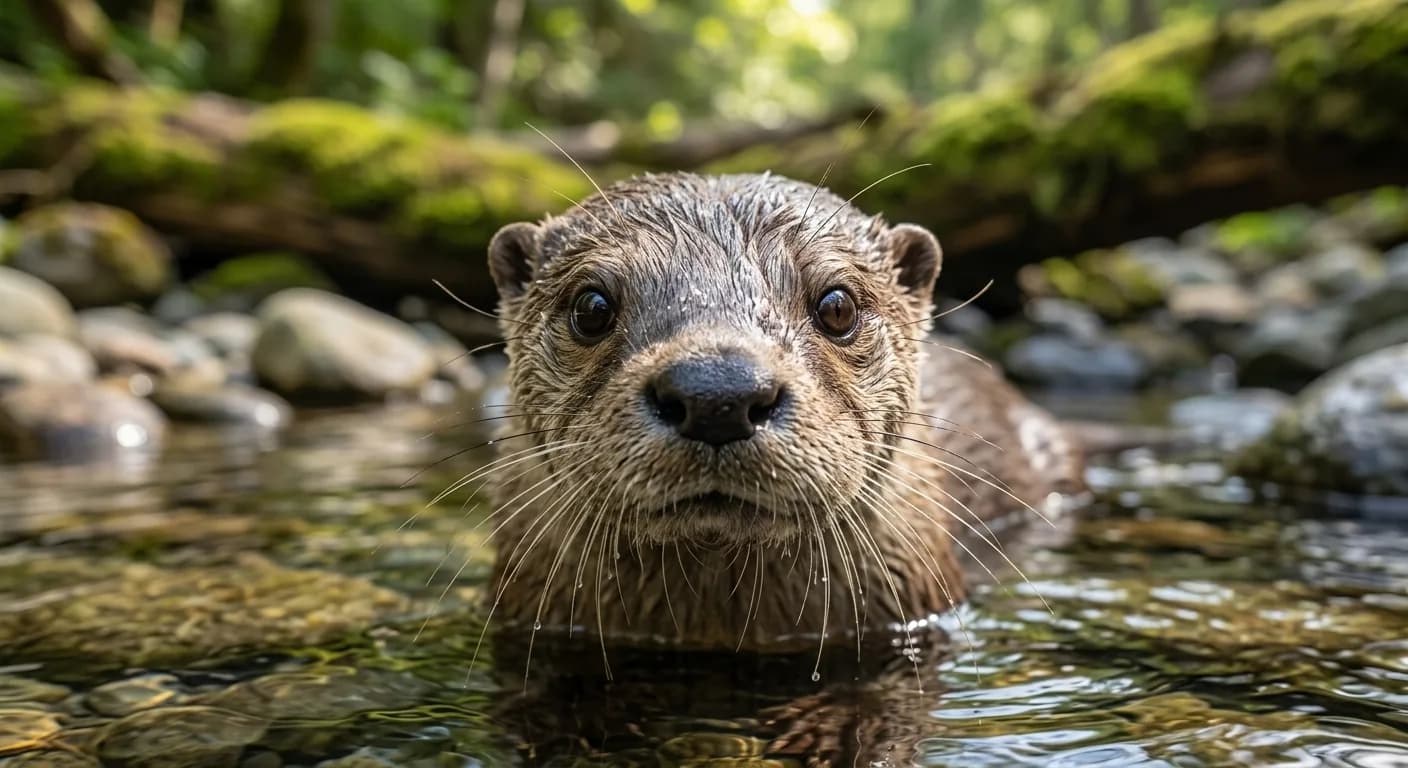 Least Concern
North American River Otter
Lontra canadensis
Keep exploring
Based on what we already know about tayra.
Comments
Share an experience, a fun fact or a tip for seeing the tayra.
Be the first to comment.