Gastropods · Neogastropoda · Nassariidae
Netted Dog Whelk
Nassarius reticulatus
It has not yet been assessed against the IUCN criteria. See full glossary
A small scavenging snail with a shell engraved in a lattice, which spends its time buried in the sand with only its siphon showing. When it detects the smell of a dead animal it emerges and moves rapidly towards it, sometimes in groups of dozens. Its current scientific name is Tritia reticulata.
Size
2 cm – 3.5 cm
Diet
Carnivore
Feeds mainly on other animals.
Social structure
Colony
Lives in large concentrations, often for breeding reasons.
Sighting difficulty
Unknown
Fun facts
- It detects carrion several metres away thanks to its siphon, which works as a steerable smelling tube.
- It is one of the species in which imposex was documented — the masculinisation of females caused by tributyltin antifouling paint on ships' hulls.
- It is a specialised scavenger. It buries itself in the sand leaving only its siphon out, and when it smells a dead animal it emerges en masse: within seconds there can be dozens of them on the carcass.
- It has been widely used as a bioindicator of tributyltin pollution, because it develops imposex just as the common whelk does.
- Its shell, with a lattice of crossing spiral and axial cords, gives it the name netted dog whelk.
Life cycle & biology
- Habitat & environment
- Intertidal and shallow sandy and muddy bottoms
Sources consulted: Linneo (1758); Barroso et al. (2002); Marine Life Information Network
Where to find it
See its range on the interactive mapRelated species
Other species in the catalogue with the most in common with Netted Dog Whelk — same habitat, park, country, tags or family.
Common Whelk
Buccinum undatum
Great Black-backed Gull
Larus marinus
Razorbill
Alca torda
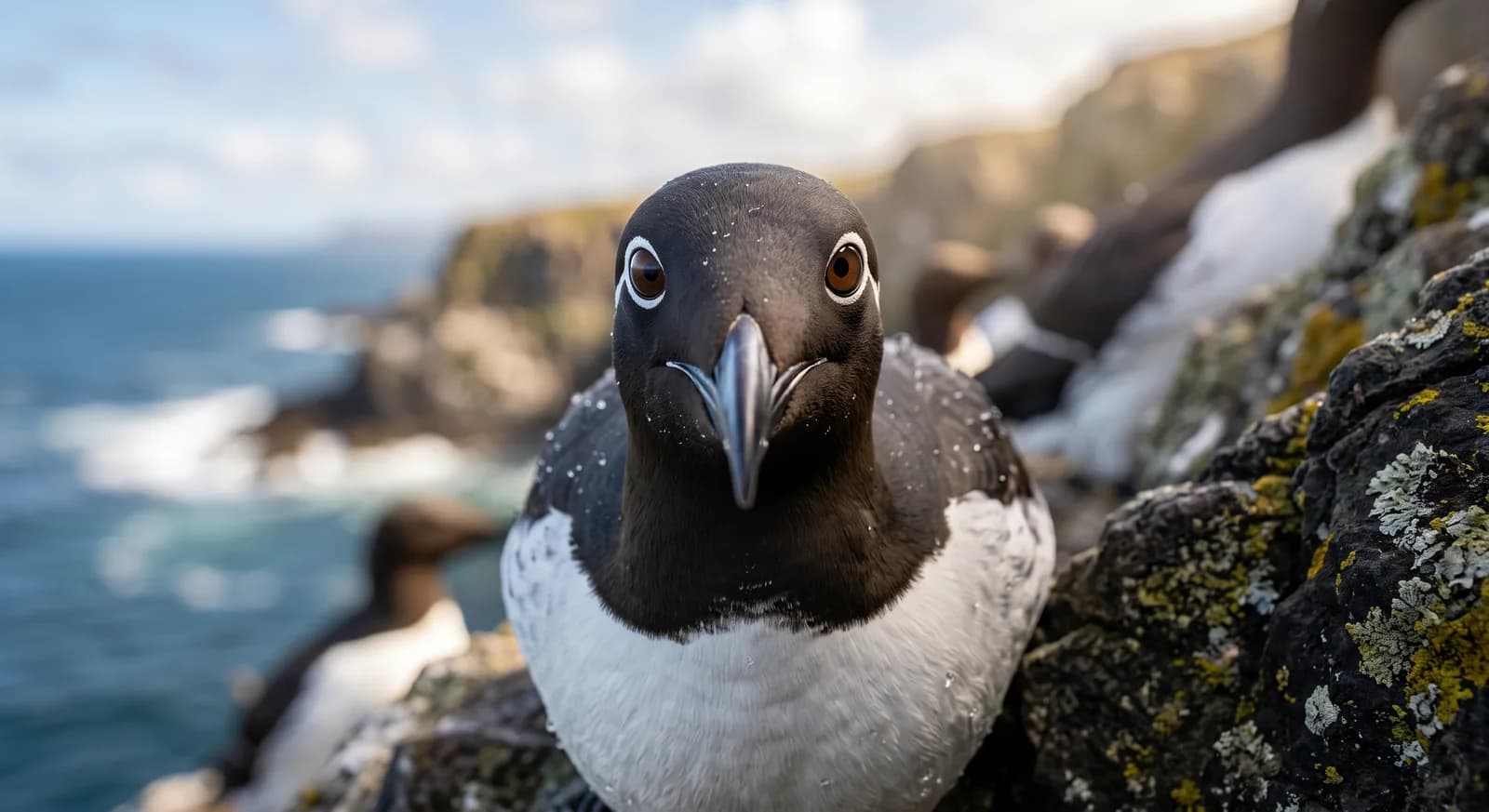 Least Concern
Common Murre
Uria aalge
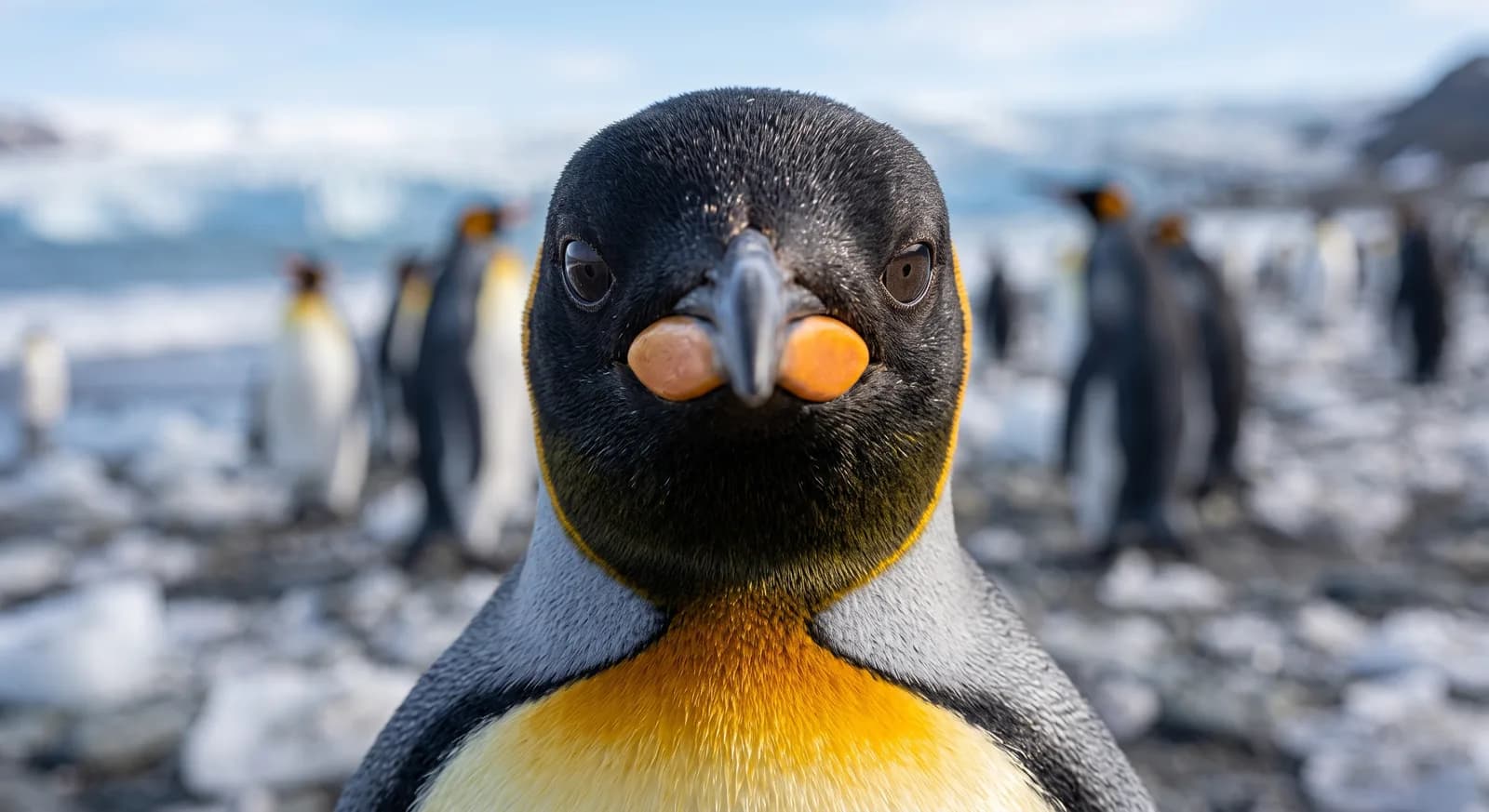 Least Concern
King Penguin
Aptenodytes patagonicus
Southern Rockhopper Penguin
Eudyptes chrysocome
Keep exploring
Based on what we already know about netted dog whelk.
Comments
Share an experience, a fun fact or a tip for seeing the netted dog whelk.
Be the first to comment.