Bony fish · Cyprinodontiformes · Poeciliidae
Molly
Poecilia sphenops
The species is abundant and widely distributed; it faces no significant short-term risk. See full glossary
The molly is a Central American live-bearing fish with a stocky body and a length under 8 cm, found in streams, springs and estuaries from Mexico to Honduras. It tolerates everything from fresh water to full marine salinity and water very low in oxygen, which lets it colonise pools and irrigation ditches where hardly any other fish survives. The female gives birth to between 20 and 150 fully formed fry after about 28 days of gestation. It is one of the most widely kept aquarium fish in the world, and most of the individuals in the trade are selected varieties, such as the black molly.
Size
up to 7.5 cm
Diet
Omnivore
Combines animal and plant food depending on availability.
Sighting difficulty
Easy
Fun facts
- GeneralViviparous: it bears fully formed young and tolerates a wide range of salinity.
Life cycle & biology
- Skeleton type
- Vertebrate - internal bony skeleton (bony fish)
- Habitat & environment
- Slow rivers, estuaries and brackish water
- Sexual maturity
- Length at first maturity 3.5 cm
- Gestation / incubation
- About 28 days
- Litter / clutch size
- 20-150 young per litter
Sources consulted: https://es.wikipedia.org/wiki/Poecilia_sphenops
Where to find it
See its range on the interactive mapWhere to watch it
Parks and dive sites where this species has been documented.
Related species
Other species in the catalogue with the most in common with Molly — same habitat, park, country, tags or family.
Guppy
Poecilia reticulata
Western Mosquitofish
Gambusia affinis
Green Swordtail
Xiphophorus hellerii
Southern Platyfish
Xiphophorus maculatus
 Least Concern
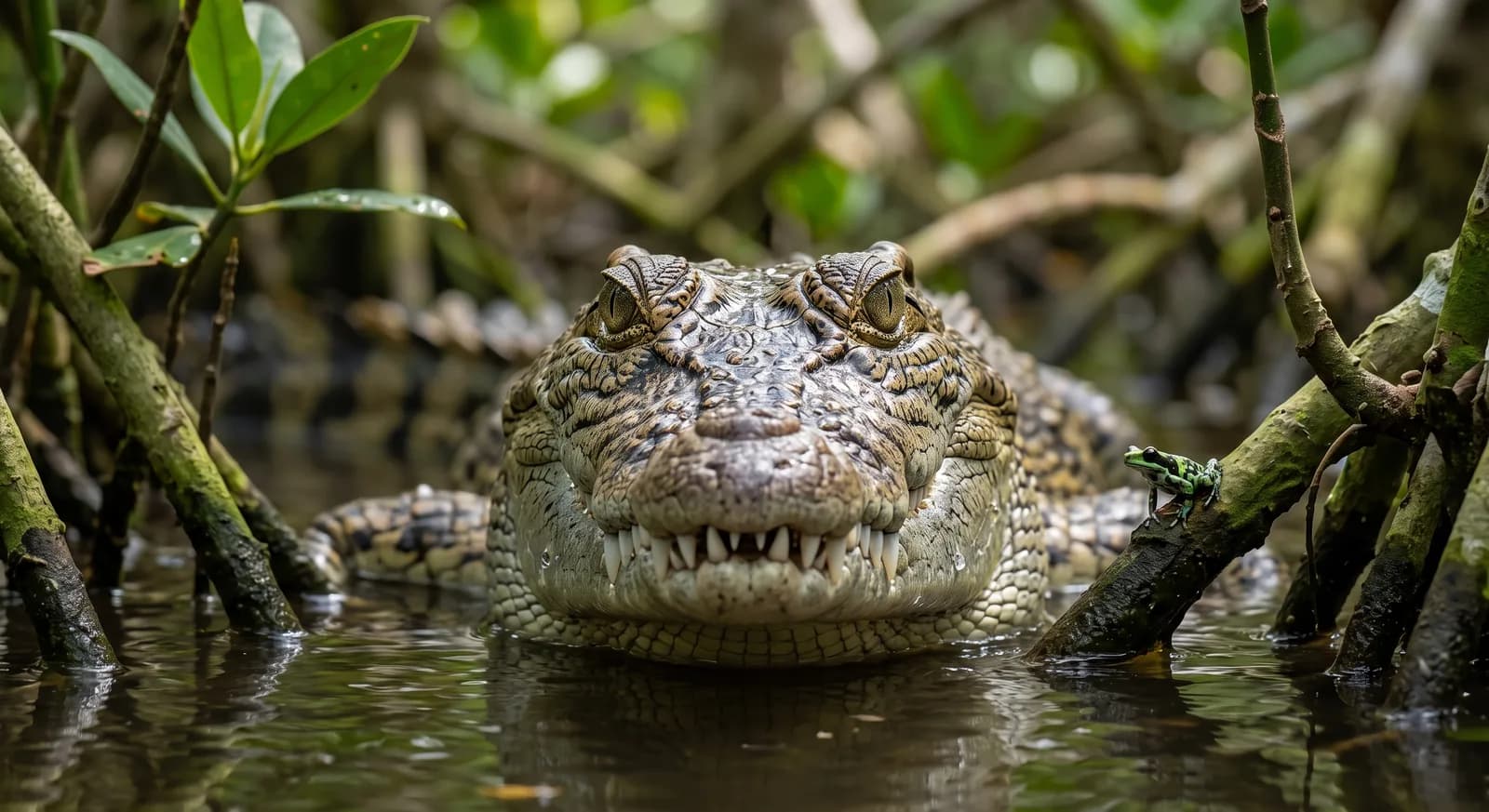
Morelet's Crocodile
Crocodylus moreletii
Tarpon
Megalops atlanticus
Keep exploring
Based on what we already know about molly.
Comments
Share an experience, a fun fact or a tip for seeing the molly.
Be the first to comment.