Mammals · Carnivora · Otariidae
Northern Fur Seal
Callorhinus ursinus
It faces a high risk of extinction in the wild over the medium term. See full glossary
The northern fur seal — known in Spanish as oso marino septentrional or lobo fino del norte — is an otariid of the North Pacific that spends most of the year on the open sea and comes ashore only to breed, in extremely dense colonies. More than half the world population breeds on the Pribilof Islands, in Alaska. Unlike the true seals, it does not depend on a thick layer of blubber but on an extraordinarily dense coat that traps an insulating layer of air, which made it the target of intensive fur hunting for two centuries.
Weight
30 kg – 270 kg
Size
1.3 m – 2.1 m
Lifespan
25 years
Diet
Carnivore
Feeds mainly on other animals.
Activity
Irregular activity
Active at irregular times, by day or night depending on circumstances.
Social structure
Colony
Lives in large concentrations, often for breeding reasons.
Sighting difficulty
Moderate
Fun facts
- Its coat can hold some 46,000 hairs per square centimetre, one of the highest densities in the animal kingdom, exceeded only by the sea otter.
- It spends up to three hundred days at a stretch at sea without setting foot on land, sleeping at the surface with one flipper out of the water.
Life cycle & biology
- Skeleton type
- Vertebrate - internal bony skeleton (mammal)
- Habitat & environment
- Open sea of the North Pacific; it breeds on remote islands such as the Pribilofs and the Commander Islands
- Birth weight
- 5 - 6 kg
- Size at birth
- About 60-65 cm; born with a black coat
- Sexual maturity
- 3 years
- Gestation / incubation
- 7.9 months
- Litter / clutch size
- 1.3 (average)
Sources consulted: https://es.wikipedia.org/wiki/Callorhinus_ursinus
Where to find it
See its range on the interactive mapBest time: From June to August on the Pribilof Islands and in Kamchatka, when the breeding colonies fill with territorial males.
Where to watch it
Parks and dive sites where this species has been documented.
Related species
Other species in the catalogue with the most in common with Northern Fur Seal — same habitat, park, country, tags or family.
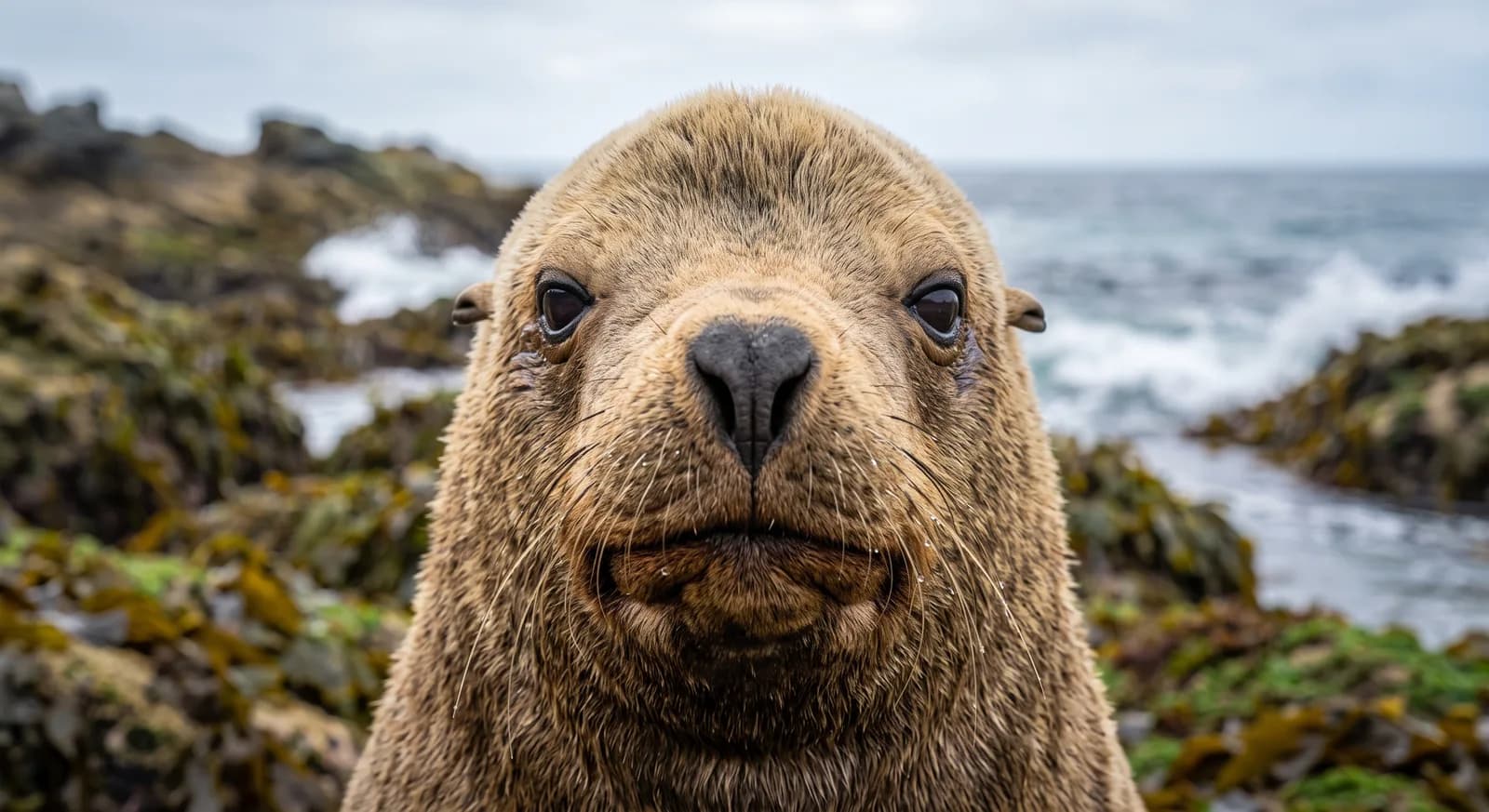 Near Threatened
Steller Sea Lion
Eumetopias jubatus
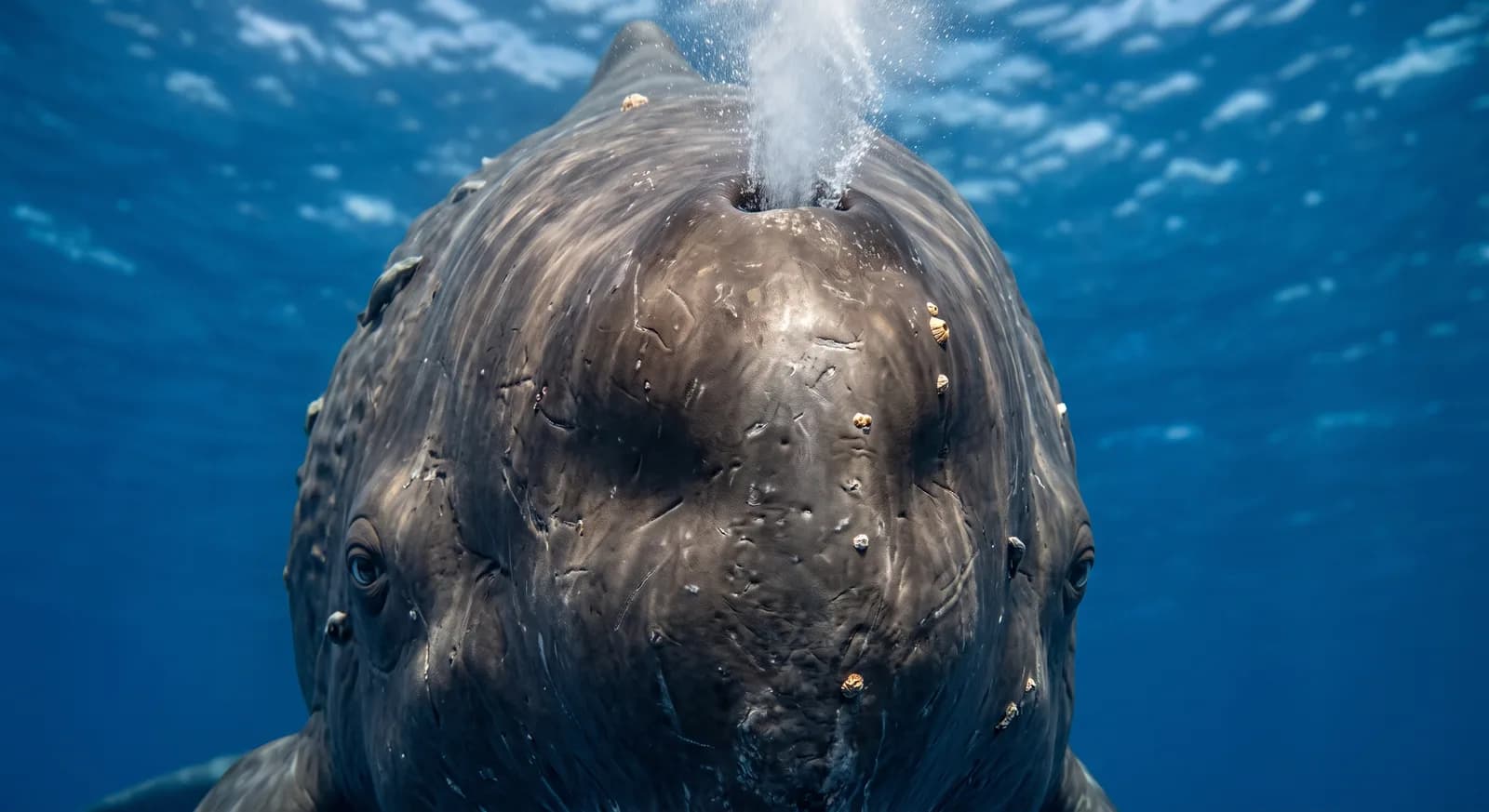 Vulnerable
Sperm Whale
Physeter macrocephalus
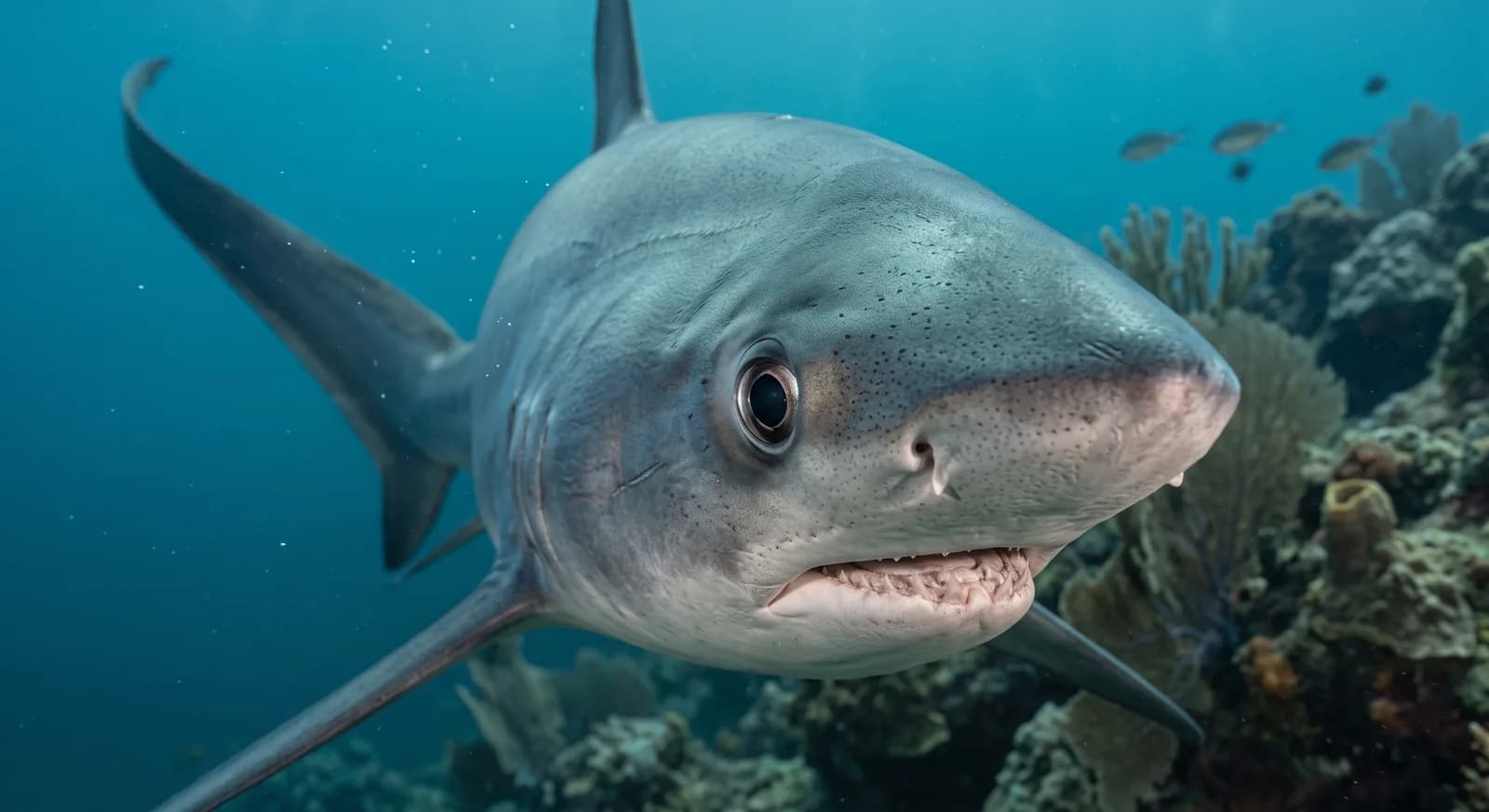 Vulnerable
Grayfish
Alopias vulpinus
Juan Fernandez Fur Seal
Arctocephalus philippii
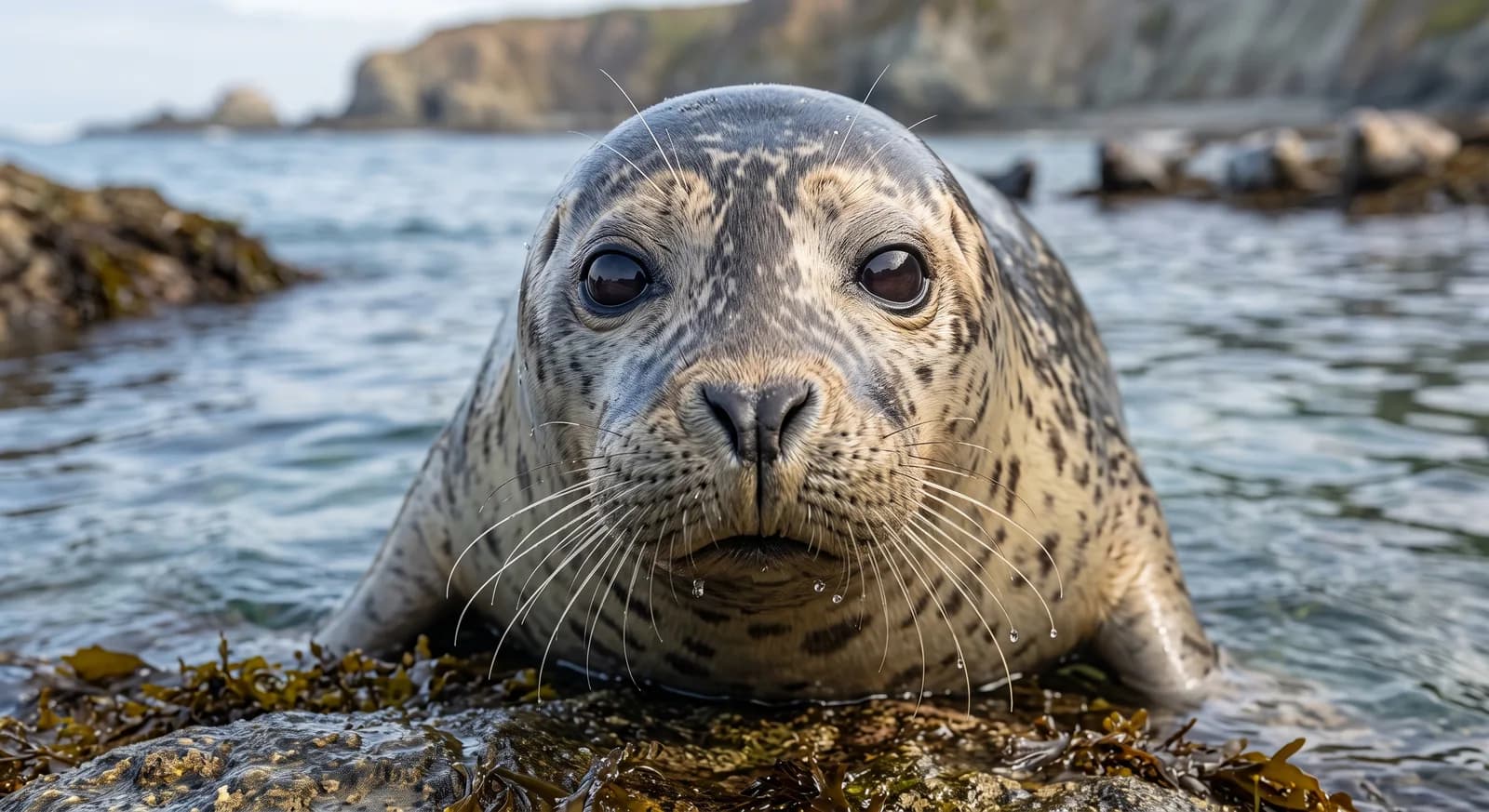 Least Concern
Harbor Seal
Phoca vitulina
 Least Concern
Bottlenose Dolphin
Tursiops truncatus
How to help
The northern fur seal is classified as vulnerable. Organizations such as UICN, WWF y Wildlife Conservation Society work specifically on its conservation and that of its habitat; looking into their programs is a good starting point if you want to get involved.
It's documented in 7 real protected areas — part of why protecting these places matters for its conservation.
Keep exploring
Based on what we already know about northern fur seal.
Comments
Share an experience, a fun fact or a tip for seeing the northern fur seal.
Be the first to comment.