One of the 2 sardines on WAnimals
Bony fish · Clupeiformes · Clupeidae
Pacific Sardine
Sardinops sagax
The species is abundant and widely distributed; it faces no significant short-term risk. See full glossary
Weight
267 g on average
Size
up to 39.5 cm
Lifespan
14 years
Social structure
School
Gathers in coordinated schools, typical of fish.
Sighting difficulty
Easy
Fun facts
- It forms huge shoals during the day that disperse at night.
- Its populations swing naturally in cycles of about sixty years tied to ocean conditions, quite apart from fishing pressure.
Life cycle & biology
- Skeleton type
- Vertebrate - internal bony skeleton (bony fish)
- Habitat & environment
- Coastal and neritic waters of the Indo-Pacific and the eastern Pacific, from the surface to 200 m, at temperatures of 9 to 21 °C
- Sexual maturity
- 2.2 years
Sources consulted: https://es.wikipedia.org/wiki/Sardinops_sagax
Where to find it
See its range on the interactive mapWhere to watch it
Parques y spots de buceo donde se ha documentado esta especie — se muestran 20 de 36 documentados.
Related species
Other species in the catalogue with the most in common with Pacific Sardine — same habitat, park, country, tags or family.
Atlantic Herring
Clupea harengus
Scalloped Hammerhead
Sphyrna lewini
Horn Shark
Heterodontus francisci
Bluefish
Pomatomus saltatrix
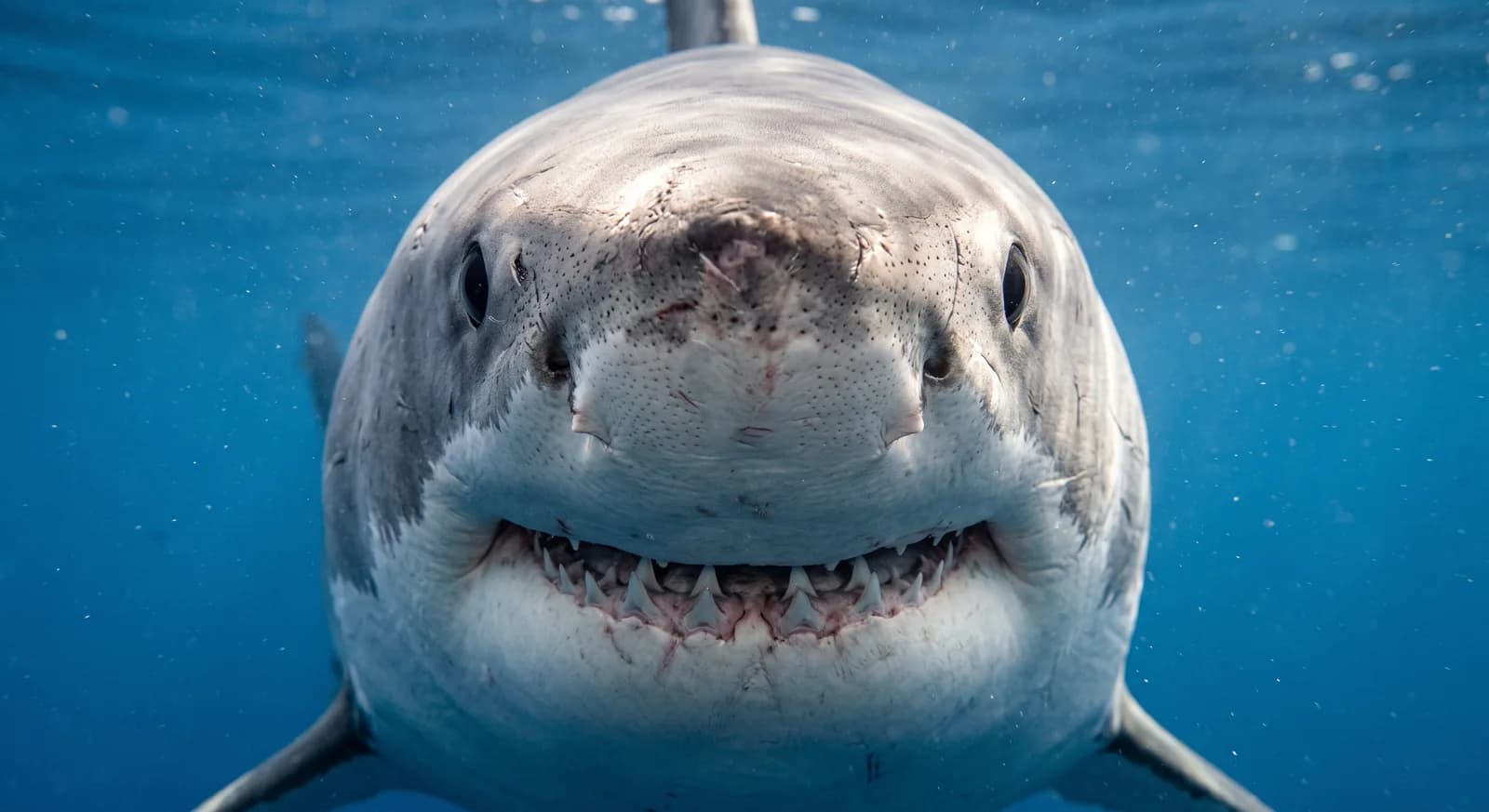 Vulnerable
Great White Shark
Carcharodon carcharias
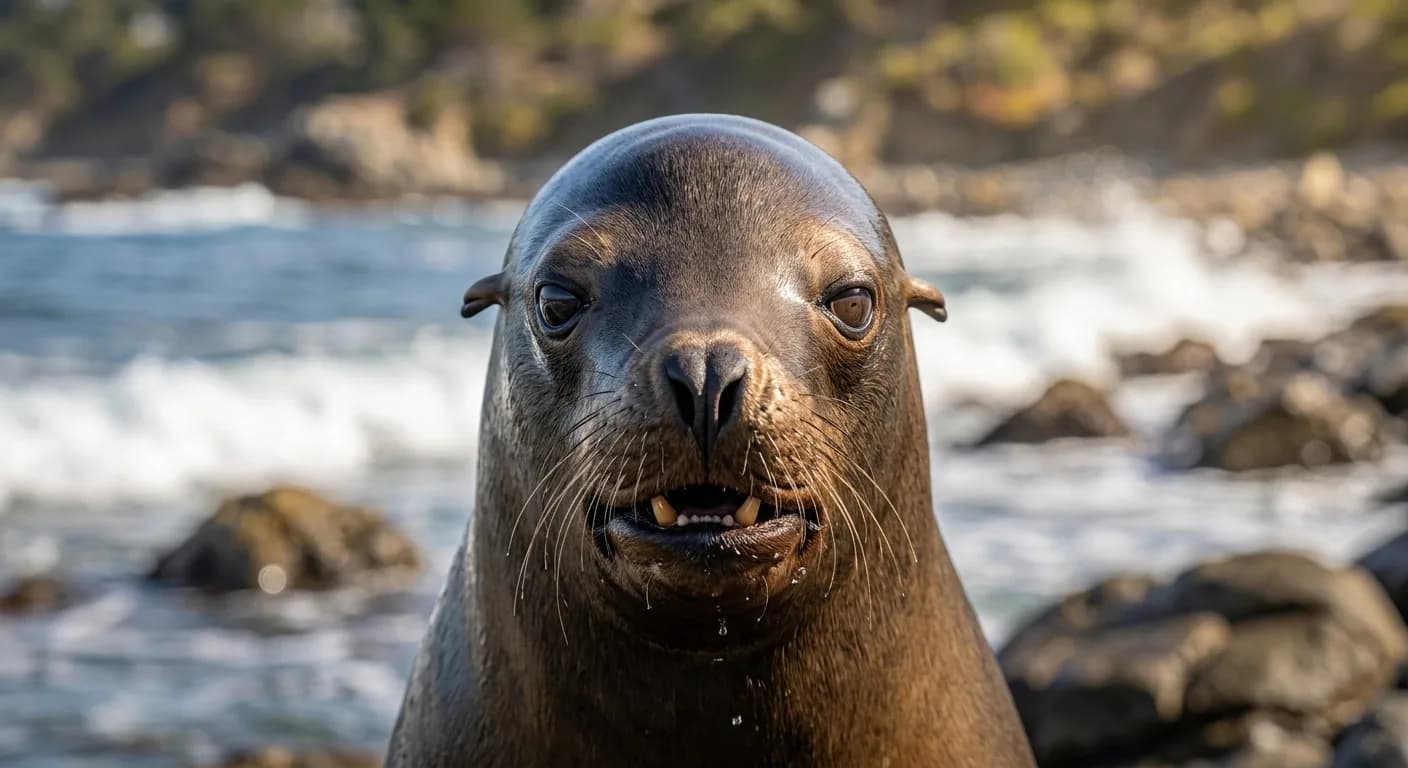 Least Concern
Californian Sea Lion
Zalophus californianus
Keep exploring
Based on what we already know about pacific sardine.
Comments
Share an experience, a fun fact or a tip for seeing the pacific sardine.
Be the first to comment.