One of the 6 tarantulas on WAnimals
Arachnids · Araneae · Theraphosidae
King Baboon Spider
Pelinobius muticus
It has not yet been assessed against the IUCN criteria. See full glossary
The king baboon tarantula of East Africa, velvety orange-brown with stout legs, one of the largest on the continent. It digs deep burrows in the soil of the dry savannah, lined with silk, in which it spends almost its entire life waiting for prey to touch the threads at the entrance.
Size
up to 20 cm
Lifespan
25 years
Diet
Carnivore
Feeds mainly on other animals.
Activity
Nocturnal
Active mainly at night.
Social structure
Solitary
Lives and hunts alone, joining others only to breed.
Sighting difficulty
Unknown
Fun facts
- GeneralIt digs burrows over 1 m deep and can live more than 25 years.
- It stridulates by rubbing the bristles of its chelicerae and produces an audible hiss as a warning before it strikes.
- Unlike the American tarantulas, the African ones have no urticating hairs: they defend themselves by biting, and their venom causes intense pain and prolonged cramping.
- It is one of the longest-lived tarantulas: females can pass twenty-five years.
- It is extremely fossorial: it digs tunnels up to two metres deep and virtually never leaves them, so in captivity it is a species that is almost never seen.
- It stridulates when disturbed: it rubs the bristles on its chelicerae and pedipalps to produce an audible hiss, a warning uncommon among tarantulas.
- Unlike the American tarantulas, the African ones have no urticating hairs; their defence is stridulation and, failing that, the bite.
- Its venom is not lethal to people but causes severe, prolonged pain and cramps.
Life cycle & biology
- Habitat & environment
- Dry savannah and arid scrub
Sources consulted: Karsch (1885); British Tarantula Society; World Spider Catalog
Where to watch it
Parques y spots de buceo donde se ha documentado esta especie — se muestran 10 de 20 documentados.
Related species
Other species in the catalogue with the most in common with King Baboon Spider — same habitat, park, country, tags or family.
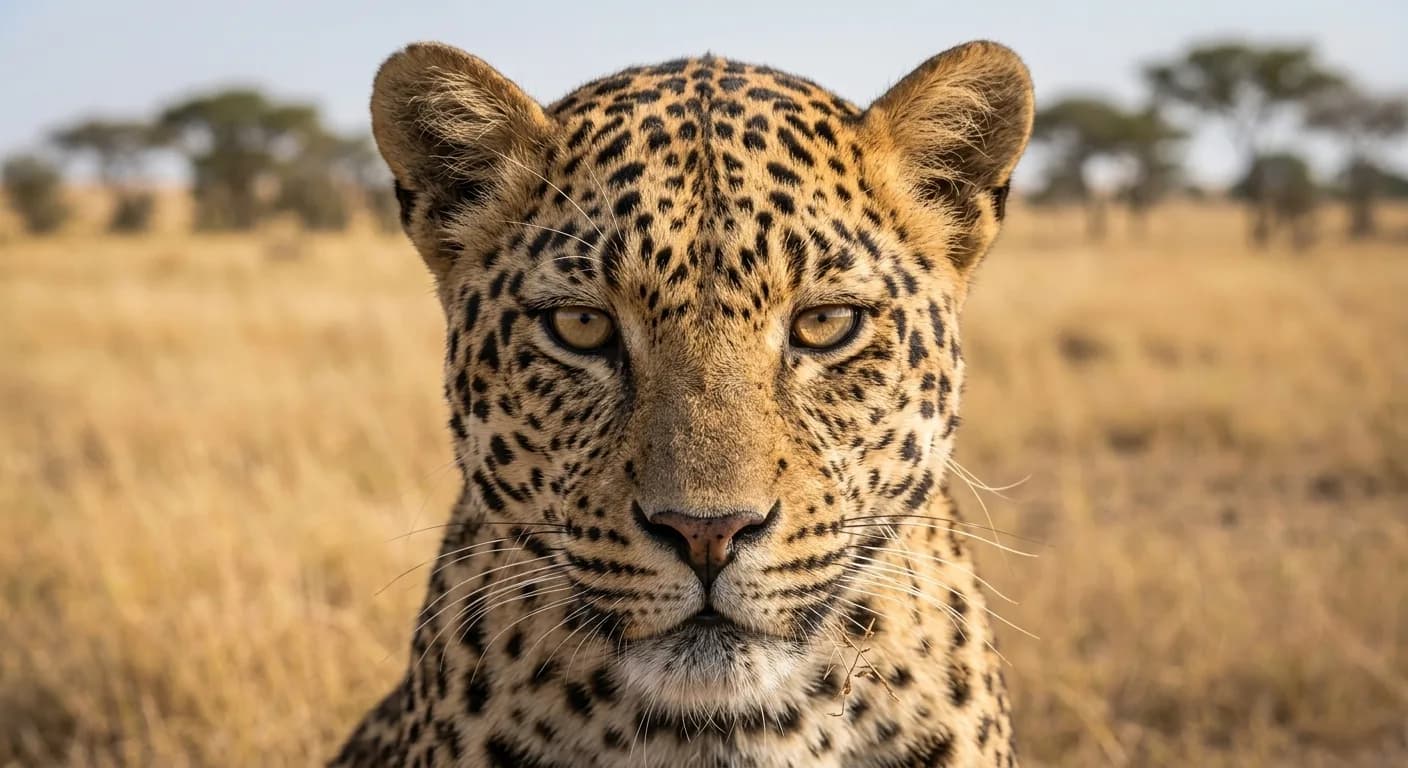 Vulnerable
African Leopard
Panthera pardus pardus
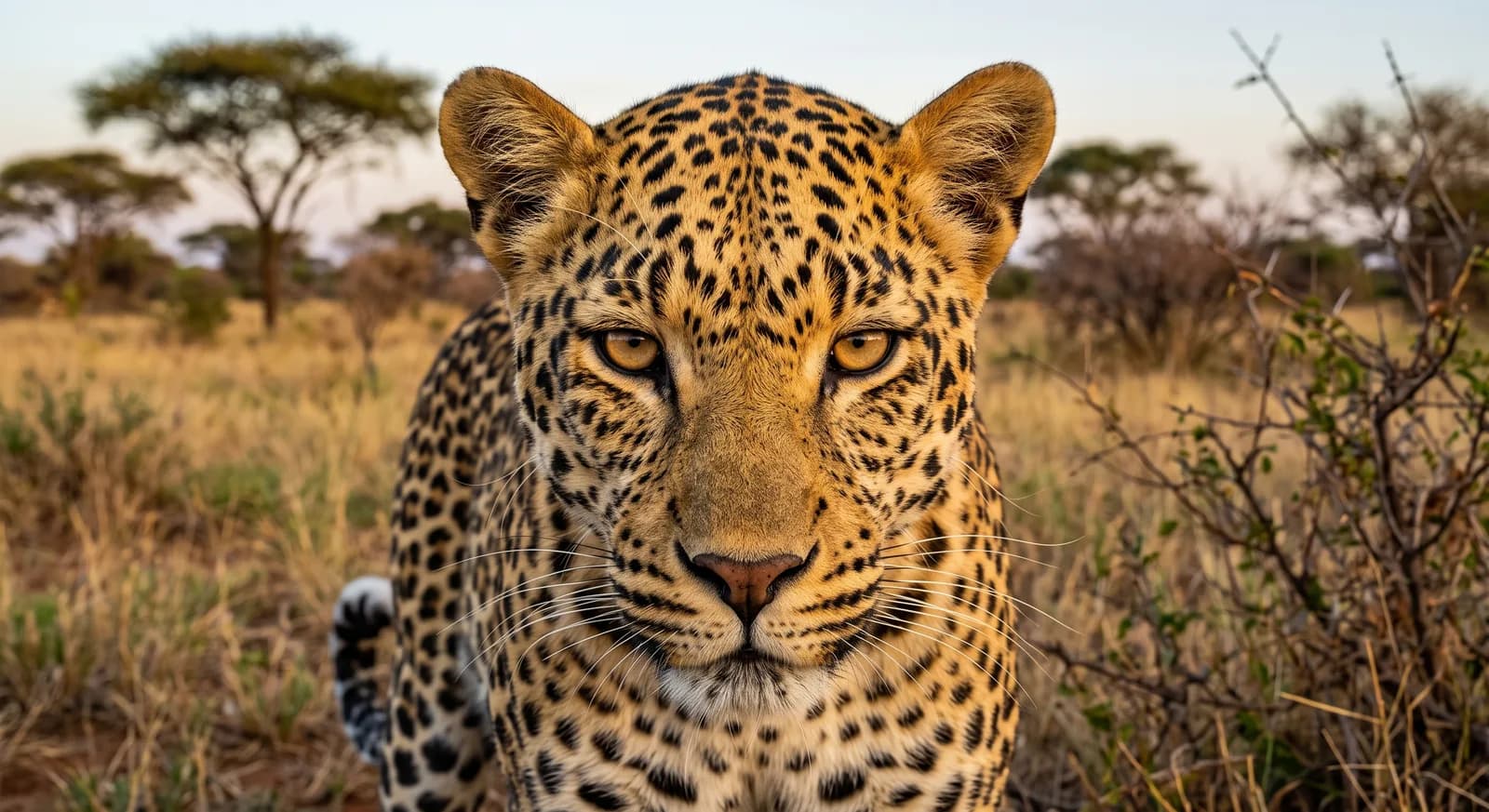 Vulnerable
Leopard
Panthera pardus
Puff Adder
Bitis arietans
Black-necked Spitting Cobra
Naja nigricollis
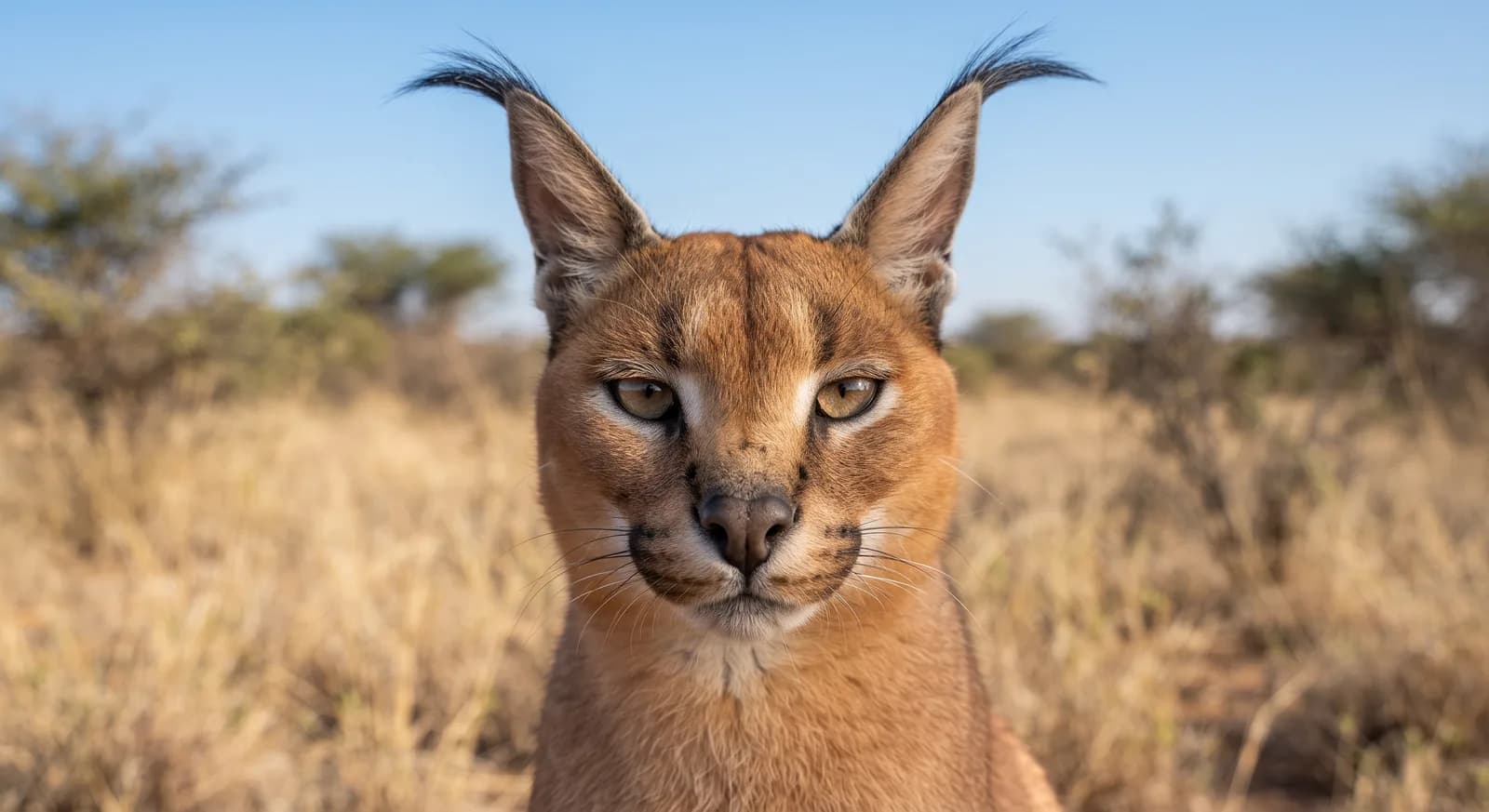 Least Concern
Caracal
Caracal caracal
Giant Bullfrog
Pyxicephalus adspersus
Keep exploring
Based on what we already know about king baboon spider.
Comments
Share an experience, a fun fact or a tip for seeing the king baboon spider.
Be the first to comment.