One of the 4 trogons on WAnimals
Birds · Trogoniformes · Trogonidae
Mountain Trogon
Trogon mexicanus
The species is abundant and widely distributed; it faces no significant short-term risk. See full glossary
The mountain trogon is a bird of the montane forests of Mexico and Central America, with a metallic green back, an intensely red belly and a tail barred in black and white underneath. Like all trogons it stays motionless for long stretches on a perch in the understorey, turning only its head, and sallies out to pluck fruit and insects in hovering flight. It nests in holes it excavates in rotten wood or in arboreal termite mounds.
Weight
60 g – 80 g
Size
28 cm – 31 cm
Lifespan
10 years
Diet
Omnivore
Combines animal and plant food depending on availability.
Activity
Diurnal
Active mainly during the day.
Social structure
In pairs
Usually lives in pairs, sometimes for life.
Sighting difficulty
Easy
Fun facts
- Trogons have an arrangement of toes unique among birds, called heterodactyl: the first and second toes point backwards, a combination shared by no other group of birds in the world.
- Its skin is so thin and so loosely attached that it tears extraordinarily easily, a classic problem for taxidermists and a possible defence against predators that end up with nothing but a handful of feathers.
Life cycle & biology
- Skeleton type
- Vertebrate - internal bony skeleton (bird)
- Habitat & environment
- Montane pine and oak forest and cloud forest of Mexico and Central America, between 1,200 and 3,000 m
- Sexual maturity
- 12 months
- Gestation / incubation
- 18 days of incubation
- Litter / clutch size
- 3 eggs
Sources consulted: https://es.wikipedia.org/wiki/Trogon_mexicanus
Where to find it
See its range on the interactive mapWhere to watch it
Parques y spots de buceo donde se ha documentado esta especie — se muestran 10 de 25 documentados.
Related species
Other species in the catalogue with the most in common with Mountain Trogon — same habitat, park, country, tags or family.
Collared Trogon
Trogon collaris
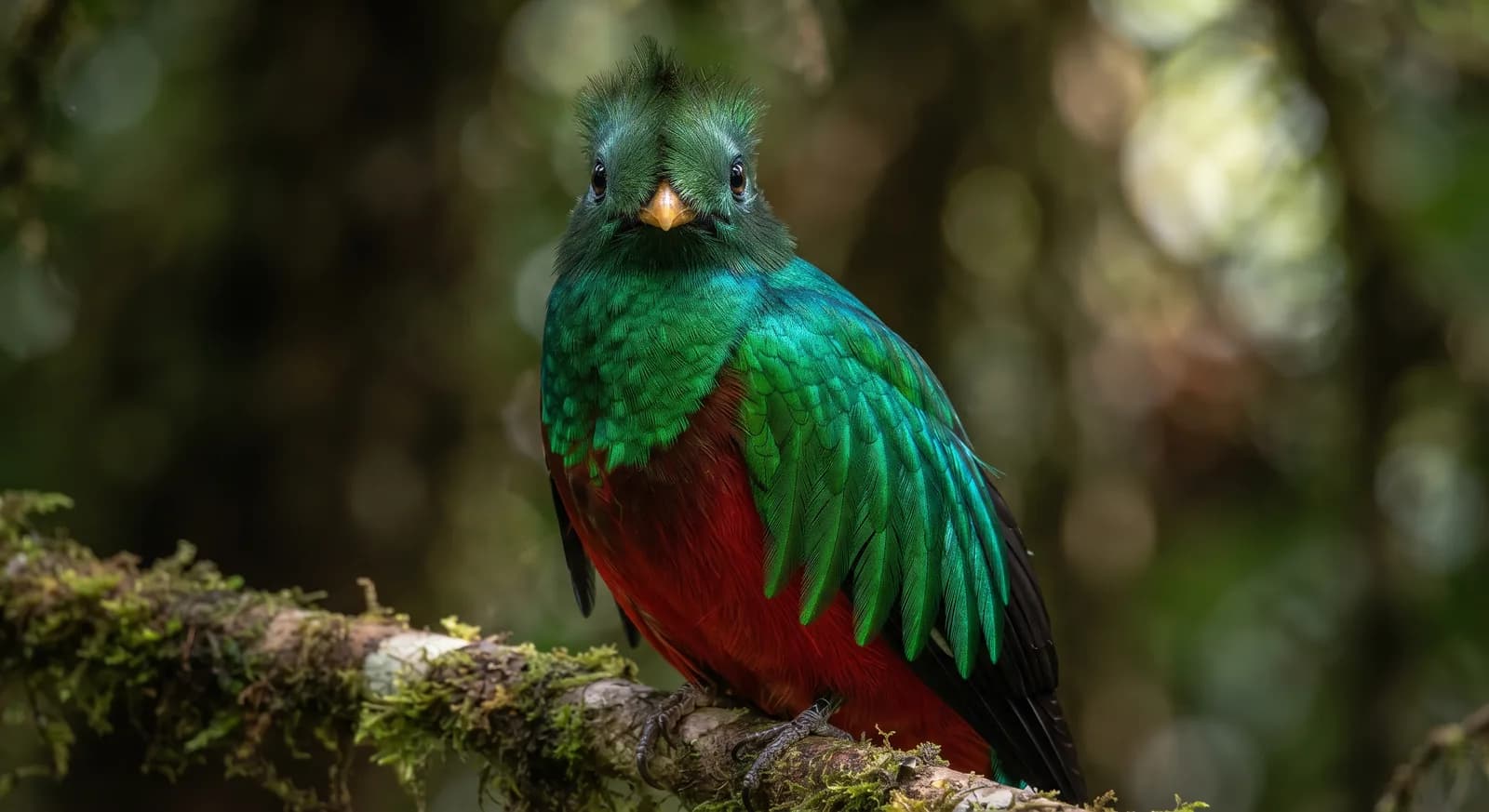 Near Threatened
Resplendent Quetzal
Pharomachrus mocinno
Wild Turkey
Meleagris gallopavo
Mourning Dove
Zenaida macroura
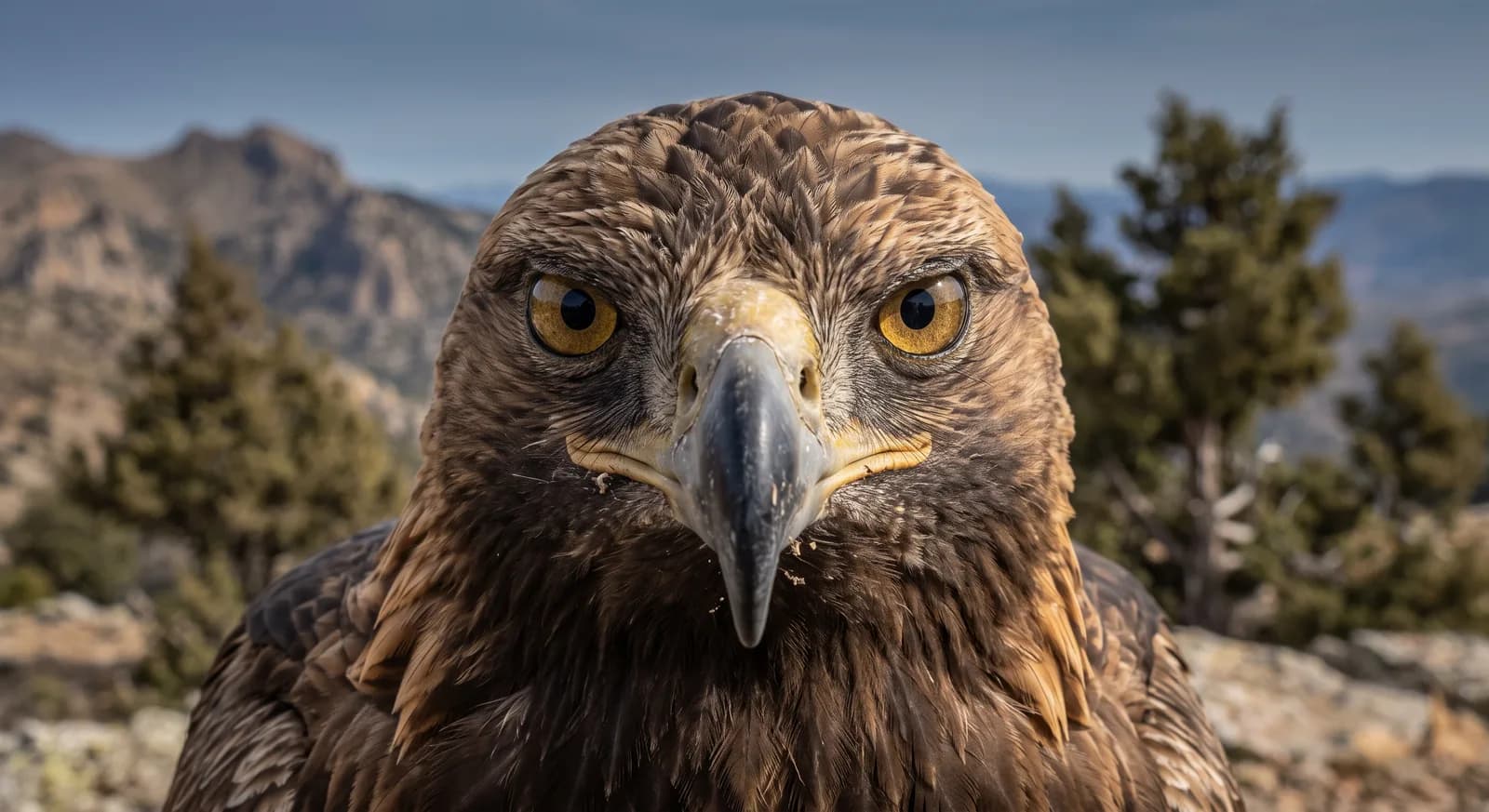 Least Concern
Golden Eagle
Aquila chrysaetos
Northern Flicker
Colaptes auratus
Keep exploring
Based on what we already know about mountain trogon.
Comments
Share an experience, a fun fact or a tip for seeing the mountain trogon.
Be the first to comment.