A park created after the 2011 tsunami to accompany reconstruction, along 250 km of the Tōhoku coast.
Area
286 km²
Declared in
2013
Region
East Asia
Climate
Tropical, Templado, Polar / frío
Best time
March to May
Highlight
A ria and cliff coast with the Michinoku trail
Sanriku Fukko National Park — fukko means reconstruction — was created on 24 May 2013 to contribute to the recovery of the Sanriku coast after the great East Japan earthquake and tsunami of 2011. It was not declared over new territory but by merging the former Rikuchu Kaigan National Park, declared on 2 May 1955, with the Tanesashi Coast Prefectural Natural Park and extending the area. It is the first Japanese national park whose explicit purpose includes helping a region recover from a natural disaster, and it receives visitors from all over the country interested in disaster education.
It extends along some 250 kilometres of Pacific coast, from Hachinohe, in Aomori prefecture, through Iwate, to the Kesennuma and Ishinomaki area, in Miyagi. The north is formed by enormous cliffs known as the Alps of the Sea; the south, by a succession of intricately drawn rias. In between there are white sand beaches, rock platforms, pine woods twisted by the salt wind, coastal meadows and fishing ports among the most productive in Japan.
The coast holds breeding seabird colonies, with black-tailed gull and streaked shearwater among the most abundant, and a coastal flora adapted to salt. In the shallow waters, eelgrass meadows and kelp forests have developed that support marine biodiversity and fishing. The sacred island of Kinkasan, near the Oshika peninsula, keeps free-ranging deer regarded as messengers of the gods. The axis running the length of the park is the Michinoku Coastal Trail, a network of paths some thousand kilometres long divided into 28 sections, whose first stretches opened with the creation of the park and which was completed in June 2019, linking Hachinohe with Soma, in Fukushima. At Rikuzentakata stands the miracle pine, the sole survivor of a pine wood of tens of thousands of trees destroyed by the wave, now preserved as a memorial.
Location
See on the interactive map22 species documented in Sanriku Fukko
At conservation risk:Ballena franca del Pacífico Norte,Cachalote,Oso marino septentrional,Rorcual boreal
Ballena franca del Pacífico Norte
Eubalaena japonica
 Vulnerable
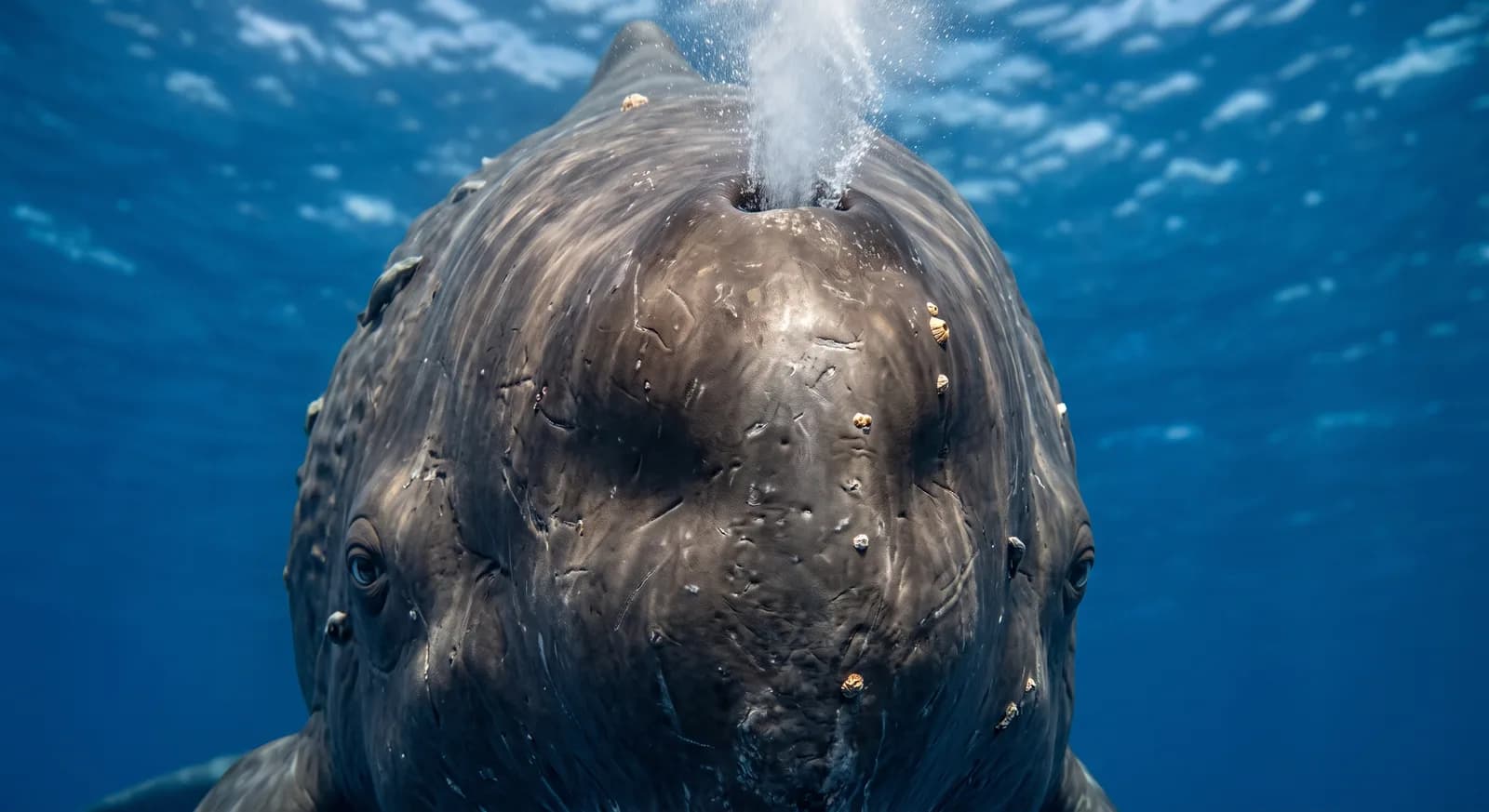
Cachalote
Physeter macrocephalus
Calderón gris
Grampus griseus
Cangrejo araña japonés
Macrocheira kaempferi
Cangrejo cabeza de rana
Ranina ranina
Delfín listado
Stenella coeruleoalba
Lirio de mar con tallo japonés
Metacrinus rotundus
Marsopa de Dall
Phocoenoides dalli
Medusa inmortal
Turritopsis dohrnii
Medusa luna
Aurelia aurita
Oso marino septentrional
Callorhinus ursinus
Pez globo japonés
Takifugu rubripes
Flora and ecosystems
Ecosystems found in Japan, where Sanriku Fukko lies.
Similar parks
Which other parks are like this one?
Keep exploring
Based on what we already know about Sanriku Fukko.
Your rating
How many stars would you give Sanriku Fukko?
Comments
Share your experience visiting Sanriku Fukko, or a tip for other travellers.
Be the first to comment.