One of the 6 jellyfish on WAnimals
True jellyfish · Semaeostomeae · Ulmaridae
Moon Jellyfish
Aurelia aurita
It has not yet been assessed against the IUCN criteria. See full glossary
Its life cycle alternates between two radically different forms: a sessile bottom-living polyp that can survive as long as 25 years cloning itself asexually, and a free-swimming pelagic medusa that lasts only 8 to 12 months.
Size
15 cm – 40 cm
Lifespan
1 years
Diet
Carnivore
Feeds mainly on other animals.
Activity
Irregular activity
Active at irregular times, by day or night depending on circumstances.
Social structure
Solitary
Lives and hunts alone, joining others only to breed.
Sighting difficulty
Unknown
Fun facts
- It is recognisable by its four distinctive horseshoe-shaped gonads, visible through the translucent bell.
- It eats zooplankton, small crustaceans and fish larvae.
- It lives in temperate coastal waters and estuaries of almost every ocean in the world.
- anatomíaIt has no brain, heart or blood, and its body is more than 95% water.
- It is the most common and most recognisable jellyfish in the world, the one that turns up in any harbour: transparent, with four clover-shaped gonads visible through the bell.
- Its sting is mild and most people barely notice it.
- Its life cycle has two phases: a fixed polyp called a scyphistoma, which reproduces asexually by strobilation, dividing into discs that break free as young jellyfish. A single polyp can produce dozens of jellyfish.
- And that polyp is the key to its blooms: it colonises artificial hard substrates — breakwaters, pilings, mussel rafts, ship hulls — so coastal construction provides it with exactly what it needs.
- It tolerates hypoxic, polluted waters where fish cannot hold out, which gives it an edge in harbours and degraded areas.
- It is one of the species used to study jellyfish blooms, and there are indications that it can reverse its development under adverse conditions, though not as completely as the immortal jellyfish.
Life cycle & biology
- Skeleton type
- Invertebrate - no skeleton (gelatinous cnidarian)
- Habitat & environment
- Temperate coastal waters and estuaries of almost every ocean in the world, tolerating a wide range of temperature and salinity
- Birth weight
- Microscopic planula larva after fertilisation
- Size at birth
- An ephyra a few millimetres across as it breaks away from the polyp
- Sexual maturity
- Weeks after reaching the adult medusa stage
- Gestation / incubation
- ~10 days as a planula larva before settling as a polyp
- Litter / clutch size
- Numerous eggs released continuously through the breeding medusa stage
Sources consulted: Animal Diversity Web; Dimensions.com; Study.com; Animal Diversity Web (Aurelia); PMC (microbiome strobilation study); A-Z Animals; UWI Life Sciences
Where to find it
See its range on the interactive mapWhere to watch it
Parques y spots de buceo donde se ha documentado esta especie — se muestran 20 de 196 documentados.
Related species
Other species in the catalogue with the most in common with Moon Jellyfish — same habitat, park, country, tags or family.
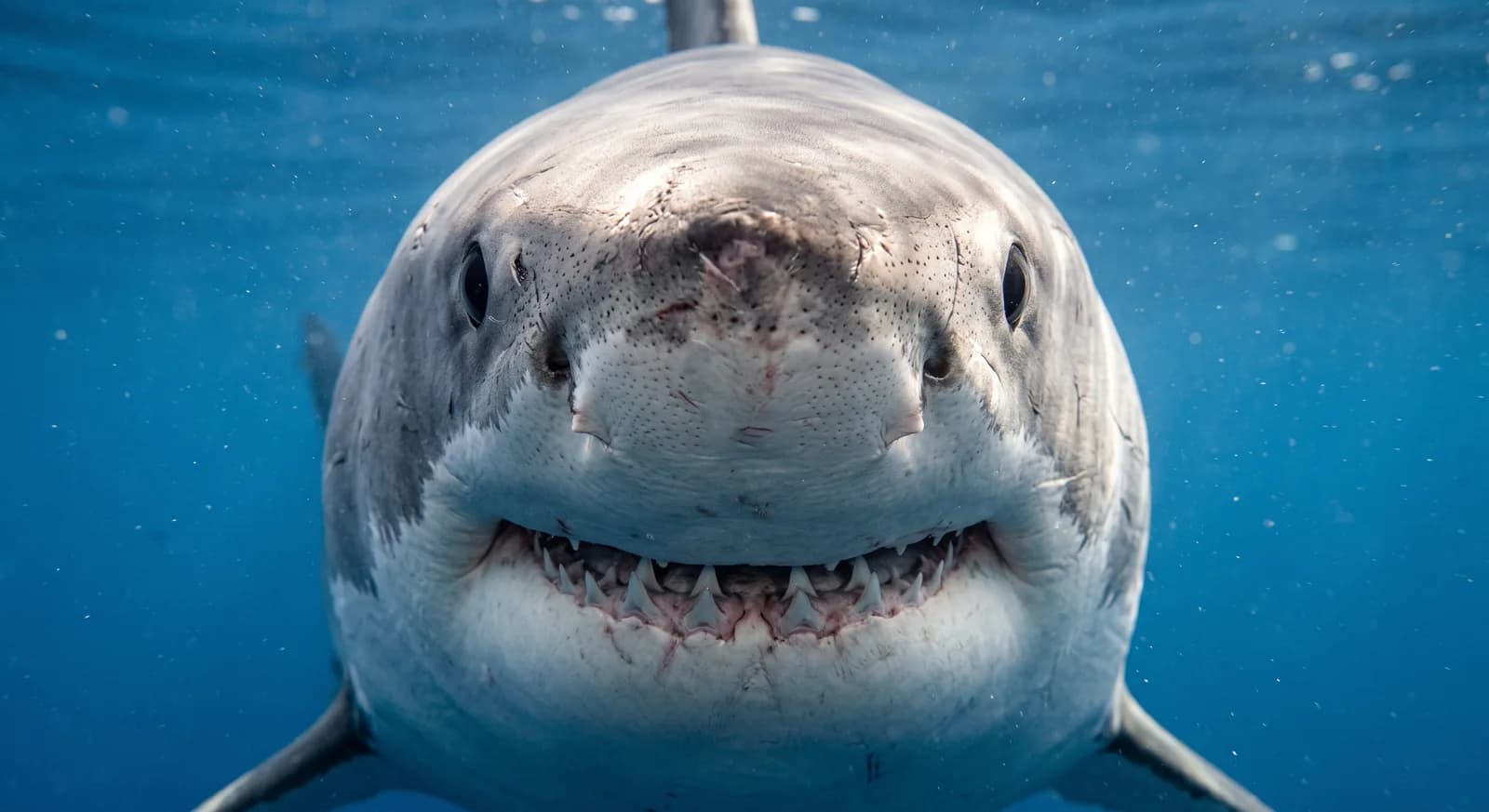 Vulnerable
Great White Shark
Carcharodon carcharias
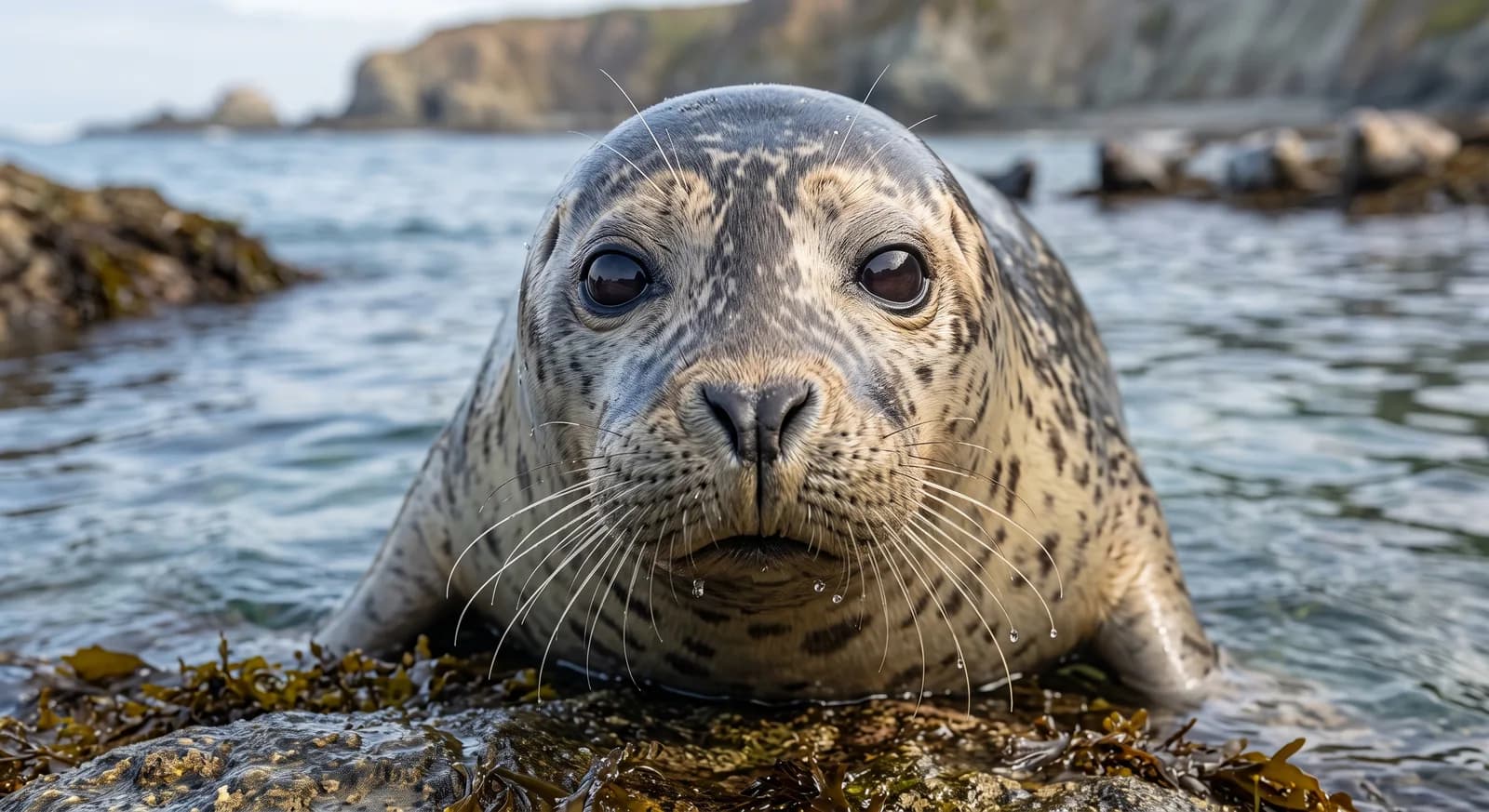 Least Concern
Harbor Seal
Phoca vitulina
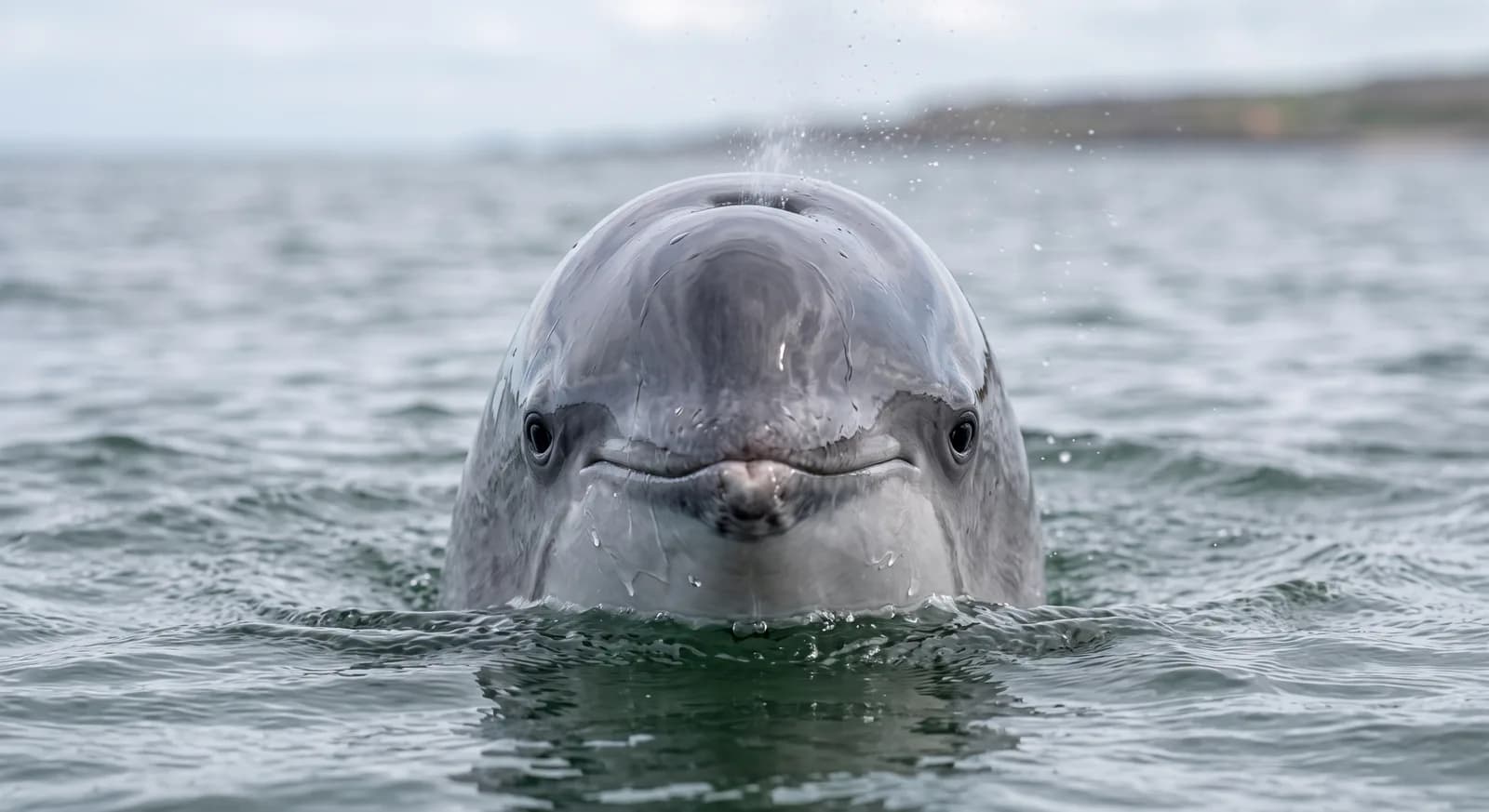 Least Concern
Harbor Porpoise
Phocoena phocoena
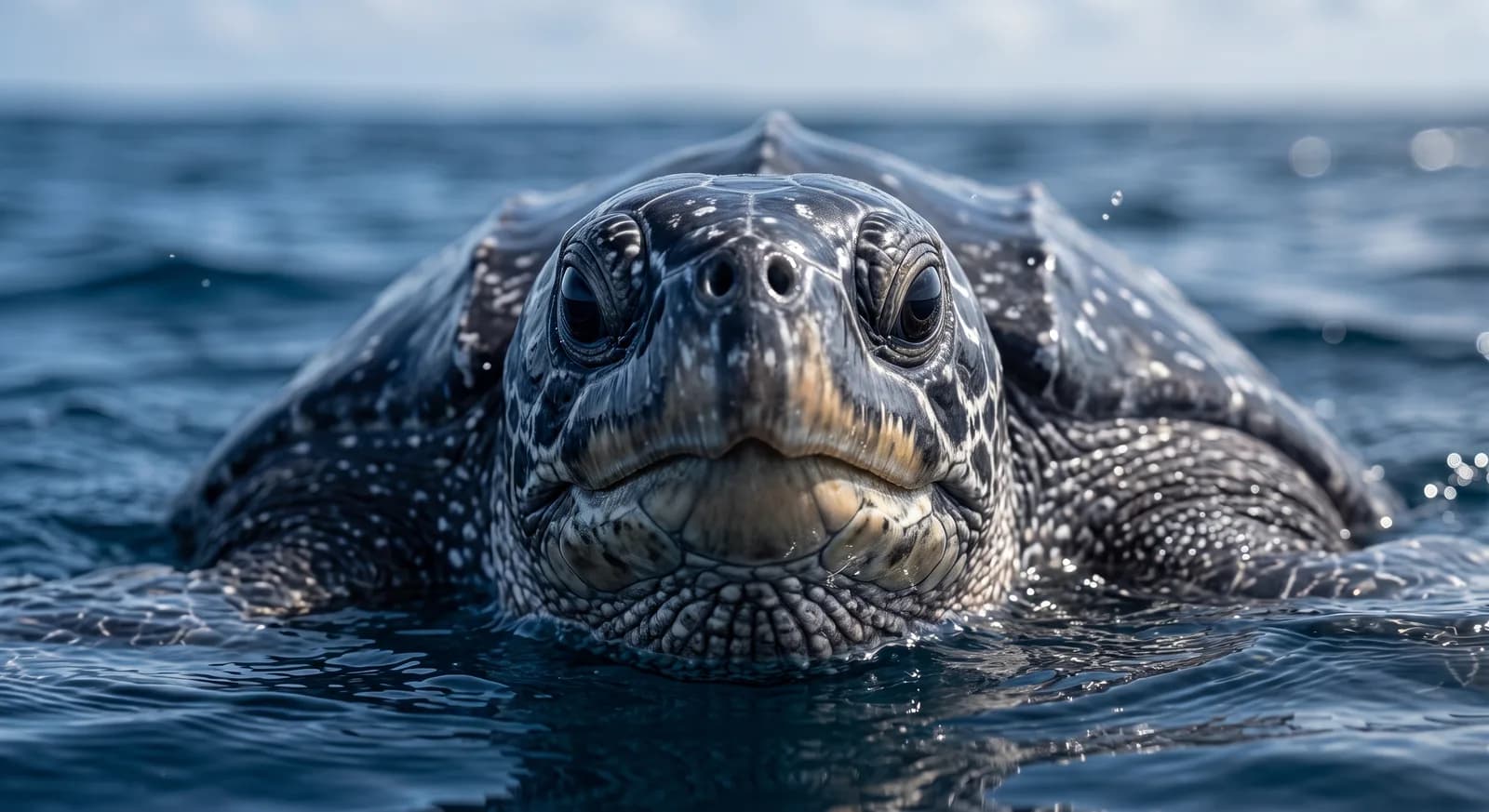 Vulnerable
Leatherback Sea Turtle
Dermochelys coriacea
Shortfin Mako
Isurus oxyrinchus
Porbeagle
Lamna nasus
Keep exploring
Based on what we already know about moon jellyfish.
Comments
Share an experience, a fun fact or a tip for seeing the moon jellyfish.
Be the first to comment.