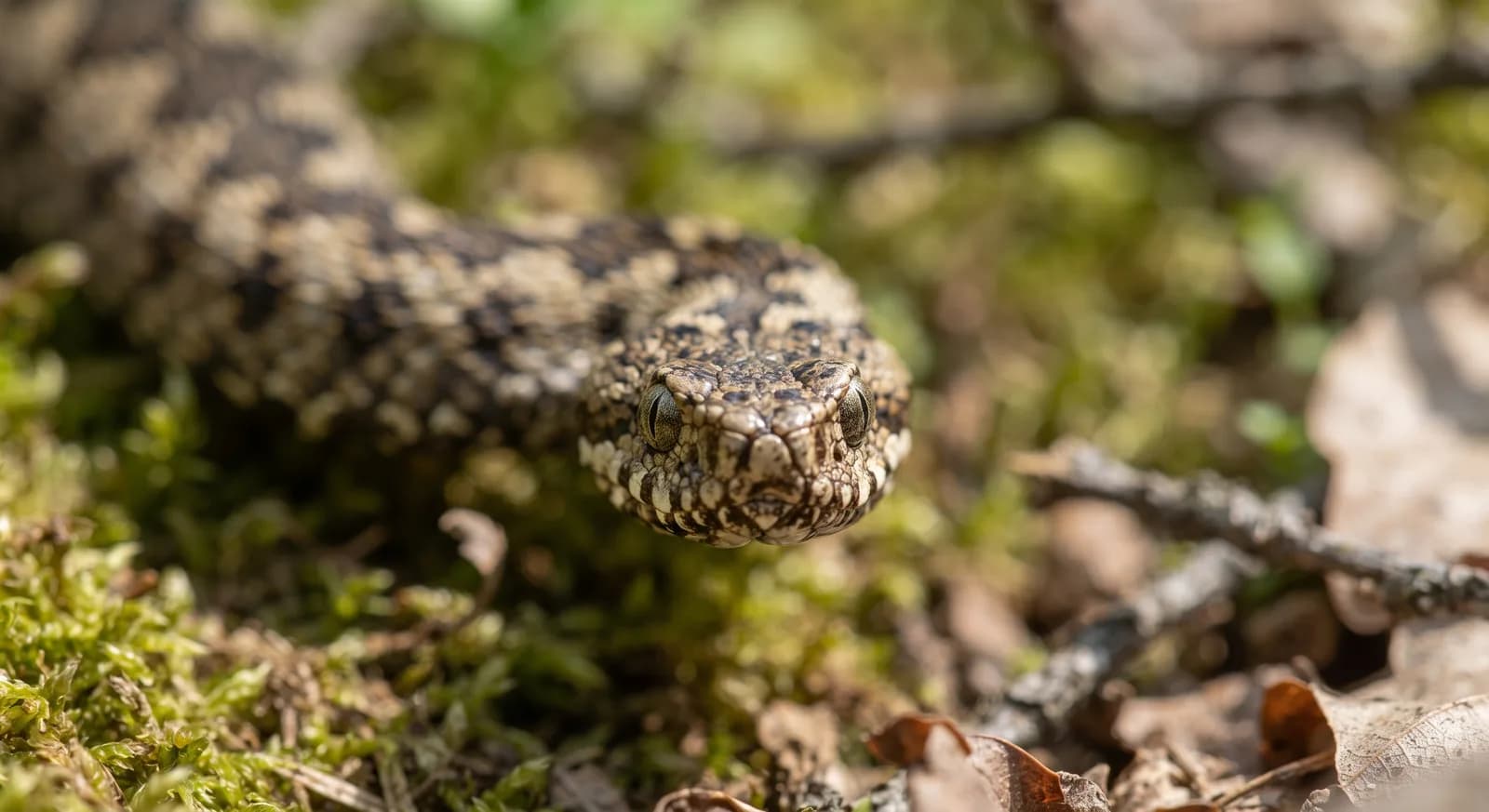
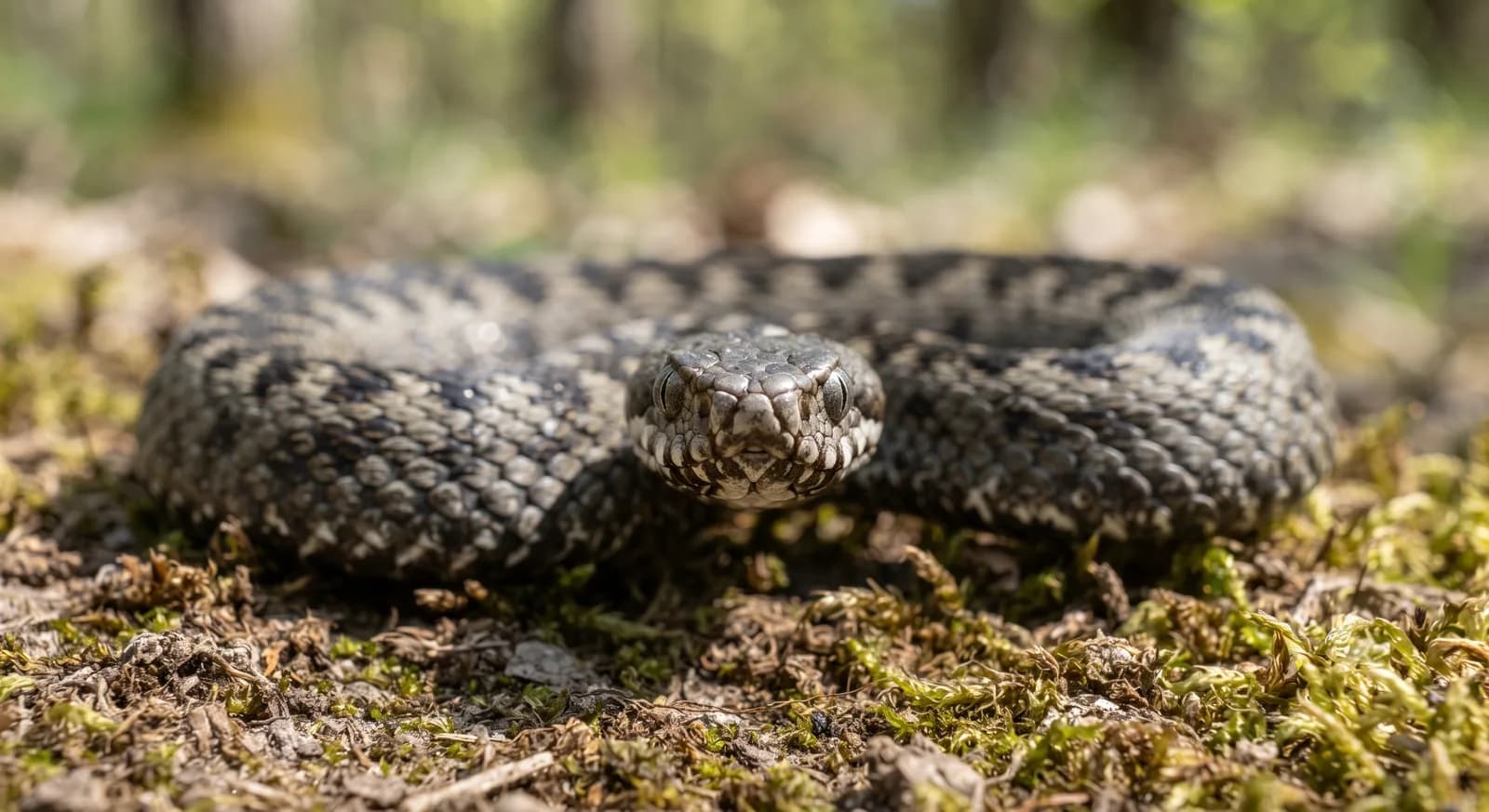
One of the 12 vipers on WAnimals
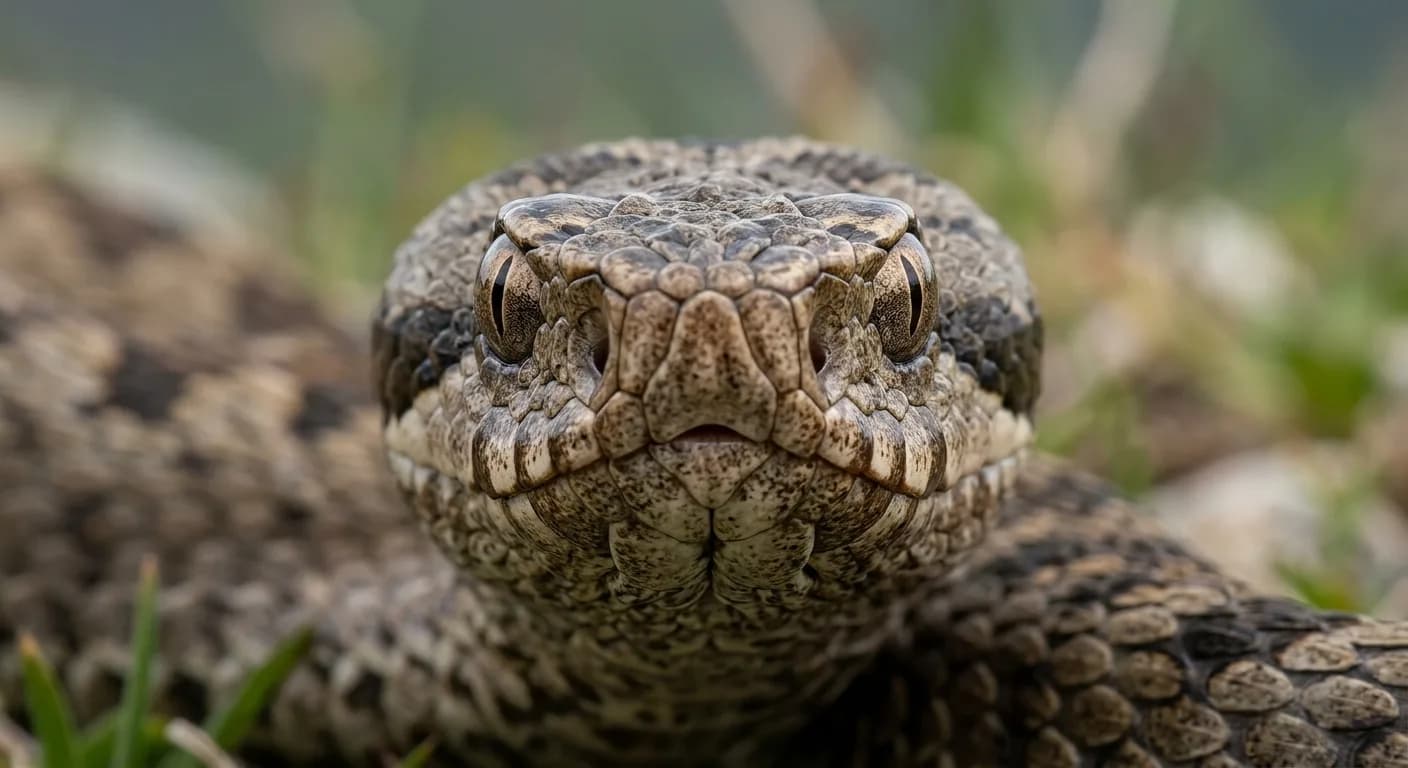
Reptiles · Squamata · Viperidae
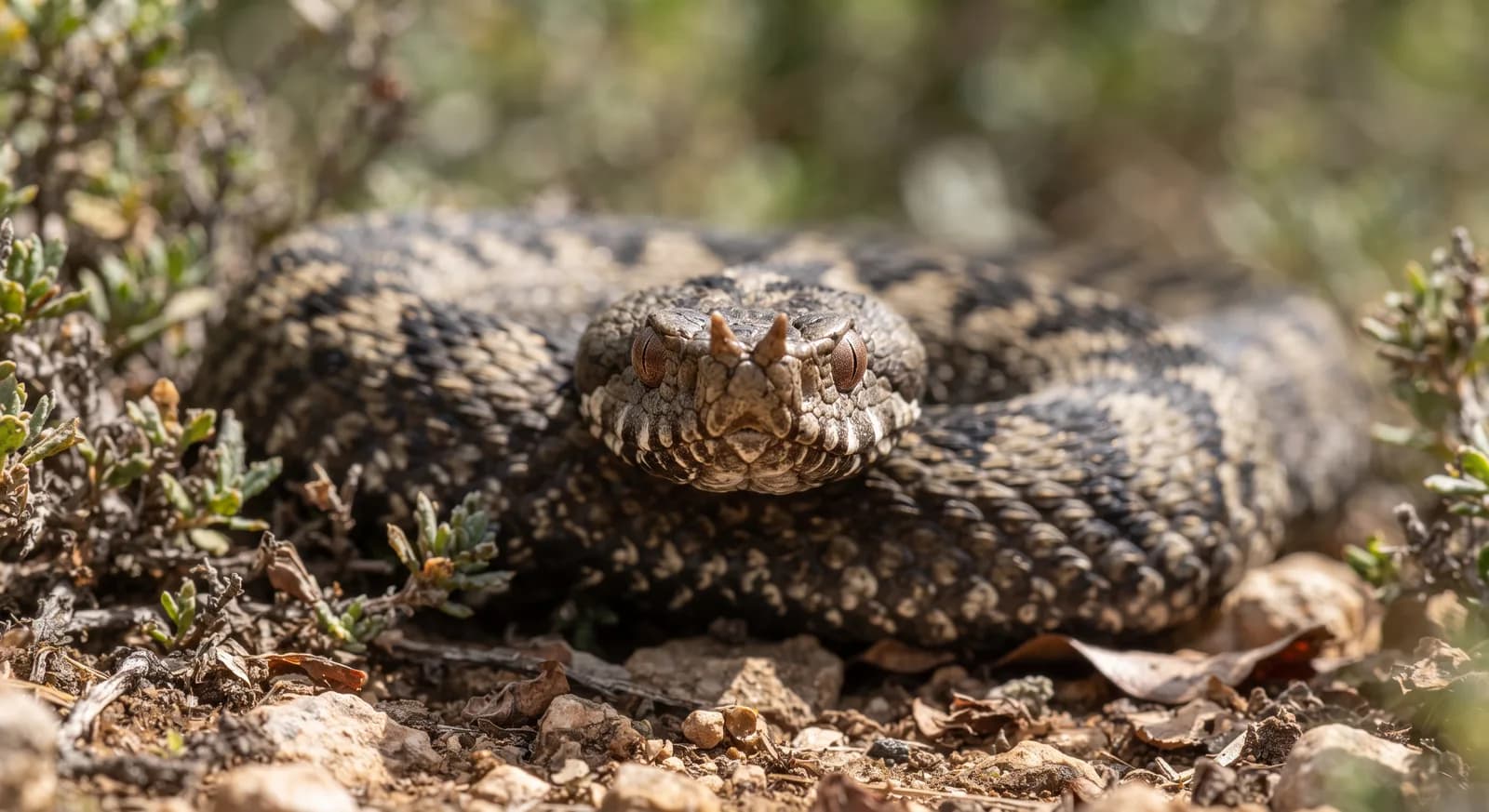
Vipera aspis
The species is abundant and widely distributed; it faces no significant short-term risk.
Its name recalls the asp that, in the account of the Roman historian Velleius Paterculus, killed the Egyptian queen Cleopatra, though that asp is usually identified with the Egyptian cobra and the historical evidence for how she actually died remains disputed.
Weight
up to 400 g
Size
60 cm – 85 cm
Life expectancy
20 years
Diet
Carnivore
Feeds mainly on other animals.
Activity
Diurnal
Active mainly during the day.
Social structure
Solitary
Lives and hunts alone, joining others only to breed.
AI-generated images: illustrations, not photographs.
Sources consulted: Critter Science · The Snake Guide · AnAge (genomics.senescence.info) · SnakeEstate · PMC (envenomation Marseille poison centre study)
Best time: From March to October, in mid-morning, when it basks on scree, field edges and walls in northern Iberia, the Pyrenees and the Alps.
The pins mark the parks where its presence is documented.
Parks and dive sites where this species has been documented — showing 10 of 28.
Other species in the catalogue with the most in common with Asp Viper — same habitat, park, country, tags or family.
Based on what we already know about asp viper.