 Least Concern
Puff Adder
Bitis arietans
47 countries76 parks
Species group · Reptiles
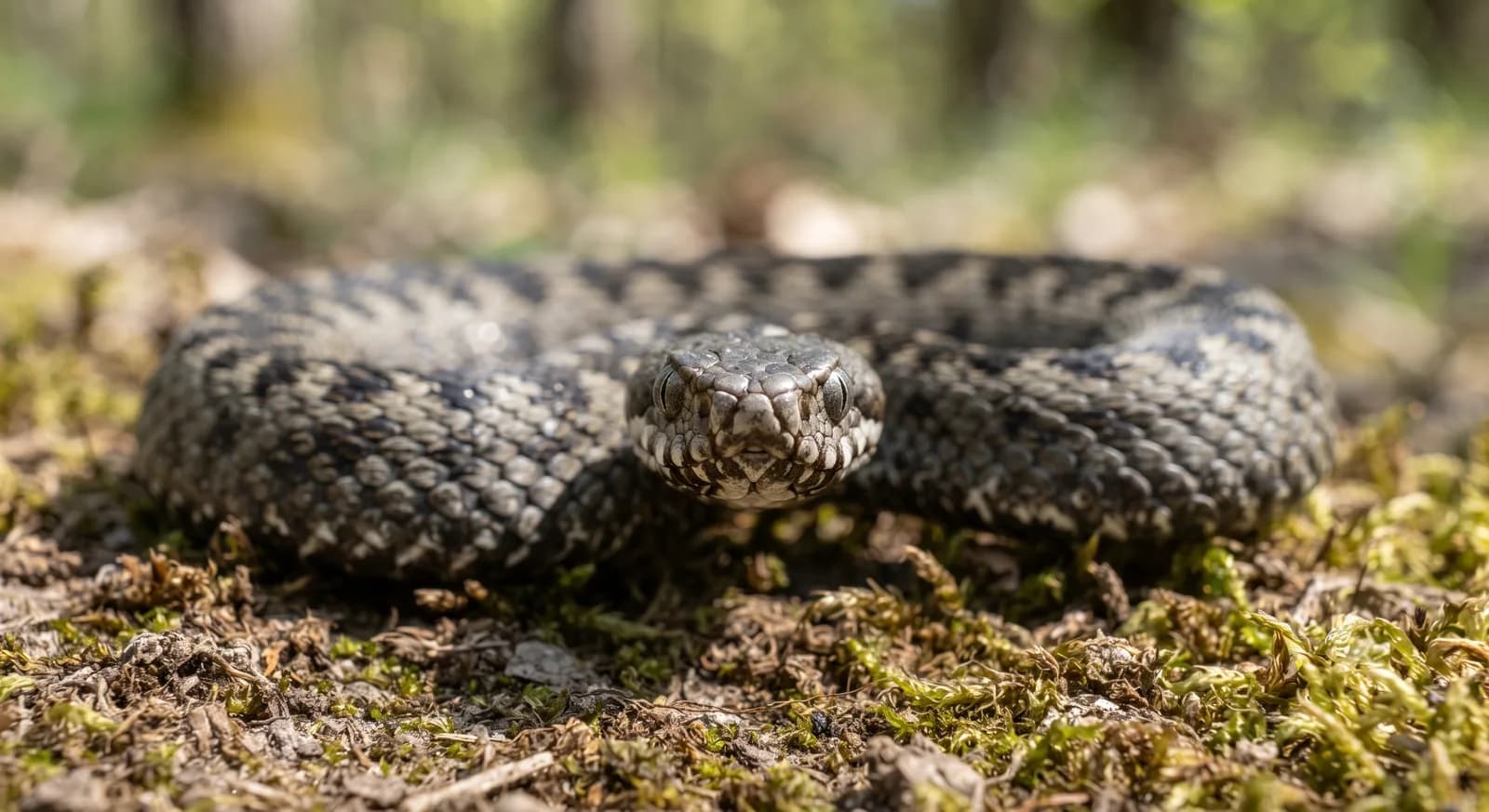
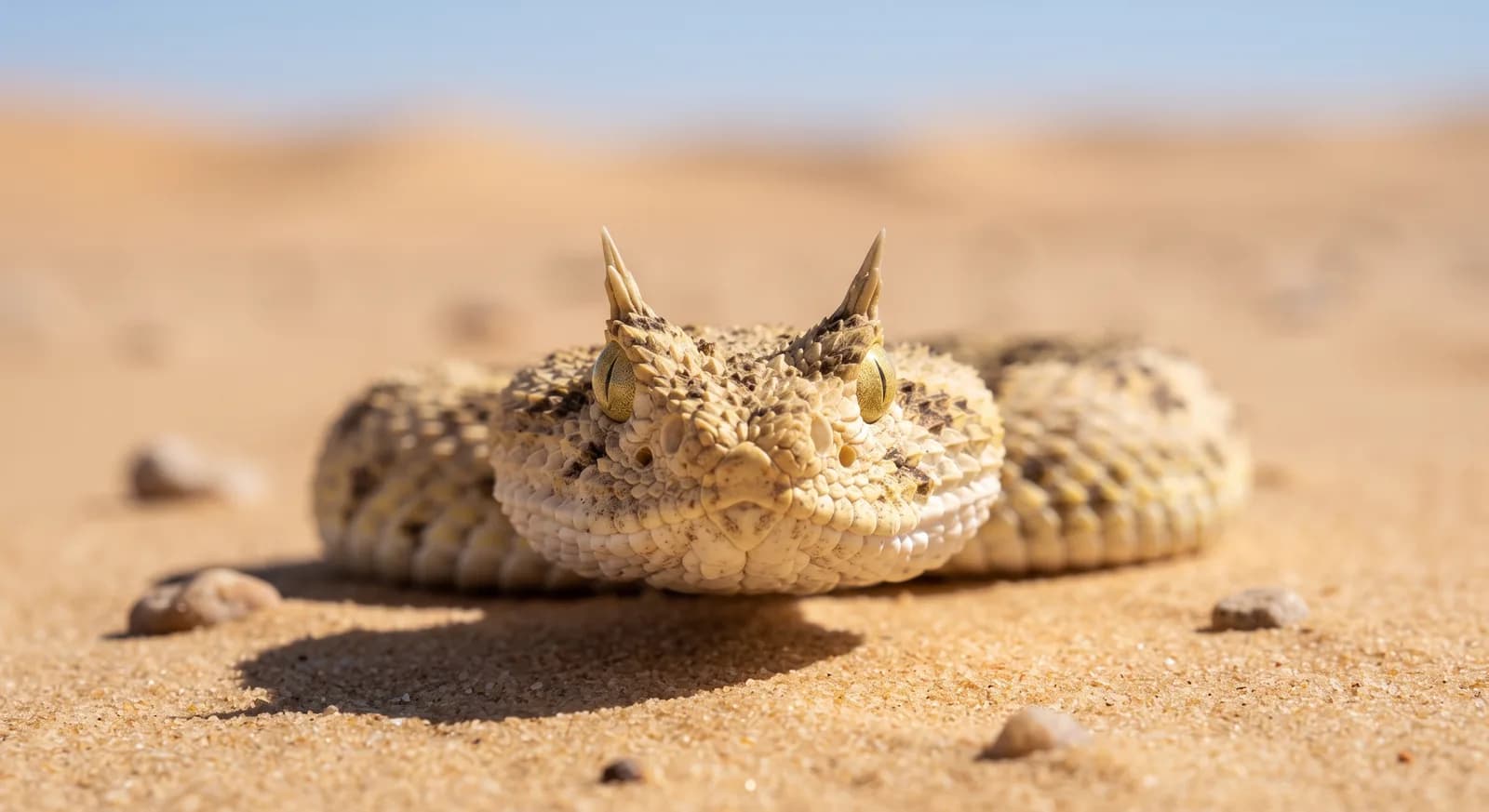
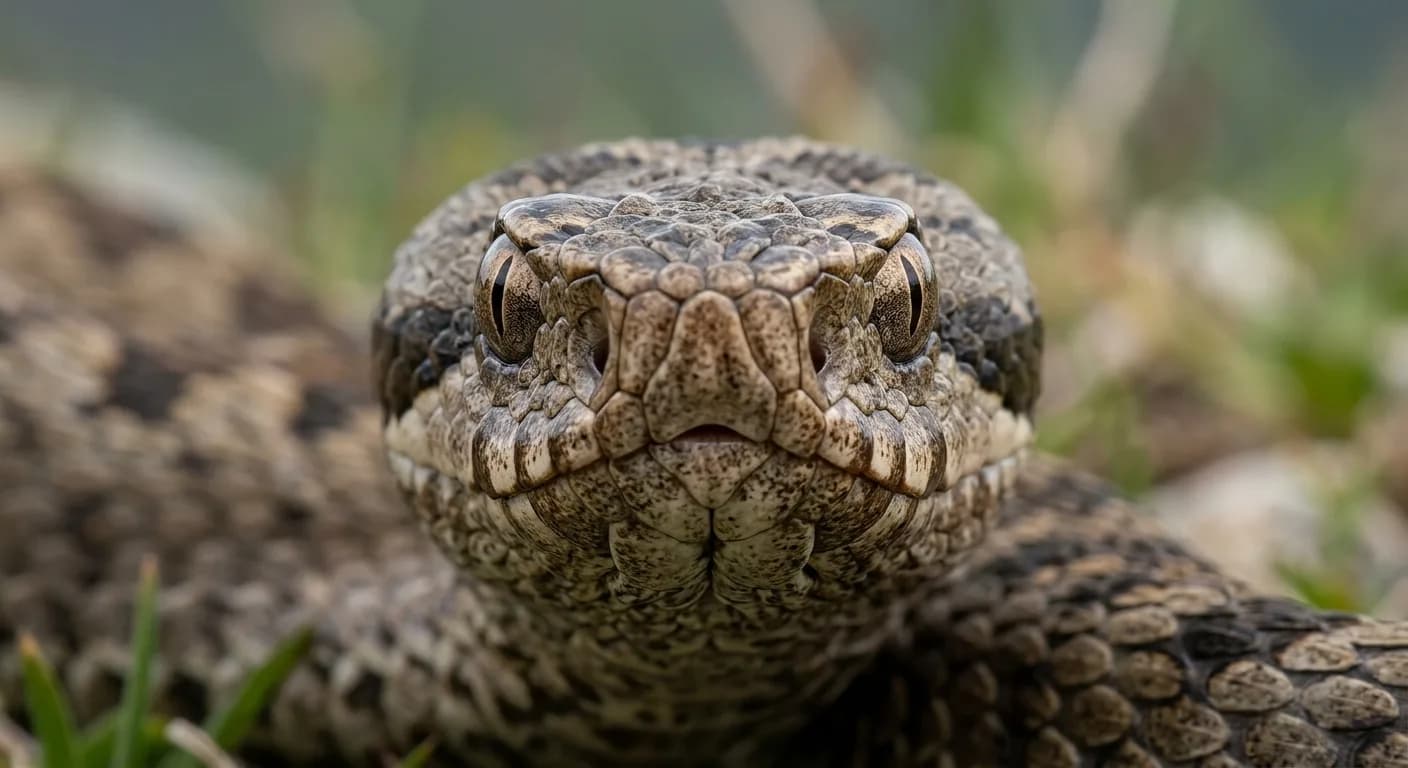
WAnimals has 12 species of viper, in the family Viperidae.
Each one has its own full profile. This group does not replace them: it brings them together.
1 species in this group is in a threatened category according to the IUCN.
Recorded in 136 countries. The ones with the most species in the group:
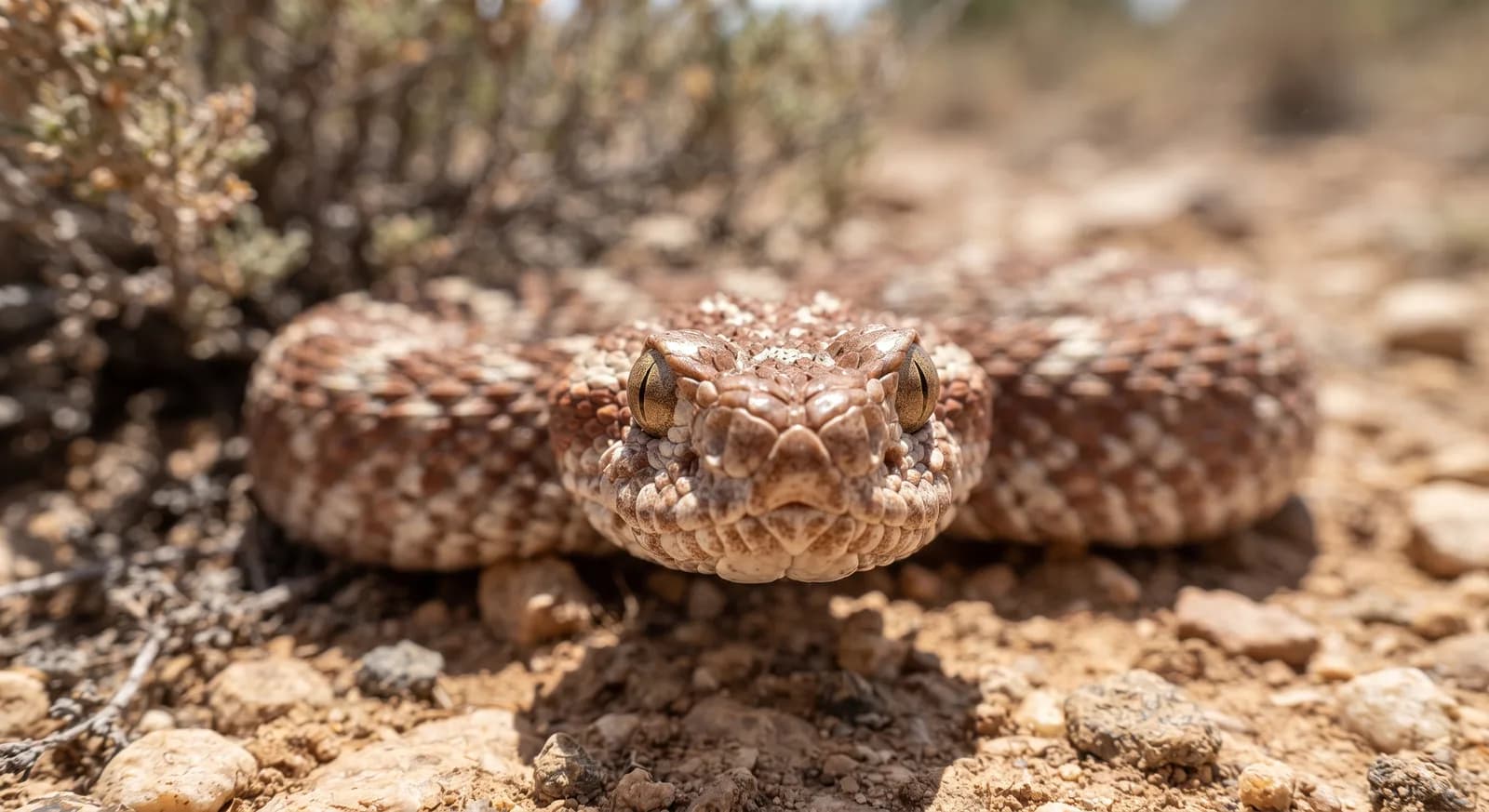
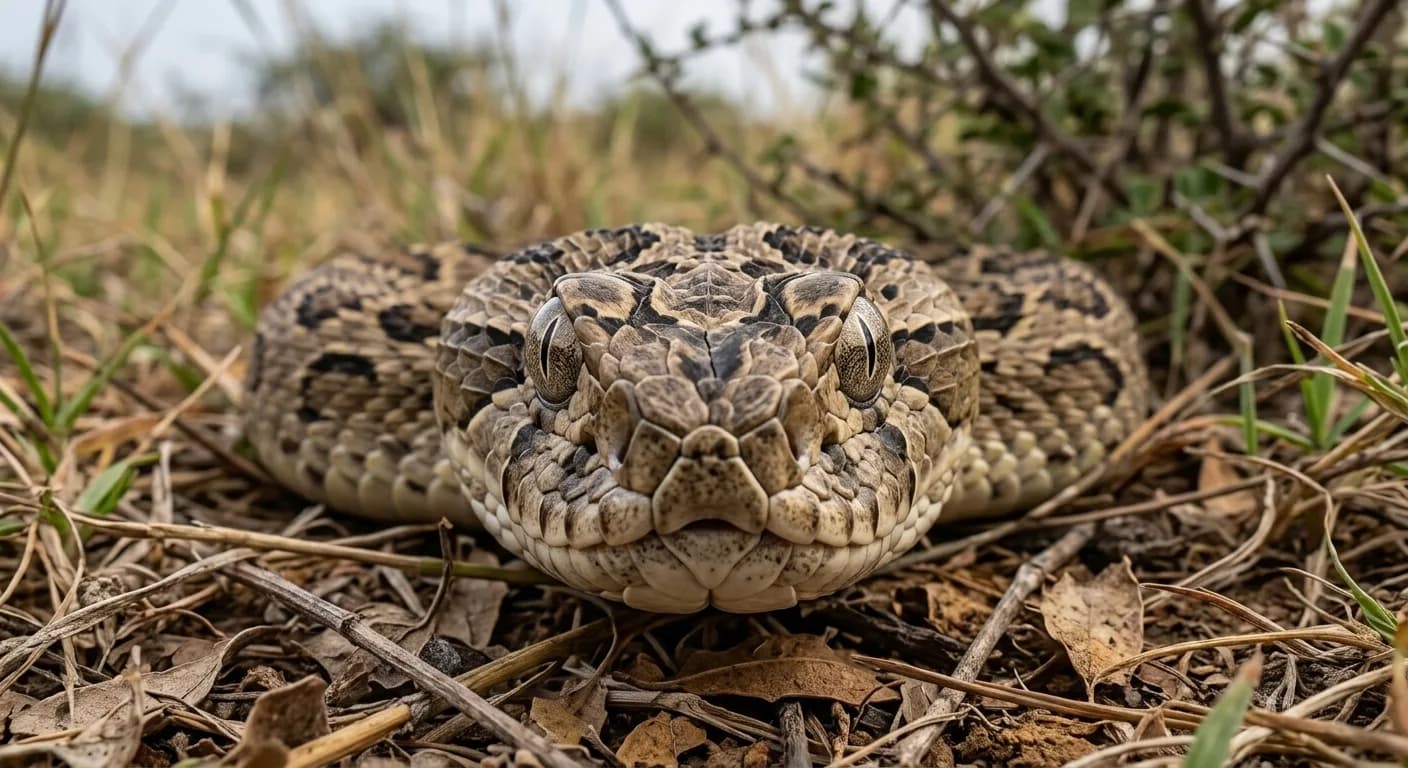
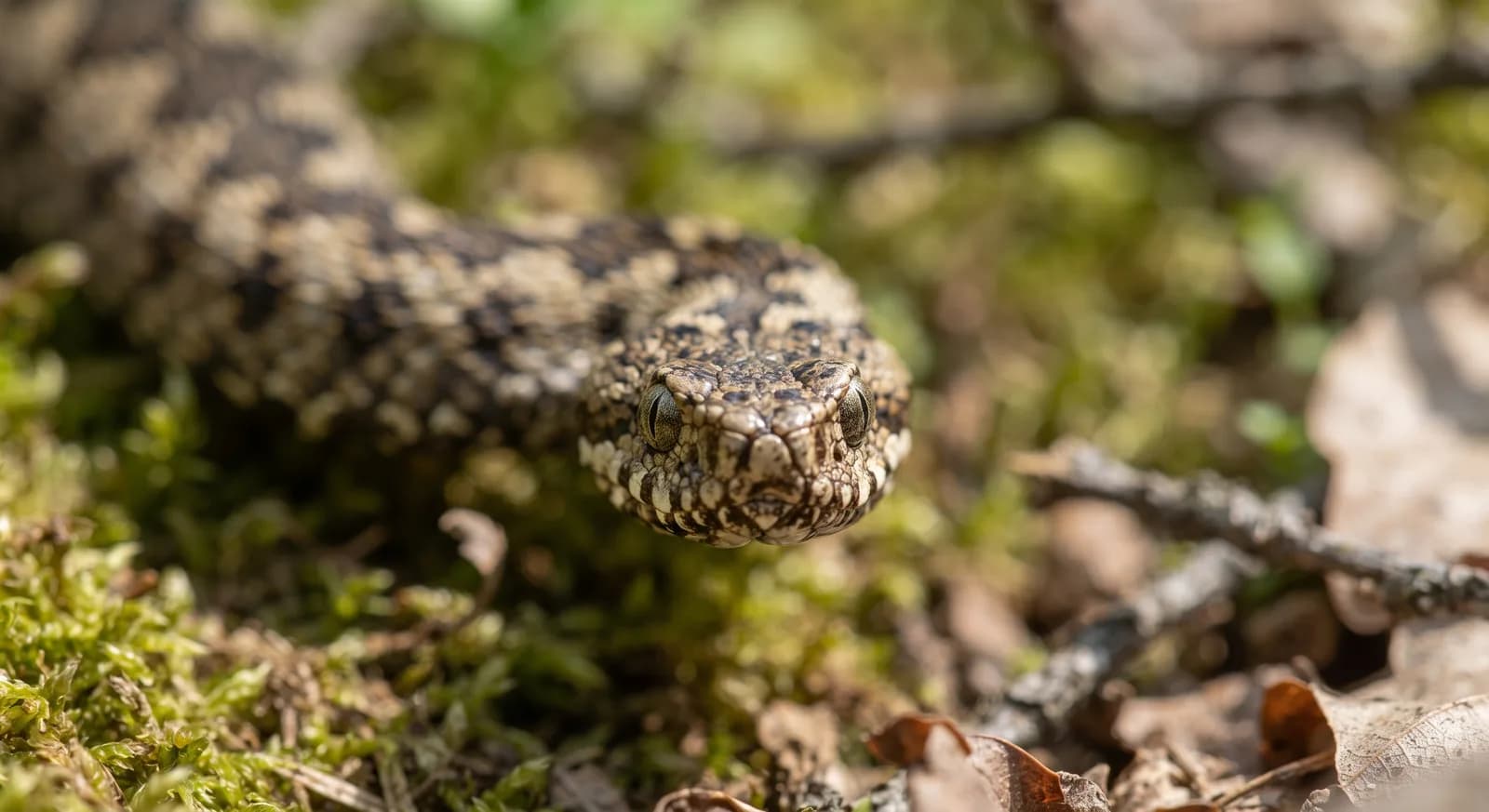
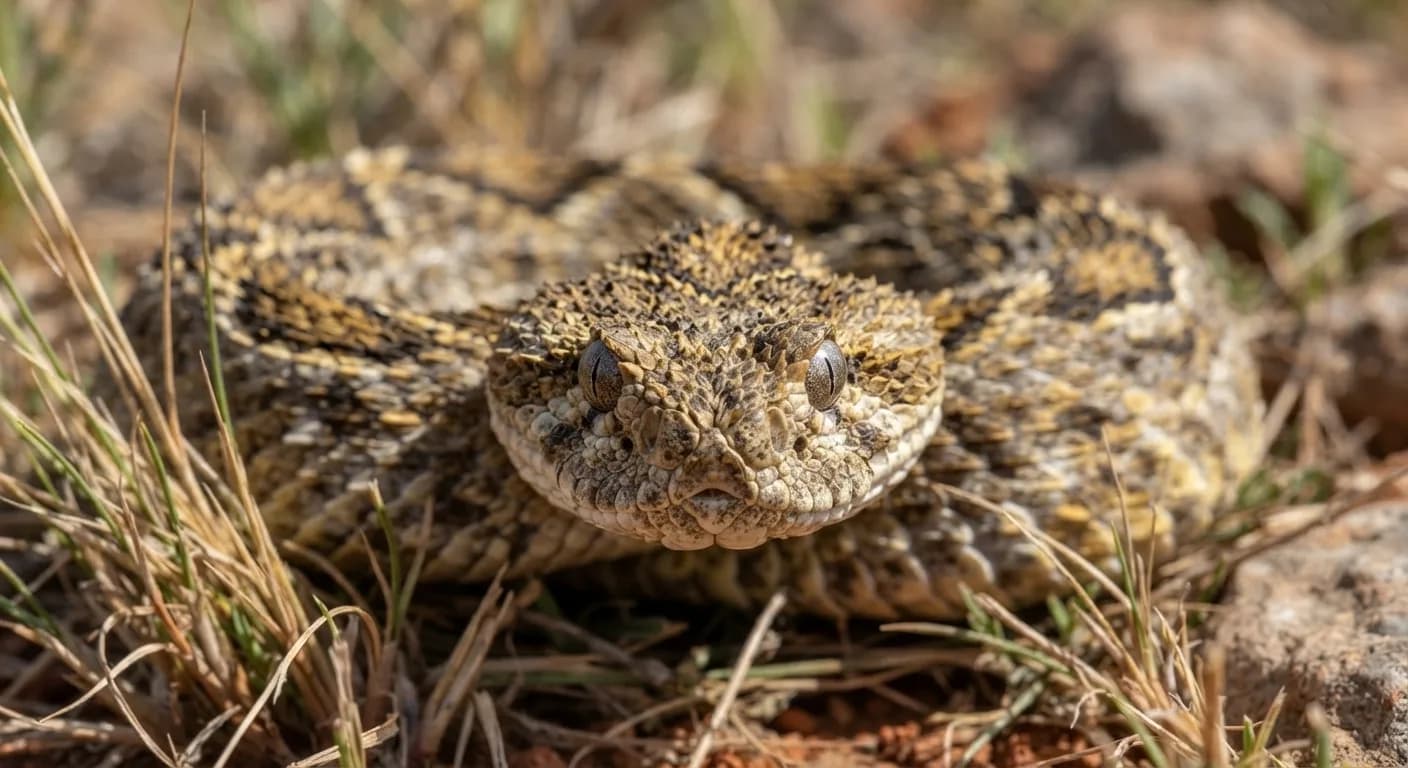
Although it accounts for a great many bites across Africa because of its wide distribution, it is usually a slow-moving snake that would rather rely on camouflage than flee.
From
A Kenyan female in a Czech zoo gave birth to 156 young: the largest litter recorded in any snake in the world.
From
It kills more people than any other African snake, not through aggression but through the opposite: it trusts its camouflage so completely that it does not move off the path and people tread on it.
From
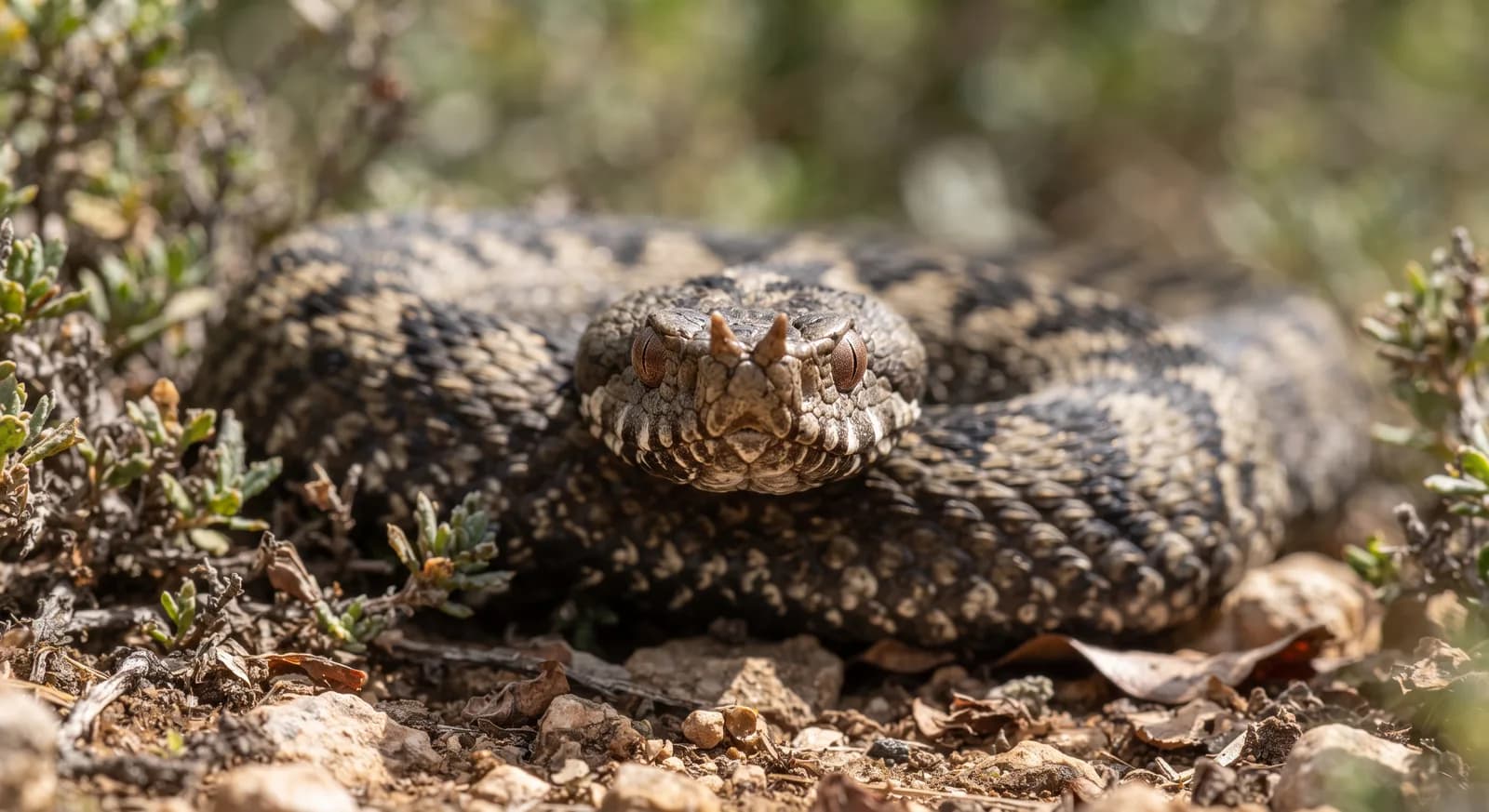
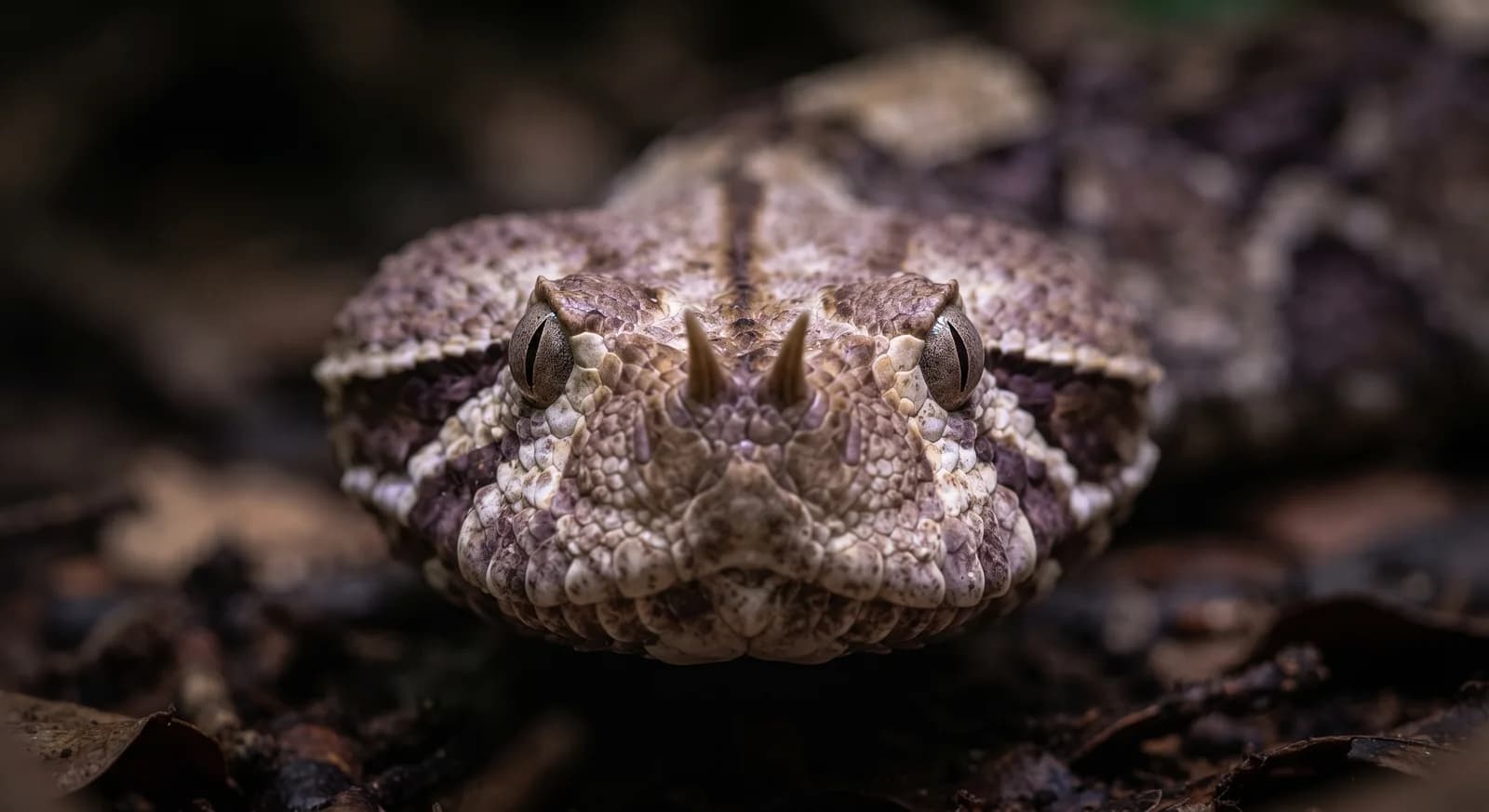
Endemic to south-western Europe and the Maghreb; it is recognised by the horn on its snout.
From
It is one of the few venomous snakes native to the Iberian Peninsula, and can sense the body heat of small mammals even in total darkness.
From
It is one of only three vipers on the Iberian Peninsula, alongside the asp viper and Seoane's viper, and the most widespread across the centre and south of the peninsula.
From
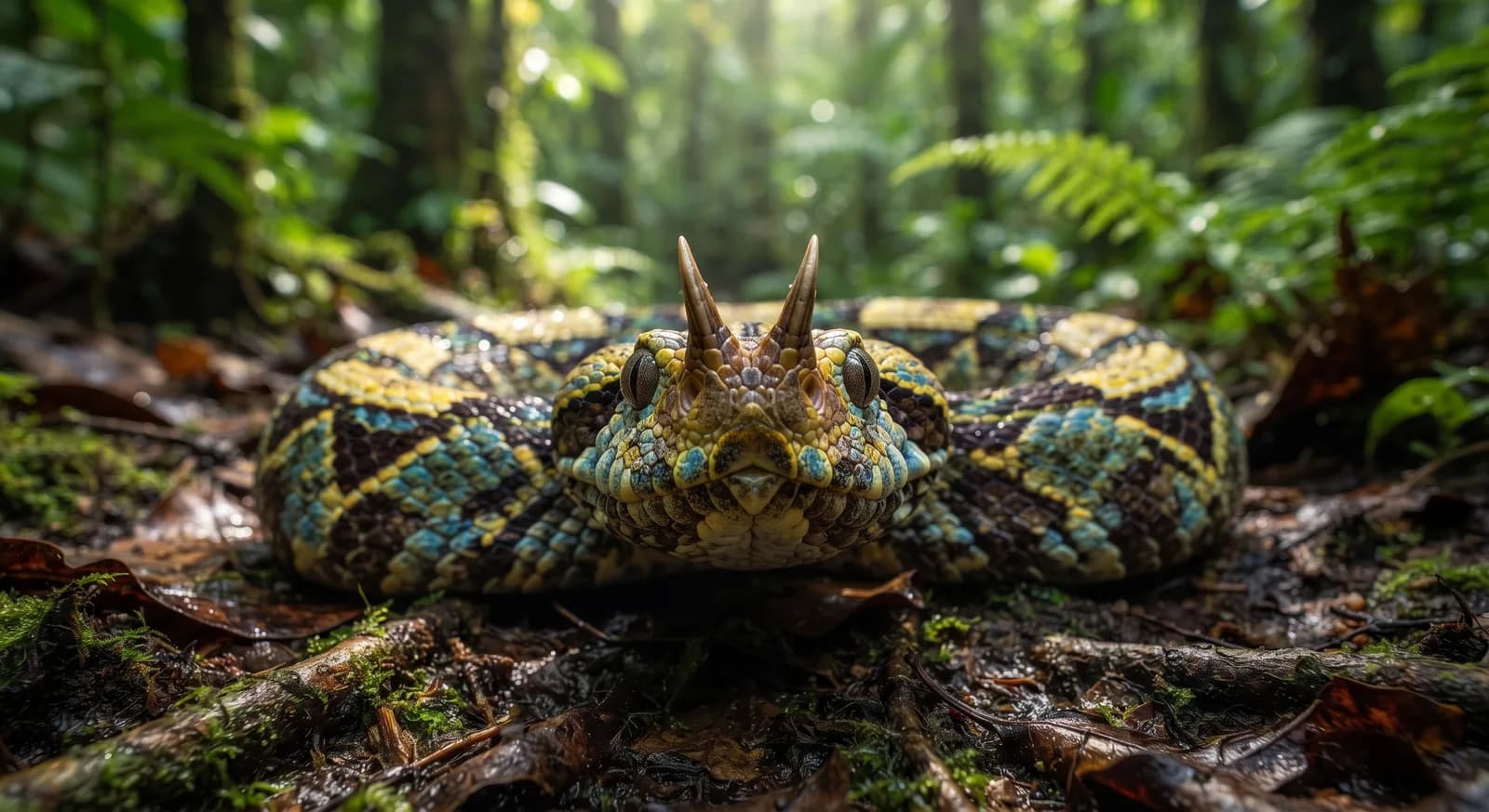
Its skin, patterned in geometric blues and greens, makes it invisible in the leaf litter.
From
·
Ranges calculated from the profiles that record the figure, not from all 12.
It is probably the most colourful snake in Africa: a mosaic of purple, blue, green, red and yellow that, against the damp leaf litter of the forest floor, works as perfect camouflage despite looking impossible in the hand.
From