Skip to content
WAnimals
  • Map
  • Species
  • Parks
  • Diving
Log inCreate account
WAnimals

The guide for travellers and animal lovers: discover, plan and share your wild adventures around the world.

Discover wildlife

  • Species
  • Ecosystems
  • Glossary
  • Tags

Explore places

  • Map
  • Countries
  • Parks
  • Diving

Plan experiences

  • Guides

Learn

  • Blog

Resources

  • Help centre
  • Contact
  • Install the app

Follow us

Account

  • Log in
  • Create account

© 2026 WAnimals. All rights reserved.

About usHow we build our profilesTerms of servicePrivacyLegal notice
MapSpeciesParksDiving
  1. Home
  2. Species
  3. Banded Leporinus

Bony fish · Characiformes · Anostomidae

Banded Leporinus

Leporinus fasciatus

Least Concern

The species is abundant and widely distributed; it faces no significant short-term risk.

Spotted something wrong?

A fish with a cylindrical, elongated body, yellowish with broad vertical black bands, native to the fast-flowing rivers of South America. It feeds on plant matter, seeds, fallen fruit and invertebrates, and its incisor-like front teeth let it tear off tough vegetation.

Size

20 cm – 30 cm

Diet

Omnivore

Combines animal and plant food depending on availability.

Activity

Diurnal

Active mainly during the day.

Social structure

Colony

Lives in large concentrations, often for breeding reasons.

Sighting difficulty

Easy

Freshwater
12countries12parks

Fun facts

  • Its front teeth, flat and protruding like a rodent's, give it its Spanish name of leporino, meaning hare-toothed.
  • It is an exceptional jumper: in captivity it escapes through any gap if the aquarium is not well covered.
  • The number of dark bands changes with age: juveniles have fewer than adults.
  • Its black transverse bands on a yellow background are disruptive camouflage: they break up the fish's outline among the vegetation and the reflections of moving water.
  • It has prominent incisor teeth, almost like buck teeth, which give it a rabbit-like look and serve to tear off vegetation and scrape algae from stones.
  • It is a remarkable jumper: in an aquarium it will easily leap out of the tank if it is not well covered, a reflection of its life in flowing rivers where it must clear obstacles.
  • The number of bands varies with age and with population, which has led to it being confused with other species in the genus.

Life cycle and biology

Skeleton type
Vertebrate - internal bony skeleton (fish)
Habitat and environment
Fast-flowing rivers and rapids of the Amazon and Orinoco basins

Sources consulted: https://es.wikipedia.org/wiki/Leporinus_fasciatus

Where to find it

Loading map…

The pins mark the parks where its presence is documented.

Where to see it

Parks and dive sites where this species has been documented — showing 10 of 12.

Related species

Other species in the catalogue with the most in common with Banded Leporinus — same habitat, park, country, tags or family.

Shares a park
Shares a park
Shares a park
Shares a park
Shares a park
Shares a park

Keep exploring

Based on what we already know about banded leporinus.

Comments

Share an experience, a fun fact or a tip for seeing the banded leporinus.

Be the first to comment.
See full glossary
This page in other languages: Español · Deutsch · Français · Português · Italiano
See its range on the interactive map→
Pantanal MatogrossenseBrazil
ManuPeru
TambopataPeru
YasuníEcuador
AmacayacuColombia
MadidiBolivia
CanaimaVenezuela
AnavilhanasBrazil
Pacaya-Samiria National ReservePeru
El TuparroColombia
See all 12 parks
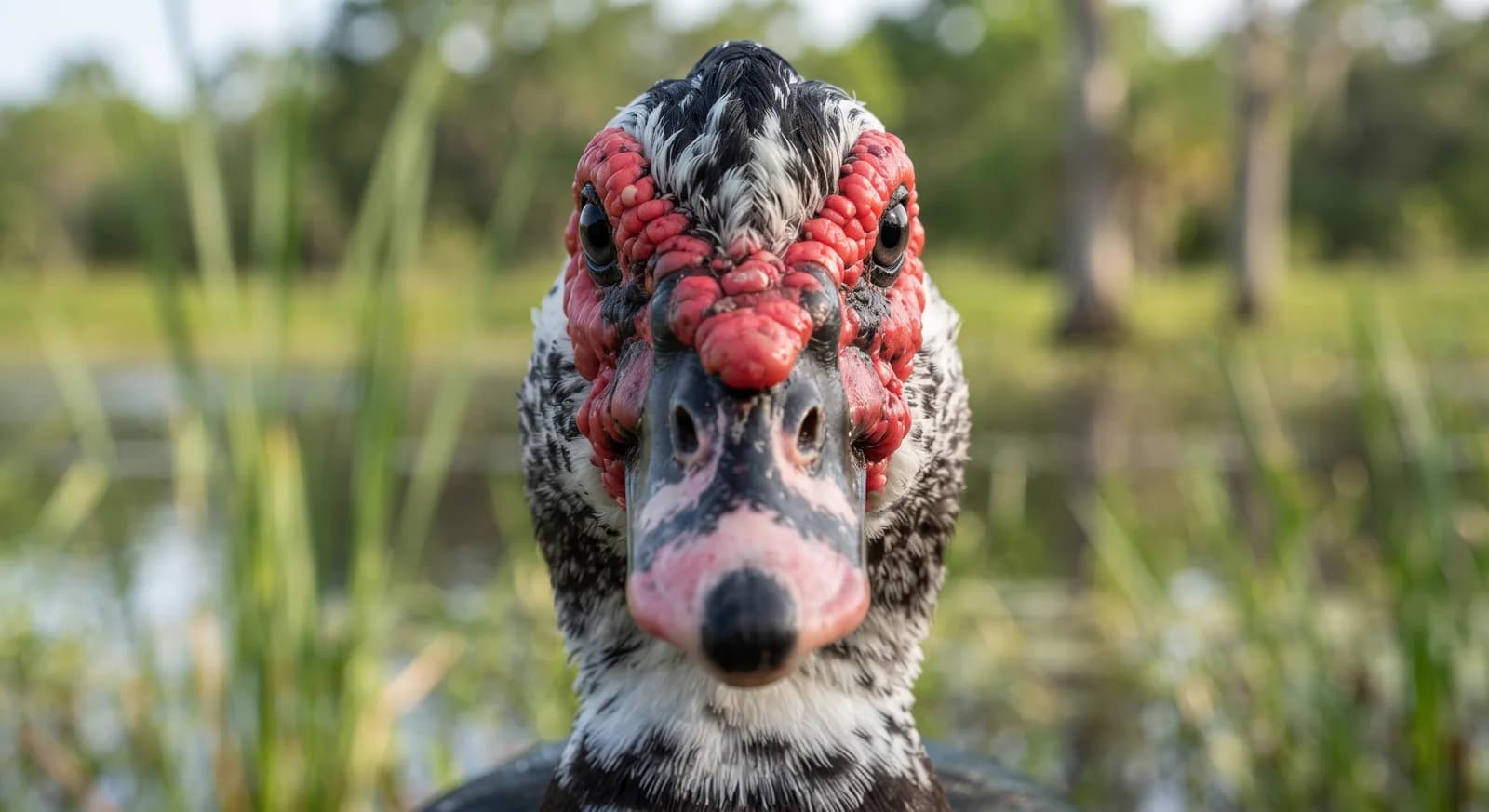
Muscovy DuckLeast Concern

Muscovy Duck

Cairina moschata

Least Concern

Red Pirai

Pygocentrus nattereri

Near Threatened

Cachama

Colossoma macropomum

Least Concern

Silver Arawana

Osteoglossum bicirrhosum

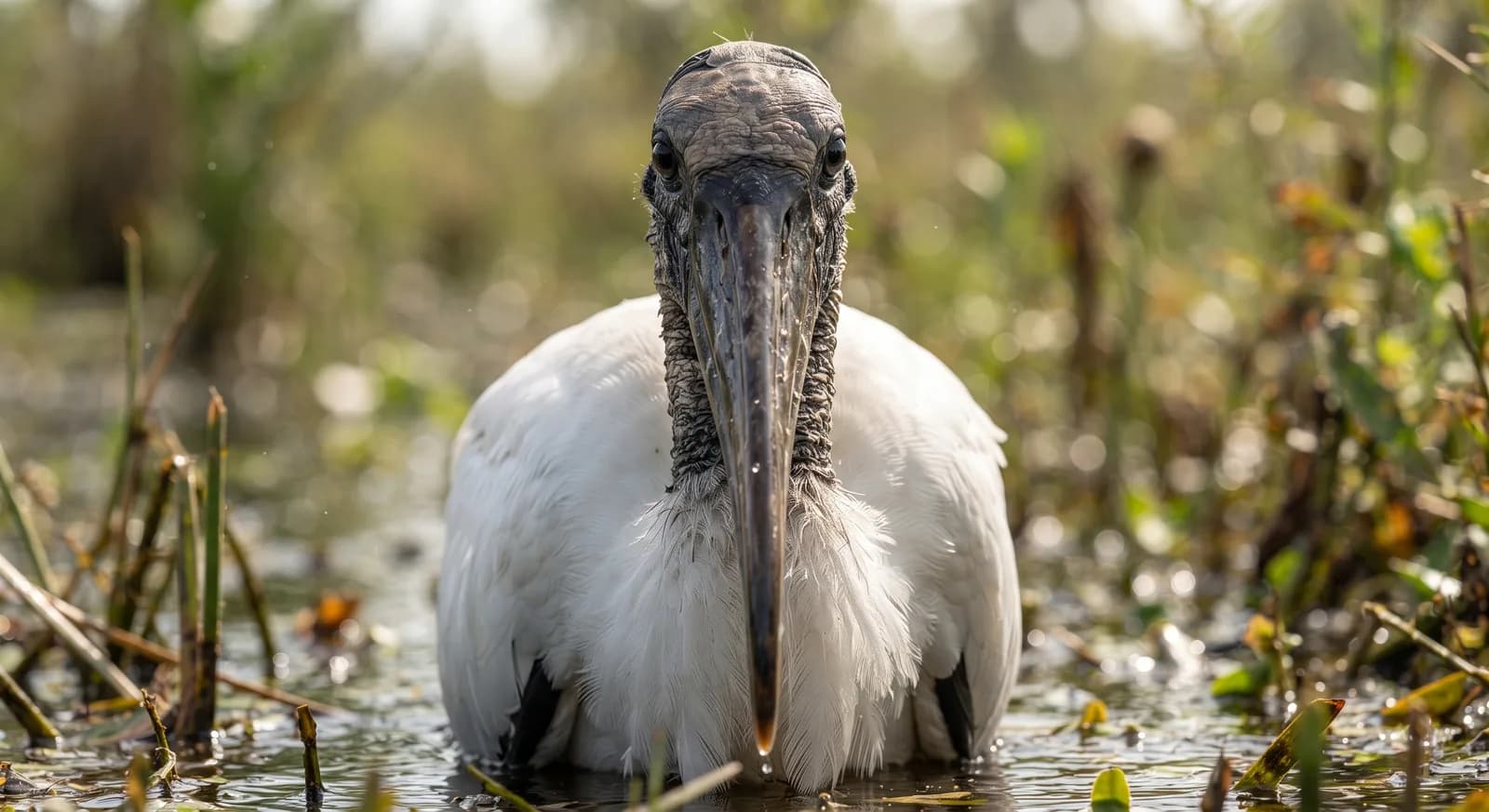
Wood StorkLeast Concern

Wood Stork

Mycteria americana

Least Concern

Knob-billed Duck

Sarkidiornis melanotos

CountriesBrazil
ParksPantanal MatogrossenseBrazil
TagsOmnivore
Omnivore
Diurnal
Colonial
Fish
Freshwater

South America11

North America1

Brazil
Peru
Colombia
Bolivia
Ecuador
Venezuela
Argentina
Bolivia
Brazil
Colombia
Ecuador
French Guiana
Guyana
Paraguay
Peru
Suriname
Venezuela
Trinidad and Tobago