Skip to content
WAnimals
  • Map
  • Species
  • Parks
  • Diving
Log inCreate account
WAnimals

The guide for travellers and animal lovers: discover, plan and share your wild adventures around the world.

Discover wildlife

  • Species
  • Ecosystems
  • Glossary
  • Tags

Explore places

  • Map
  • Countries
  • Parks
  • Diving

Plan experiences

  • Guides

Learn

  • Blog

Resources

  • About us
  • How we build our profiles
  • Help centre
  • Contact
  • Install the app

Follow us

Account

  • Log in
  • Create account

© 2026 WAnimals. All rights reserved.

Terms of servicePrivacyCookiesLegal notice
MapSpeciesParksDiving
  1. Home
  2. Species
  3. Bronze Corydoras

Bony fish · Siluriformes · Callichthyidae

Bronze Corydoras

Corydoras aeneus

Least Concern

The species is abundant and widely distributed; it faces no significant short-term risk.

Spotted something wrong?

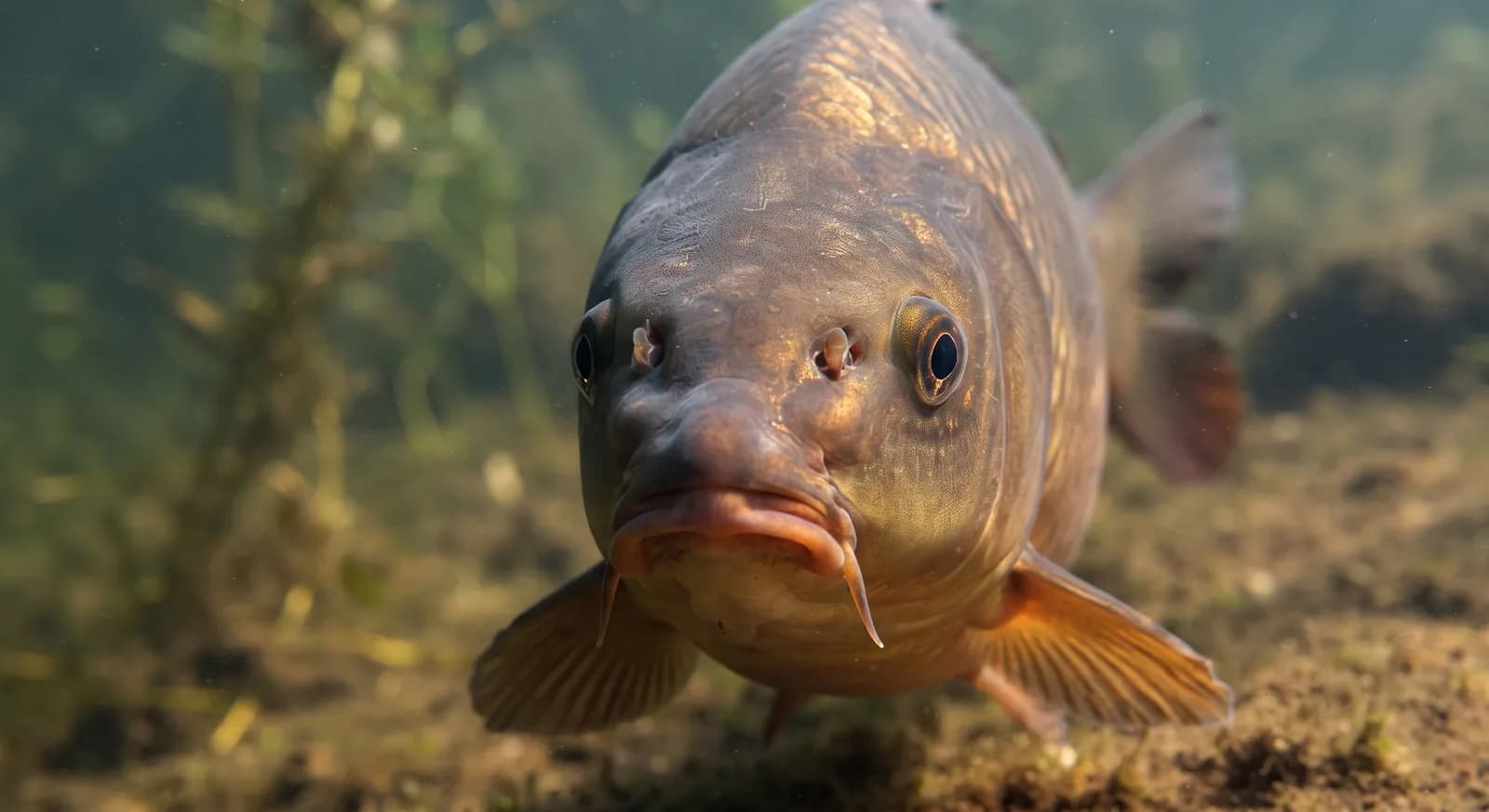
Corydoras aeneus, commonly called the bronze corydoras, is a siluriform ray-finned fish of the family Callichthyidae. It lives in fresh watercourses from northern South America to the River Plate. Like other species of its genus, it is popular in the aquarium trade as a secondary occupant of a tank, since it eats the scraps of food that fall to the bottom, which is where many of its vernacular names come from.

Size

5 cm – 7.5 cm

Life expectancy

10 years

Diet

Omnivore

Combines animal and plant food depending on availability.

Activity

Nocturnal

Active mainly at night.

Social structure

Colony

Lives in large concentrations, often for breeding reasons.

Freshwater
12countries

Fun facts

  • It breathes air: it comes to the surface, gulps a bubble and absorbs it in the gut, which lets it survive in pools with almost no oxygen.
  • The spines of its pectoral and dorsal fins lock in the erect position and can stick into a predator's mouth or into the hands of anyone handling it.
  • Fertilisation is peculiar: the female drinks the male's sperm, passes it through her gut and releases it over the eggs she holds between her pelvic fins.
  • It breathes air through its gut. It rises to the surface, gulps a mouthful and absorbs the oxygen through the intestinal wall, expelling the surplus through the anus. It does so between one and forty-five times an hour, depending on the oxygen in the water.
  • That accessory breathing is what lets it live in shallow, poorly oxygenated pools where other fish cannot cope.
  • It lives in shoals of twenty to thirty individuals and becomes stressed if kept alone.
  • It has a sharp spine on its pectoral, dorsal and anal fins, with a mild toxin that makes fish that try to swallow it let go.
  • During breeding it adopts the so-called T-position: the male places himself perpendicular to the female, who collects the sperm with her mouth and then deposits the eggs, a millimetre across, stuck to the substrate.
  • It has been established as an introduced species on two islands of Hawaii since the 1980s.

Life cycle and biology

Skeleton type
Vertebrate - internal bony skeleton (fish)
Habitat and environment
Streams, pools and soft-bottomed backwaters of South America

Sources consulted: Wikipedia (es): Corydoras aeneus

Where to find it

Loading map…

Related species

Other species in the catalogue with the most in common with Bronze Corydoras — same habitat, park, country, tags or family.

Related to
Related to
Related to
Related to
Related to
Related to

Keep exploring

Based on what we already know about bronze corydoras.
Share an experience, a fun fact or a tip for seeing the bronze corydoras.
See full glossary
This page in other languages: Español · Deutsch · Français · Português · Italiano
See its range on the interactive map→
Least Concern

African Catfish

Clarias gariepinus

Least Concern

Green Swordtail

Xiphophorus hellerii

Least Concern

Banded Leporinus

Leporinus fasciatus

Least Concern

Giant River Prawn

Macrobrachium rosenbergii

Least Concern

Green Discus

Symphysodon aequifasciatus

KoiLeast Concern

Koi

Cyprinus rubrofuscus

CountriesArgentina
TagsOmnivore
Omnivore
Nocturnal
Colonial
Fish
Freshwater

South America11

North America1

Argentina
Bolivia
Brazil
Colombia
Ecuador
French Guiana
Argentina
Bolivia
Brazil
Colombia
Ecuador
French Guiana
Guyana
Paraguay
Peru
Suriname
Venezuela
Trinidad and Tobago