 Least Concern
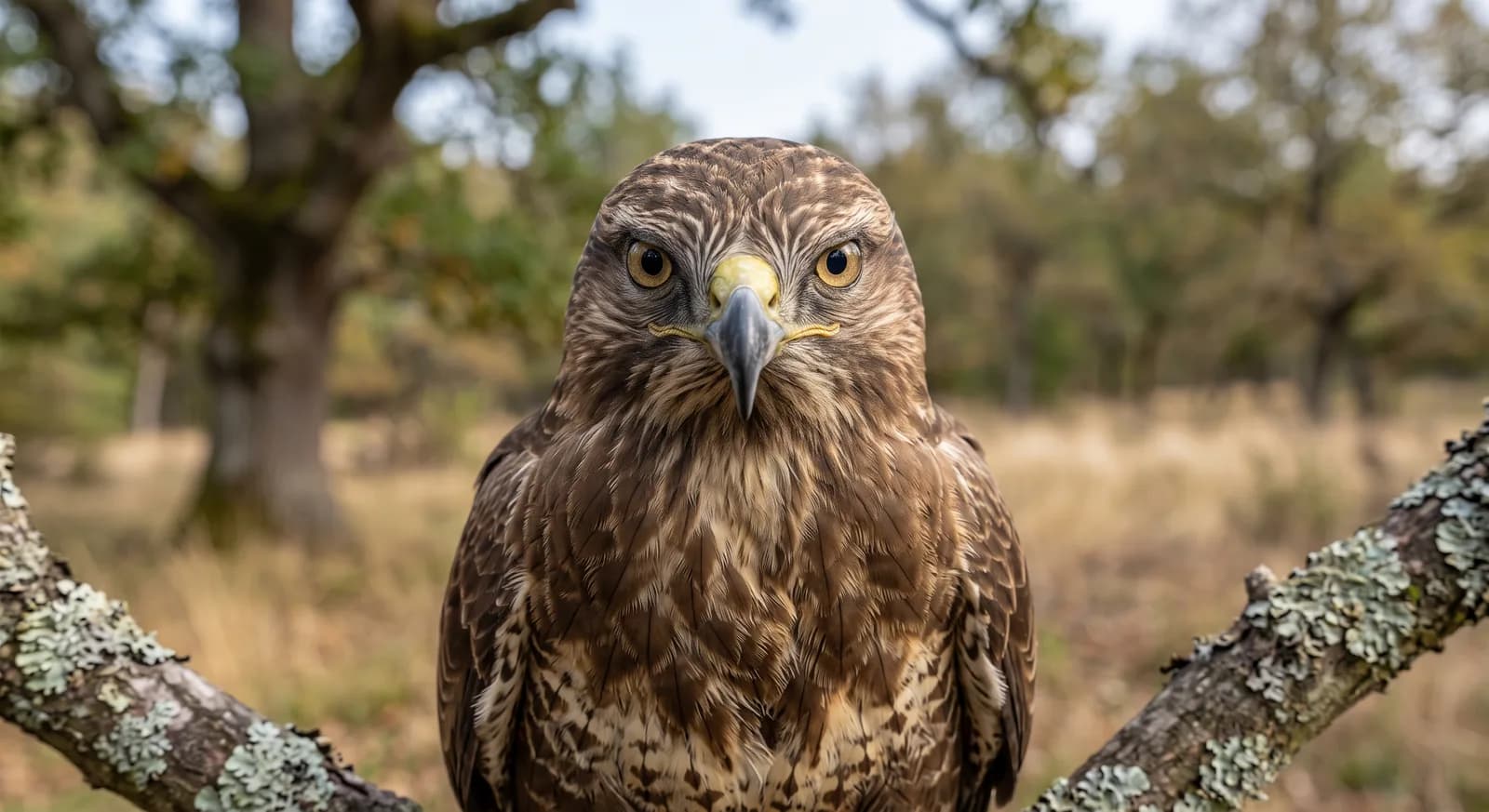
Common Buzzard
Buteo buteo
One of the 4 mantises on WAnimals
Insects · Mantodea · Empusidae
Empusa fasciata
There is not enough information to assess its risk of extinction.
A mantis with an extremely long, slender body, a pointed crown-like extension on the head and feathery antennae in the males. It lives in the dry scrub of the Balkans, Turkey and the Middle East, where it waits motionless, mimicking a dry stem.
Size
4.5 cm – 6.5 cm
Life expectancy
1 year
Diet
Carnivore
Feeds mainly on other animals.
Activity
Diurnal
Active mainly during the day.
Social structure
Solitary
Lives and hunts alone, joining others only to breed.
Sighting difficulty
Unknown
Sources consulted: Battiston et al., Mantids of the Euro-Mediterranean Area; Ehrmann, Mantodea der Welt; Lista Roja UICN (Battiston et al. 2020), evaluacion de Empusa fasciata; Ficha de especie de Empusa fasciata (observaciones de Croacia al golfo de Trieste); Ficha de especie de Empusa fasciata
Best time: Adults from May onwards, on south-facing slopes of flysch and karst, in open scrubland, where it can occur alongside Mantis religiosa
The pins mark the parks where its presence is documented.
Parks and dive sites where this species has been documented — showing 10 of 22.
Other species in the catalogue with the most in common with Devil's Mare — same habitat, park, country, tags or family.
Based on what we already know about devil's mare.
Share an experience, a fun fact or a tip for seeing the devil's mare.
Be the first to comment.