Skip to content
WAnimals
  • Map
  • Species
  • Parks
  • Diving
Log inCreate account
WAnimals

The guide for travellers and animal lovers: discover, plan and share your wild adventures around the world.

Discover wildlife

  • Species
  • Ecosystems
  • Glossary
  • Tags

Explore places

  • Map
  • Countries
  • Parks
  • Diving

Plan experiences

  • Guides

Learn

  • Blog

Resources

  • Help centre
  • Contact
  • Install the app

Follow us

Account

  • Log in
  • Create account

© 2026 WAnimals. All rights reserved.

About usHow we build our profilesTerms of servicePrivacyLegal notice
MapSpeciesParksDiving
  1. Home
  2. Species
  3. Edible-nest Swiftlet
Edible-nest Swiftlet (Aerodramus fuciphagus)

Birds · Caprimulgiformes · Apodidae

Edible-nest Swiftlet

Aerodramus fuciphagus

Least Concern

The species is abundant and widely distributed; it faces no significant short-term risk.

Spotted something wrong?

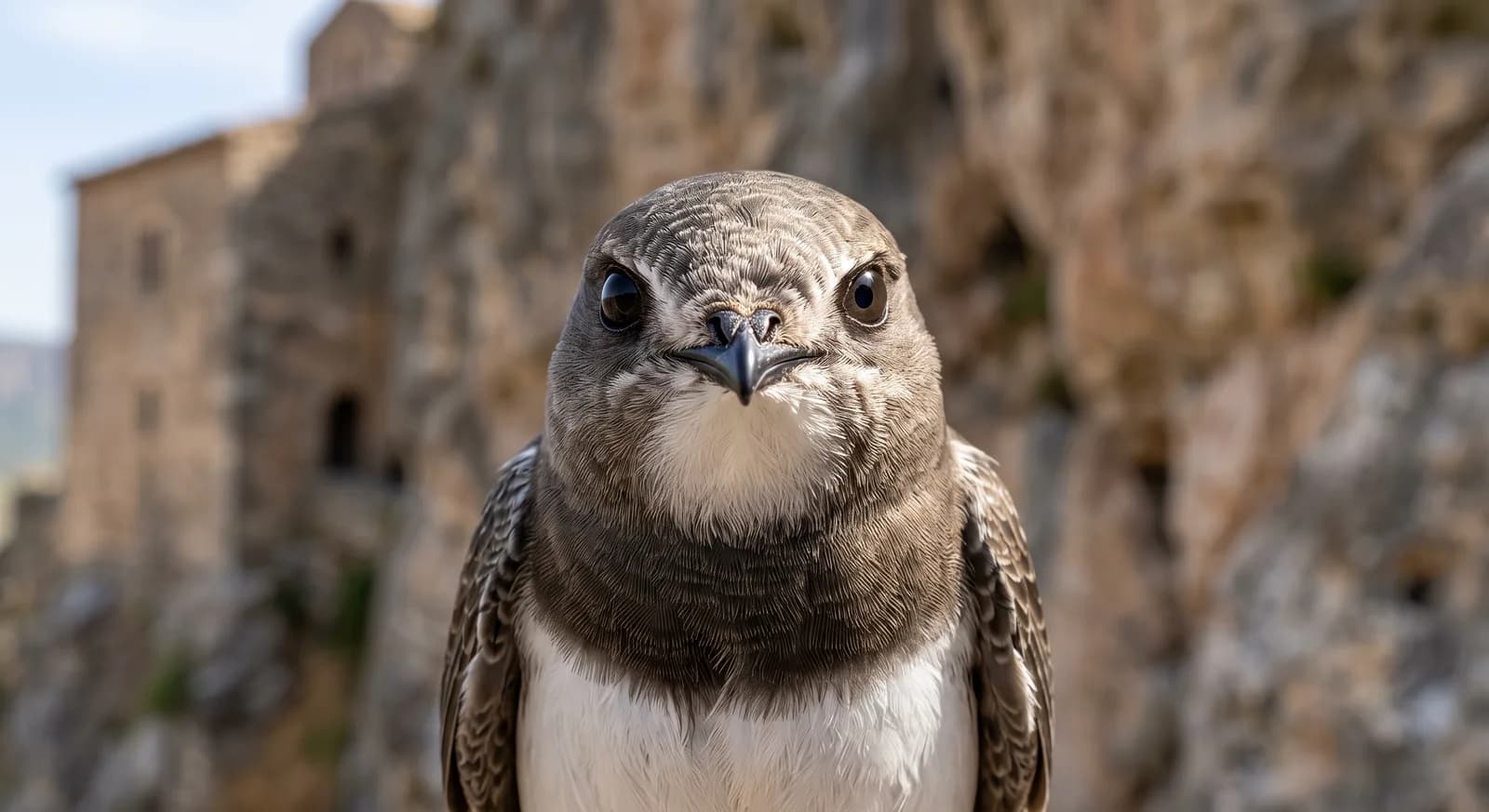
The edible-nest swiftlet is a small swift that nests in enormous colonies inside limestone caves, in total darkness. It builds its nest entirely from its own saliva, which hardens into a translucent cup fixed to the wall. Those nests are the ingredient of bird's nest soup, one of the most expensive foods in the world, and they support an industry worth billions of euros across South-East Asia.

Weight

10 g – 17 g

Size

11 cm – 12 cm

Life expectancy

18 years
Diet

Insectivore

Feeds mainly on insects and other invertebrates.

Activity

Diurnal

Active mainly during the day.

Social structure

Colony

Lives in large concentrations, often for breeding reasons.

Sighting difficulty

Easy

RainforestOceanIslands
14countries16parks6same family

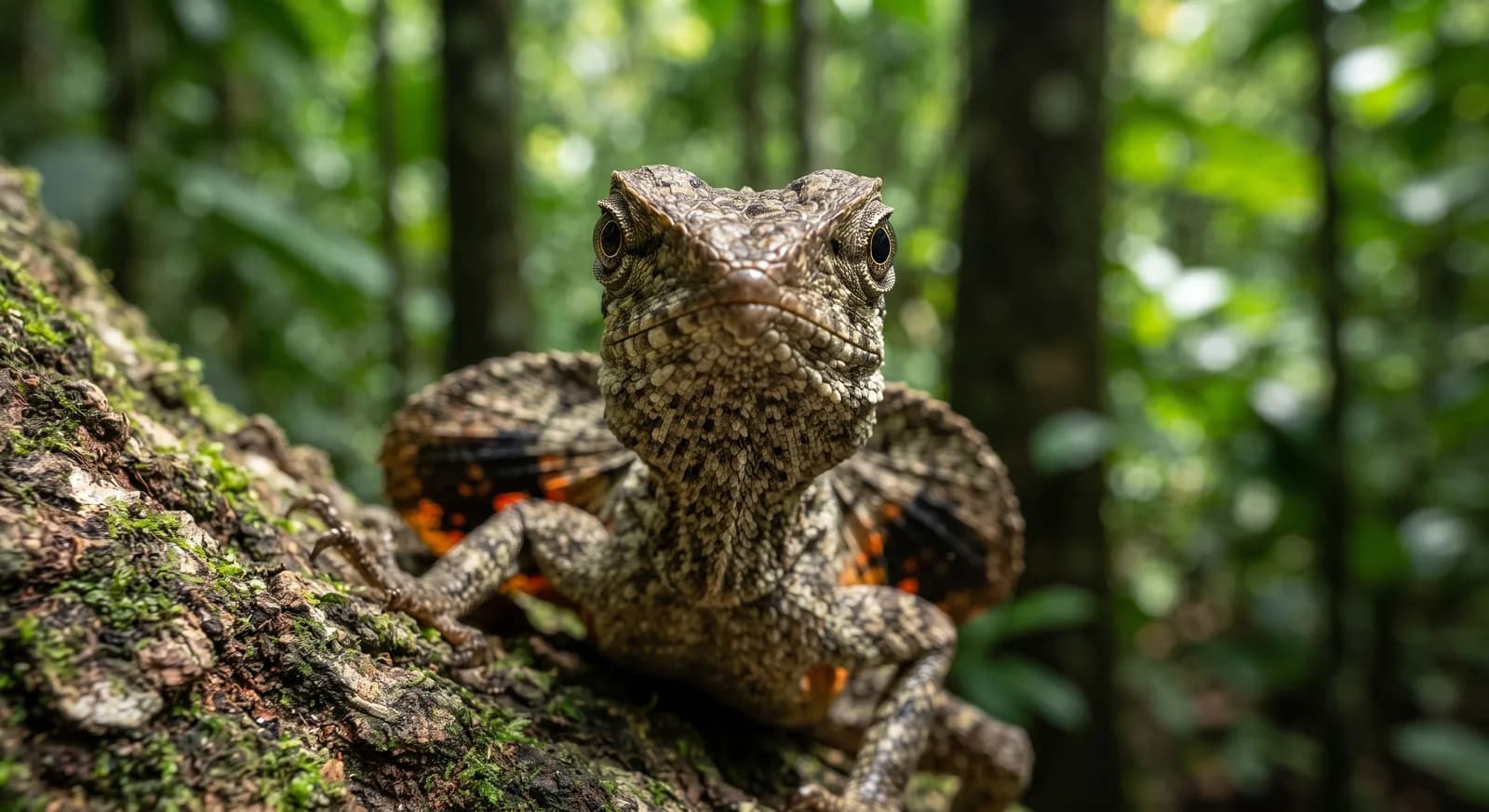
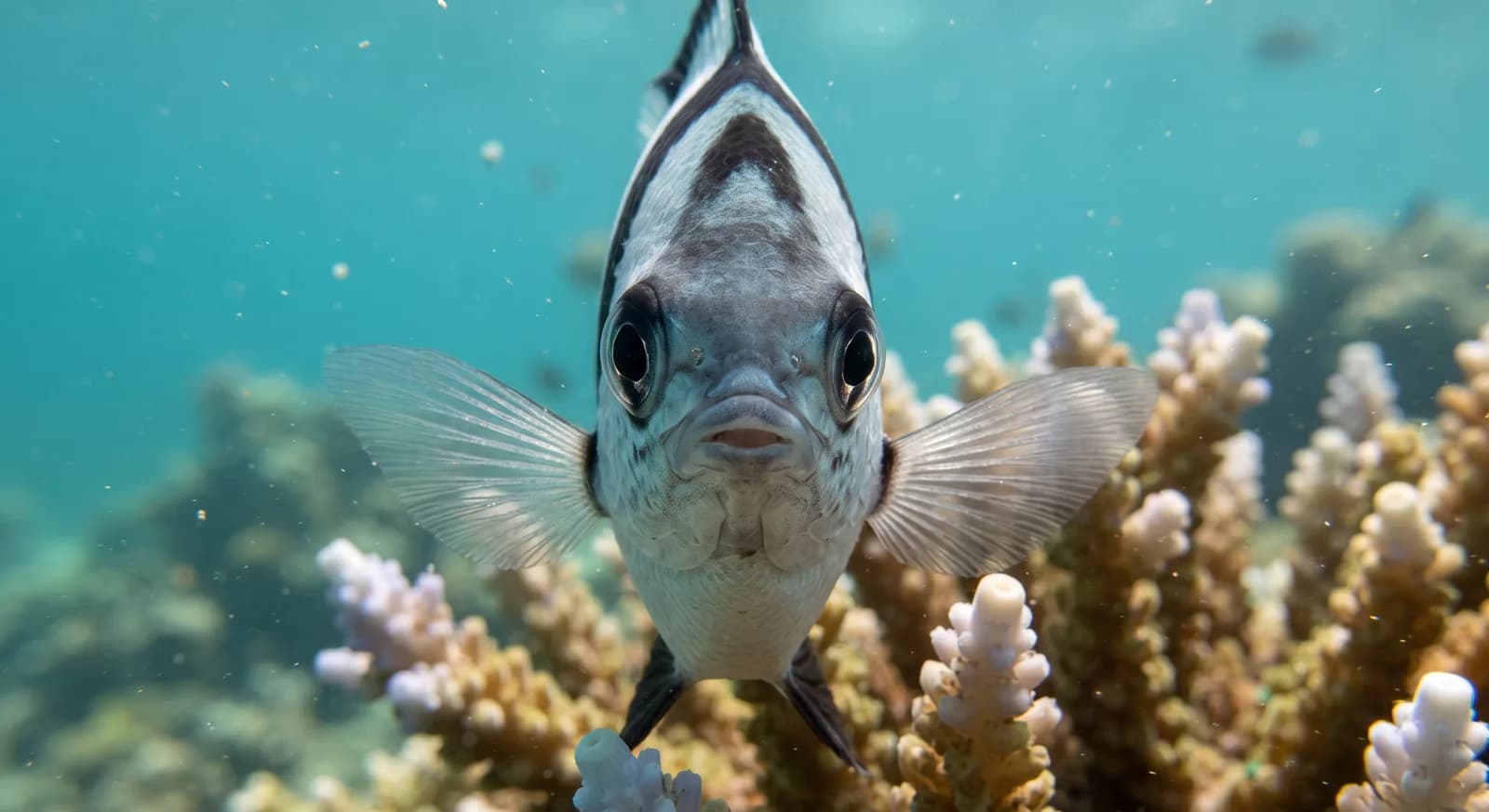
AI-generated images: illustrations, not photographs.

Fun facts

  • Its nest, made only of hardened saliva, is one of the most expensive animal products in the world: a kilo can fetch more than 2,000 euros, and it has been eaten in China for more than four centuries.
  • It navigates inside the caves by echolocation, like a bat, with clicks audible to the human ear: it is one of the very few birds in the world able to do so.
  • Demand has created a bird-house industry: buildings put up expressly to attract colonies, which now produce most of the nests traded and have reduced the pressure on natural caves.

Life cycle and biology

Skeleton type
Vertebrate - internal bony skeleton (bird)
Habitat and environment
Limestone caves and buildings of South-East Asia; it hunts insects over forests and coasts
Sexual maturity
12 months
Gestation / incubation
23 days of incubation
Litter / clutch size
2 eggs

Sources consulted: https://es.wikipedia.org/wiki/Aerodramus_fuciphagus

Where to find it

Loading map…

The pins mark the parks where its presence is documented.

Where to see it

Parks and dive sites where this species has been documented — showing 10 of 16.

Related species

Other species in the catalogue with the most in common with Edible-nest Swiftlet — same habitat, park, country, tags or family.

Same taxonomic family
Shares a park
Shares a park
Shares a park
Shares a park
Shares a park

Keep exploring

Based on what we already know about edible-nest swiftlet.

Comments

Share an experience, a fun fact or a tip for seeing the edible-nest swiftlet.

Be the first to comment.

See full glossary
This page in other languages: Español · Deutsch · Français · Português · Italiano
See its range on the interactive map→
KomodoIndonesia
Gunung MuluMalaysia
Khao Sok National ParkThailand
BakoMalaysia
Ujung KulonIndonesia
Puerto Princesa Subterranean RiverPhilippines
Similan IslandsThailand
Bali BaratIndonesia
KarimunjawaIndonesia
NiahMalaysia
See all 16 parks
Alpine SwiftLeast Concern

Alpine Swift

Tachymarptis melba

Least Concern

Western Hooded Pitta

Pitta sordida

Least Concern

Chinese Hwamei

Garrulax canorus

Common Flying DragonLeast Concern

Common Flying Dragon

Draco volans

Banded HumbugLeast Concern

Banded Humbug

Dascyllus aruanus

Near Threatened

Nicobar Pigeon

Caloenas nicobarica

CountriesThailand
ParksKomodoIndonesia
TagsInsectivore
Insectivore
Diurnal
Colonial
Bird
Rainforest
Ocean
Islands
Thailand
Indonesia
Malaysia
Vietnam
Philippines
Brunei
Brunei
Cambodia
China
India
Indonesia
Laos
Malaysia
Myanmar
Philippines
Singapore
Taiwan
Thailand
Timor-Leste
Vietnam