Skip to content
WAnimals
  • Map
  • Species
  • Parks
  • Diving
Log inCreate account
WAnimals

The guide for travellers and animal lovers: discover, plan and share your wild adventures around the world.

Discover wildlife

  • Species
  • Ecosystems
  • Glossary
  • Tags

Explore places

  • Map
  • Countries
  • Parks
  • Diving

Plan experiences

  • Guides

Learn

  • Blog

Resources

  • About us
  • How we build our profiles
  • Help centre
  • Contact
  • Install the app

Follow us

Account

  • Log in
  • Create account

© 2026 WAnimals. All rights reserved.

Terms of servicePrivacyCookiesLegal notice
MapSpeciesParksDiving
  1. Home
  2. Species
  3. Banded Humbug
Banded Humbug (Dascyllus aruanus)

Bony fish · Perciformes · Pomacentridae

Banded Humbug

Dascyllus aruanus

Least Concern

The species is abundant and widely distributed; it faces no significant short-term risk.

Spotted something wrong?

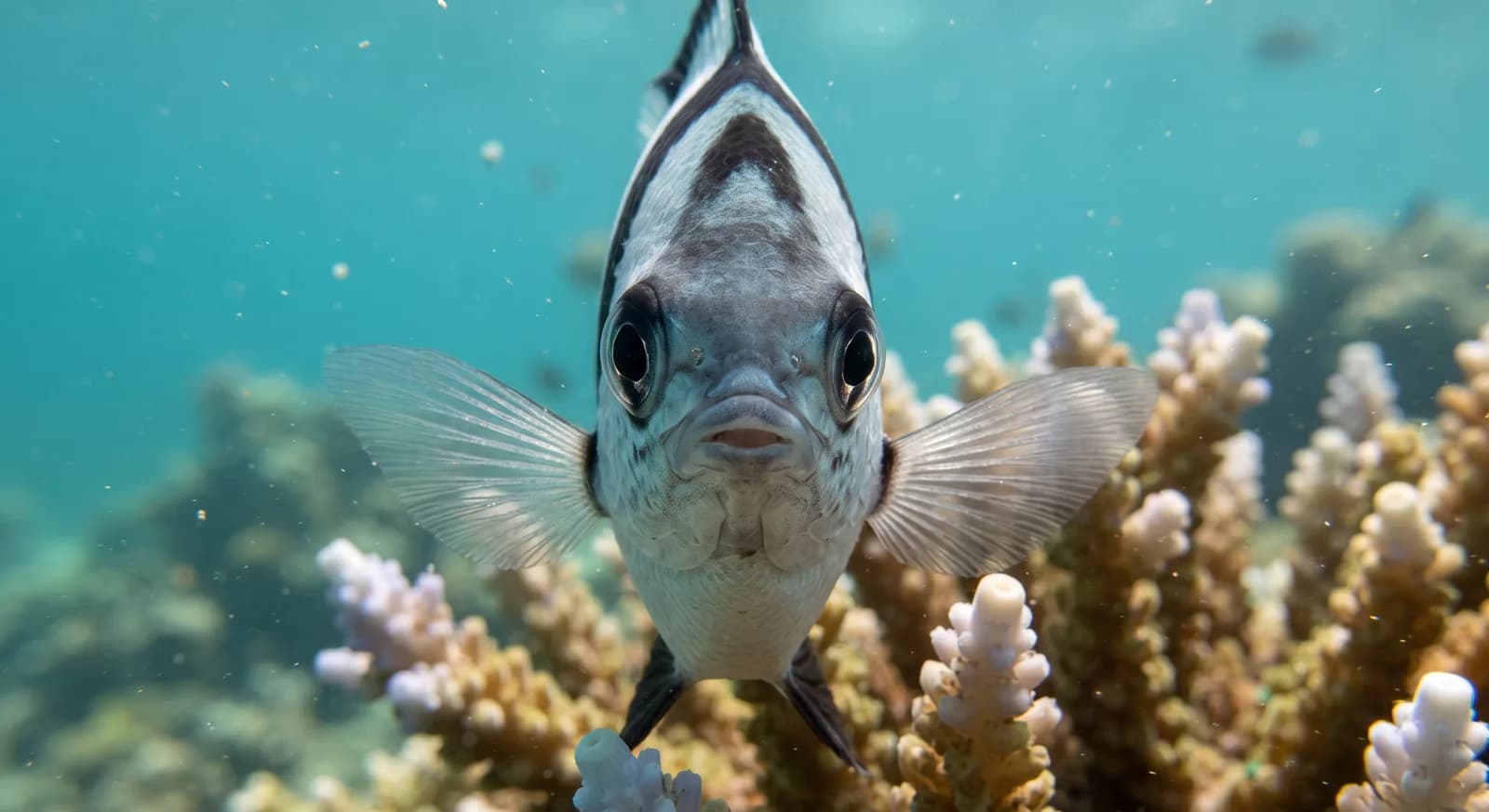
A small damselfish, white with three vertical black bands, that lives in permanent groups among the branches of Acropora and Pocillopora corals. It feeds on zooplankton above the colony and shelters among the branches at the slightest danger.

Size

6 cm – 10 cm

Diet

Omnivore

Combines animal and plant food depending on availability.

Activity

Diurnal

Active mainly during the day.
Social structure

Colony

Lives in large concentrations, often for breeding reasons.

Ocean
61countries35parks235dive sites1same family

AI-generated images: illustrations, not photographs.

Fun facts

  • Each group has a strict hierarchy by size, and individuals regulate their own growth so as not to challenge the one immediately above them.
  • It changes sex: all are born female and the dominant individuals become males, a case of protogynous hermaphroditism.
  • The coral it lives in benefits from the association: the movement of the shoal among the branches improves water circulation and the oxygenation of the colony.
  • It lives tied to a single colony of branching coral, above all of the genus Acropora or Pocillopora, and does not stray from it: the colony is at once its refuge and its territory.
  • Groups keep a strict size-based hierarchy, and it is a protogynous hermaphrodite: if the dominant male disappears, the largest female changes sex and takes his place.
  • By hiding among the coral's branches it brushes against the polyps and increases the circulation of water between them, which improves their oxygenation. The relationship benefits both.
  • It produces audible clicks during courtship and in defence of its territory.
  • Its dependence on branching coral makes it especially vulnerable to bleaching: when the colony dies, the group disappears with it.

Life cycle and biology

Skeleton type
Vertebrate - internal bony skeleton (fish)
Habitat and environment
Branching coral colonies in shallow Indo-Pacific lagoons and reefs

Sources consulted: FishBase (Froese & Pauly, eds.) · Lista Roja de la UICN · Australian Institute of Marine Science

Where to find it

Loading map…

Where to see it

Parks and dive sites where this species has been documented — showing 20 of 270.

Related species

Other species in the catalogue with the most in common with Banded Humbug — same habitat, park, country, tags or family.

Same taxonomic family
Shares a park
Shares a park
Shares a park
Shares a park
Shares a park

Keep exploring

Based on what we already know about banded humbug.

Share an experience, a fun fact or a tip for seeing the banded humbug.
See full glossary
This page in other languages: Español · Deutsch · Français · Português · Italiano

The pins mark the parks and dive sites where its presence is documented.

See its range on the interactive map→
KomodoIndonesia
AldabraSeychelles
YakushimaJapan
Ras MohammedEgypt
Great Barrier ReefAustralia
NingalooAustralia
Rock Islands of PalauPalau
East RennellSolomon Islands
FakaravaFrench Polynesia
Mohéli Marine National ParkComoros
Blue Hole DahabEgypt
Ras Mohammed National ParkEgypt
Thistlegorm wreckEgypt
Elphinstone ReefEgypt
Brothers Islands (El Akhawein)Egypt
Sha'ab Rumi (Cousteau)Sudan
Musandam PeninsulaOman
Daymaniyat IslandsOman
Raja AmpatIndonesia
Komodo National ParkIndonesia
See all 35 parks
See all 235 dive sites
Clown AnemonefishNot Evaluated

Clown Anemonefish

Amphiprion ocellaris

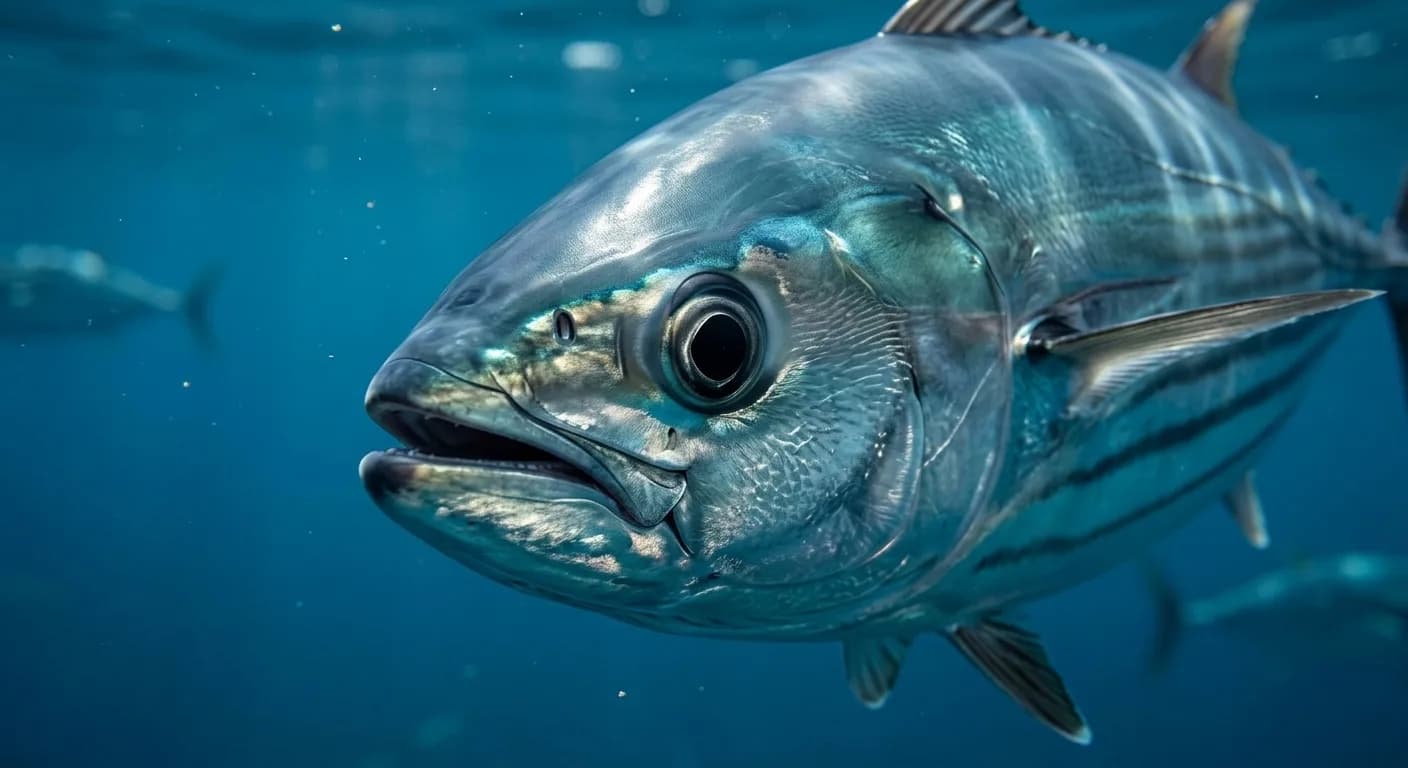
SkipjackLeast Concern

Skipjack

Katsuwonus pelamis

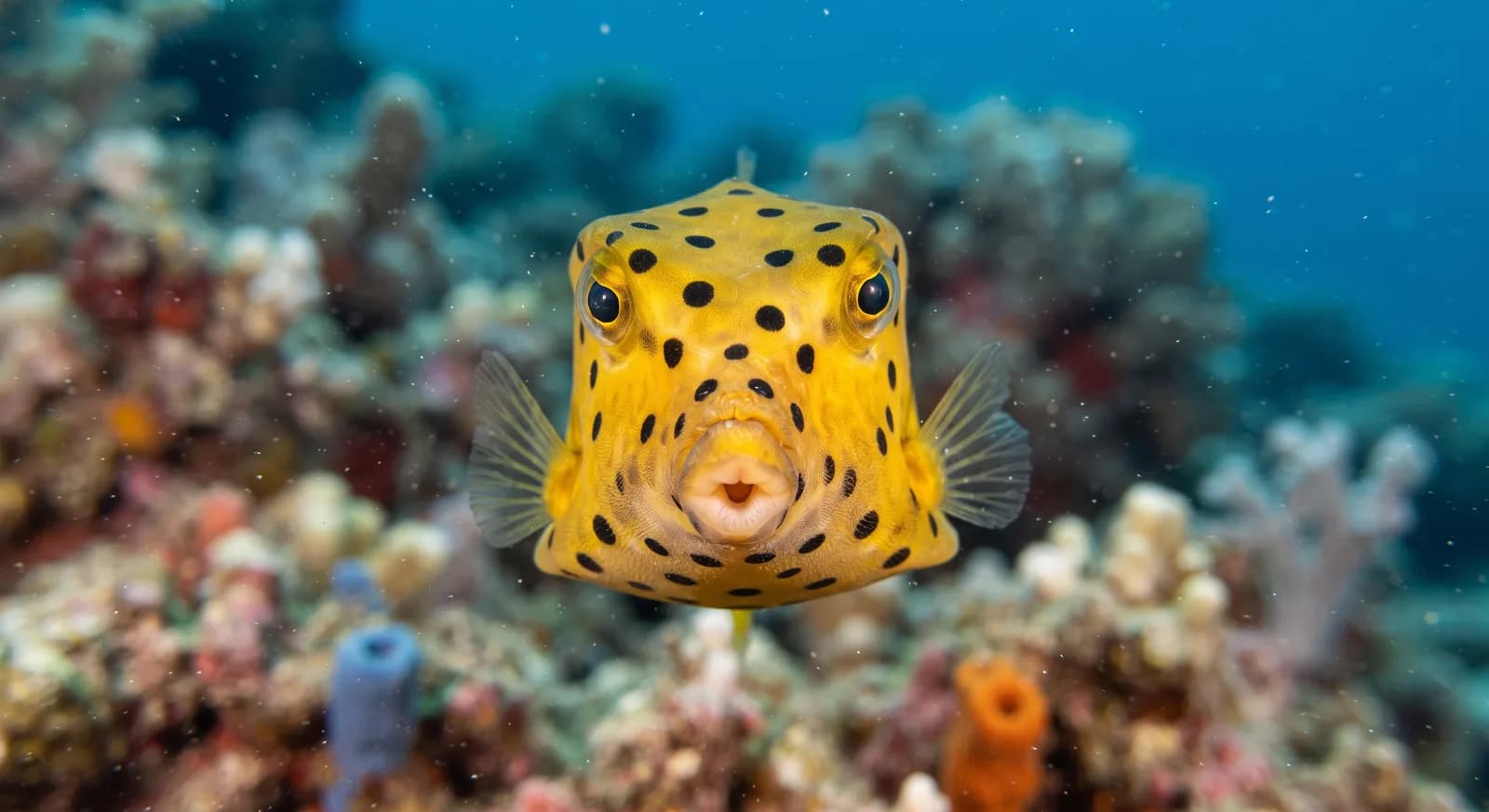
Yellow BoxfishLeast Concern

Yellow Boxfish

Ostracion cubicus

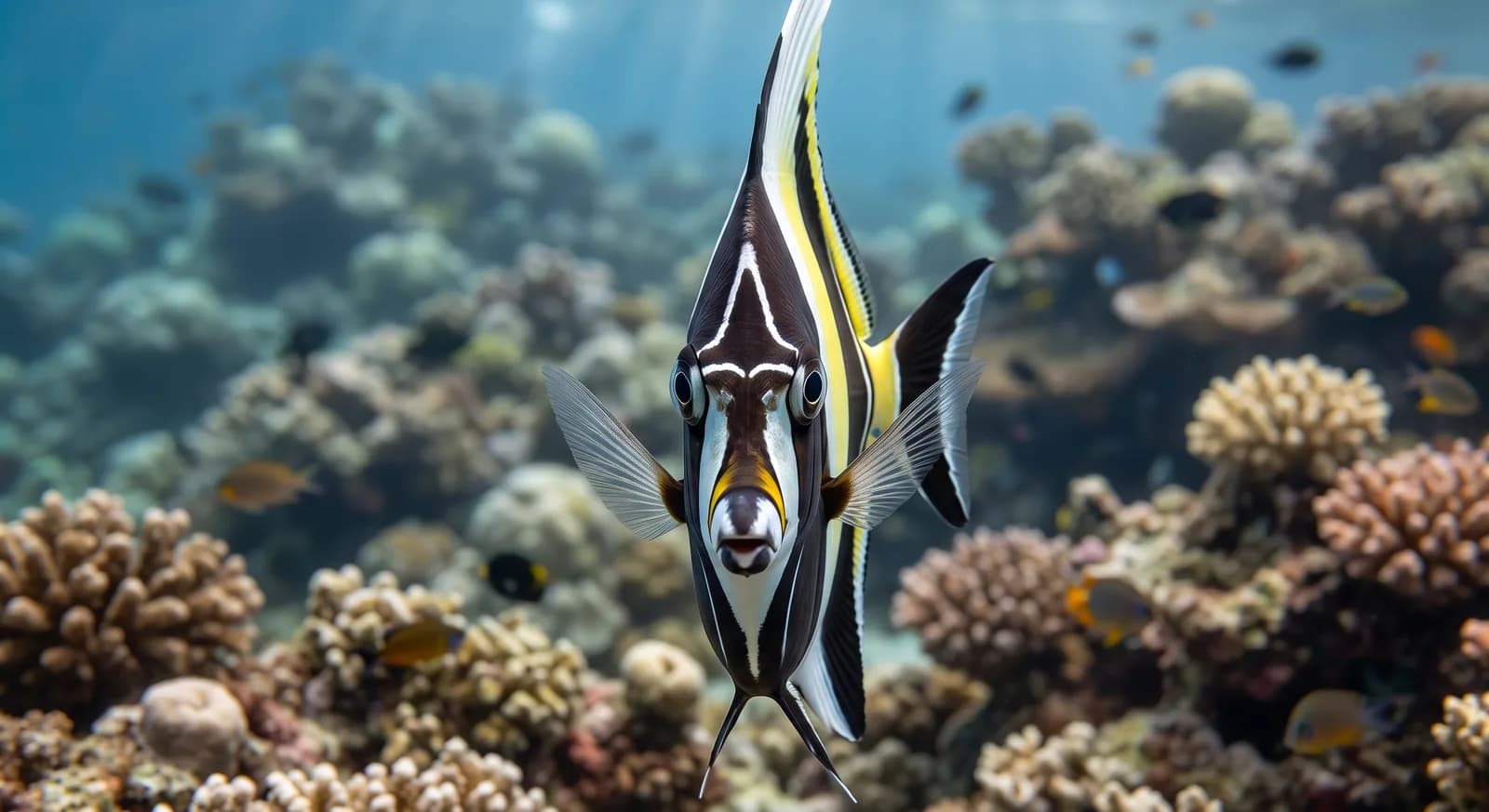
Moorish IdolLeast Concern

Moorish Idol

Zanclus cornutus

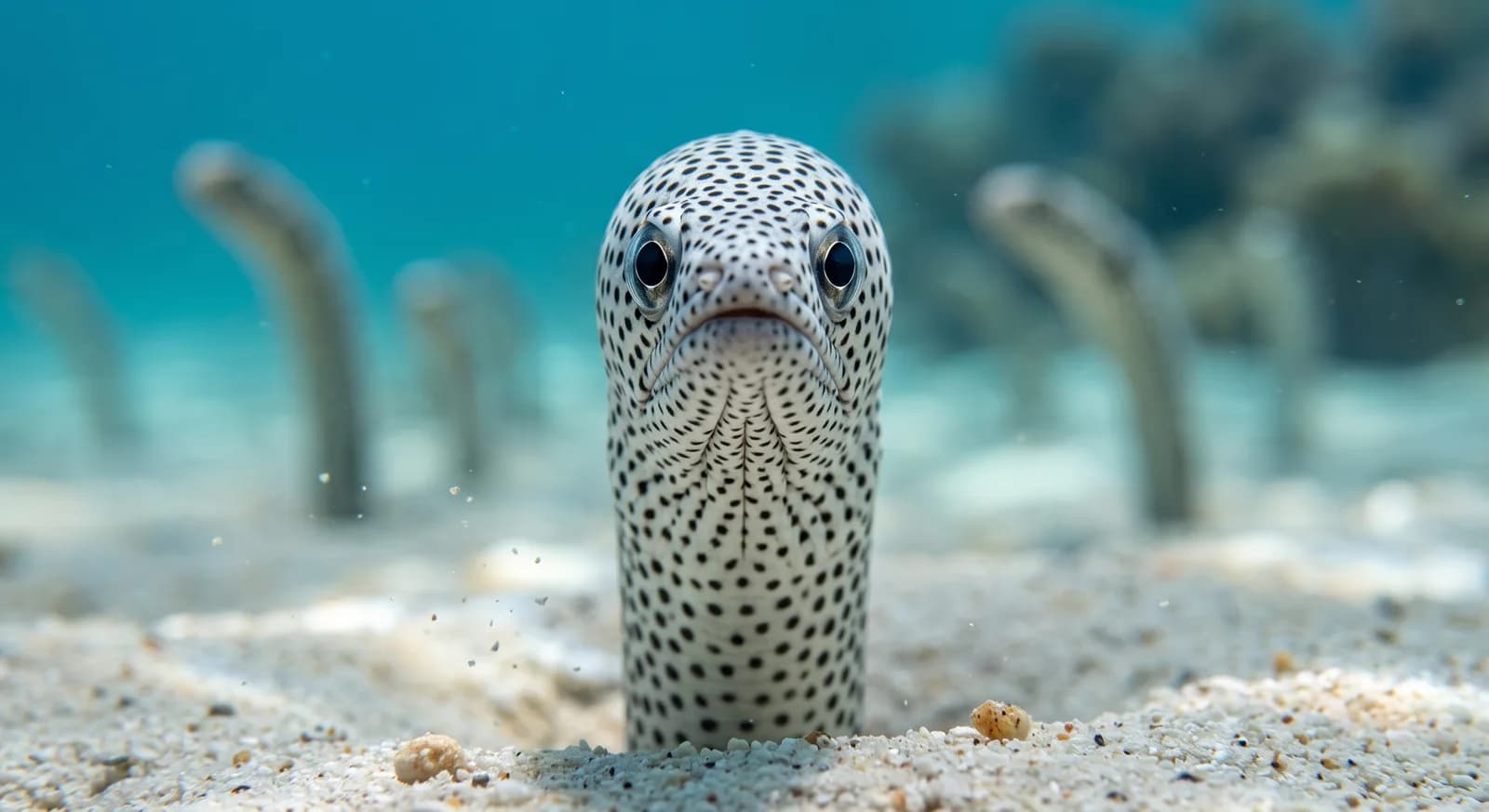
Spotted Garden EelLeast Concern

Spotted Garden Eel

Heteroconger hassi

Emperor AngelfishLeast Concern

Emperor Angelfish

Pomacanthus imperator

CountriesIndonesia
ParksKomodoIndonesia
TagsOmnivore
Omnivore
Diurnal
Colonial
Fish
Ocean

Asia26

Oceania20

Africa15

Indonesia
Egypt
Philippines
Australia
Thailand
Fiji
Bahrain
Bangladesh
Brunei
Cambodia
China
India
Indonesia
Iran
Japan
Kuwait
Malaysia
Maldives
Myanmar
Oman
Pakistan
Philippines
Qatar
Saudi Arabia
Singapore
Sri Lanka
Taiwan
Thailand
Timor-Leste
United Arab Emirates
Vietnam
Yemen
American Samoa
Australia
Cook Islands
Fiji
French Polynesia
Guam
Kiribati
Marshall Islands
Micronesia
Nauru
New Caledonia
Niue
Northern Mariana Islands
Palau
Papua New Guinea
Samoa
Solomon Islands
Tonga
Tuvalu
Vanuatu
Comoros
Djibouti
Egypt
Eritrea
Kenya
Madagascar
Mauritius
Mayotte
Mozambique
Réunion
Seychelles
Somalia
South Africa
Sudan
Tanzania