Species group · Mammals
Fur Seals
WAnimals has 7 species of fur seal, in the family Otariidae.
- 7 species
- 1 family
- 17 countries
- 57 parks
- Weight
- 27 kg – 360 kg
- Length
- 1.2 m – 2.5 m
- Lifespan
- 20 – 31 years
Ranges calculated from the profiles that record the figure, not from all 7.
All 7 species of fur seals on WAnimals
Each one has its own full profile. This group does not replace them: it brings them together.
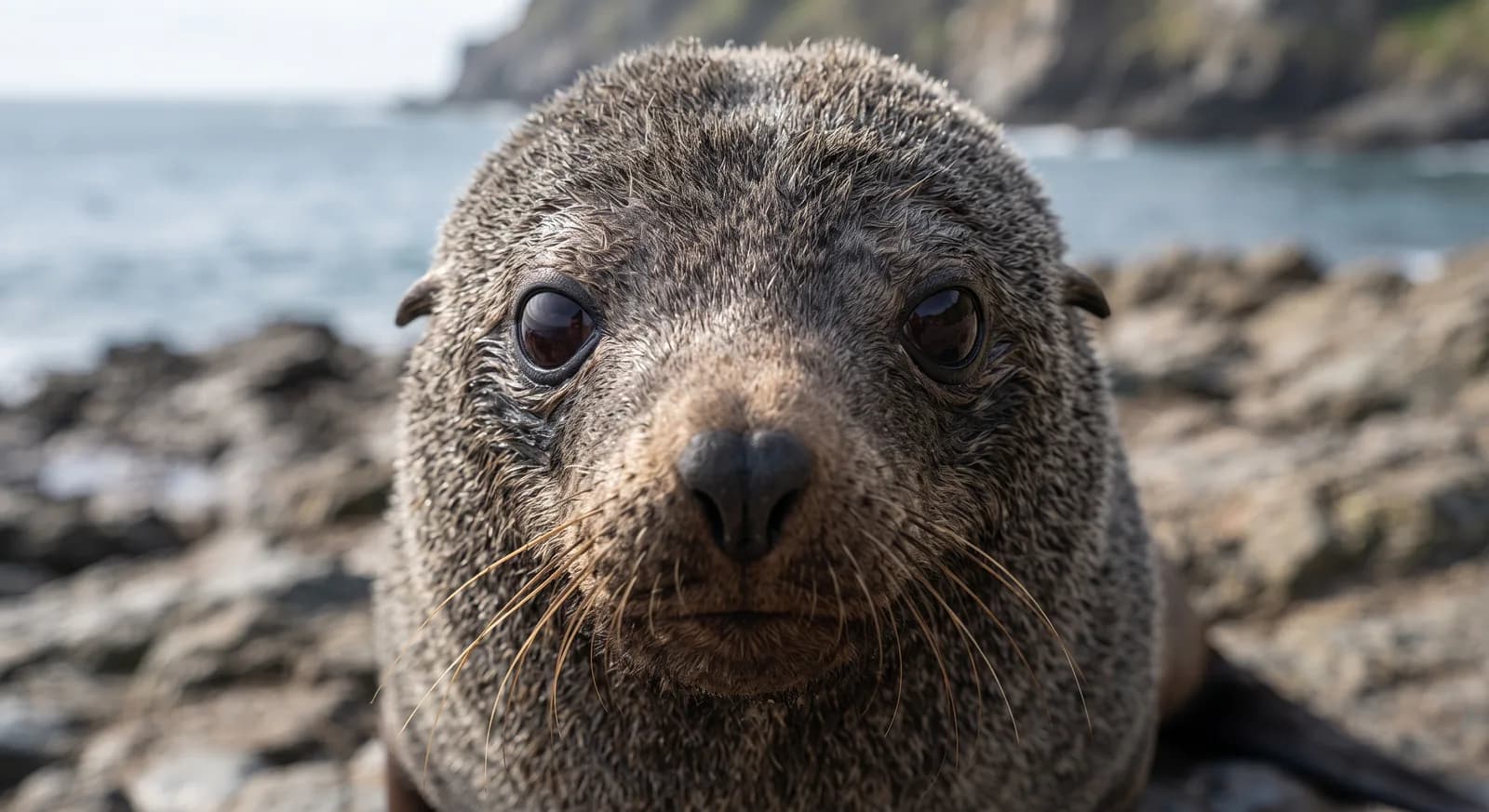 Least Concern
South American Fur Seal
Arctocephalus australis
6 countries19 parks4 dive sites
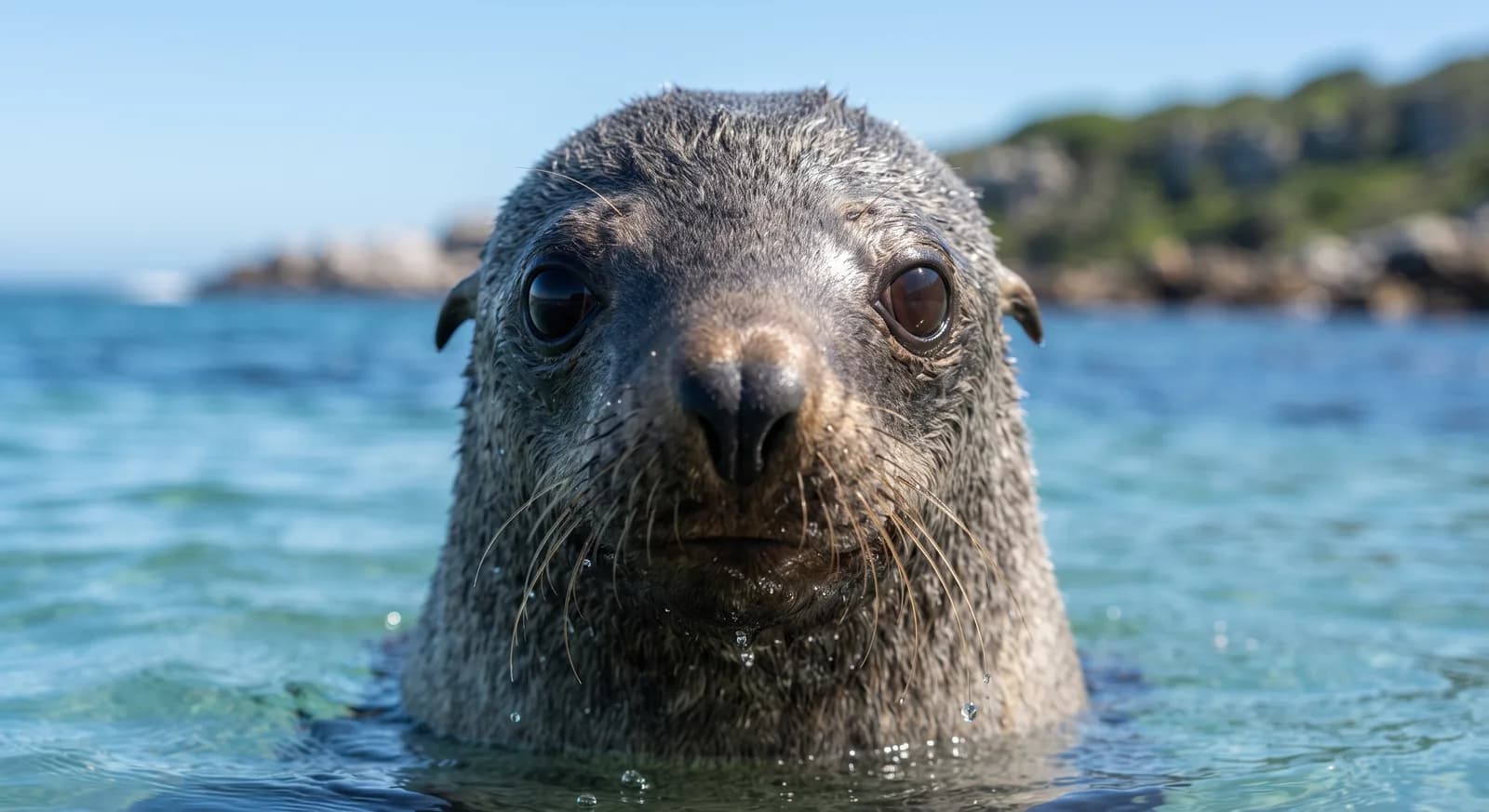 Least Concern
Afro-Australian Fur Seal
Arctocephalus pusillus
4 countries10 parks5 dive sites
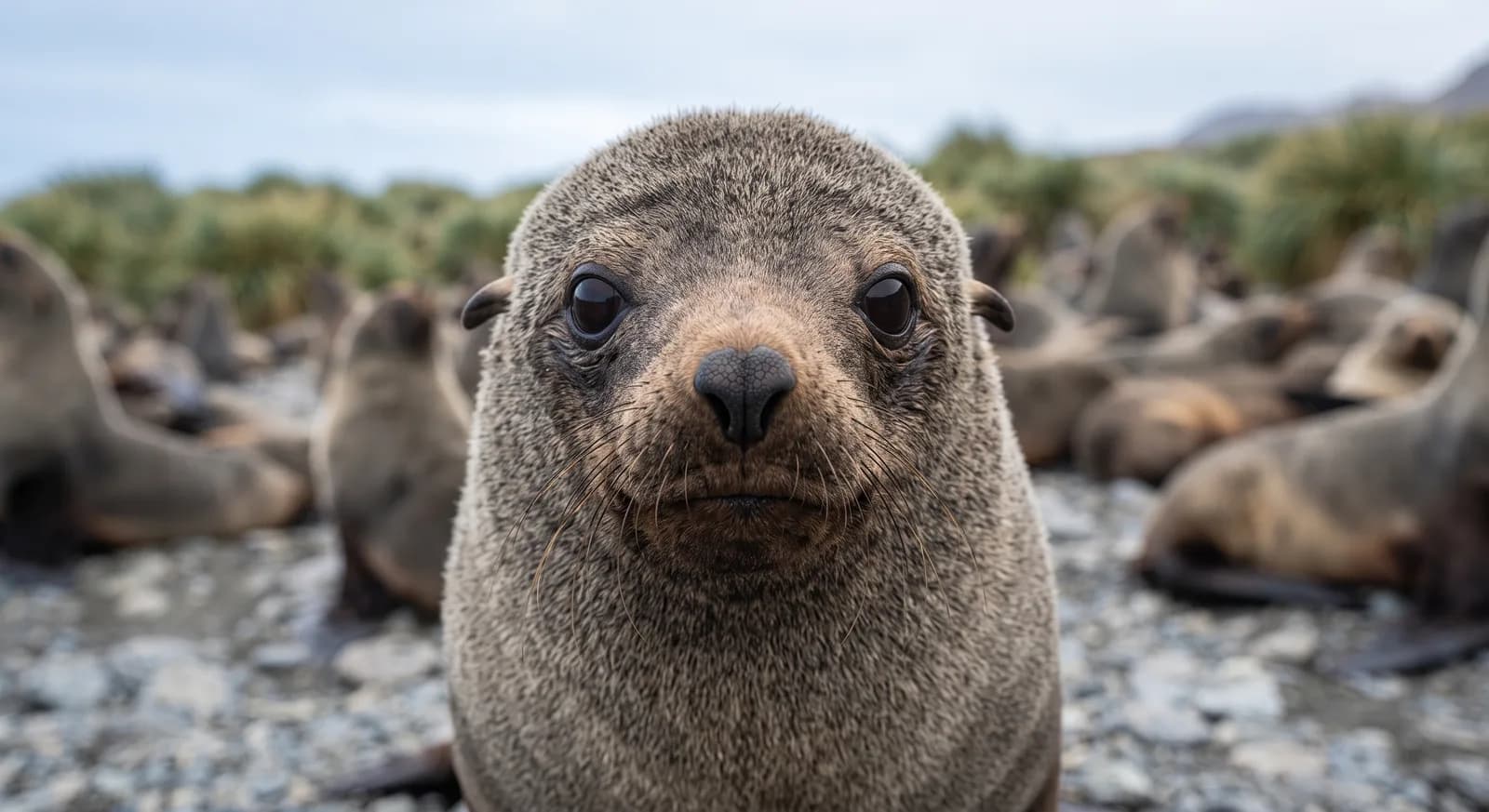 Endangered
Antarctic Fur Seal
Arctocephalus gazella
6 countries20 parks3 dive sites
 Least Concern
Juan Fernandez Fur Seal
Arctocephalus philippii
3 countries4 parks3 dive sites
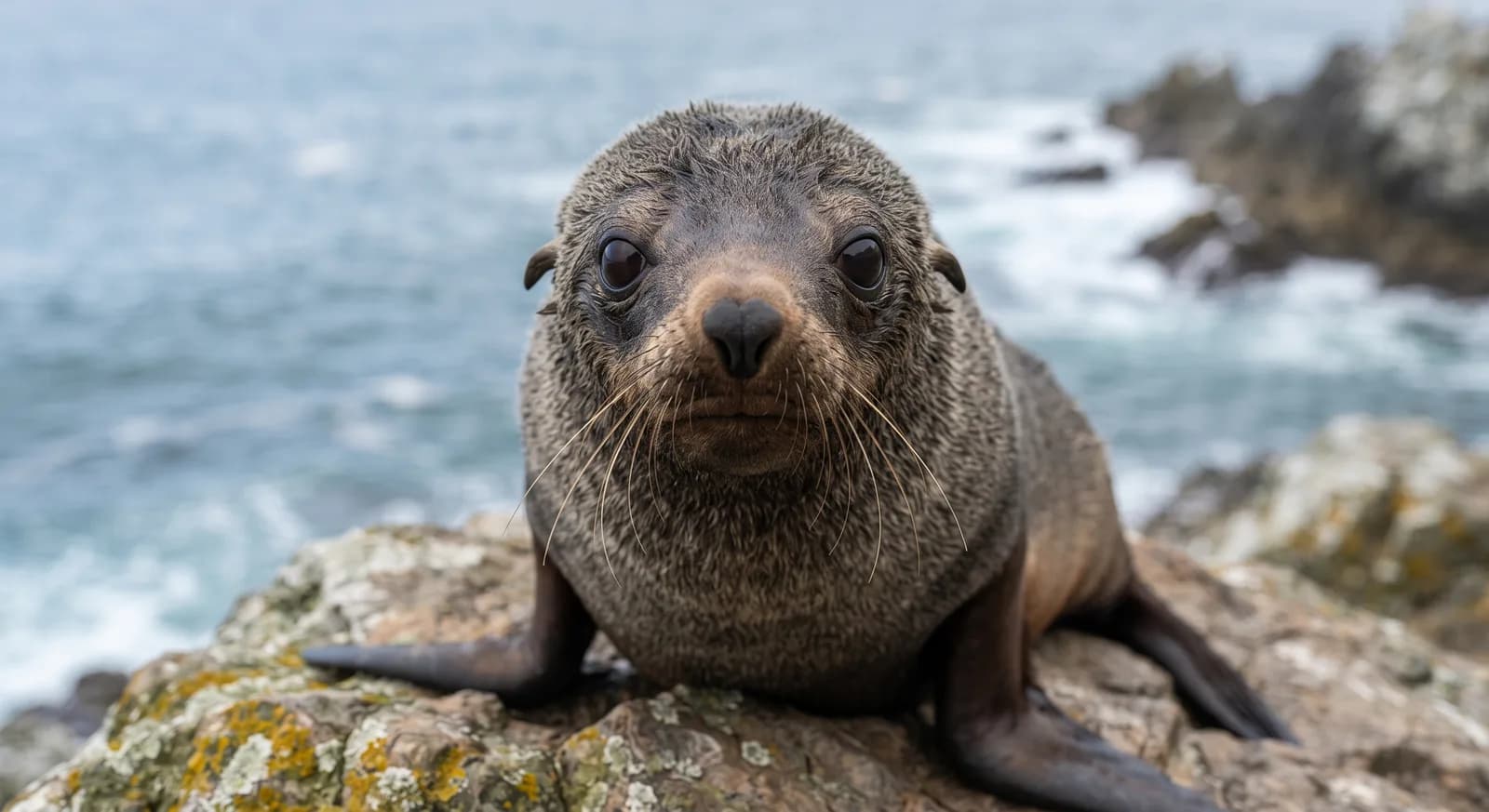 Least Concern
New Zealand Fur Seal
Arctocephalus forsteri
2 countries6 parks12 dive sites
 Endangered
Galapagos Sea Lion
Zalophus wollebaeki
1 country1 park6 dive sites
Endangered
Galapagos Fur Seal
Arctocephalus galapagoensis
1 country1 park6 dive sites
Conservation status
4 Least Concern3 Endangered
3 species in this group are in a threatened category according to the IUCN.
Where they live
Recorded in 17 countries. The ones with the most species in the group:
Where to see them
- Dhilba Guuranda-Innes2 species
- Diego Ramírez Islands2 species
- Flinders Chase2 species
- Galápagos National Park2 species
- Abel Tasman1 species
- Admiralty Bay1 species
- Alberto de Agostini1 species
- Ardley Island1 species
- Avian Island1 species
- Bernardo O'Higgins1 species
- Bird Island, South Georgia1 species
- Booderee1 species
- Cape Marshalldiving
- Cousin's Rockdiving
- Darwin Islanddiving
- Esperancediving
- Gordon Rocksdiving
- Kicker Rock (León Dormido)diving
Did you know…?
Isla de Lobos, off Punta del Este, holds one of the largest colonies in the world: for more than two centuries it was exploited commercially and became one of the greatest sources of pelts in the South Atlantic.
El Niño events cause mass die-offs along the Peruvian coast: the warming water collapses the anchoveta and the pups starve by the thousand.
It is the largest fur seal in the world: an adult male can weigh 360 kilos, more than a lion.
The Cape Cross colony in Namibia gathers more than 200,000 animals in the breeding season, one of the largest concentrations of pinnipeds on the planet and a spectacle as impressive as it is malodorous.
Almost wiped out by hunting in the 19th century, it recovered to several million animals; since then it has fallen again, and in 2025 an estimated 944,000 breeding adults remained.
From Antarctic Fur Seal
It was given up for extinct: after the killing of several million animals there were no records for decades, until a surviving colony was found in the Juan Fernández archipelago in 1965.
It makes night dives of several hundred metres in pursuit of squid rising from deep water.
It dives deeper and for longer than any other fur seal: there are records of dives exceeding 300 metres and fifteen minutes.
From New Zealand Fur Seal