Skip to content
WAnimals
  • Map
  • Species
  • Parks
  • Diving
Log inCreate account
WAnimals

The guide for travellers and animal lovers: discover, plan and share your wild adventures around the world.

Discover wildlife

  • Species
  • Ecosystems
  • Glossary
  • Tags

Explore places

  • Map
  • Countries
  • Parks
  • Diving

Plan experiences

  • Guides

Learn

  • Blog

Resources

  • About us
  • How we build our profiles
  • Help centre
  • Contact
  • Install the app

Follow us

Account

  • Log in
  • Create account

© 2026 WAnimals. All rights reserved.

Terms of servicePrivacyCookiesLegal notice
MapSpeciesParksDiving
  1. Home
  2. Species
  3. Herring Worm

Nematodes · Rhabditida · Anisakidae

Herring Worm

Anisakis simplex

Not Evaluated

It has not yet been assessed against the IUCN criteria.

Spotted something wrong?

A marine parasitic nematode whose cycle passes through krill, then fish and squid, and ends in the stomachs of whales, dolphins and seals. The larvae, whitish and coiled like springs, lodge in the viscera and the flesh of fish.

Size

1 cm – 3 cm

Diet

Carnivore

Feeds mainly on other animals.

Social structure

Solitary

Lives and hunts alone, joining others only to breed.

5countries

Fun facts

  • GeneralIt is the reason the law requires fish to be frozen before it is eaten raw or salted.
  • If someone eats raw or undercooked fish carrying live larvae, they can bore into the wall of the stomach or intestine and cause anisakiasis, with severe abdominal pain within a few hours.
  • Beyond the infection, its proteins cause allergy, and in sensitised people the reaction can occur even if the parasite is dead and the fish thoroughly cooked.
  • It causes anisakiasis, contracted by eating raw or undercooked fish carrying live larvae. In Spain it is a problem best known from anchovies in vinegar.
  • The larva cannot complete its cycle in a human, but it tries to bore through the wall of the stomach or intestine, causing severe pain, nausea and vomiting hours after eating.
  • As well as infection, it causes allergy: some people react to its proteins even when the parasite is dead and the fish cooked.
  • Prevention is thermal. Freezing the fish at minus twenty degrees for at least five days, or cooking it above sixty, kills the larvae. European law requires fish intended to be eaten raw to be frozen.
  • Its presence has increased in recent decades, partly because of the recovery of cetacean populations, which are its definitive hosts.

Life cycle and biology

Skeleton type
Invertebrate - no rigid skeleton (hydrostatic skeleton beneath the cuticle)
Habitat and environment
A parasite: the digestive tract of fish, squid and cetaceans

Sources consulted: Rudolphi (1809) · Autoridad Europea de Seguridad Alimentaria · Agencia Española de Seguridad Alimentaria y Nutrición

Where to find it

Loading map…

Related species

Other species in the catalogue with the most in common with Herring Worm — same habitat, park, country, tags or family.

Related to
Related to
Related to
Related to
Related to
Related to

Keep exploring

Based on what we already know about herring worm.
Share an experience, a fun fact or a tip for seeing the herring worm.
See full glossary
Ocean
CarnivoreSolitaryOceanWorm
This page in other languages: Español · Deutsch · Français · Português · Italiano
See its range on the interactive map→
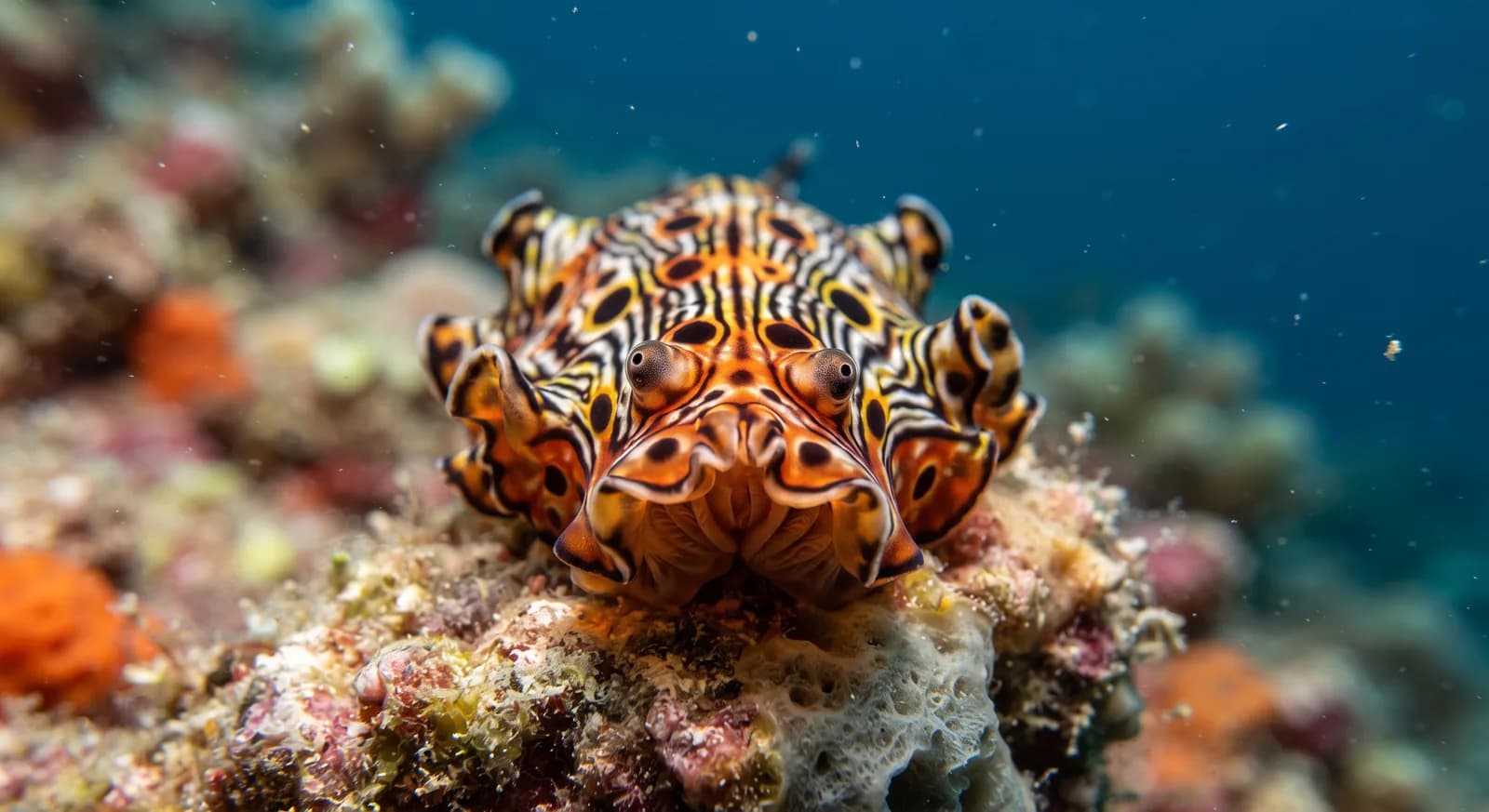
Persian Carpet FlatwormNot Evaluated

Persian Carpet Flatworm

Pseudobiceros bedfordi

Not Evaluated

Bootlace Worm

Lineus longissimus

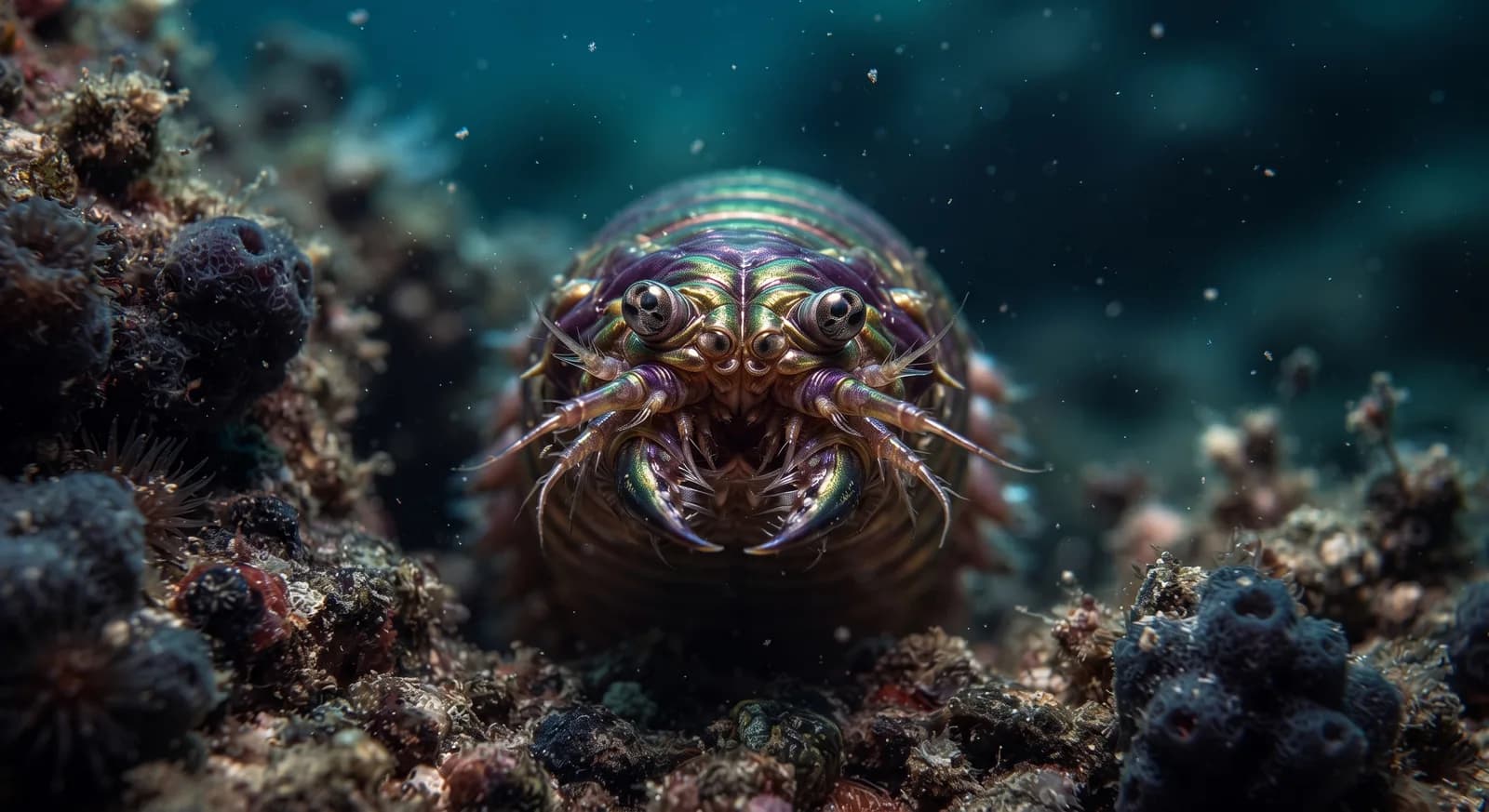
Bobbit WormNot Evaluated

Bobbit Worm

Eunice aphroditois

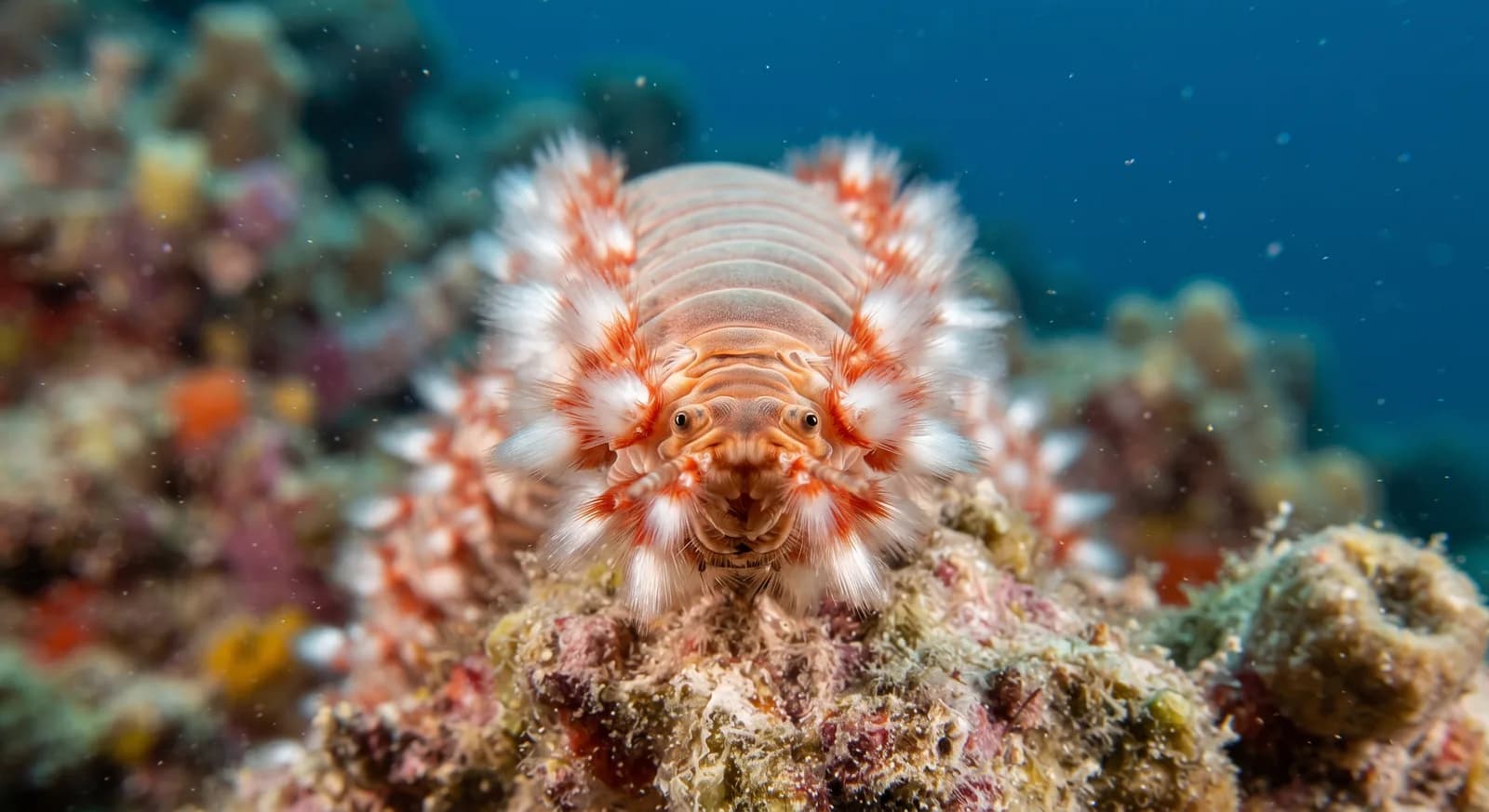
Bearded FirewormNot Evaluated

Bearded Fireworm

Hermodice carunculata

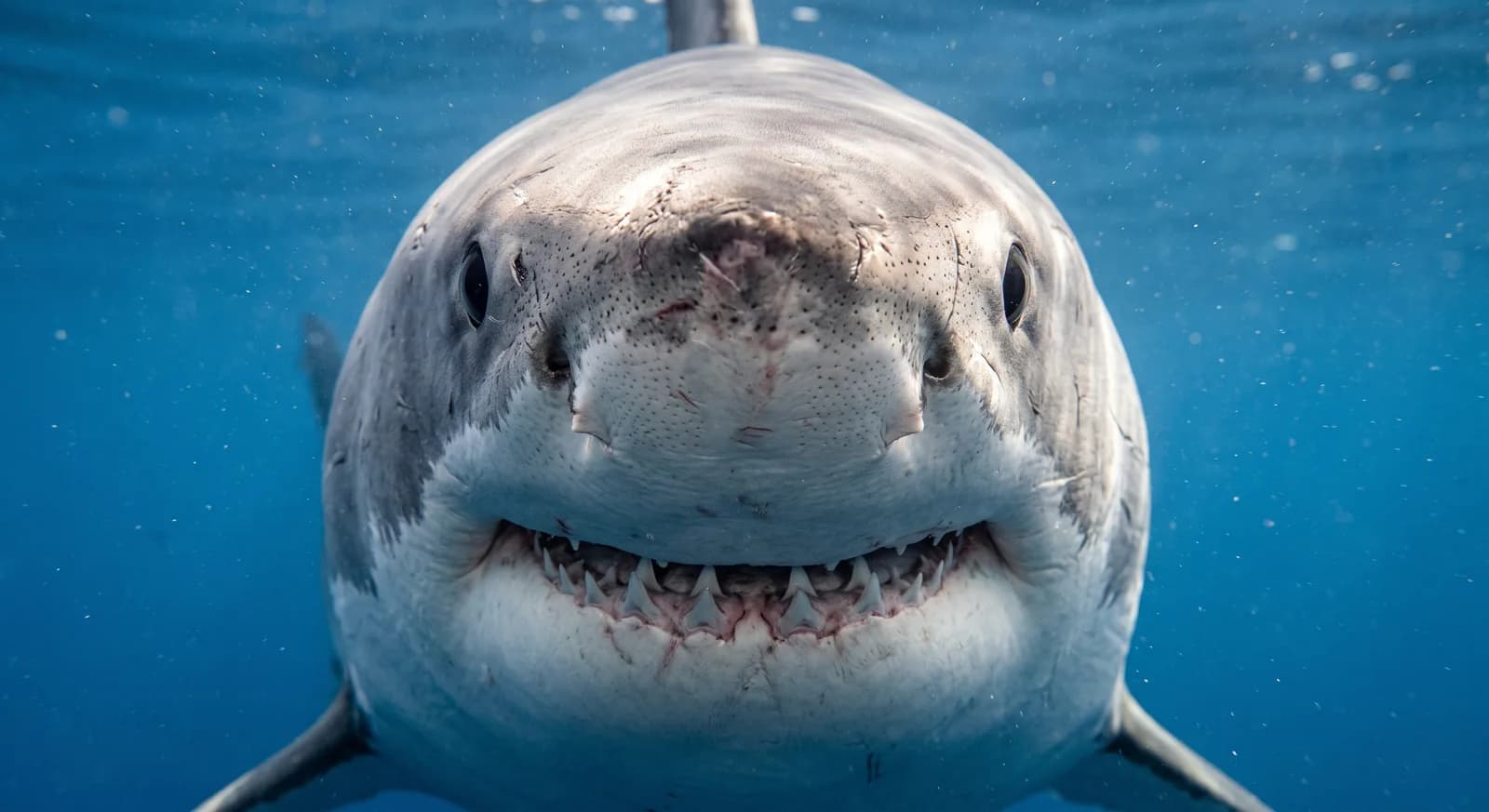
Great White SharkVulnerable

Great White Shark

Carcharodon carcharias

Harbor SealLeast Concern

Harbor Seal

Phoca vitulina

CountriesJapan
TagsCarnivore
Japan
Netherlands
Norway
Spain
United States