Skip to content
WAnimals
  • Map
  • Species
  • Parks
  • Diving
Log inCreate account
WAnimals

The guide for travellers and animal lovers: discover, plan and share your wild adventures around the world.

Discover wildlife

  • Species
  • Ecosystems
  • Glossary
  • Tags

Explore places

  • Map
  • Countries
  • Parks
  • Diving

Plan experiences

  • Guides

Learn

  • Blog

Resources

  • Help centre
  • Contact
  • Install the app

Follow us

Account

  • Log in
  • Create account

© 2026 WAnimals. All rights reserved.

About usHow we build our profilesTerms of servicePrivacyLegal notice
MapSpeciesParksDiving
  1. Home
  2. Species
  3. Bearded Fireworm
Bearded Fireworm (Hermodice carunculata)

Polychaetes · Amphinomida · Amphinomidae

Bearded Fireworm

Hermodice carunculata

Not Evaluated

It has not yet been assessed against the IUCN criteria.

Spotted something wrong?

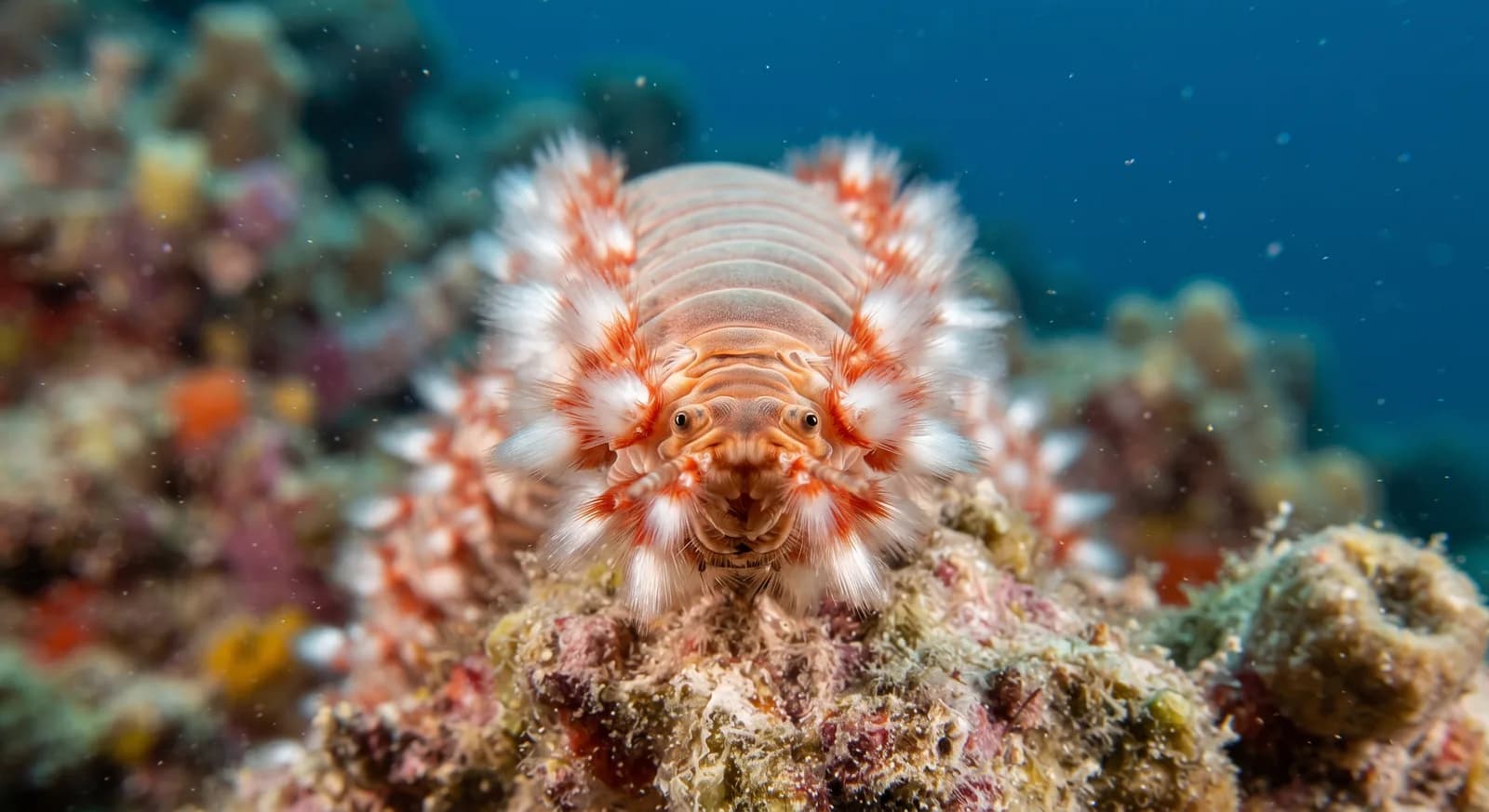
Its striking white bristles are in fact hollow structures loaded with a potent neurotoxin, which break off easily on contact and cause an intense burning sensation.

Size

5 cm – 15 cm

Life expectancy

3 years

Diet

Carnivore

Feeds mainly on other animals.
Activity

Nocturnal

Active mainly at night.

Social structure

Solitary

Lives and hunts alone, joining others only to breed.

Sighting difficulty

Unknown

Ocean
33countries24parks98dive sites

AI-generated images: illustrations, not photographs.

Fun facts

  • It is bioluminescent at night, and quite what that is for is still not fully understood.
  • It eats soft and hard corals, anemones and small crustaceans.
  • It lives on coral reefs, rock and sandy bottoms of the tropical and subtropical Atlantic, the Caribbean and the Mediterranean.
  • It is covered in tufts of hollow, brittle white bristles that pierce the skin at the slightest touch and break off inside, releasing a toxin that causes intense burning for hours. Hence the name fireworm.
  • You do not have to handle it for this to happen: brushing it with a glove or a fin is enough.
  • It eats live coral, which makes it a serious problem in reef restoration: in the staghorn coral nurseries of the Dominican Republic it was the main cause of death among transplanted fragments.
  • And it does something worse: it is a reservoir and vector for the bacterium Vibrio shiloi, which causes coral bleaching. It carries the pathogen between colonies as it feeds.
  • It is also a scavenger and is found in large numbers on dead animals.
  • It is spreading through the Mediterranean, where it was once scarce, as the water warms.

Life cycle and biology

Skeleton type
Invertebrate - no skeleton (polychaete annelid)
Habitat and environment
Coral reefs, rock and sandy bottoms of the tropical and subtropical Atlantic, the Caribbean and the Mediterranean
Birth weight
A microscopic planktonic larva after external fertilisation
Size at birth
Microscopic planktonic larva after fertilisation
Litter / clutch size
Numerous eggs and sperm released in synchronised seasonal swarming

Sources consulted: Dimensions.com; A-Z Animals; SeaLifeBase; Reef Guide; Manic Fish; MarineBio; Wikipedia (Hermodice carunculata); UWI Life Sciences

Where to find it

Loading map…

Where to see it

Parks and dive sites where this species has been documented — showing 20 of 122.

Related species

Other species in the catalogue with the most in common with Bearded Fireworm — same habitat, park, country, tags or family.

Shares a park
Shares a park
Shares a park
Shares a park
Shares a park
Shares a park

Keep exploring

Based on what we already know about bearded fireworm.

Comments

Share an experience, a fun fact or a tip for seeing the bearded fireworm.

Be the first to comment.

See full glossary
This page in other languages: Español · Deutsch · Français · Português · Italiano

The pins mark the parks and dive sites where its presence is documented.

See its range on the interactive map→
EvergladesUnited States
Sian Ka'anMexico
Bacalar ChicoBelize
GuanicaPuerto Rico
JaraguaDominican Republic
Virgin Islands (St John)U.S. Virgin Islands
Tobago Main RidgeTrinidad and Tobago
Exuma Cays Land and Sea ParkBahamas
TayronaColombia
Los RoquesVenezuela
Great Blue HoleBelize
Half Moon Caye WallBelize
Turneffe AtollBelize
Palancar ReefMexico
Isla Mujeres (whale shark)Mexico
Bloody Bay WallCayman Islands
USS Kittiwake wreckCayman Islands
Stingray CityCayman Islands
Tiger BeachBahamas
Jardines de la ReinaCuba
See all 24 parks
See all 98 dive sites
American CrocodileVulnerable

American Crocodile

Crocodylus acutus

Near Threatened

Southern Stingray

Hypanus americanus

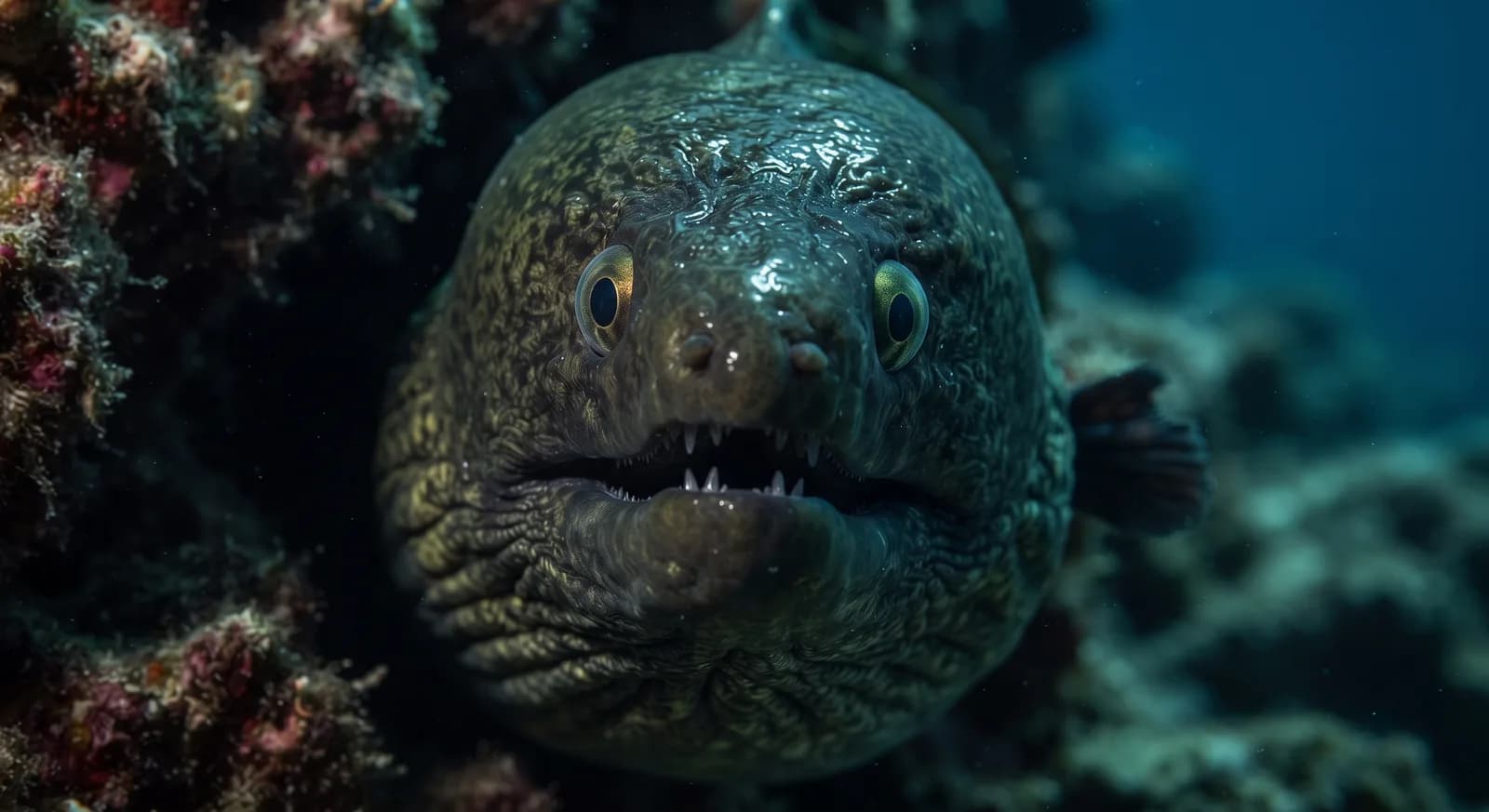
Green MorayLeast Concern

Green Moray

Gymnothorax funebris

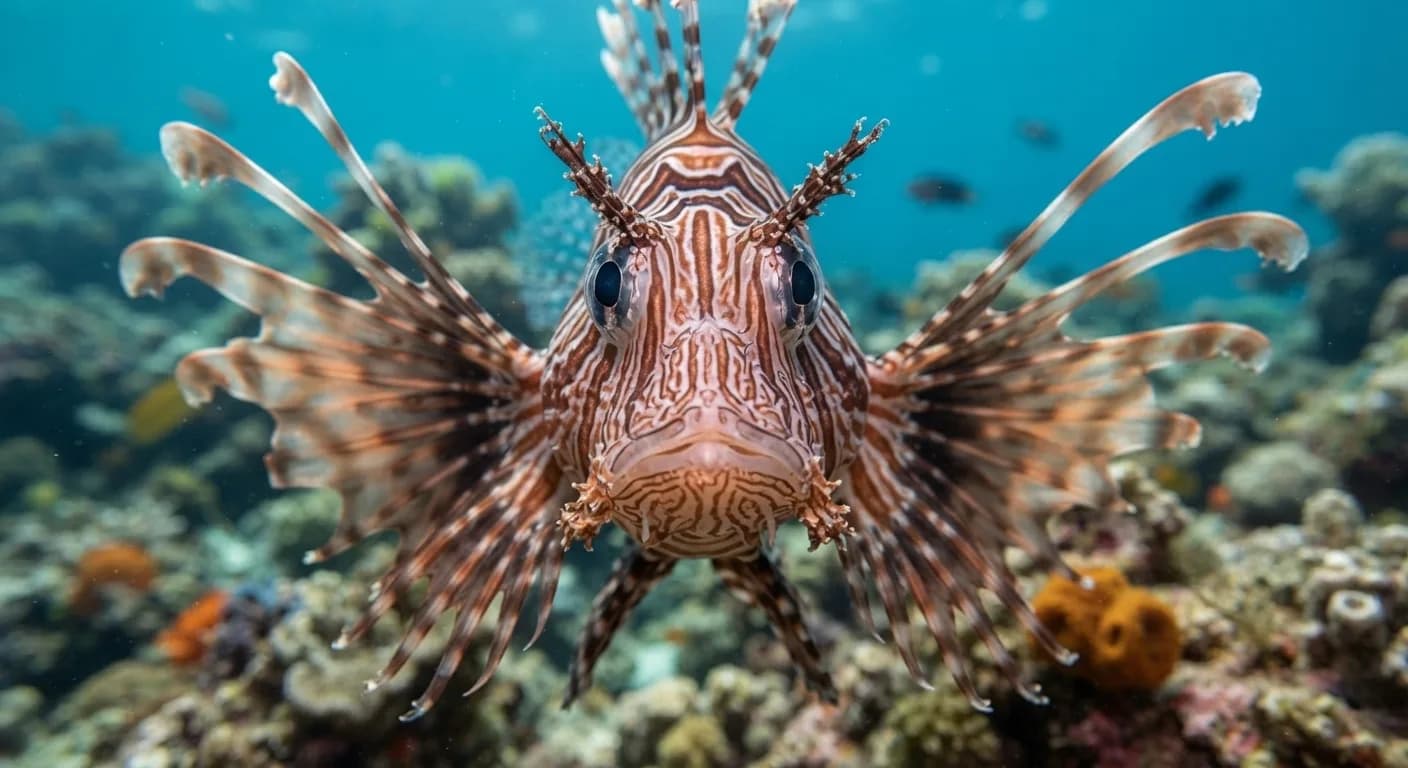
Red LionfishLeast Concern

Red Lionfish

Pterois volitans

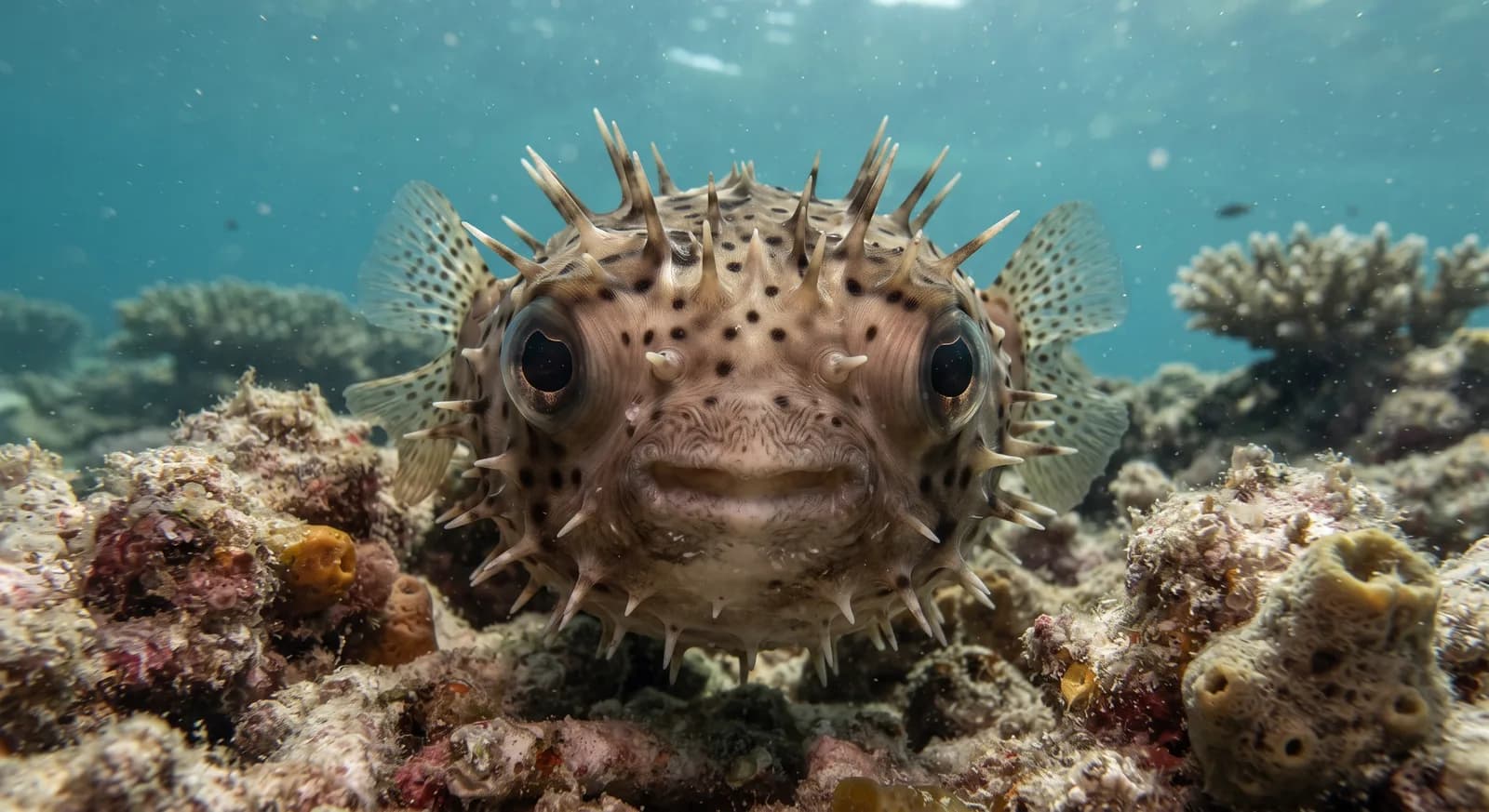
Spot-fin PorcupinefishLeast Concern

Spot-fin Porcupinefish

Diodon hystrix

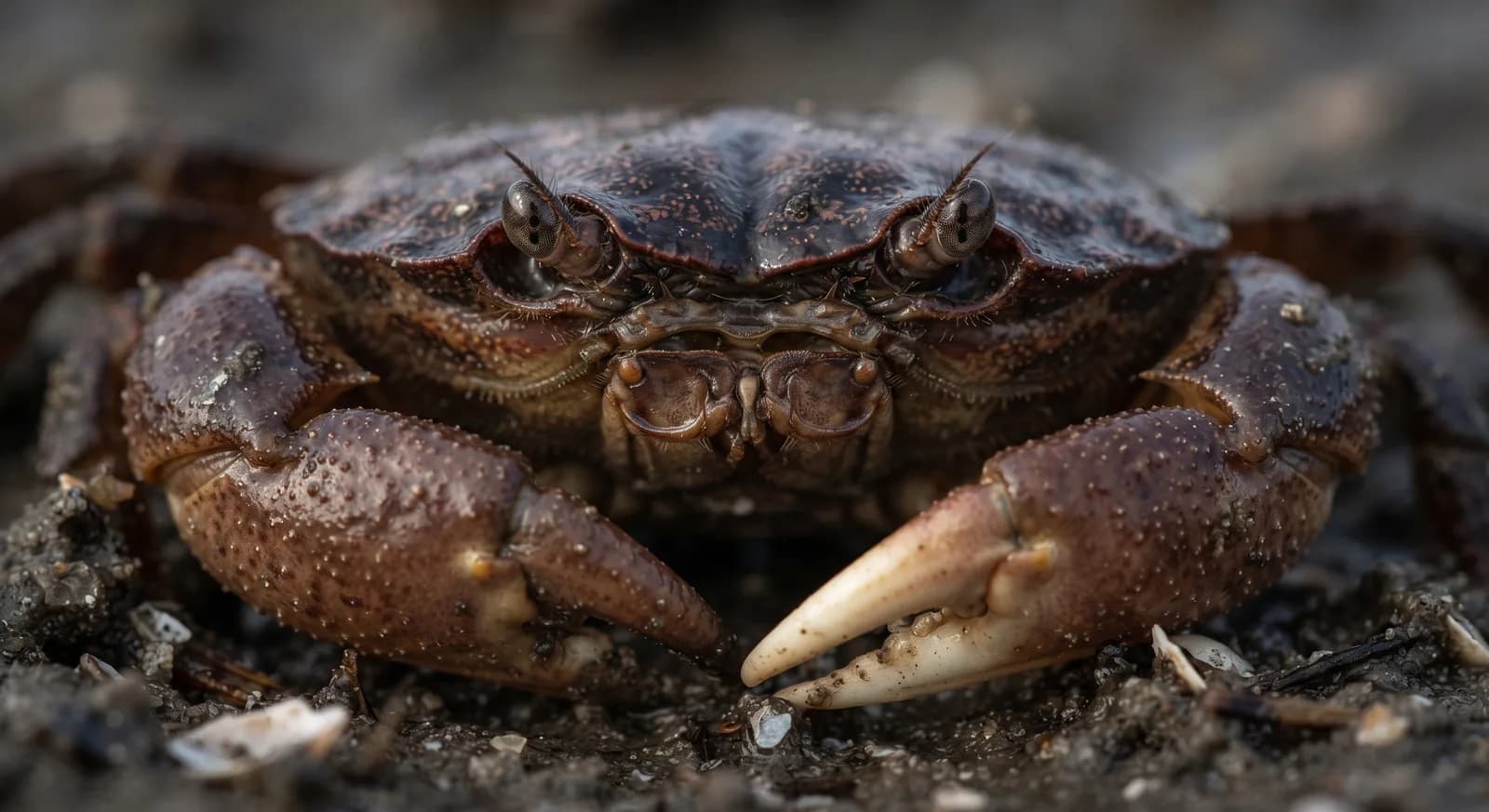
Florida Stone CrabNot Evaluated

Florida Stone Crab

Menippe mercenaria

CountriesUnited States
ParksEvergladesUnited States
TagsCarnivore
Carnivore
Nocturnal
Solitary
Ocean
Worm

North America31

South America2

United States
Mexico
Belize
Cayman Islands
Bahamas
Colombia
Anguilla
Antigua and Barbuda
Aruba
Bahamas
Barbados
Belize
Bermuda
British Virgin Islands
Cayman Islands
Costa Rica
Cuba
Curaçao
Dominica
Dominican Republic
Grenada
Guadeloupe
Haiti
Honduras
Jamaica
Martinique
Mexico
Nicaragua
Panama
Puerto Rico
Saint Kitts and Nevis
Saint Lucia
Saint Vincent and Grenadines
Trinidad and Tobago
Turks and Caicos Islands
U.S. Virgin Islands
United States
Colombia
Venezuela