Skip to content
WAnimals
  • Map
  • Species
  • Parks
  • Diving
Log inCreate account
WAnimals

The guide for travellers and animal lovers: discover, plan and share your wild adventures around the world.

Discover wildlife

  • Species
  • Ecosystems
  • Glossary
  • Tags

Explore places

  • Map
  • Countries
  • Parks
  • Diving

Plan experiences

  • Guides

Learn

  • Blog

Resources

  • About us
  • How we build our profiles
  • Help centre
  • Contact
  • Install the app

Follow us

Account

  • Log in
  • Create account

© 2026 WAnimals. All rights reserved.

Terms of servicePrivacyCookiesLegal notice
MapSpeciesParksDiving
  1. Home
  2. Species
  3. Pallas's Pika

One of the 2 pikas on WAnimals

Mammals · Lagomorpha · Ochotonidae

Pallas's Pika

Ochotona pallasii

Least Concern

The species is abundant and widely distributed; it faces no significant short-term risk.

Spotted something wrong?

Pallas's pika is a small, chunky lagomorph with no visible tail and short, rounded ears, which inhabits the steppes and scree slopes of Mongolia, northern China, Kazakhstan and southern Russia. It lives in family colonies that dig burrows and communicate with high-pitched whistles. Like the rest of the pikas, it does not hibernate: it spends the summer cutting grass and piling it up in the sun to dry, forming small haystacks that serve as its larder through the long continental winters.

Weight

150 g – 250 g

Size

16 cm – 23 cm

Life expectancy

3 years

Diet

Herbivore

Feeds mainly on plants.

Activity

Diurnal

Active mainly during the day.

Social structure

Colony

Lives in large concentrations, often for breeding reasons.

DesertMountainGrassland
11countries15parks1same family

Fun facts

  • It cuts grass in summer and leaves it to dry in the sun in tidy little heaps, a hoarding habit that has earned it the nickname "farmer of the steppe".
  • Pikas are not rodents but lagomorphs, that is, close relatives of rabbits and hares, with which they share a second pair of incisors behind the first.

Life cycle and biology

Skeleton type
Vertebrate - internal bony skeleton (mammal)
Habitat and environment
Rocky steppe, scree and semi-desert in Central Asia, between 1,200 and 3,500 m
Birth weight
Born blind and almost naked
Size at birth
Born blind and almost naked; it opens its eyes within a few days
Gestation / incubation
25 days
Litter / clutch size
5

Sources consulted: IUCN Red List · Animal Diversity Web · Wikipedia (es)

Where to find it

Best time: All year round on the steppes of Mongolia and north-western China, by day; in summer and autumn it is seen carrying and drying grass in haypiles.

Loading map…

The pins mark the parks where its presence is documented.

Where to see it

Parks and dive sites where this species has been documented — showing 10 of 15.

Related species

Other species in the catalogue with the most in common with Pallas's Pika — same habitat, park, country, tags or family.

Shares a park
Shares a park
Shares a park
Shares a park
Shares a park
Shares a park

Keep exploring

Based on what we already know about pallas's pika.

Share an experience, a fun fact or a tip for seeing the pallas's pika.
See full glossary
This page in other languages: Español · Deutsch · Français · Português · Italiano
See its range on the interactive map→
Gobi GurvansaikhanMongolia
Ala ArchaKyrgyzstan
Aksu-ZhabaglyKazakhstan
KanasChina
HustaiMongolia
Great Gobi Strictly Protected AreaMongolia
Uvs Nuur BasinMongolia
Ile-AlatauKazakhstan
Xinjiang TianshanChina
Altai Tavan BogdMongolia
See all 15 parks
Least Concern

Black-bellied Sandgrouse

Pterocles orientalis

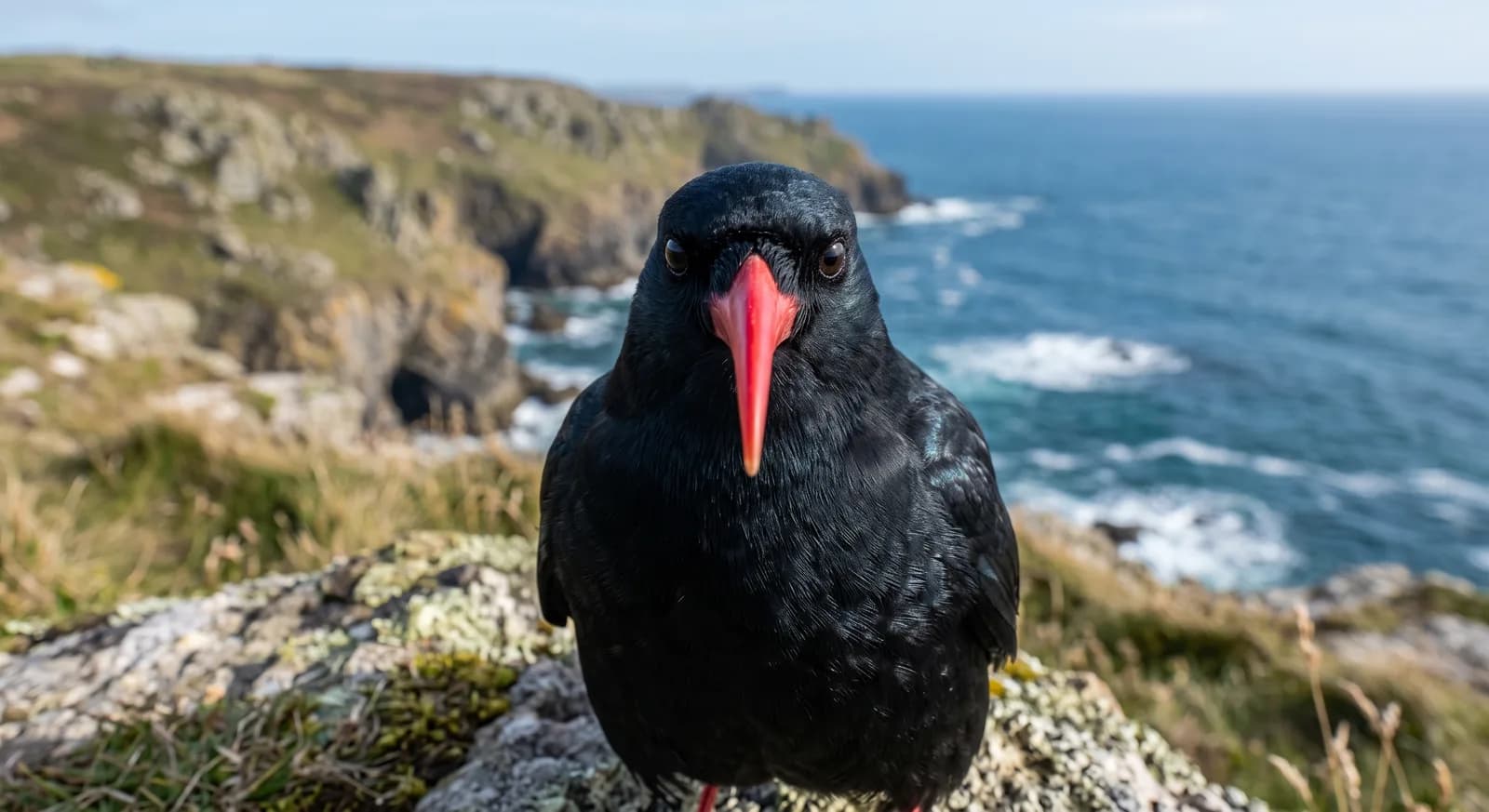
Red-billed ChoughLeast Concern

Red-billed Chough

Pyrrhocorax pyrrhocorax

Demoiselle CraneLeast Concern

Demoiselle Crane

Grus virgo

Least Concern

Lesser Egyptian Jerboa

Jaculus jaculus

Near Threatened

Asiatic Wild Ass

Equus hemionus

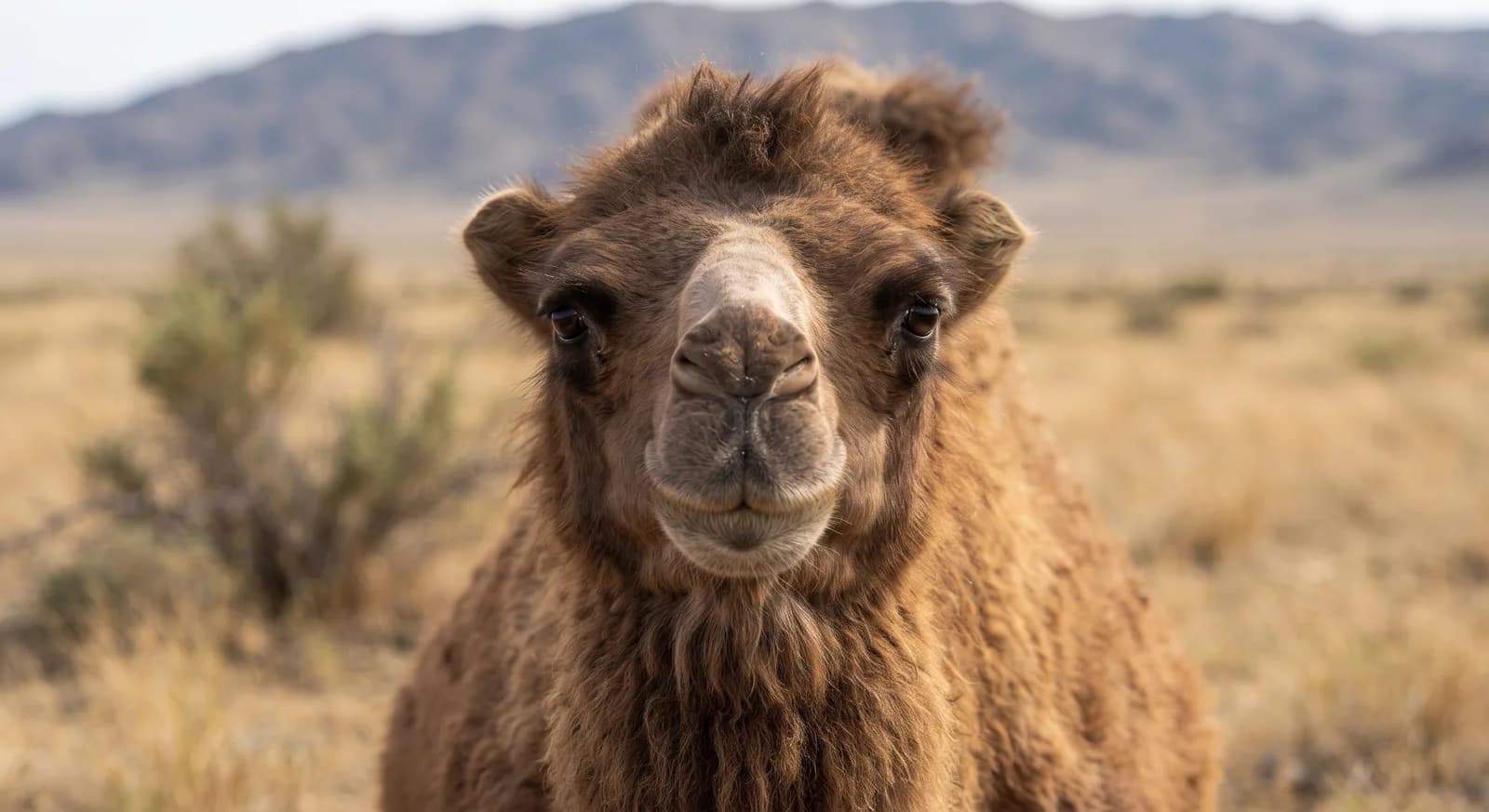
Bactrian CamelCritically Endangered

Bactrian Camel

Camelus bactrianus

CountriesMongolia
ParksGobi GurvansaikhanMongolia
TagsHerbivore
Herbivore
Diurnal
Colonial
Desert
Mountain
Grassland
Mammal
Mongolia
China
Kazakhstan
Russia
Kyrgyzstan
Afghanistan
Afghanistan
China
Iran
Kazakhstan
Kyrgyzstan
Mongolia
Pakistan
Russia
Tajikistan
Turkmenistan
Uzbekistan