One of the 13 cormorants on WAnimals

Birds · Suliformes · Phalacrocoracidae
Pygmy Cormorant
Microcarbo pygmaeus
Least Concern
The species is abundant and widely distributed; it faces no significant short-term risk.
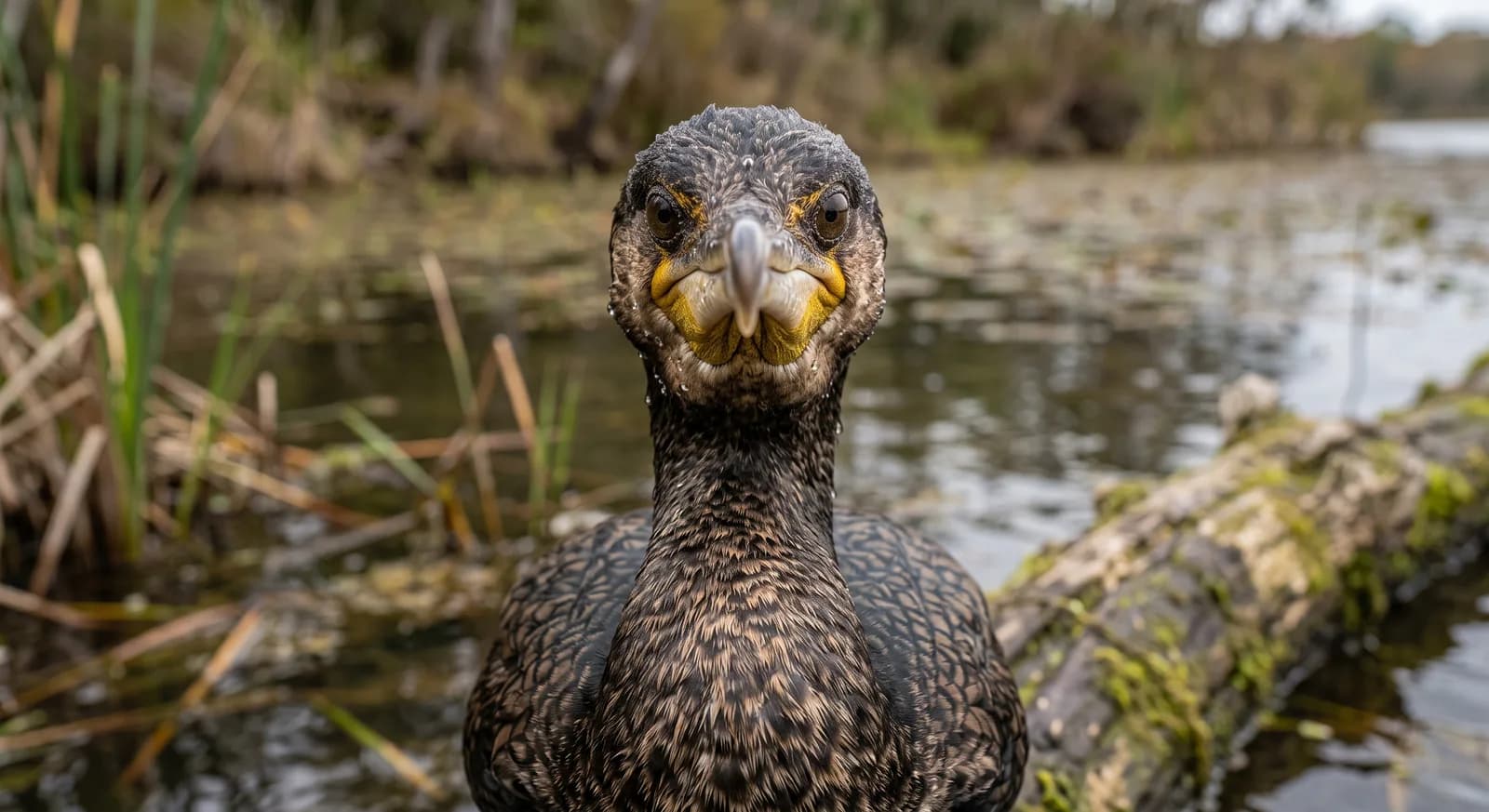
The pygmy cormorant is the smallest cormorant in Europe, with a long tail and a short bill that give it a silhouette quite unlike the great cormorant's. It depends on freshwater wetlands with dense reedbeds and flooded trees in which to breed in colonies, often mixed with herons. It was in severe decline through wetland drainage and persecution, and has recovered remarkably quickly over recent decades thanks to the protection of deltas and lagoons.
Weight
500 g – 900 g
Size
45 cm – 55 cm
Life expectancy
12 years