Skip to content
WAnimals
  • Map
  • Species
  • Parks
  • Diving
Log inCreate account
WAnimals

The guide for travellers and animal lovers: discover, plan and share your wild adventures around the world.

Discover wildlife

  • Species
  • Ecosystems
  • Glossary
  • Tags

Explore places

  • Map
  • Countries
  • Parks
  • Diving

Plan experiences

  • Guides

Learn

  • Blog

Resources

  • Help centre
  • Contact
  • Install the app

Follow us

Account

  • Log in
  • Create account

© 2026 WAnimals. All rights reserved.

About usHow we build our profilesTerms of servicePrivacyLegal notice
MapSpeciesParksDiving
  1. Home
  2. Species
  3. Red-striped Oil Beetle

Insects · Coleoptera · Meloidae

Red-striped Oil Beetle

Berberomeloe majalis

Not Evaluated

It has not yet been assessed against the IUCN criteria.

Spotted something wrong?

The red-striped oil beetle is a polyphagan beetle of the family Meloidae that grows to a large size, occasionally more than seven centimetres, making it one of the largest beetles in Europe.

Size

up to 7 cm

Life expectancy

1 year

Diet

Herbivore

Feeds mainly on plants.

Activity

Diurnal

Active mainly during the day.

Social structure

Solitary

Lives and hunts alone, joining others only to breed.

Sighting difficulty

Unknown

Grassland
4countries41parks1same family

Fun facts

  • GeneralIt secretes cantharidin, a toxic fluid that raises blisters on contact.
  • Its development is a hypermetamorphosis: the newly hatched larva, called a triungulin, climbs onto a flower and hooks itself into the hair of a solitary bee, which unwittingly carries it back to its nest, where it devours the provisions and the eggs.
  • It secretes cantharidin through the joints of its legs as droplets of haemolymph, in what is known as reflex bleeding.
  • Its size and slowness make it very vulnerable to being run over and trodden on along tracks and paths.
  • It secretes cantharidin from its leg joints, an oily fluid — hence the name oil beetle — that raises blisters and burns on the skin. It should not be handled, although it is otherwise harmless.
  • Its black colouring with red or orange bands is aposematic: a warning that it is toxic.
  • It undergoes hypermetamorphosis: it passes through larval stages of entirely different appearance. The eggs hatch into triungulins, mobile larvae with three claws per leg that actively search out the nests of solitary bees and wasps.
  • Inside the nest they devour the bee's eggs and larvae and then the stored pollen and honey; afterwards they change into a very different-looking larva and finally pupate.
  • Its wing cases are stunted and it has no wings, so it cannot fly. Disturbed, it plays dead.

Life cycle and biology

Skeleton type
Invertebrate - chitin exoskeleton (insect)
Habitat and environment
Steppe, dry grassland and tracks
Sexual maturity
The adult has vestigial wings and cannot fly: it moves about on foot and feeds on the leaves and flowers of various plants
Gestation / incubation
It shows hypermetamorphosis: triungulin larvae emerge from the buried eggs and, unlike other phoretic blister beetles, have to search actively for the ground nests of wild bees and wasps, where they feed on their eggs and larvae while passing through larval instars of very different shapes
Litter / clutch size
Thousands of eggs per female, in a hollow in the ground

Sources consulted: https://es.wikipedia.org/wiki/Berberomeloe_majalis; El Boletin de ARBA (Lopez Colon, Bahillo de la Puebla y Lopez Septiem), seguimiento de doce primaveras en la Comunidad de Madrid; Fichas naturalistas ibericas de Berberomeloe majalis; Guadarramistas; fichas naturalistas ibericas

Where to find it

Best time: One of the first insects to appear in early spring; it is seen walking along paths, field margins and thyme scrub, from sea level to above 3,000 m in the Sierra Nevada

Loading map…

Where to see it

Parks and dive sites where this species has been documented — showing 10 of 41.

Related species

Other species in the catalogue with the most in common with Red-striped Oil Beetle — same habitat, park, country, tags or family.

Same taxonomic family
Shares a park
Shares a park
Shares a park
Shares a park
Shares a park

Keep exploring

Based on what we already know about red-striped oil beetle.

Comments

Share an experience, a fun fact or a tip for seeing the red-striped oil beetle.

Be the first to comment.

See full glossary
This page in other languages: Español · Deutsch · Français · Português · Italiano

The pins mark the parks where its presence is documented.
See its range on the interactive map→
Picos de EuropaSpain
Ordesa y Monte PerdidoSpain
Aiguestortes i Estany de Sant MauriciSpain
Peneda-GeresPortugal
ToubkalMorocco
CabañerosSpain
Pyrenees National ParkFrance
MonfragueSpain
Sierra de GuadarramaSpain
CamargueFrance
See all 41 parks
Spanish FlyNot Evaluated

Spanish Fly

Lytta vesicatoria

Sacred ScarabNot Evaluated

Sacred Scarab

Scarabaeus sacer

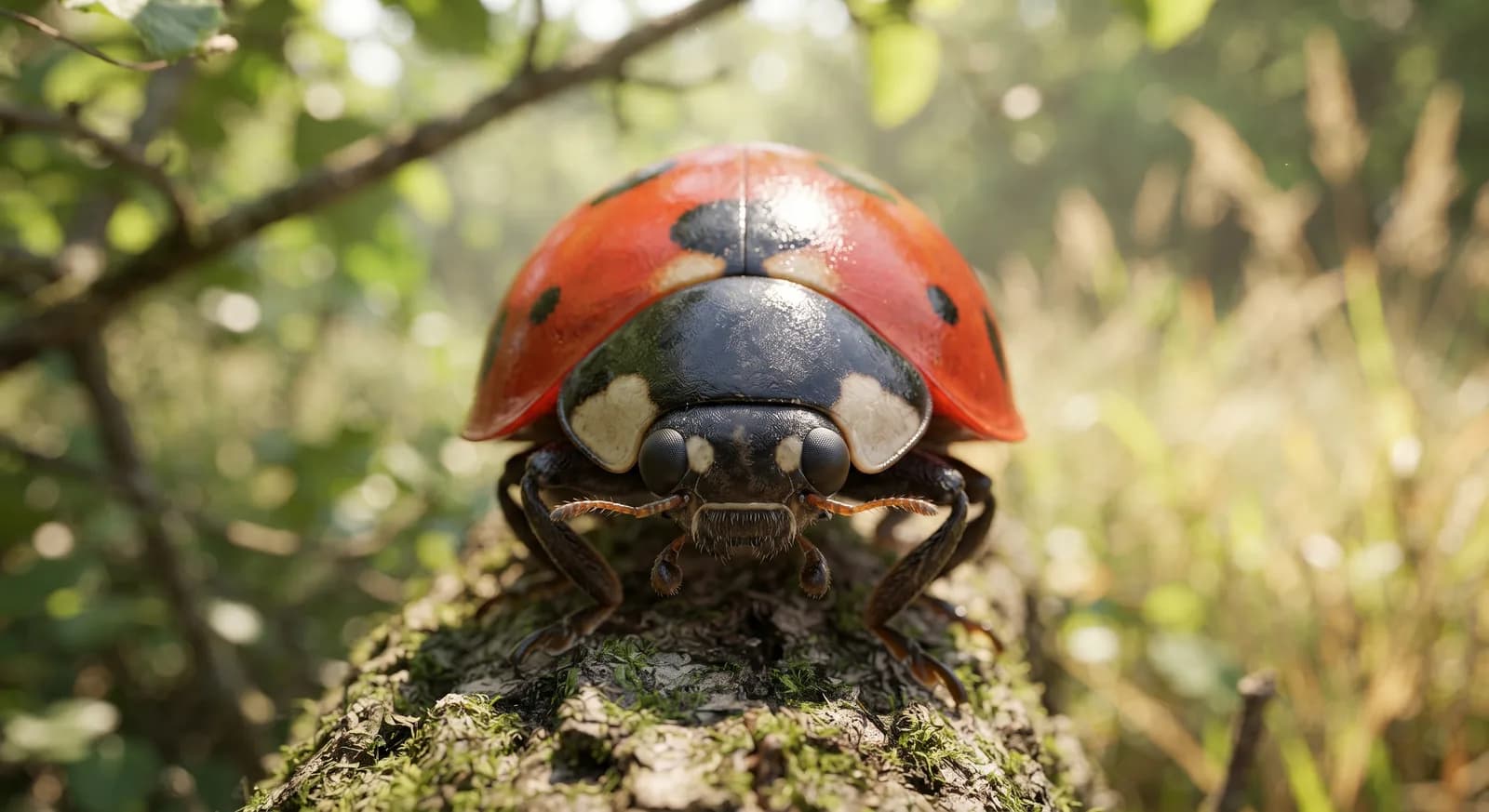
Seven-spotted Lady BeetleNot Evaluated

Seven-spotted Lady Beetle

Coccinella septempunctata

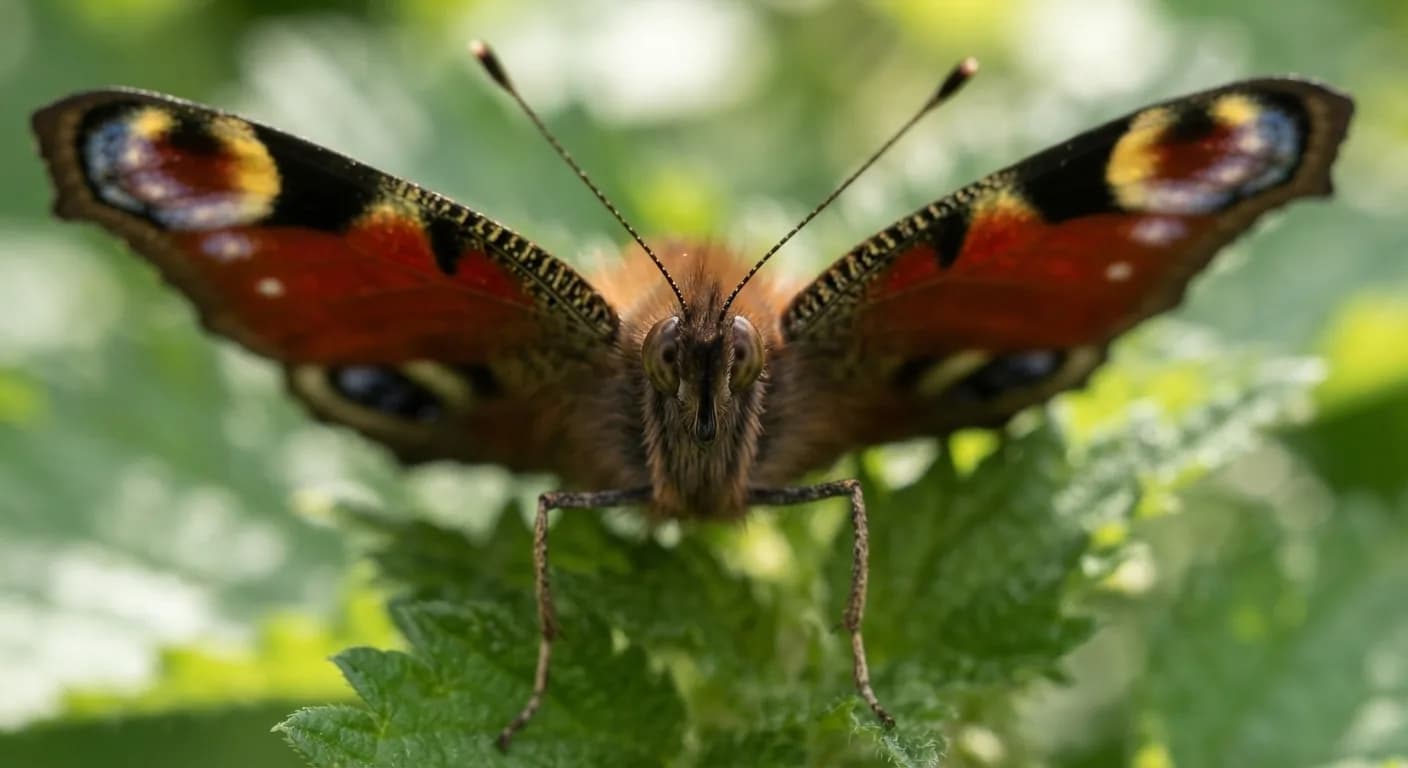
PeacockLeast Concern

Peacock

Aglais io

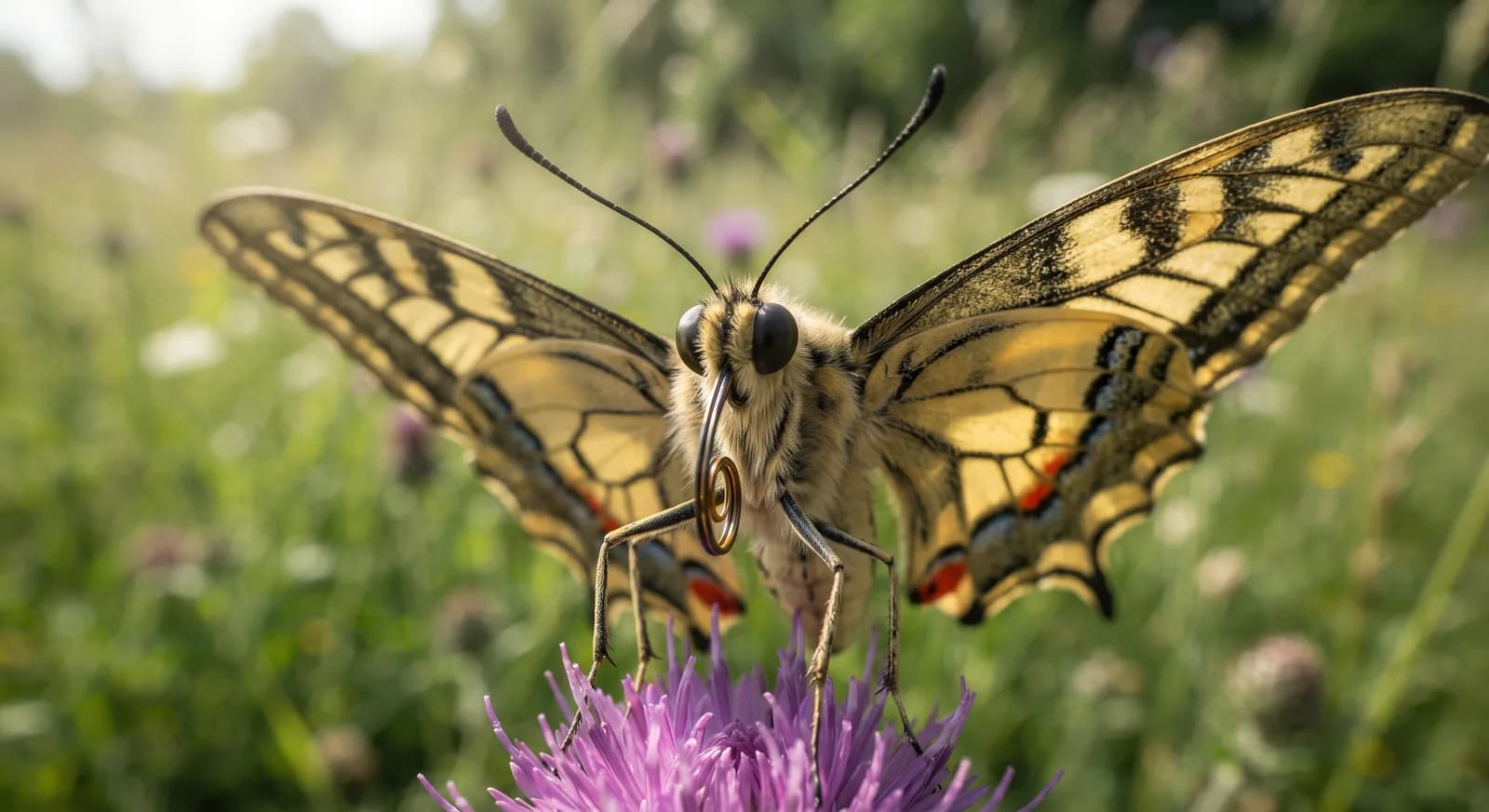
SwallowtailLeast Concern

Swallowtail

Papilio machaon

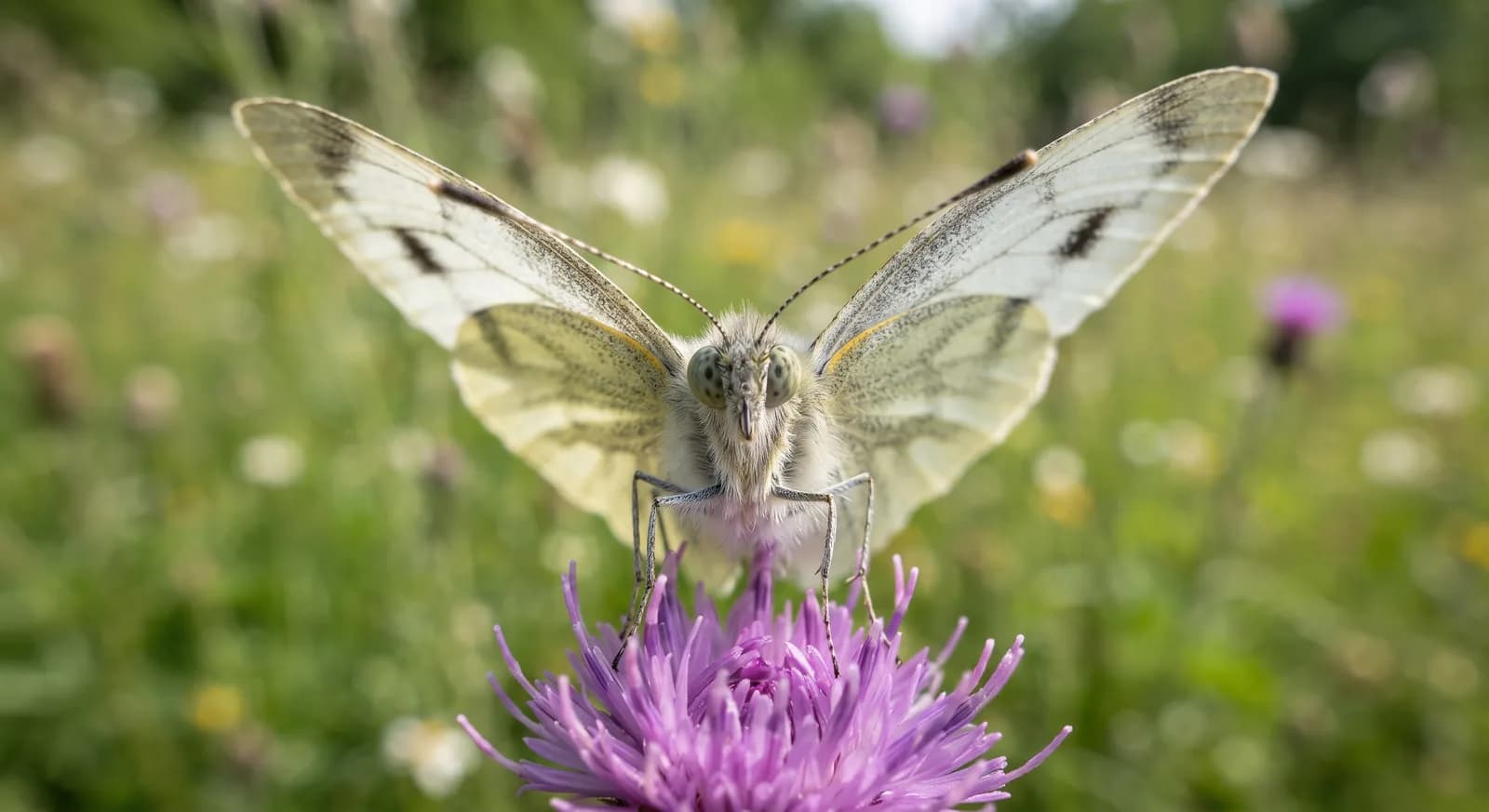
Large WhiteLeast Concern

Large White

Pieris brassicae

CountriesSpain
ParksPicos de EuropaSpain
TagsHerbivore
Herbivore
Diurnal
Solitary
Insect
Grassland
Spain
Morocco
Portugal
France