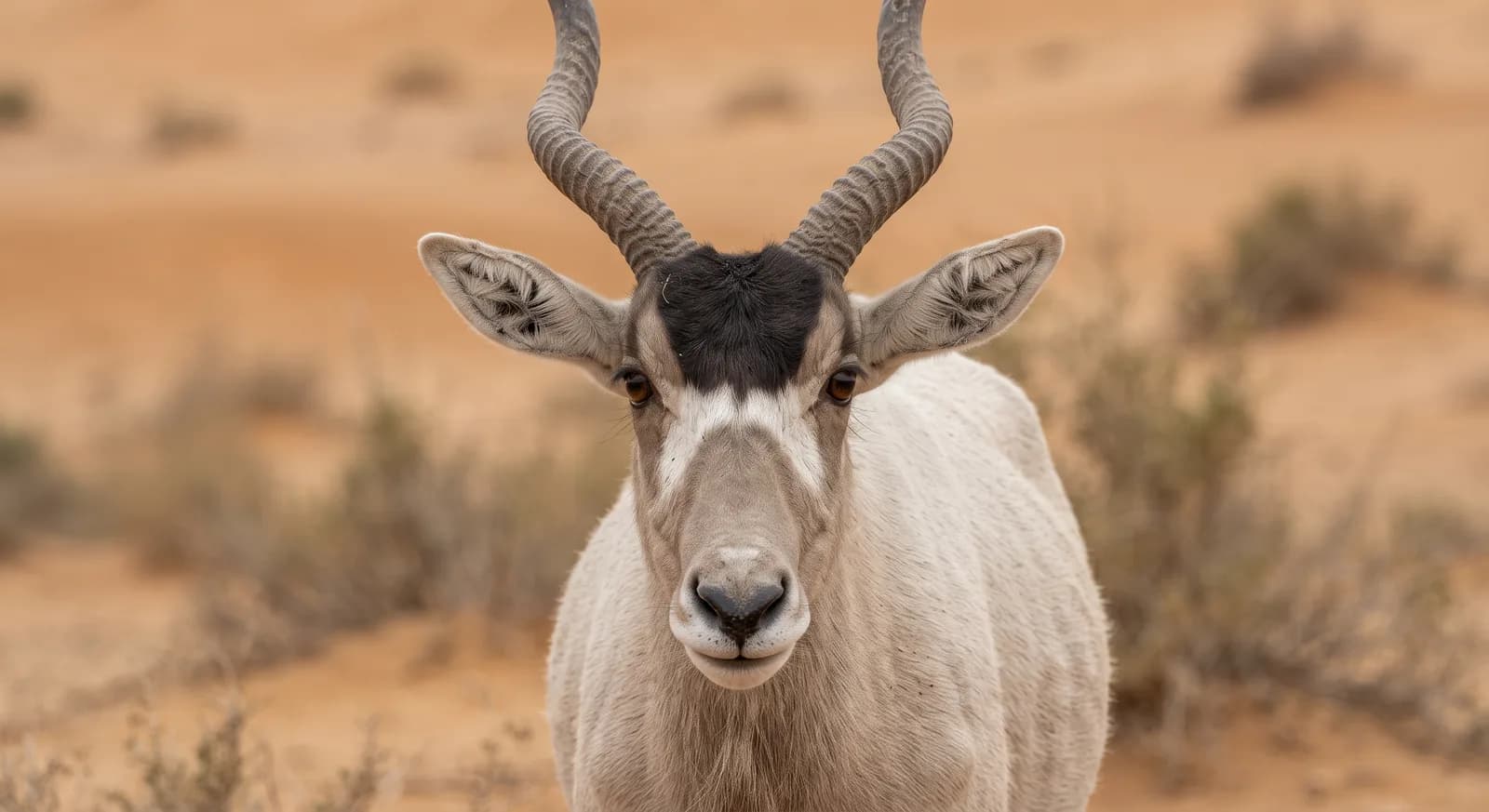
 Critically Endangered
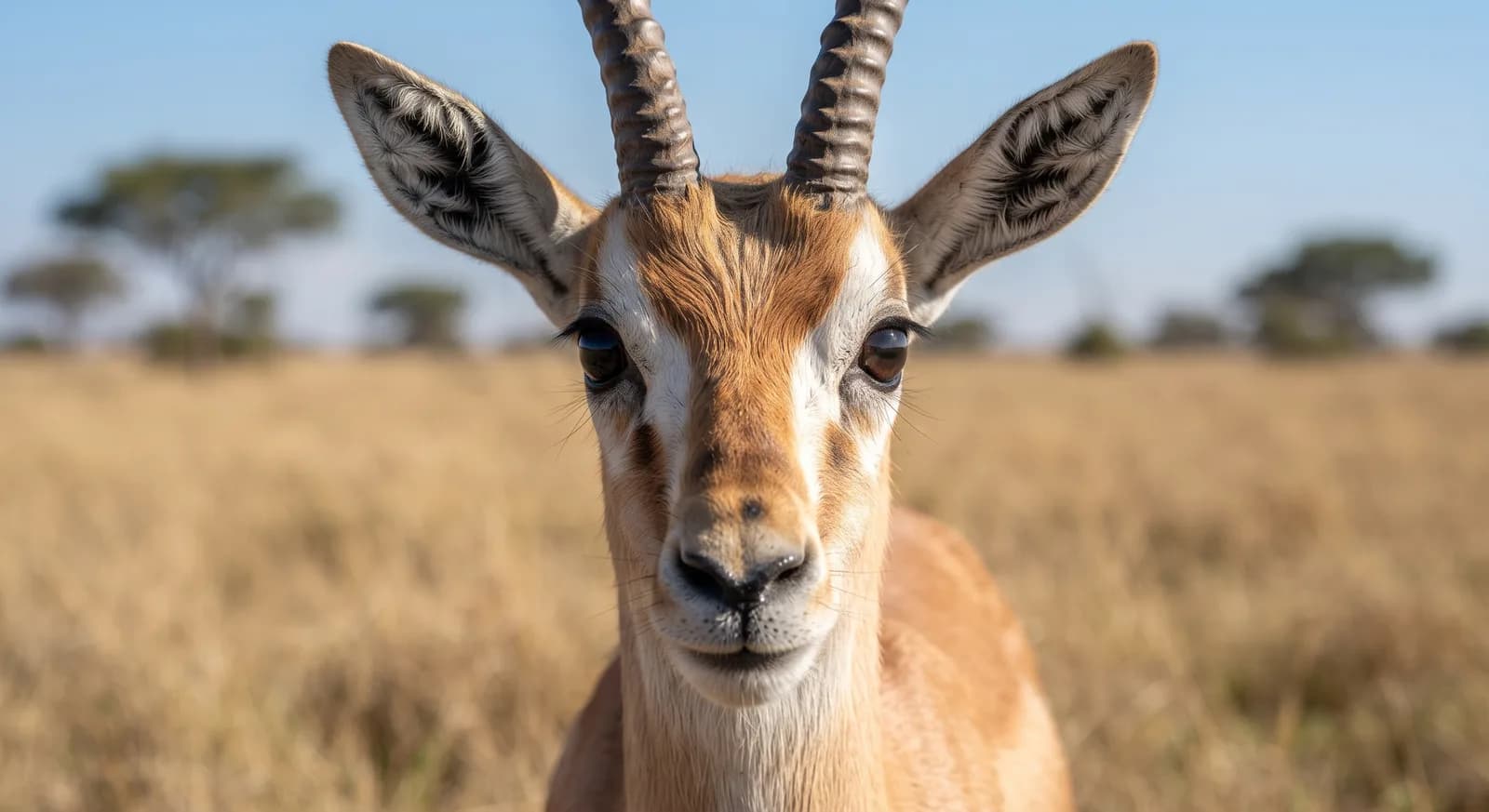
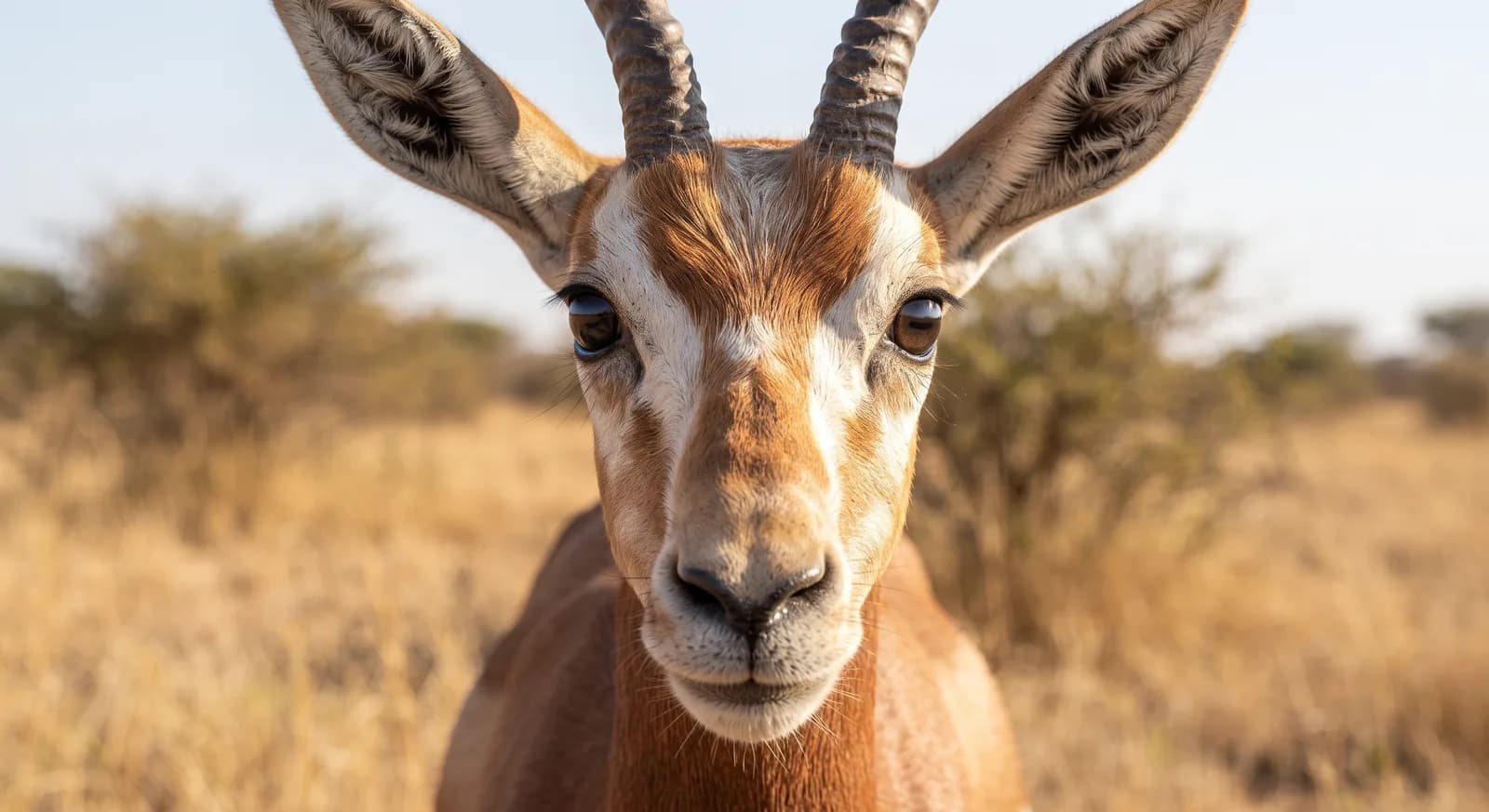
Dama Gazelle
Nanger dama
One of the 4 oryxes on WAnimals
Mammals · Artiodactyla · Bovidae
Oryx dammah
At extremely high risk of imminent extinction in the wild.
It died out entirely in the wild by around 2000 through overhunting, surviving only in zoo populations, from which it has been successfully reintroduced to reserves in Chad since 2016.
Weight
91 kg – 210 kg
Size
1.1 m – 1.3 m
Life expectancy
14 years
Diet
Herbivore
Feeds mainly on plants.
Activity
Diurnal
Active mainly during the day.
Social structure
Herd
Lives in large groups as a strategy against predators.
Estimated population
Several hundred animals reintroduced into the Ouadi Rimé-Ouadi Achim reserve, in Chad, plus thousands held in captivity.
Sources consulted: Animals Fandom Wiki · JungleDragon · Ultimate Ungulate · AnAge (genomics.senescence.info) · SeaWorld · A-Z Animals · Animalia.bio · Animal Diversity Web
Best time: All year round in the Ouadi Rimé-Ouadi Achim reserve, in Chad, where it was reintroduced after becoming extinct in the wild.
The pins mark the parks where its presence is documented.
Parks and dive sites where this species has been documented.
Other species in the catalogue with the most in common with Scimitar-horned Oryx — same habitat, park, country, tags or family.
The scimitar-horned oryx is classified as critically endangered. Organisations such as the IUCN, WWF and the Wildlife Conservation Society work specifically on its conservation and that of its habitat; looking into their programmes is a good starting point if you want to get involved.
It's documented in 2 protected areas — one reason why protecting these places matters for its conservation.
Based on what we already know about scimitar-horned oryx.