 Least Concern
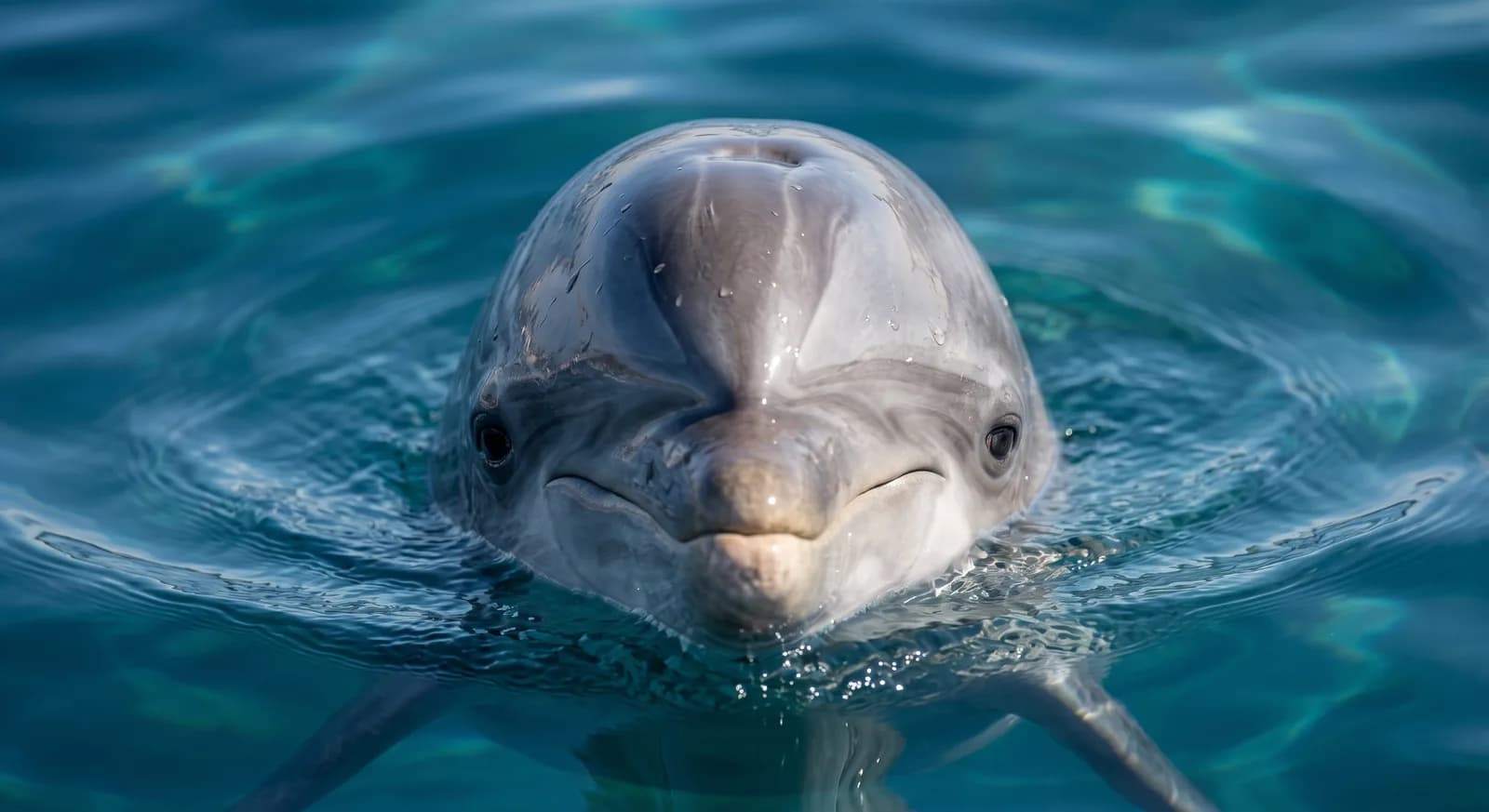
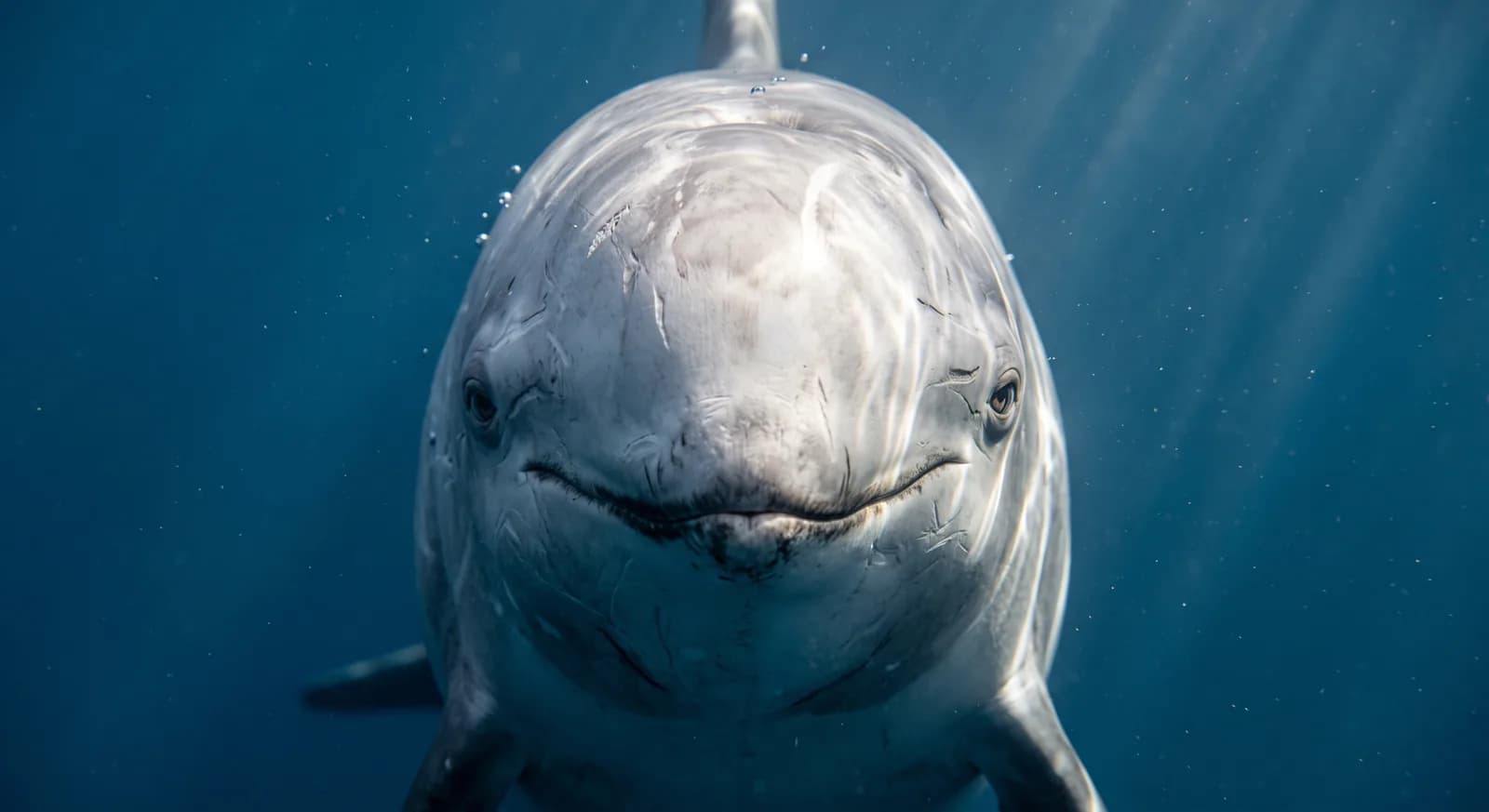
Risso's Dolphin
Grampus griseus
North America
Barbados is an unusual island in the eastern Caribbean because it is not volcanic in origin like its neighbours, but is formed by a cap of coral limestone raised on top of marine sediments. That permeable nature explains why there are practically no surface rivers and why the water moves through a system of caves and underground cavities, such as Harrison's Cave. The original forest cover disappeared almost entirely with sugar cane cultivation, and today only a small remnant of mature woodland is left at Turner's Hall. The west coast retains reefs and seagrass meadows where turtles feed, and the island's beaches support one of the most important hawksbill turtle nesting populations in the whole Caribbean.
National animal: The brown pelican, the country's emblematic bird, linked to the islet that gave its port its name
The Barbados threadsnake is the smallest snake in the world: it measures around ten centimetres, is as thin as a strand of spaghetti and fits coiled on a coin. It was formally described in 2008 and its biology is as extreme as its size, since the female lays a single egg from which hatches a young snake more than half the length of its mother.
The island's turtle conservation project, running since 1987, has multiplied the nesting hawksbill population many times over and maintains a permanent rescue service for hatchlings disorientated by hotel lights. The flying fish, a culinary and cultural symbol of the country, is the subject of regional fishing agreements.
The west coast beaches between May and October for hawksbill turtle nesting. Turner's Hall at dawn for birds and green monkeys. Carlisle Bay year-round for turtles in the water.
Where else might I want to travel?
Same region: Central America and the Caribbean
Same region: Central America and the Caribbean
Same region: Central America and the Caribbean
Same region: Central America and the Caribbean
119 species found
Based on what we already know about Barbados.