 Vulnerable
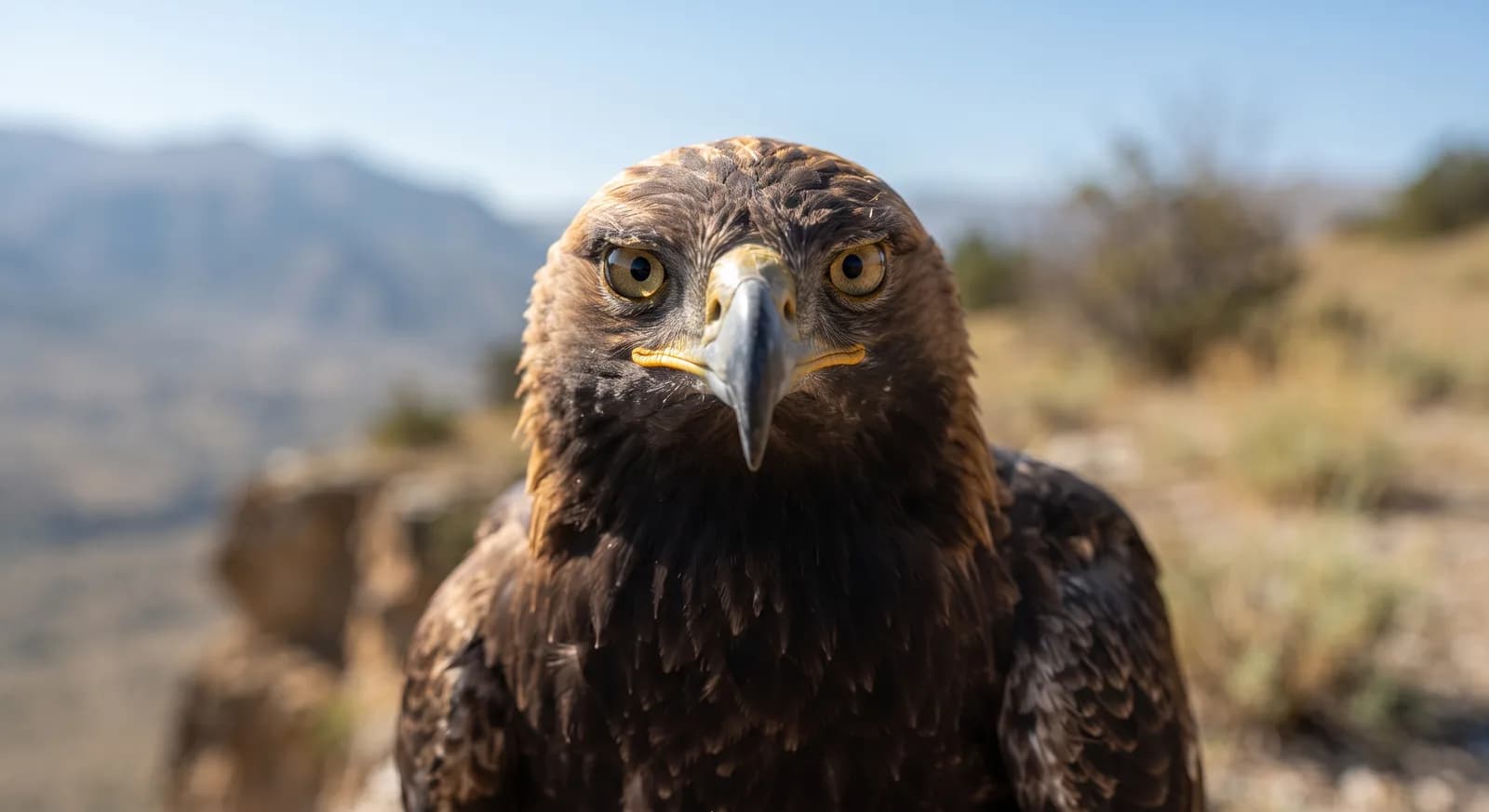
Eastern Imperial Eagle
Aquila heliaca
Europe
Bulgaria sits at a biogeographical crossroads between central Europe, the Mediterranean and Asia Minor, which explains its high diversity for its size. The Rila and Pirin mountains keep residual glaciers, high-altitude lakes and Macedonian pine forests, and are the stronghold of a southern alpine fauna with chamois and golden eagles. The Rhodopes, a massif of limestone and gorges in the south, have become the European centre for vulture recovery, with griffon and Egyptian vultures and reintroduced bearded vultures. The Black Sea coast, with the Burgas lagoons, lies directly beneath the Via Pontica, the second most important migratory route in Europe. The Danube valley, the floodplain forest of Persina island and the Srebarna wetlands add Dalmatian pelicans and mixed colonies of waterbirds.
National animal: The lion is the national heraldic emblem
Every autumn, hundreds of thousands of white storks, pelicans and raptors funnel over the Burgas lagoons along the Via Pontica: because these soaring birds need thermals and avoid crossing open sea, all those coming down from eastern Europe towards Africa are forced to skirt the Black Sea through the same narrow corridor, and tens of thousands of storks can be counted over the city in a single day.
The Rhodopes host one of the most ambitious vulture recovery programmes in Europe, with reintroductions of cinereous and bearded vulture and a network of feeding stations. Srebarna maintains one of the few breeding colonies of Dalmatian pelican in the European Union.
The Burgas lagoons between August and October for the Via Pontica passage. The Eastern Rhodopes year-round from vulture hides. Rila and Pirin in summer for alpine wildlife and endemic flora.
509 species found
Based on what we already know about Bulgaria.