 Endangered
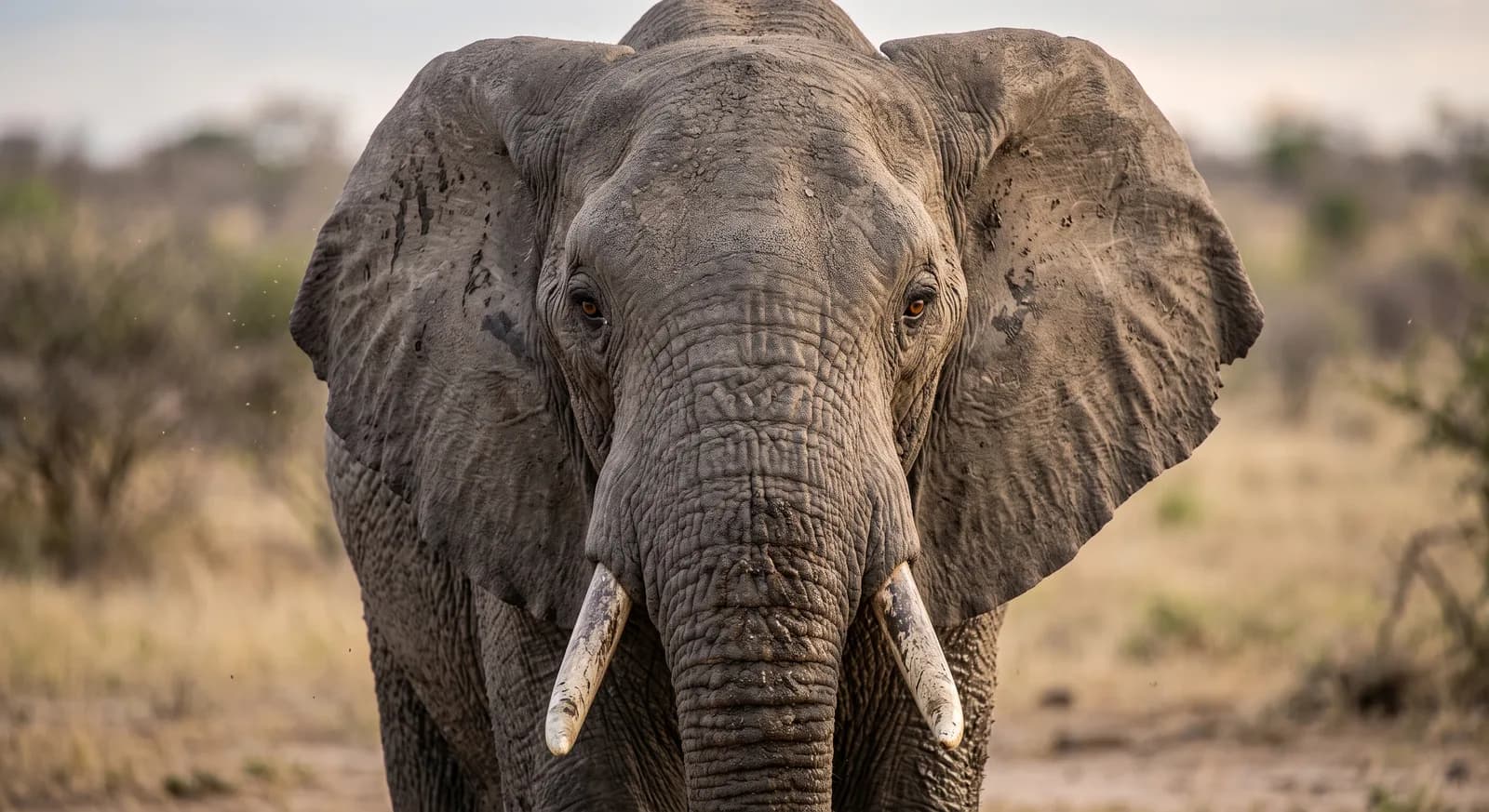
African Savanna Elephant
Loxodonta africana
Africa
Eritrea combines a high central plateau, with a temperate climate and remnants of juniper and African olive woodland, two arid slopes descending to east and west, and a Red Sea coast of more than a thousand kilometres with the Dahlak archipelago, more than three hundred almost uninhabited islands. The Danakil depression, in the southeast, is one of the hottest and most inhospitable places on the planet, with salt lakes, volcanoes and lava fields. Despite that harshness, it holds wildlife adapted to the extreme. In the southwest, the Gash-Barka region keeps wooded savannah and gallery forest with the northernmost elephant population in East Africa, isolated from the rest of the species. The Eritrean Red Sea waters stand out for their corals tolerant of very high temperatures.
National animal: The dromedary, present on the national coat of arms
The African wild ass, ancestor of all the world's domestic donkeys, survives only in a few pockets of Eritrea and the Ethiopian Danakil, with fewer than two hundred adults in the wild. It is one of the most endangered mammals on the planet, able to go several days without drinking and to survive on volcanic ground where almost no other large herbivore could feed.
The African wild ass is critically endangered through hunting and hybridisation with domestic donkeys. The corals of the Eritrean Red Sea, which withstand temperatures lethal to other reefs, are being studied as a model of climate resilience.
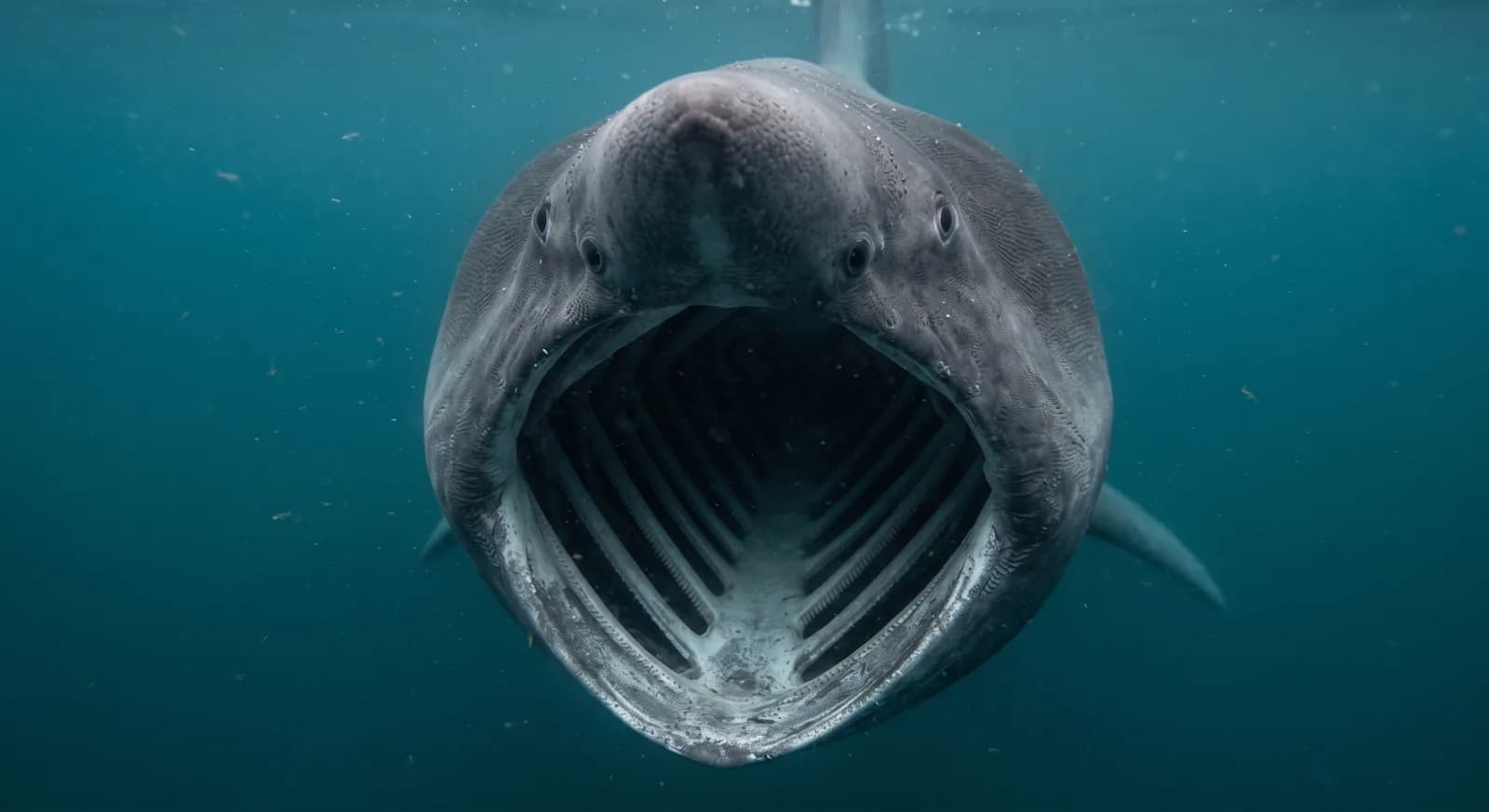
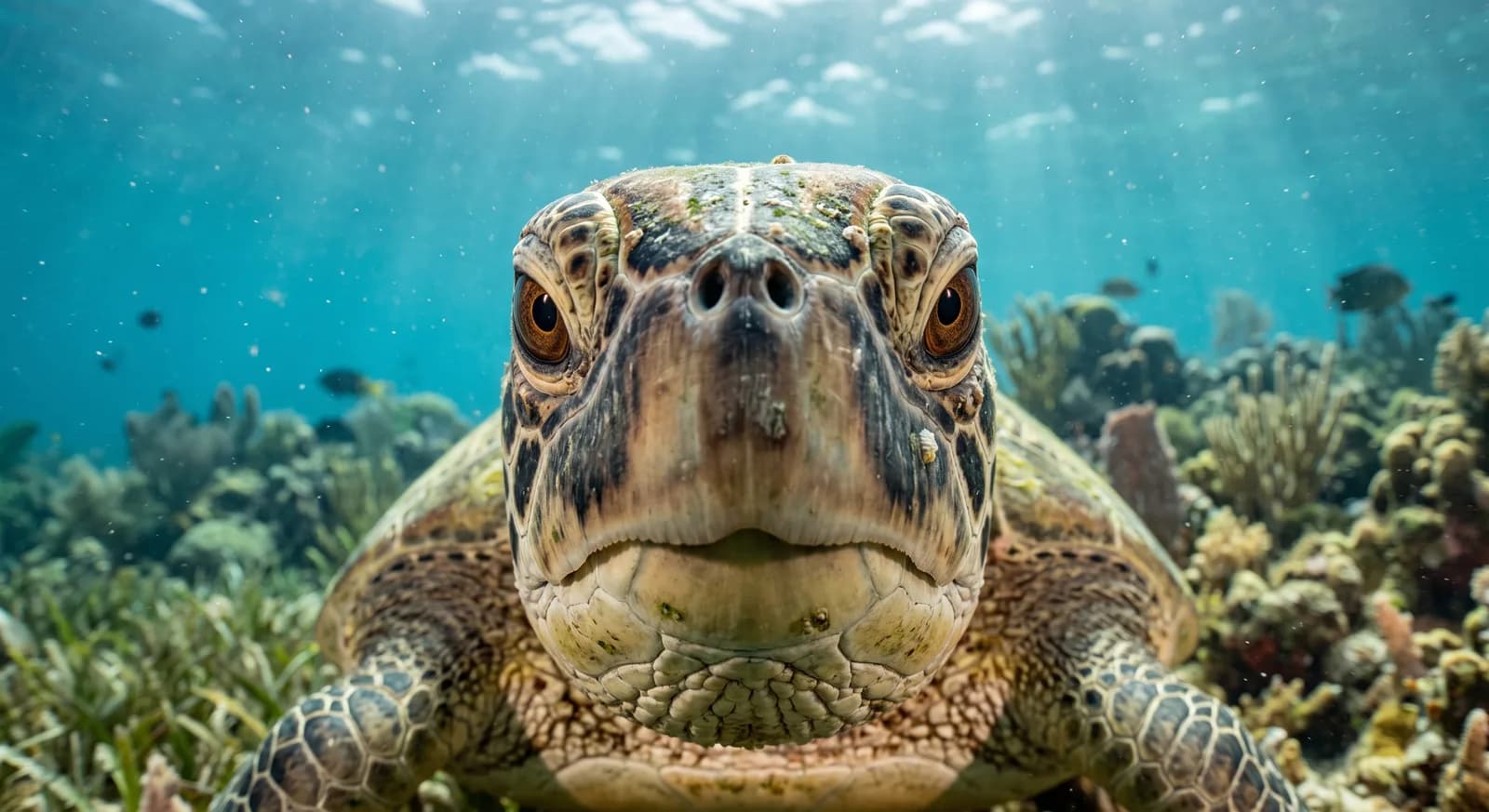
The Dahlak islands year-round for reefs, dugongs and turtles. Gash-Barka in the dry season for elephants. The central plateau in spring for highland birds.
280 species found
Based on what we already know about Eritrea.