Skip to content
WAnimals
  • Map
  • Species
  • Parks
  • Diving
Log inCreate account
WAnimals

The guide for travellers and animal lovers: discover, plan and share your wild adventures around the world.

Discover wildlife

  • Species
  • Ecosystems
  • Glossary
  • Tags

Explore places

  • Map
  • Countries
  • Parks
  • Diving

Plan experiences

  • Guides

Learn

  • Blog

Resources

  • About us
  • How we build our profiles
  • Help centre
  • Contact
  • Install the app

Follow us

Account

  • Log in
  • Create account

© 2026 WAnimals. All rights reserved.

Terms of servicePrivacyCookiesLegal notice
MapSpeciesParksDiving
  1. Home
  2. countries
  3. Italy

Italy

Europe

674

Documented species

23

Parks and reserves

14

Dive sites

Italy's elongated shape, with the Alps to the north and the Apennines running down it like a spine as far as Sicily, produces an exceptional ecological gradient that goes from glacier to coastal desert in under a thousand kilometres. The Alps keep ibex, marmots, chamois and a growing bear population in Trentino; the Apennines hold the Italian wolf, which never quite died out and from there has recolonised France and Switzerland, and the Marsican brown bear, an isolated subspecies of which little more than sixty animals survive. The Mediterranean south and the islands add endemics: Sardinia keeps the mouflon, the Sardinian red deer and the occasional monk seal; Sicily already looks towards Africa in its fauna. The Strait of Messina and the Sicilian Channel are migration funnels for raptors, and the Tyrrhenian Sea forms part of the Pelagos Sanctuary, the largest protected area for cetaceans in the Mediterranean.

Nature in Italy

National animal: The Italian wolf is the de facto national animal; the eagle is the historical heraldic emblem

Did you know?

Every Alpine ibex alive in Europe today descends from a single surviving population: by around 1820 hunting had reduced the species to barely a hundred animals sheltering in the Gran Paradiso massif, protected as a royal hunting reserve by the House of Savoy. From that small nucleus came the animals that restocked the entire Alpine arc, which is why the species has very low genetic diversity today.

Biodiversity profile

Conservation

The Marsican bear is one of the most fragile brown bear populations in the world, threatened by road deaths and inbreeding. The return of the wolf, now present across almost the whole peninsula, has reopened the debate over how to manage it.

Where and when to watch wildlife

Gran Paradiso in June and July for ibex and marmots. Abruzzo in autumn for the deer rut and bear sightings. The Pelagos Sanctuary between June and September for fin whale and sperm whale.

Parks and reserves

National Park

Cilento e Vallo di Diano

Karst mountains and coastline in southern Campania, a World Heritage cultural landscape and a biosphere reserve.

See park
National Park

Belluno Dolomites

The southern face of the Dolomites, with vertical limestone walls and an exceptional endemic flora.

See park
Regional Park

Etna

Europe's highest active volcano, with more than two millennia of documented eruptions and a strict reserve of 19,237 hectares.

See park
National Park

Foreste Casentinesi

Old-growth Apennine beech forests with the Sasso Fratino strict reserve, among the ten oldest deciduous forests in the northern hemisphere.

See park
World Heritage Site (Natural)

Aeolian Islands

A Tyrrhenian volcanic archipelago that gave science the terms Vulcanian and Strombolian.

See park
National Park

Abruzzo, Lazio and Molise

A refuge for the Marsican brown bear and the Apennine wolf

See park
National Park

Arcipelago Toscano

The largest marine park in the Mediterranean: seven Tyrrhenian islands between Tuscany and Corsica, a biosphere reserve since 2003.

See park
National Park

Circeo

One of Italy's first national parks: coastal dune, coastal lagoons and an isolated limestone promontory.

See park
National Park

Sila

The forested plateau of Calabria, with laricio pine woods, reservoirs and biosphere reserve status since 2014.

See park
National Park

Vesuvius

The volcano that buried Pompeii, with the Gran Cono and the half-circle of Monte Somma around it.

See park
National Park

Alta Murgia

Karst steppe of southern Italy

See park
National Park

Asinara

A prison island for a century, now a national park with albino donkeys and one of the best-preserved coastlines in the Mediterranean.

See park
National Park

Aspromonte

The southern tip of the Calabrian Apennines, a stepped terrace above the Strait of Messina with fiumare and high-mountain forests.

See park
National Park

Cinque Terre

A farmed coastal cultural landscape rather than untouched wilderness

See park
National Park

Gargano

The "spur of the Italian boot": an isolated limestone massif above the Adriatic with the Foresta Umbra and the Tremiti Islands.

See park
National Park

Gran Paradiso

Italy's first national park; created to protect the Alpine ibex

See park
National Park

Gran Sasso e Monti della Laga

The roof of the Apennines, with the Corno Grande, Europe's southernmost glacier and the Campo Imperatore plateau.

See park
National Park

La Maddalena

A granite archipelago off northern Sardinia, Italy's first geo-marine park, with beaches and wind-sculpted rocks.

See park
National Park

Majella

A compact limestone massif in Abruzzo with the greatest concentration of rock hermitages in Italy.

See park
National Park

Monti Sibillini

Plateaux with spectacular flowering and glacial lakes in the Umbrian-Marchigian Apennines, with a unique endemic crustacean.

See park
National Park

Pollino

Italy's largest national park, with the Bosnian pine as its emblem and the southernmost beech forest in Europe.

See park
National Park

Stelvio (Stilfserjoch)

Glaciers and high mountains between Lombardy and South Tyrol

See park
National Park

Val Grande

Italy's largest wilderness area: a depopulated alpine valley where forest has completely reclaimed the old pastures.

See park

Diving and snorkelling

Rocky reef/Wreck

Amalfi Coast

A steep UNESCO World Heritage coast with Roman archaeological remains submerged by seismic movement.

See dive site
Actively volcanic

Aeolian Islands (Panarea/Stromboli)

An actively volcanic UNESCO World Heritage archipelago, with underwater fumaroles visible near Panarea.

See dive site
Submerged statue / Rocky wall

Cristo degli Abissi (San Fruttuoso)

THE ORIGINAL CHRIST. A bronze statue some 2.50 m tall and weighing 260 kg, the work of the sculptor Guido Galletti, lowered on 22 August 1954 with the help of the Italian Navy. The idea came from Duilio Marcante, a legendary figure in Italian diving, in memory of his friend Dario Gonzatti, who died on a dive. The arms are raised and open as a sign of peace. After the descent the dive continues along the wall, where at around 30 m a tall crevice full of life opens up.

See dive site
Sea cave

Grotta di Nereo (Nereo Cave)

Reckoned to be the largest underwater cave in the Mediterranean. It opens in the limestone cliffs of Capo Caccia, about 100 m north of the famous Neptune's Grotto. The cliff falls vertically to some thirty metres, where the deepest entrance lies; there are further mouths at 18 and 16 m. It is possible to follow a complete ring through the interior, passing through wide chambers with walls covered in red coral, an ascending tunnel into a hall lit from outside and a broad passage with a white sand floor that returns to the starting point, exiting through a window at around 18 m.

See dive site
Volcanic/Reserve

Ustica Island

A volcanic island with basalt rock bottoms, arches and caves, protected for almost forty years. Zone A, the fully protected core, extends some 60 ha from the headland north of Punta Spalmatore to Punta Megna.

See dive site
Cave/Wall

Aegadian Islands (Favignana)

A marine protected area with underwater caves and amphora remains from the Battle of the Aegates (241 BC).

See dive site
Wall/Cave

Tremiti Islands

A little-known Adriatic archipelago, with rock walls and caves inside a protected marine park.

See dive site
Cave/Reef

Plemmirio Marine Reserve (Sicily)

A marine reserve with underwater karst formations and clear water off Syracuse.

See dive site
Rock wall

Portofino Marine Reserve

The Portofino promontory has been regarded for decades as a Mediterranean oasis for the concentration of organisms it holds. There are more than twenty dive sites among walls, rockfalls and wrecks, most of them suitable for novice and experienced divers alike.

See dive site
Wall/Cave

Tavolara (Sardinia)

A marine protected area with granite walls and spectacular islets in the Tyrrhenian Sea.

See dive site
Sea cave

Isle of Capri (Blue Grotto)

The famous cave of phosphorescent blue light, one of the most photographed underwater optical phenomena in the Mediterranean.

See dive site
Wreck/Rocky reef

Elba Island

A Tuscan island with several accessible wrecks and the crystalline water typical of the protected Tuscan archipelago.

See dive site
Cave/Rocky reef

Ponza Island

A volcanic island with pumice cliffs and underwater grottoes of great geological and scenic value.

See dive site
Actively volcanic/Fumaroles

Aeolian Islands (Vulcano)

An actively volcanic island with underwater sulphur fumaroles that warm the water near the shore.

See dive site

Similar countries

Where else might I want to travel?

Spain

Same region: Southern Europe

Andorra

Same region: Southern Europe

Portugal

Same region: Southern Europe

Greece

Same region: Southern Europe

Species documented in Italy

Filter
Class
Family
Habitat
Diet
Conservation

674 species found

Related guides

  • Fish in Italy12 species
  • Reptiles in Italy9 species
  • Birds in Italy5 species

Keep exploring

Based on what we already know about Italy.
ParkCilento e Vallo di DianoDivingAmalfi Coast

Explore on the map

Interactive map

This page in other languages: Español · Deutsch · Français · Português · Italiano
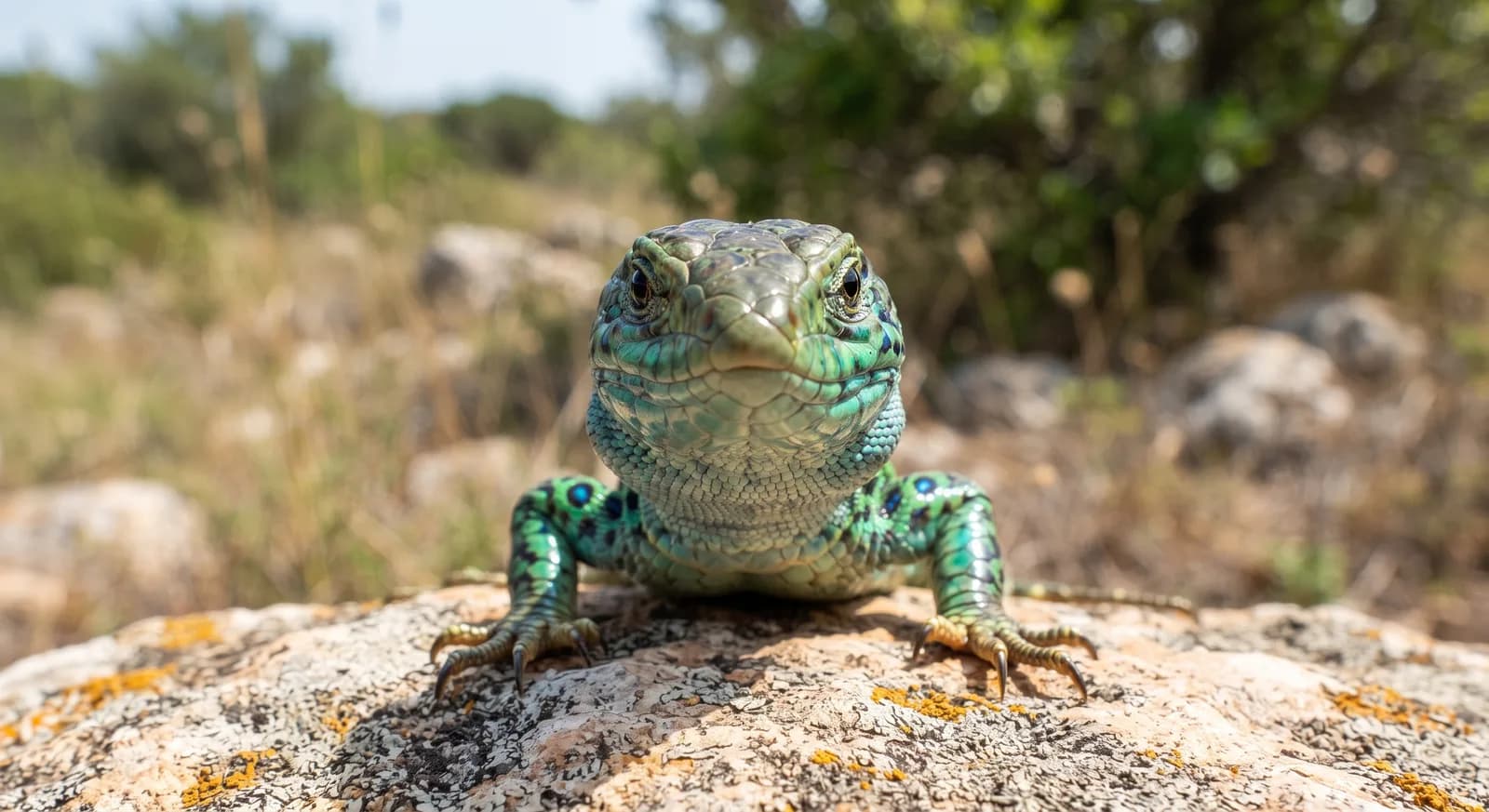
Ocellated LizardNear Threatened

Ocellated Lizard

Timon lepidus

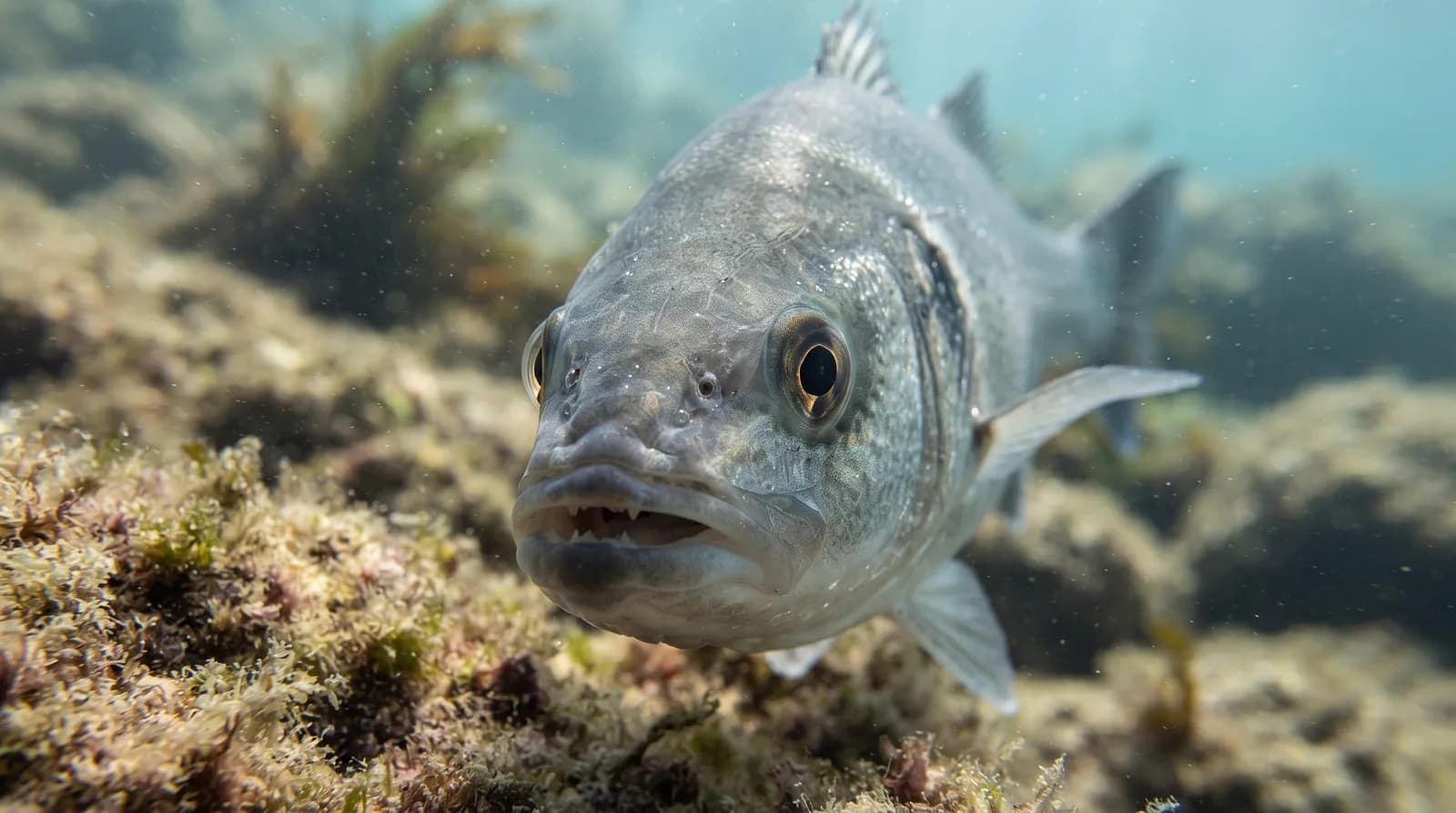
Sea BassNear Threatened

Sea Bass

Dicentrarchus labrax

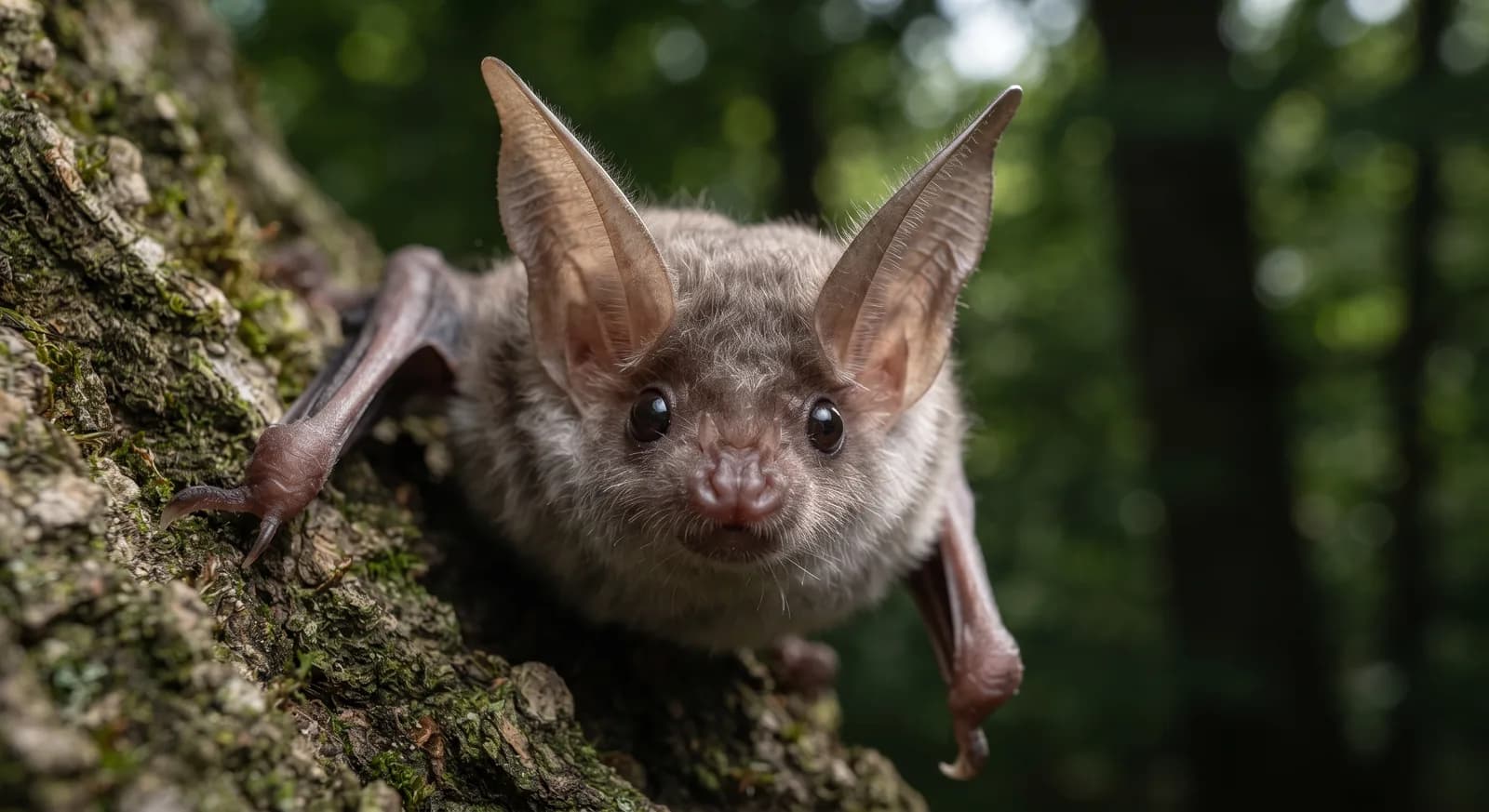
Bechstein's BatNear Threatened

Bechstein's Bat

Myotis bechsteinii

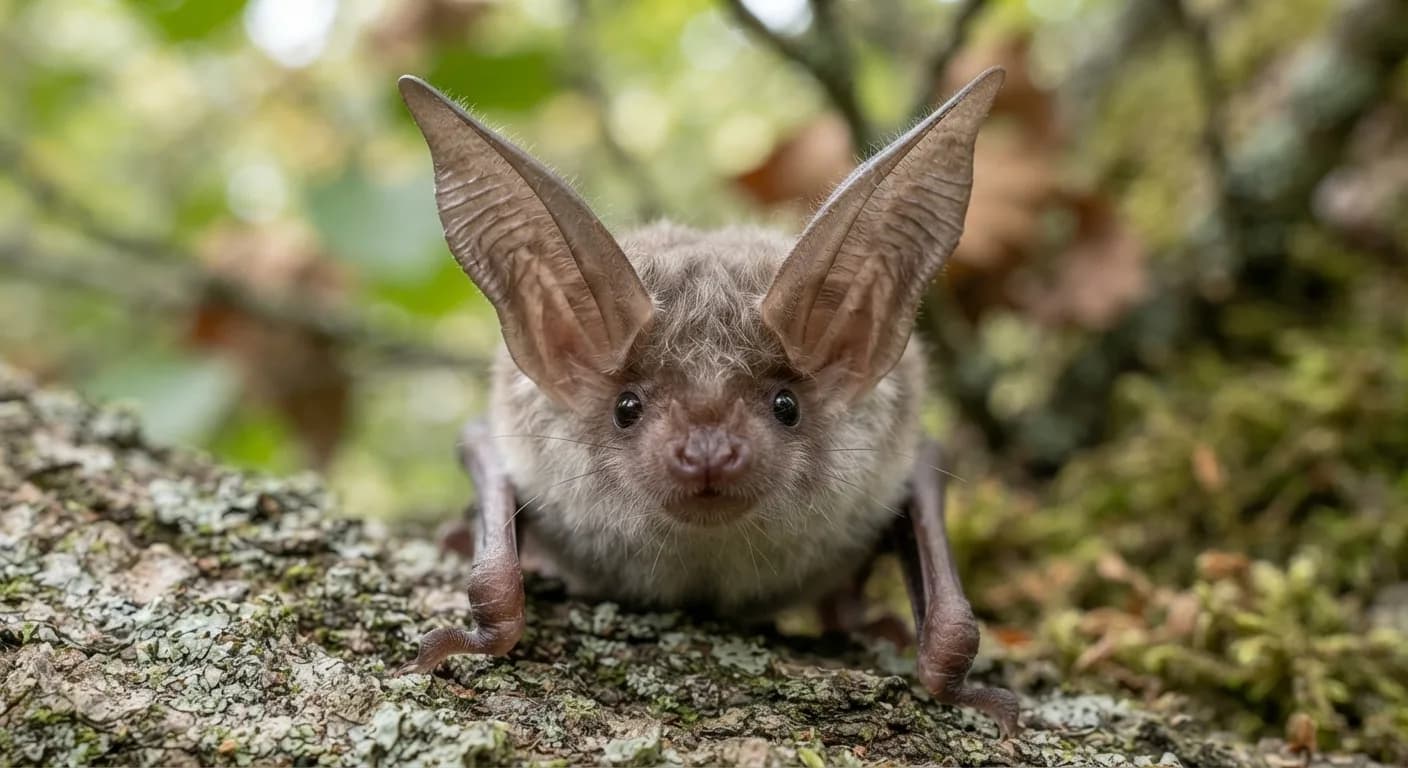
Grey Long-eared BatNear Threatened

Grey Long-eared Bat

Plecotus austriacus

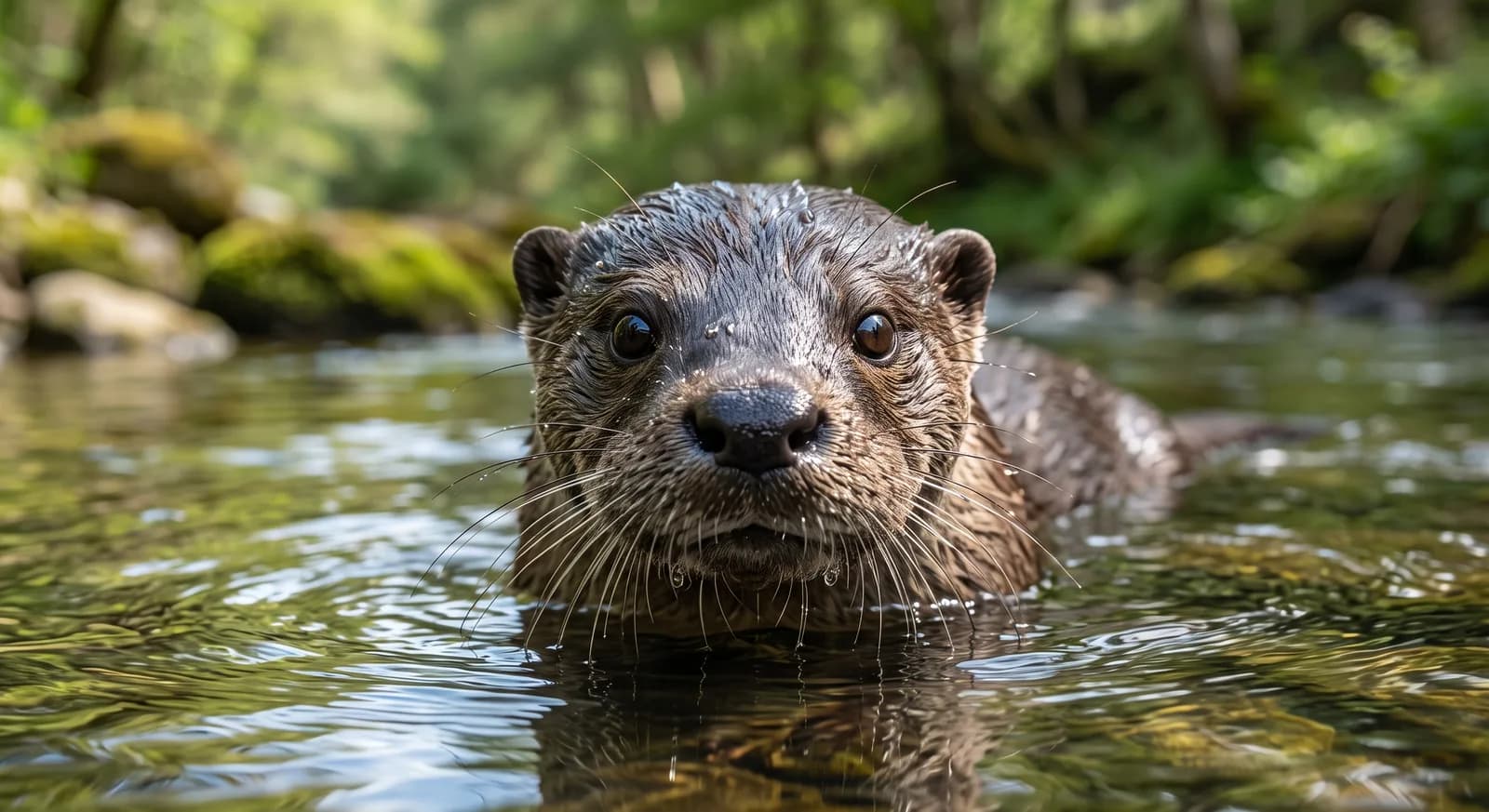
European OtterNear Threatened

European Otter

Lutra lutra

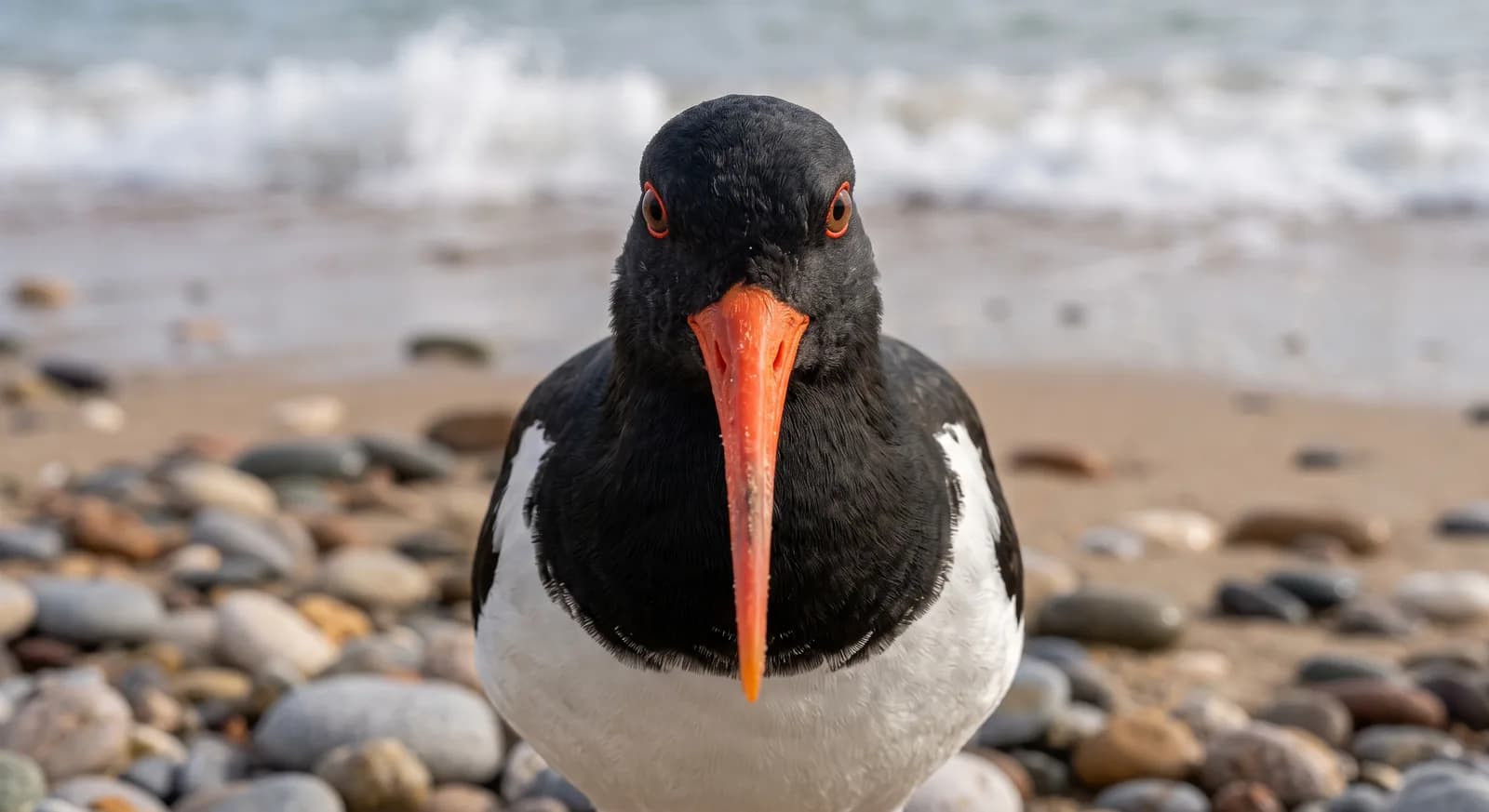
Eurasian OystercatcherNear Threatened

Eurasian Oystercatcher

Haematopus ostralegus

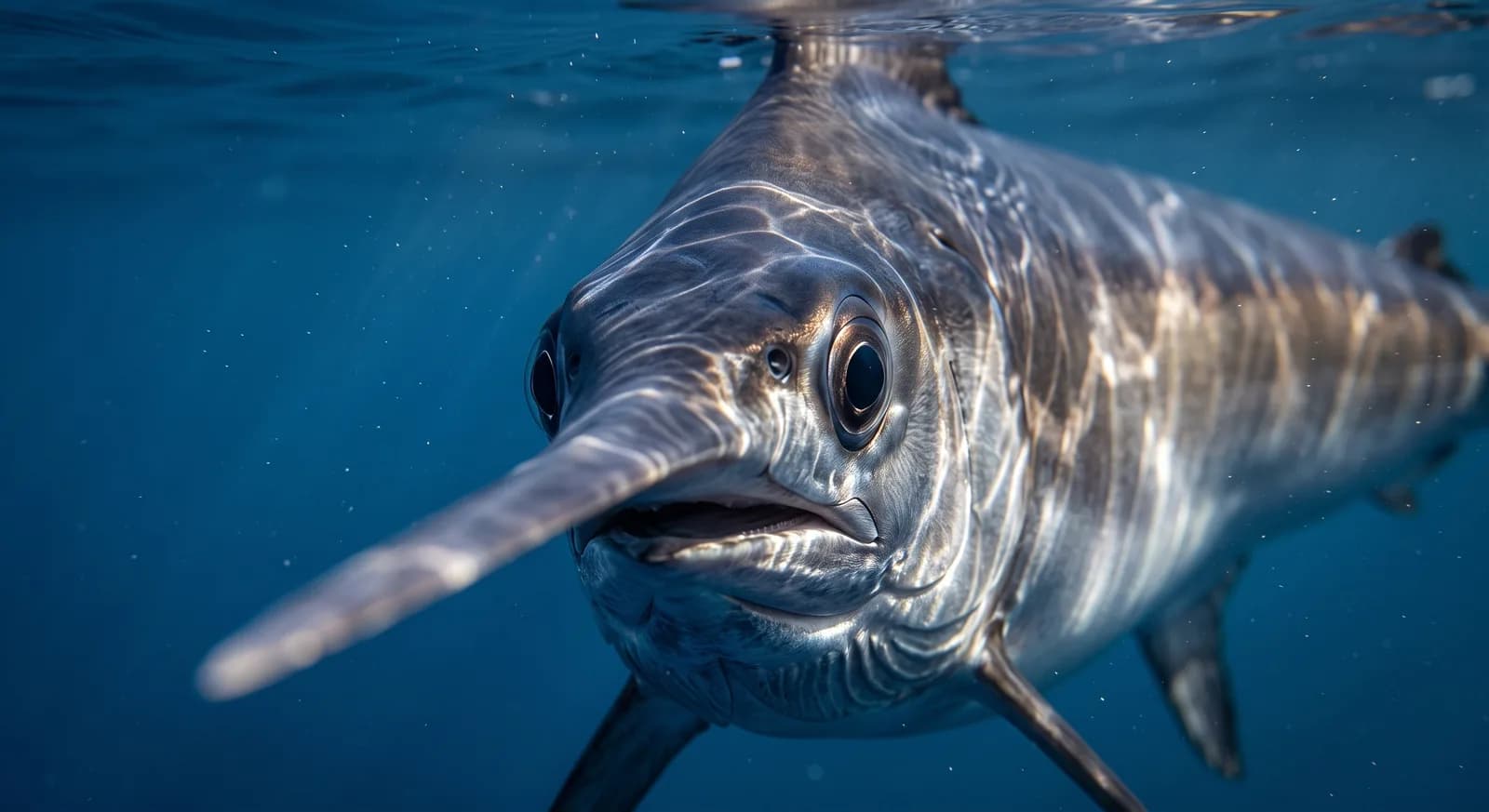
SwordfishNear Threatened

Swordfish

Xiphias gladius

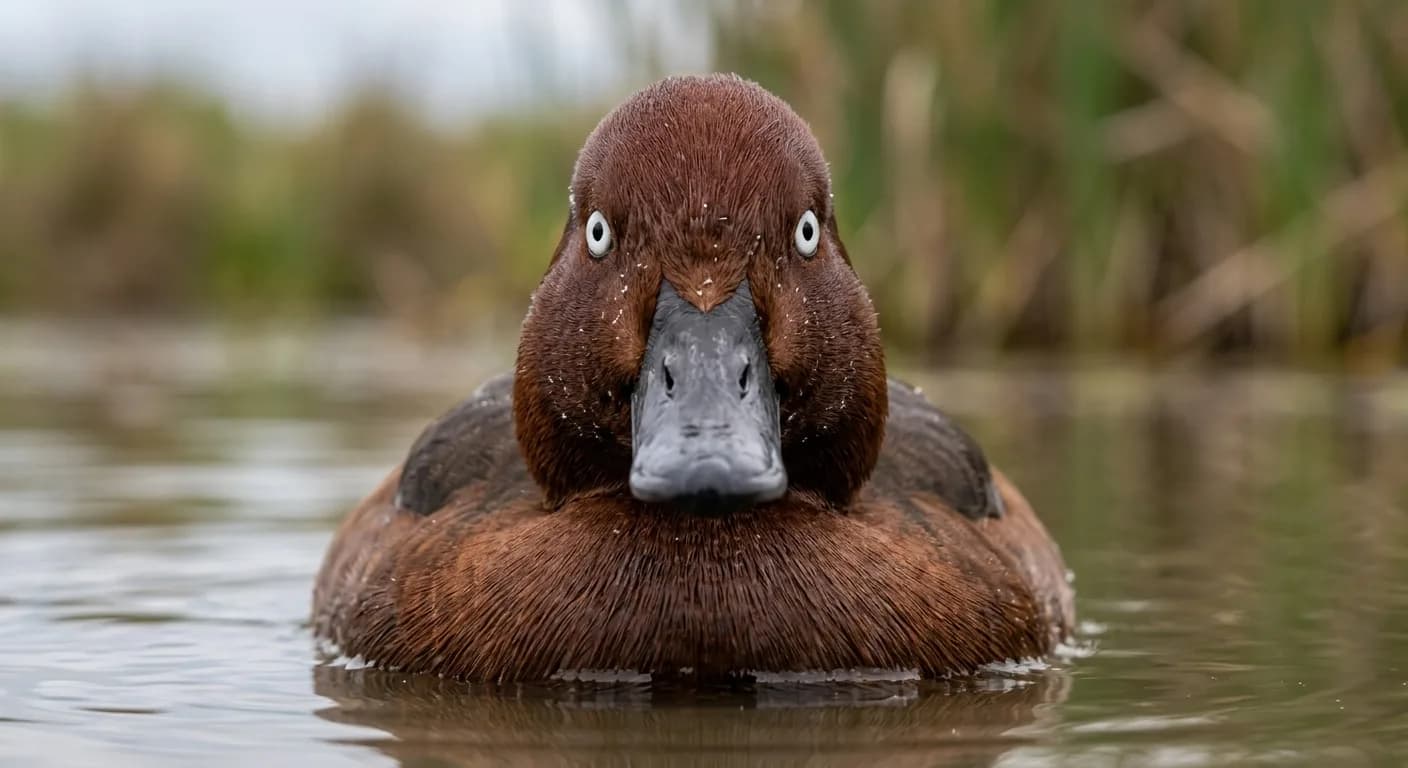
Ferruginous DuckNear Threatened

Ferruginous Duck

Aythya nyroca

Bearded VultureNear Threatened

Bearded Vulture

Gypaetus barbatus

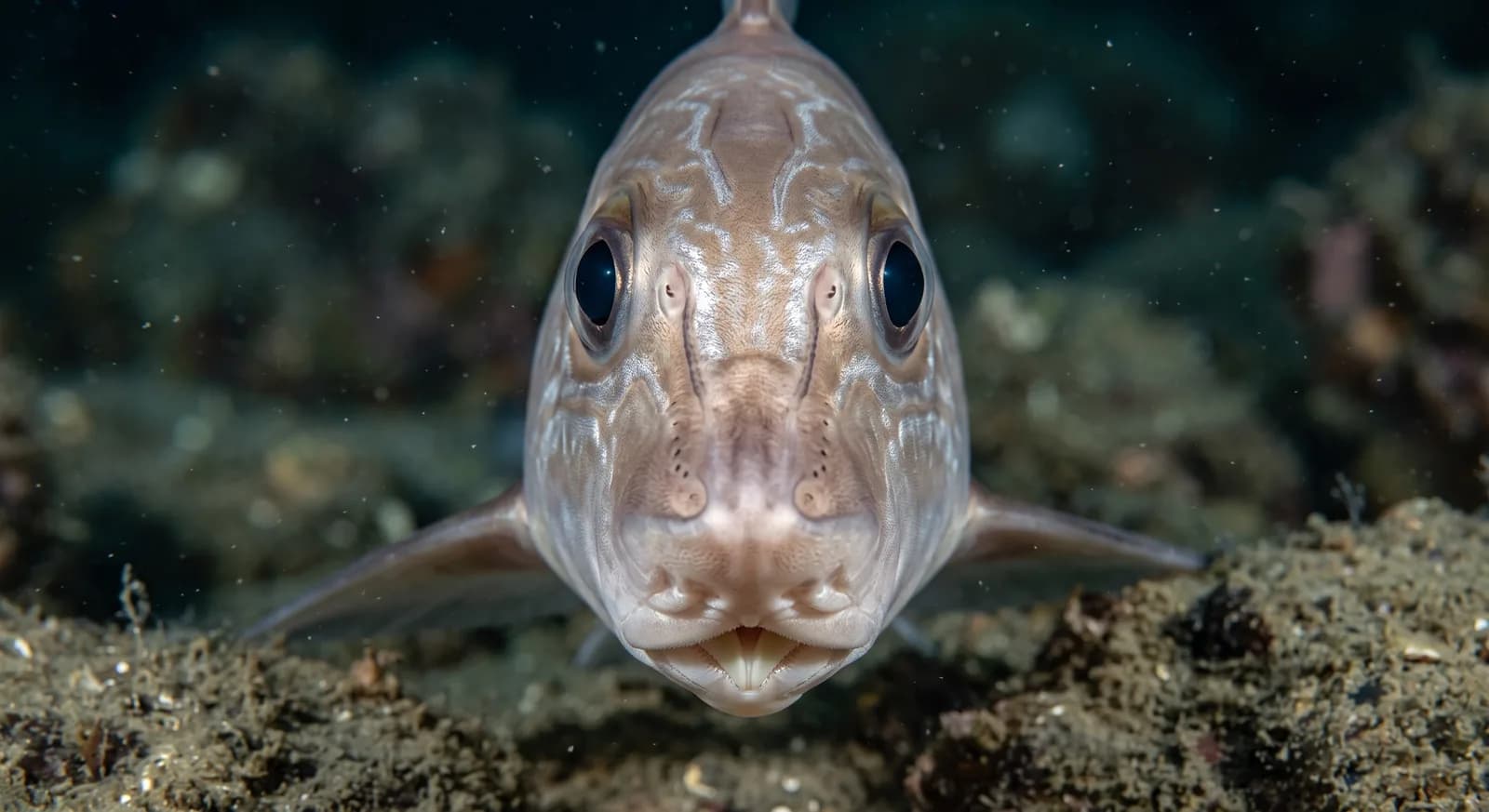
RabbitfishNear Threatened

Rabbitfish

Chimaera monstrosa

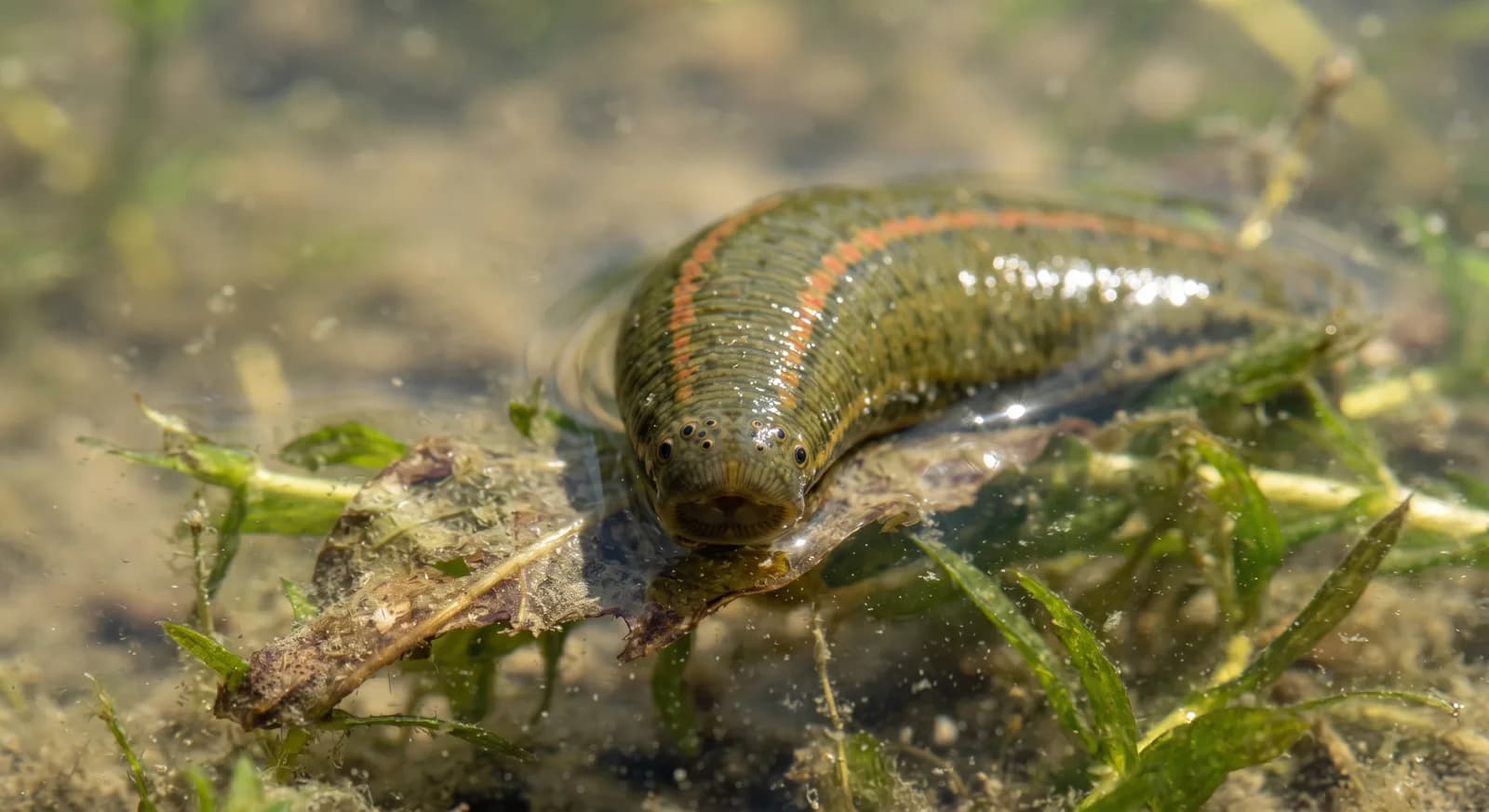
Medicinal LeechNear Threatened

Medicinal Leech

Hirudo medicinalis

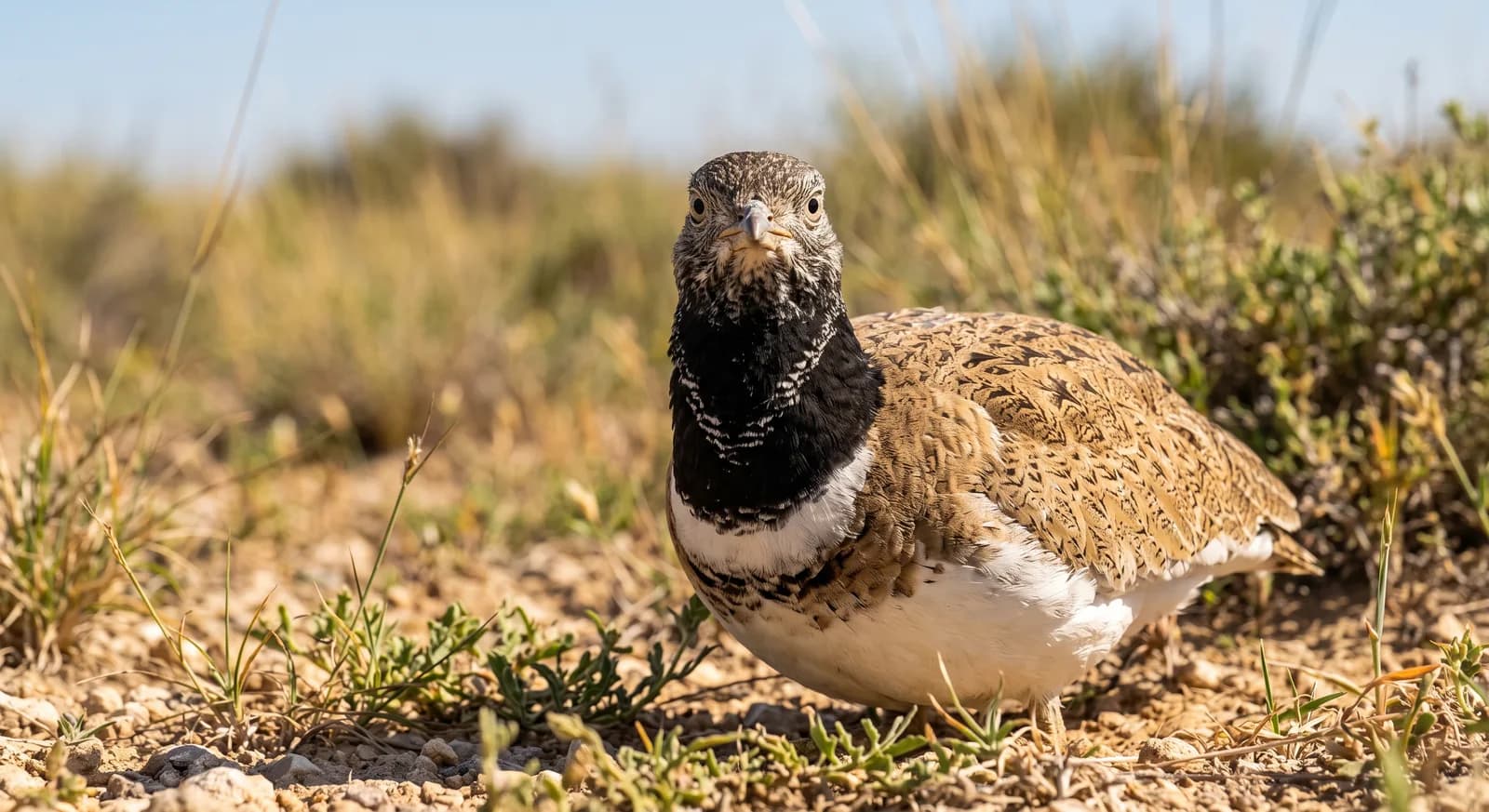
Little BustardNear Threatened

Little Bustard

Tetrax tetrax

Page 5 of 57
Temperate forest
Mountain
Grassland
Ocean