 Least Concern
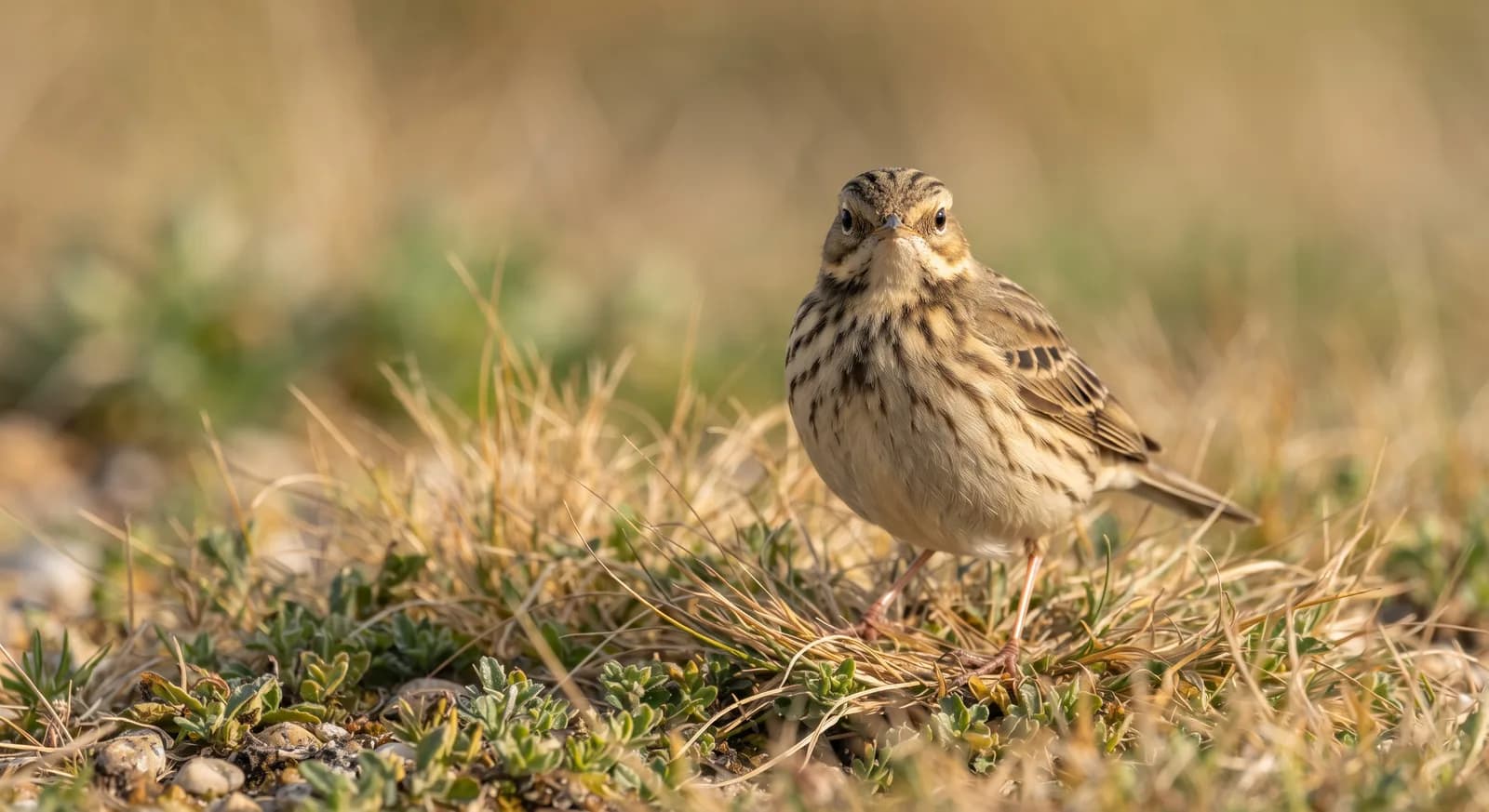
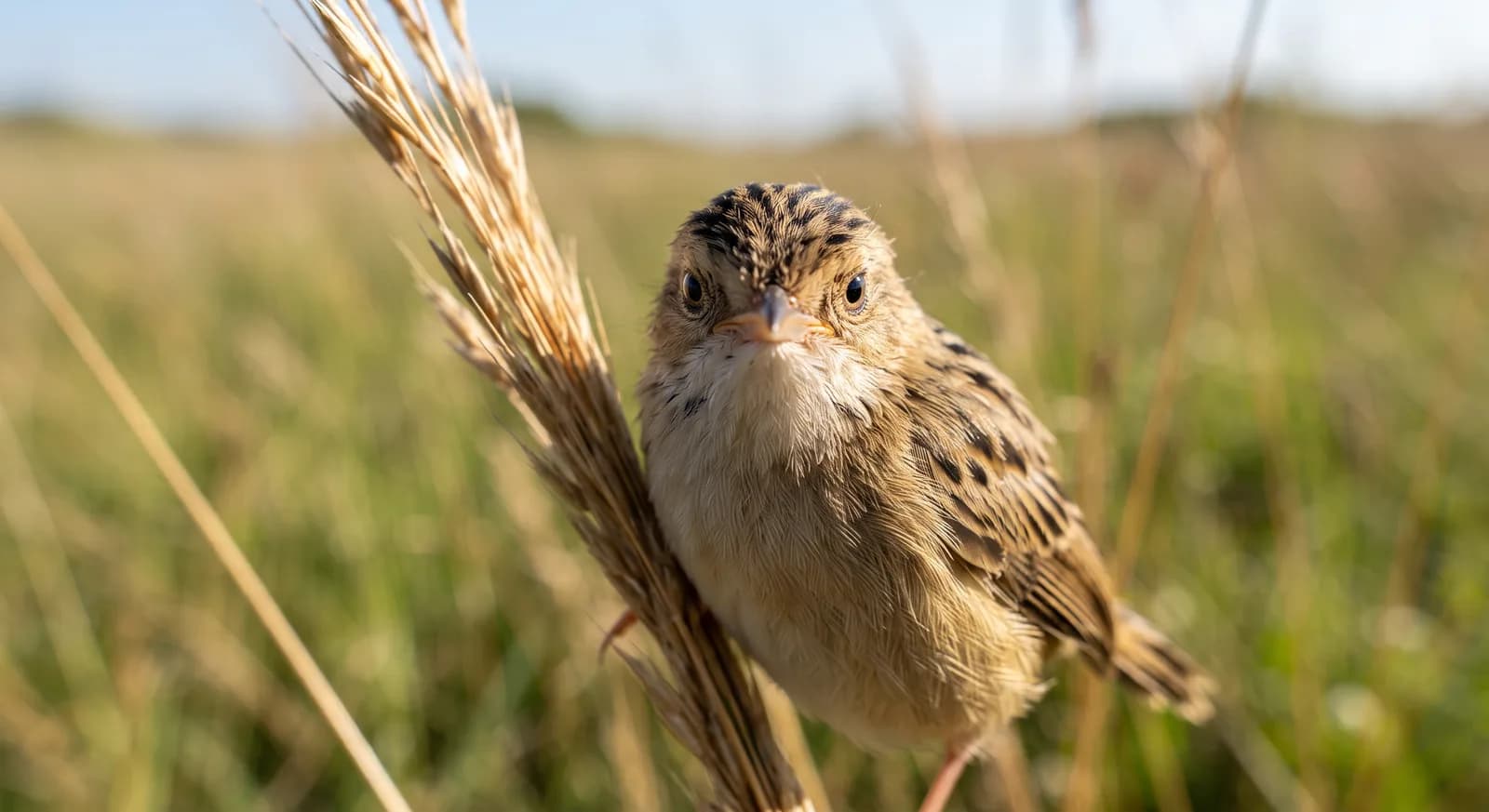
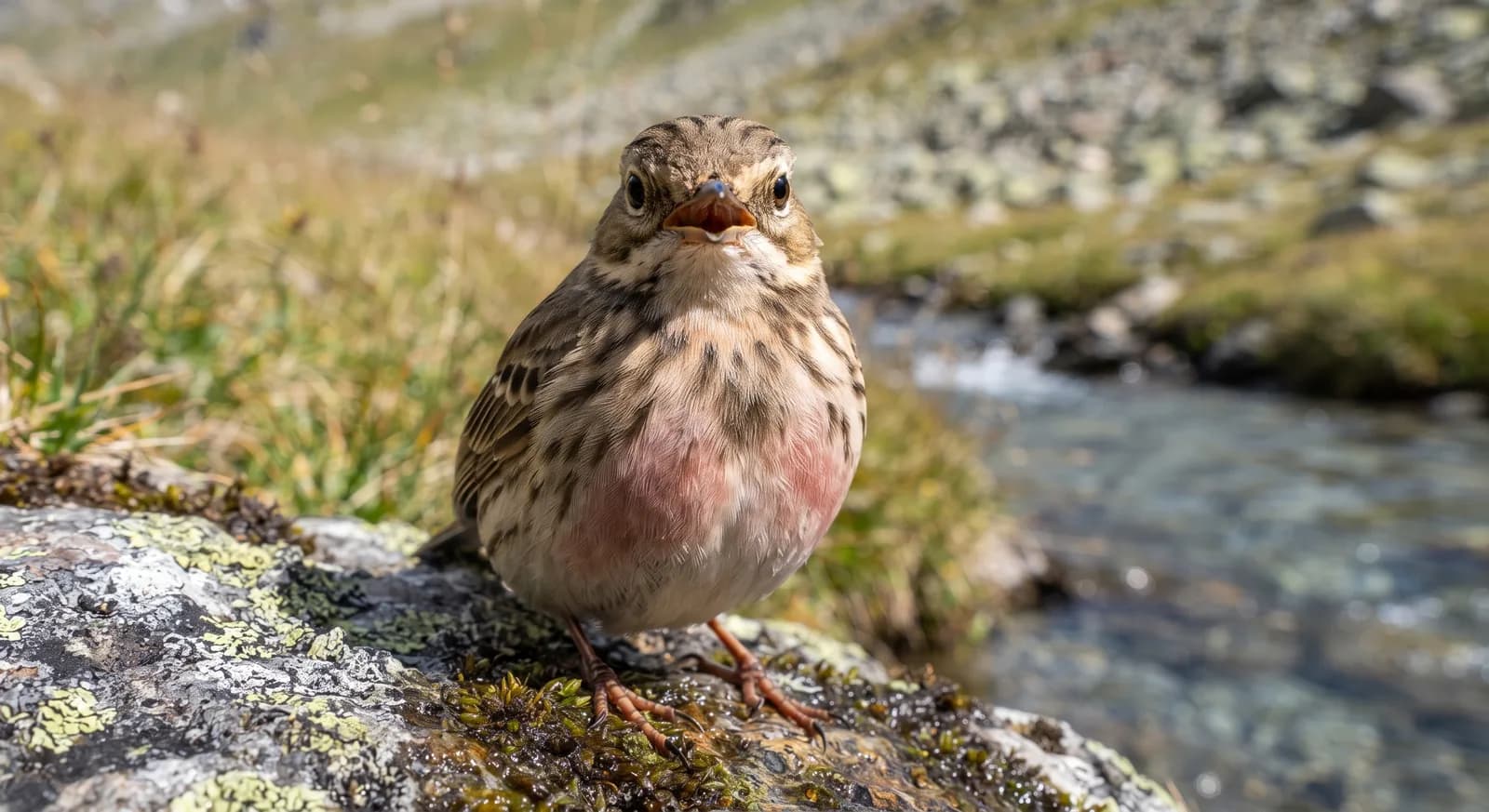
Water Pipit
Anthus spinoletta
Europe
Italy's elongated shape, with the Alps to the north and the Apennines running down it like a spine as far as Sicily, produces an exceptional ecological gradient that goes from glacier to coastal desert in under a thousand kilometres. The Alps keep ibex, marmots, chamois and a growing bear population in Trentino; the Apennines hold the Italian wolf, which never quite died out and from there has recolonised France and Switzerland, and the Marsican brown bear, an isolated subspecies of which little more than sixty animals survive. The Mediterranean south and the islands add endemics: Sardinia keeps the mouflon, the Sardinian red deer and the occasional monk seal; Sicily already looks towards Africa in its fauna. The Strait of Messina and the Sicilian Channel are migration funnels for raptors, and the Tyrrhenian Sea forms part of the Pelagos Sanctuary, the largest protected area for cetaceans in the Mediterranean.
National animal: The Italian wolf is the de facto national animal; the eagle is the historical heraldic emblem
Every Alpine ibex alive in Europe today descends from a single surviving population: by around 1820 hunting had reduced the species to barely a hundred animals sheltering in the Gran Paradiso massif, protected as a royal hunting reserve by the House of Savoy. From that small nucleus came the animals that restocked the entire Alpine arc, which is why the species has very low genetic diversity today.
The Marsican bear is one of the most fragile brown bear populations in the world, threatened by road deaths and inbreeding. The return of the wolf, now present across almost the whole peninsula, has reopened the debate over how to manage it.
Gran Paradiso in June and July for ibex and marmots. Abruzzo in autumn for the deer rut and bear sightings. The Pelagos Sanctuary between June and September for fin whale and sperm whale.
674 species found
Based on what we already know about Italy.