 Near Threatened
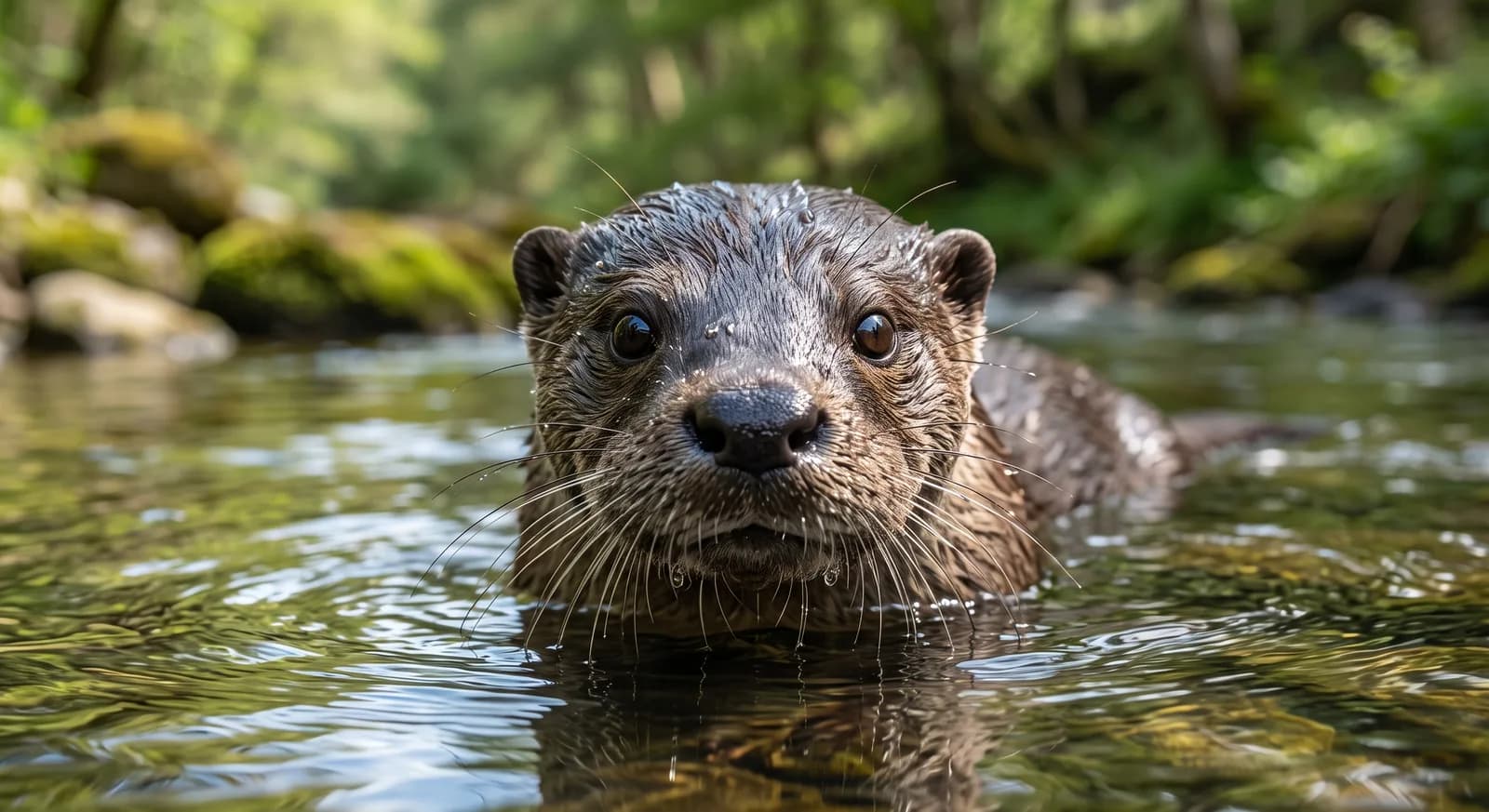
European Otter
Lutra lutra
Europe
Liechtenstein is divided between the Rhine floodplain, to the west, and the foothills of the Rhaetian Alps, which exceed 2,500 metres in the east. That drop concentrated into a few kilometres produces a complete sequence of alpine environments: mixed and beech woods at the base, pine and spruce in the middle belt, and pasture and rock above the treeline, where chamois, marmots, red deer, roe deer and golden eagles live. The Alpine ibex has reappeared from the neighbouring Swiss colonies. On the Rhine plain survives the Ruggeller Riet, one of the last valley-bottom wetlands of the upper Rhine, saved from agricultural drainage and today a nature reserve with a community of marsh birds and of butterflies tied to the wet meadows. The forests of Liechtenstein cover close to forty per cent of the country and also serve to protect against avalanches.
National animal: No recognised official national animal
The Ruggeller Riet is covered every May in Siberian irises, which flower in their thousands and turn the wetland blue. That wet meadow is also home to highly specialised butterflies whose caterpillars depend on a single food plant and, in some cases, on ants that adopt them into their nests, a relationship that only works if the mowing of the meadow is delayed until the end of summer.
Conservation focuses on the last wet meadows of the Rhine valley, which depend on late mowing, and on the management of the avalanche-protection forest, which requires keeping the balance between ungulates and forest regeneration.
The Ruggeller Riet in May for the iris bloom and the marsh birds. The Malbun area between June and September for marmots, chamois and golden eagle. The eastern forests in autumn for the rut.
Where else might I want to travel?
Same region: Western Europe
Same region: Western Europe
Same region: Western Europe
Same region: Western Europe
357 species found
Based on what we already know about Liechtenstein.