Endangered
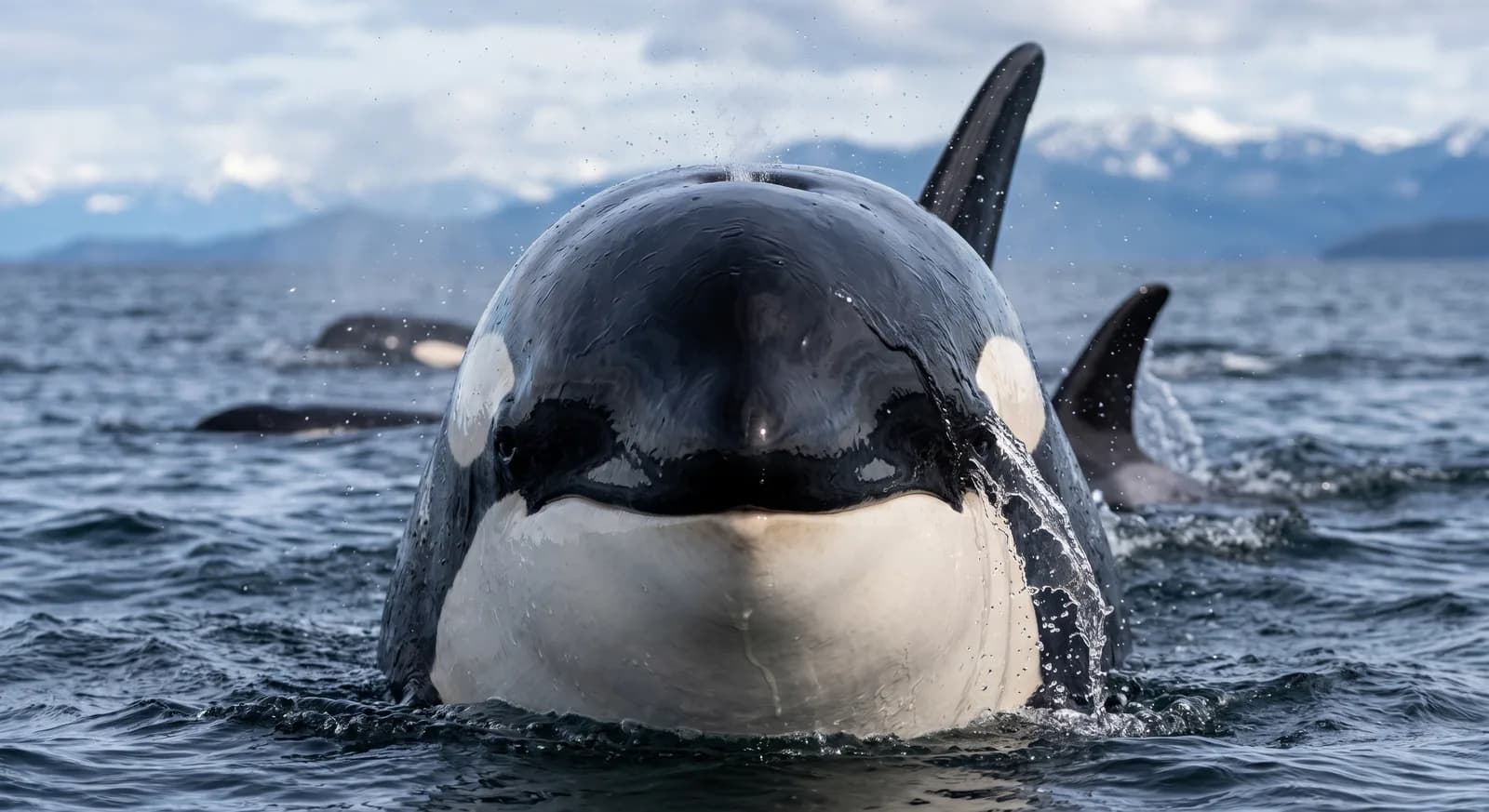
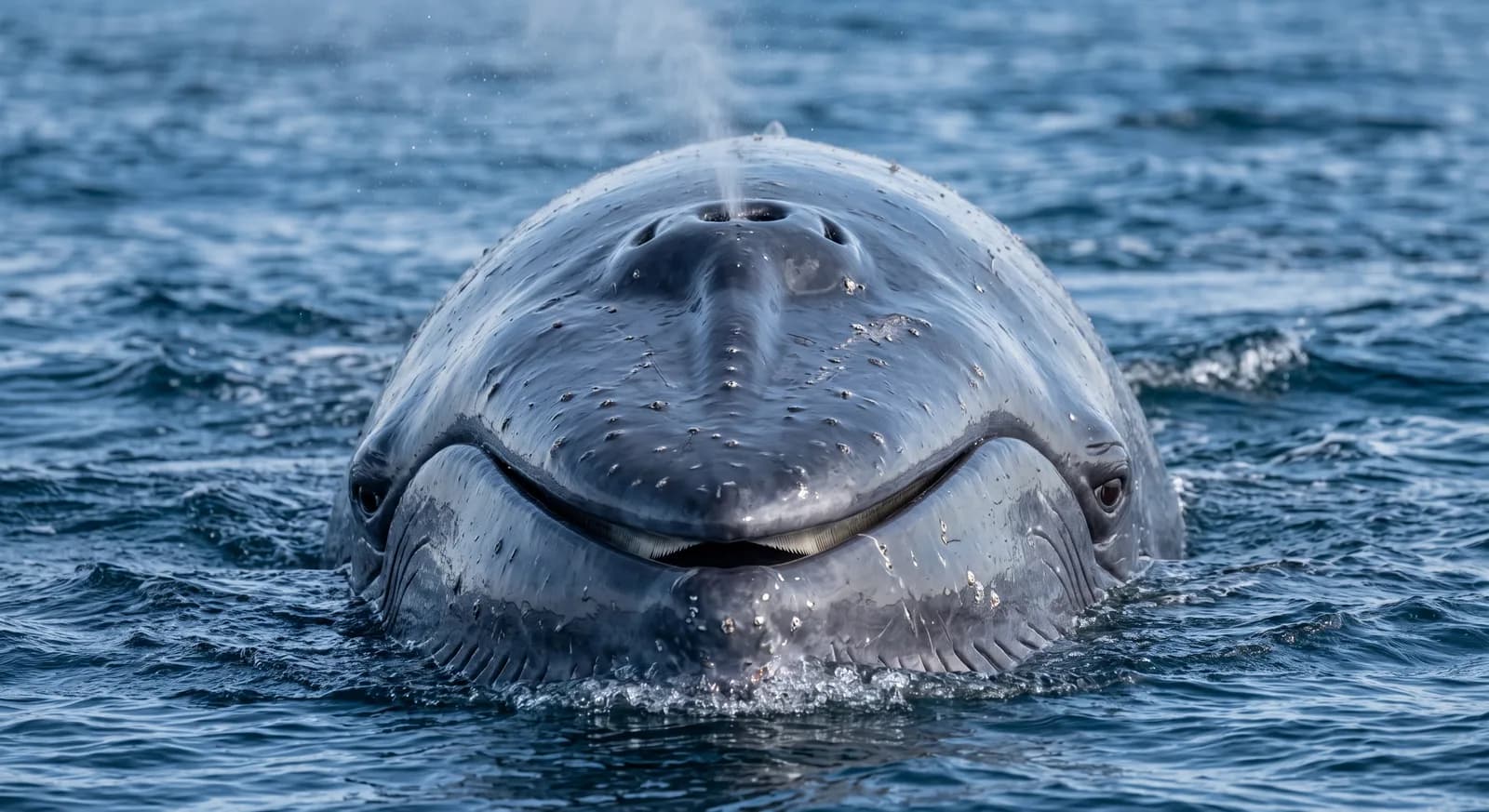
Blue Whale
Balaenoptera musculus
Africa
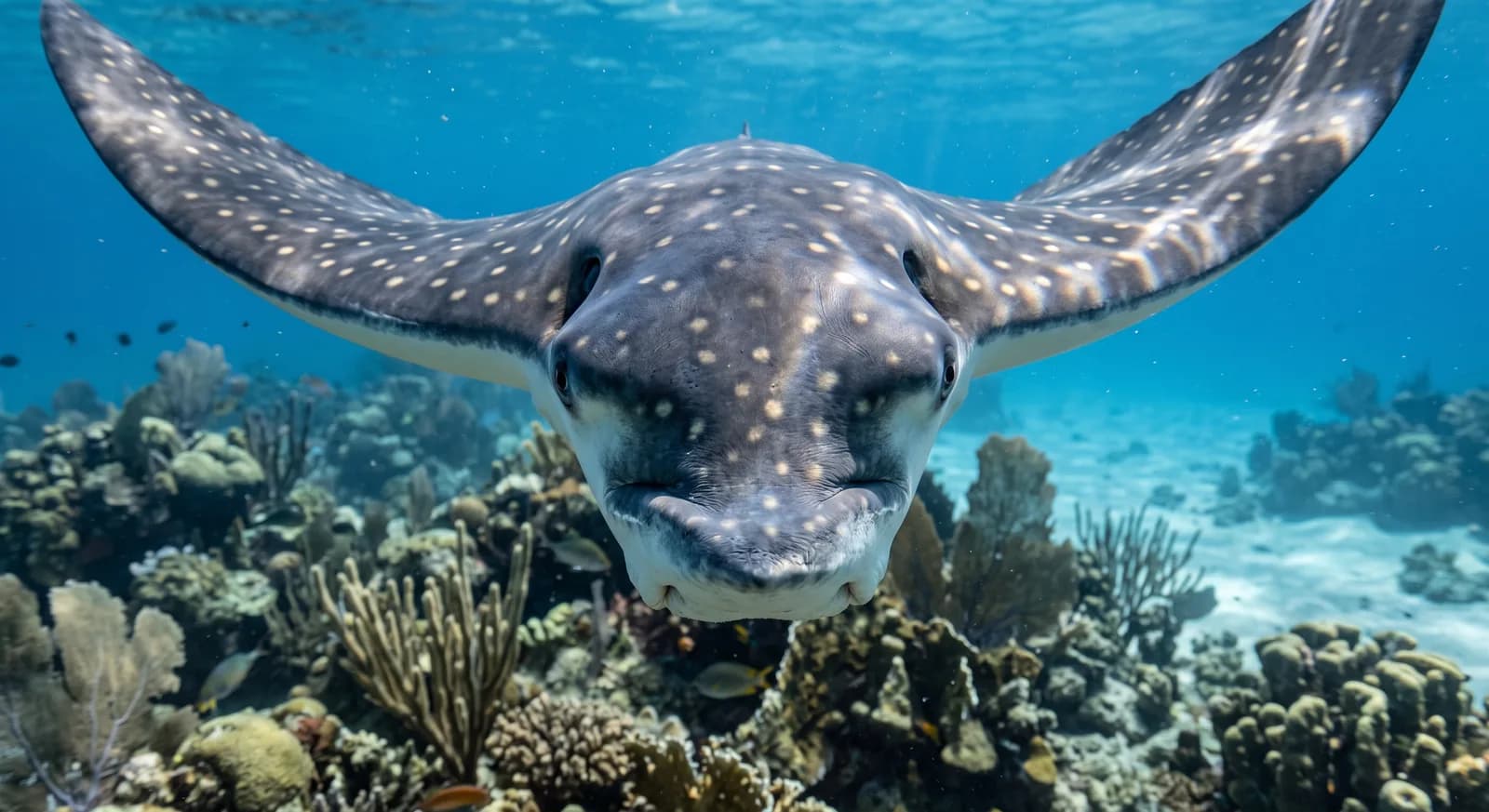
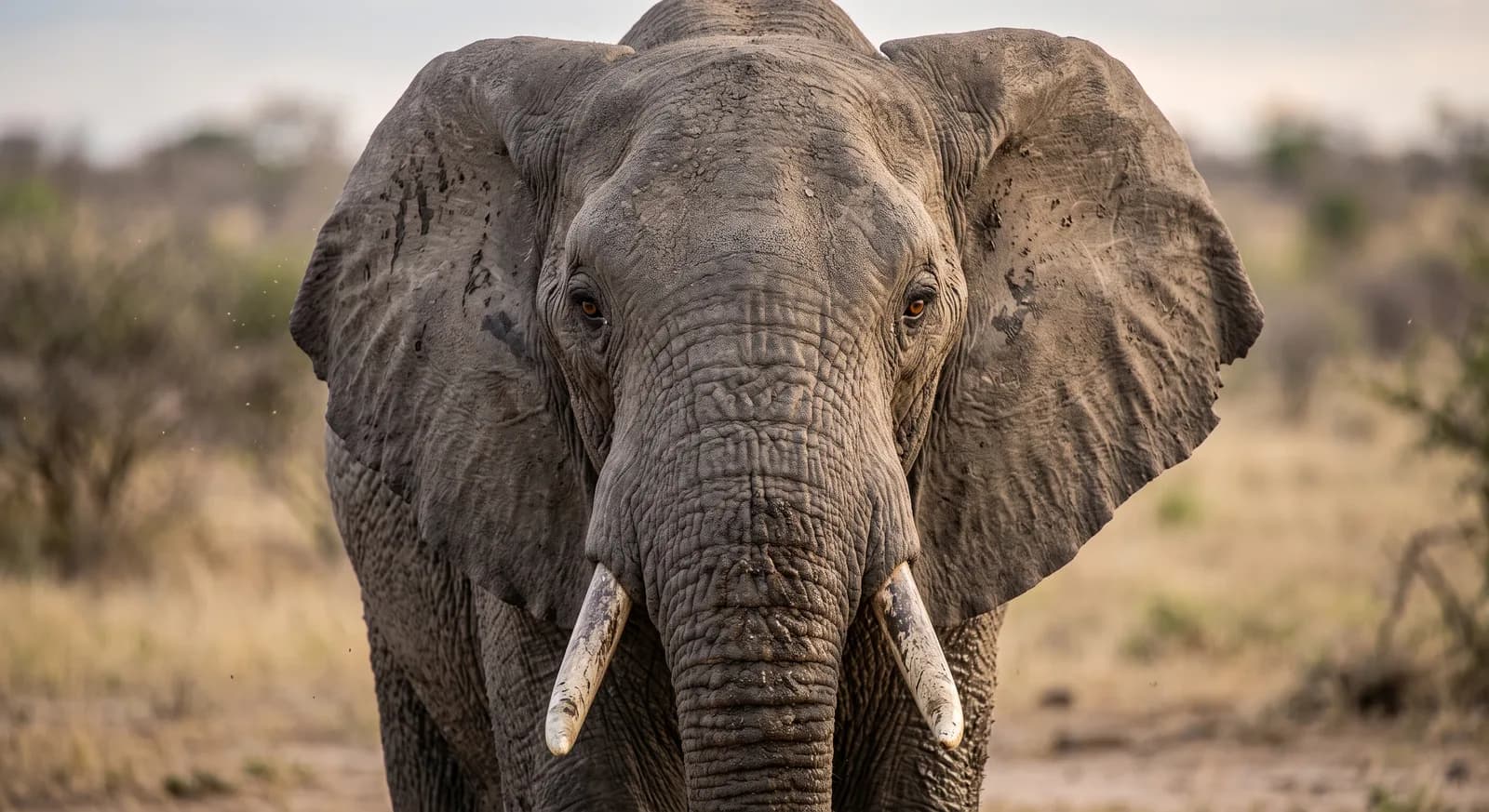
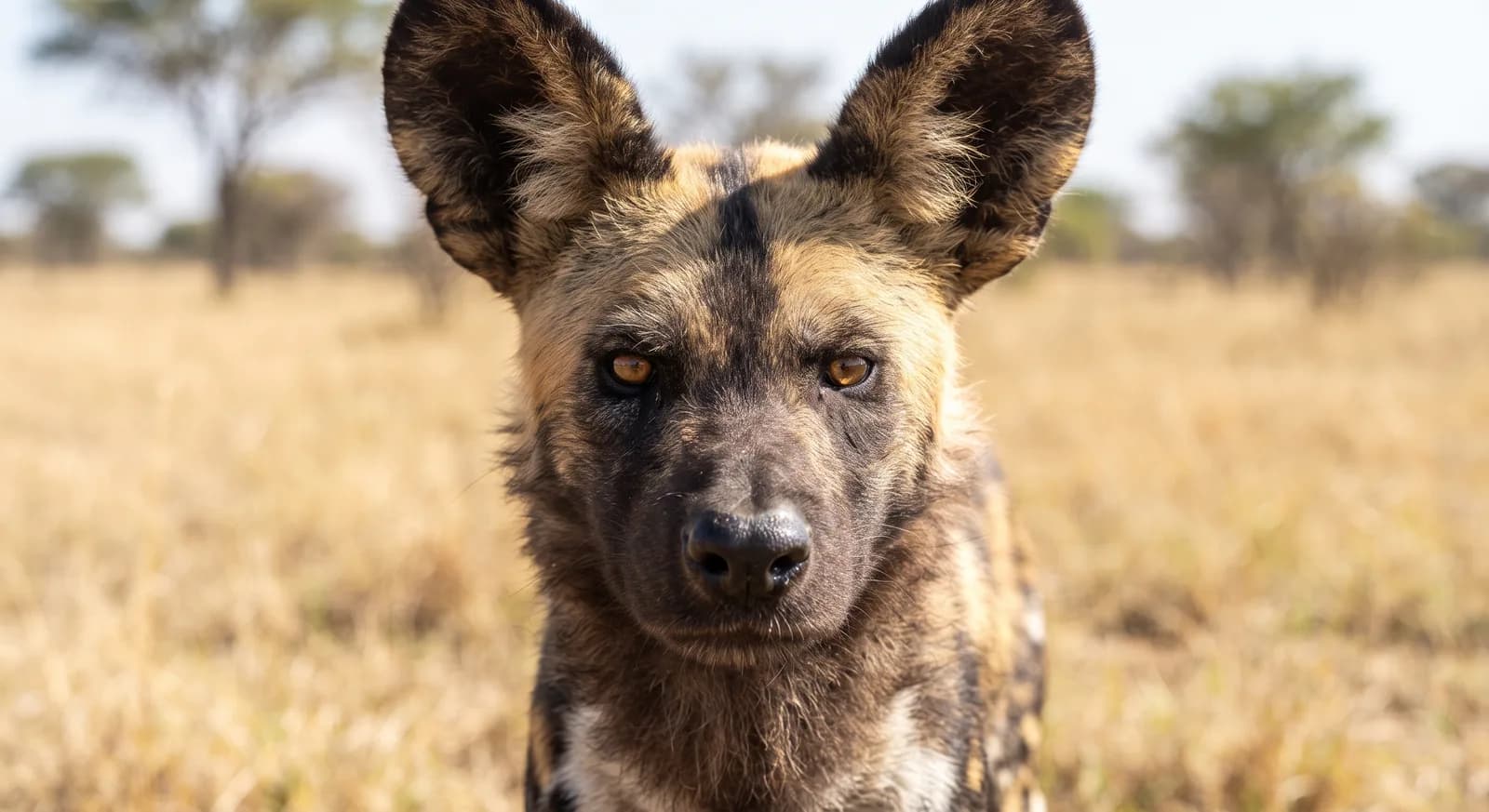
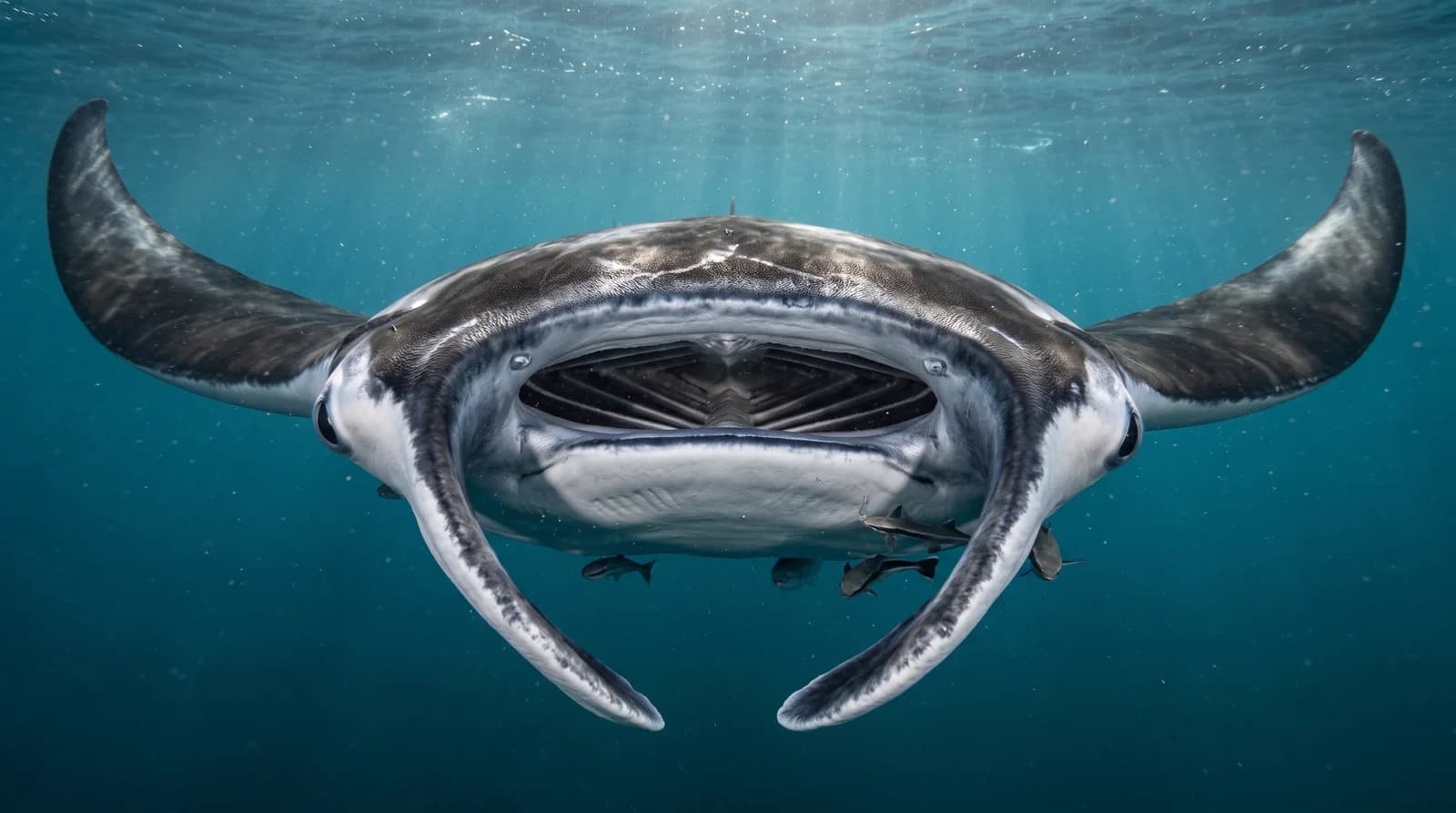
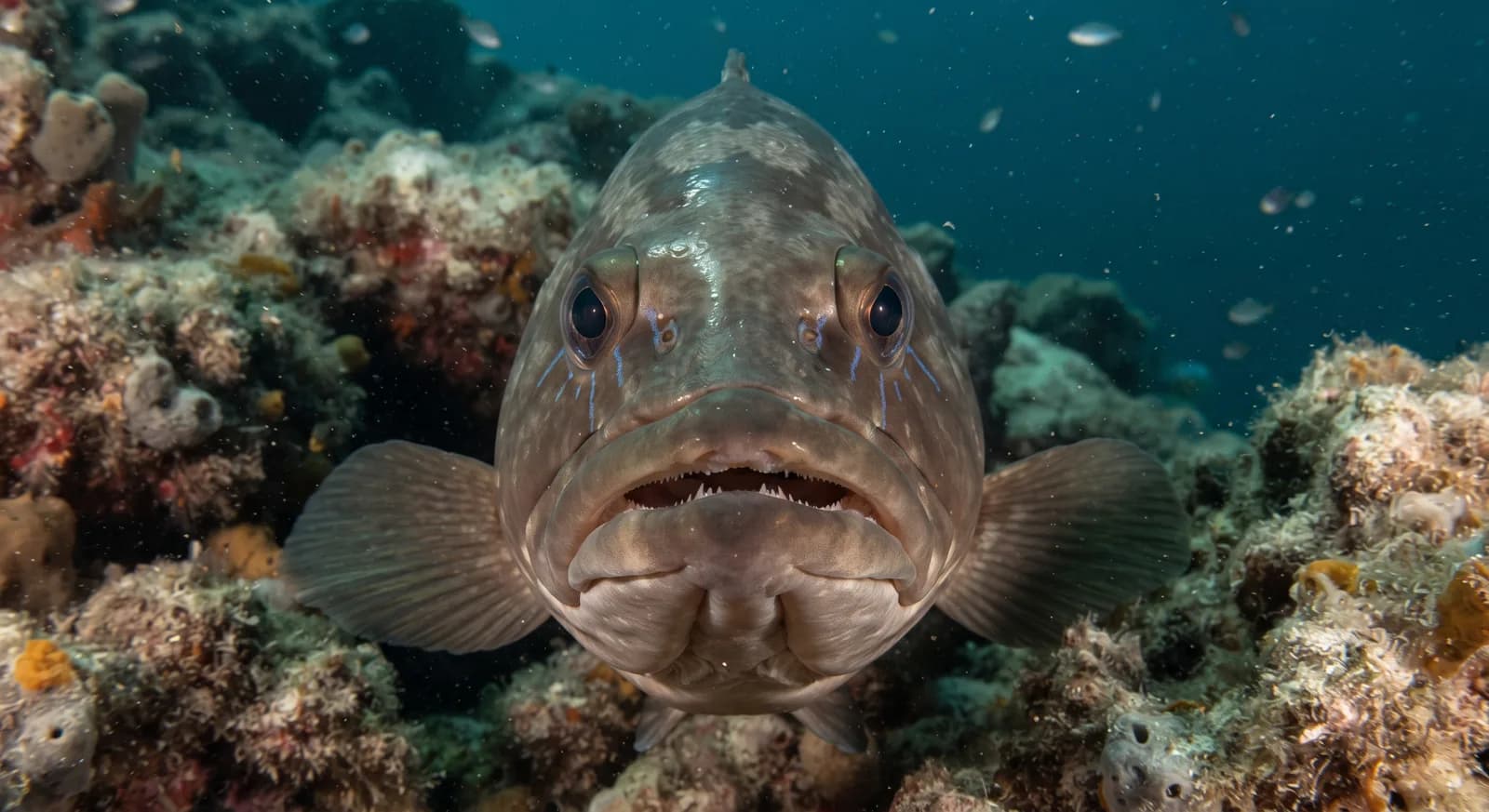
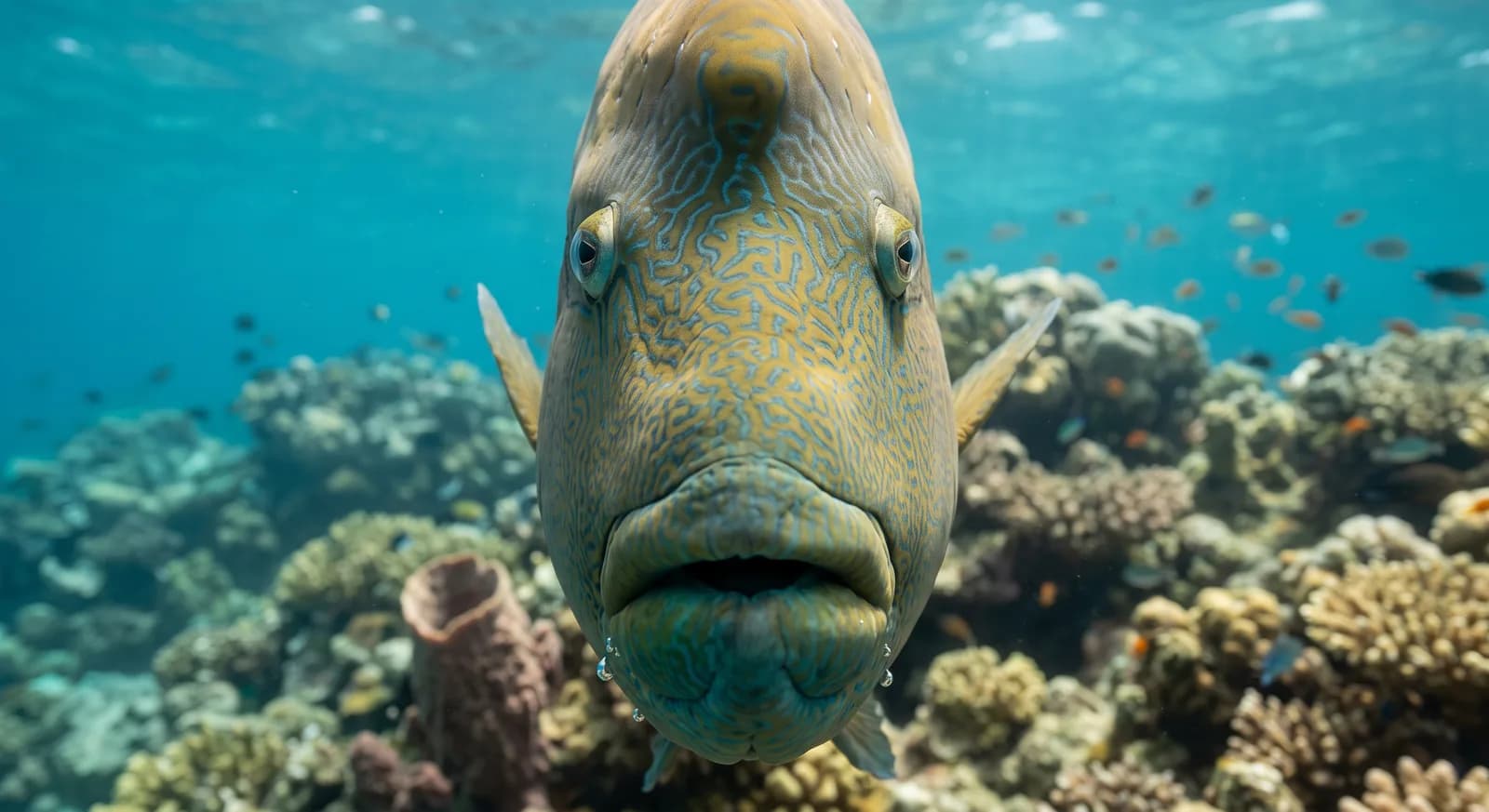
Mozambique has more than two thousand five hundred kilometres of Indian Ocean coast and a marine shelf of reefs, seagrass meadows and mangroves that ranks among the richest in the western Indian Ocean. The Bazaruto archipelago keeps giant dunes, islands and turquoise shallows, and the Tofo coast is a fixed meeting point with whale sharks and manta rays. Inland, the Rift Valley crosses the centre of the country and shapes Gorongosa, a mosaic of savannah, floodplain, miombo woodland and a forested plateau that works as an ecological island. To the north, the Niassa reserve is one of the largest protected areas in Africa, with endless miombo, elephants, African wild dogs and a very sparse human presence. The Zambezi delta adds one of the largest coastal wetlands on the continent.
National animal: No official national animal
The civil war devastated Gorongosa's wildlife: most of its large mammals disappeared and some species were reduced to a handful of survivors. Since 2004, a long-term restoration programme has brought the herbivores back to tens of thousands and returned the predators. The park has become the most cited case study in the world on how an entire ecosystem is put back together after a collapse.
Bazaruto holds the last viable dugong population in the western Indian Ocean, with a few hundred animals. Mount Mabu, a cloud forest identified from satellite imagery in 2005, keeps yielding species new to science.
Tofo between October and March for whale sharks and mantas. Bazaruto year-round for dugongs and reefs. Gorongosa between June and October for savannah wildlife.
Where else might I want to travel?
Same region: Southern Africa
Same region: Southern Africa
Same region: Southern Africa
Same region: Southern Africa
321 species found
Based on what we already know about Mozambique.