 Least Concern
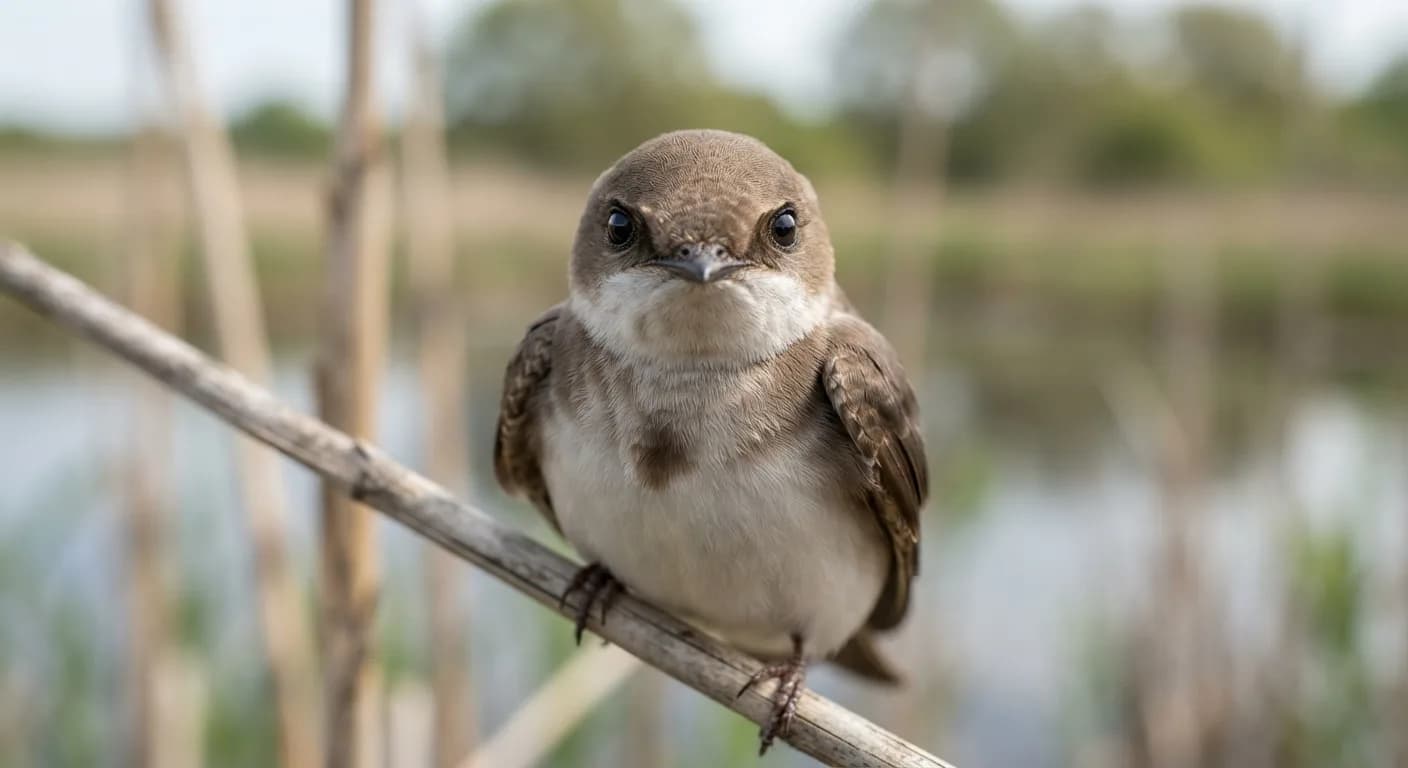
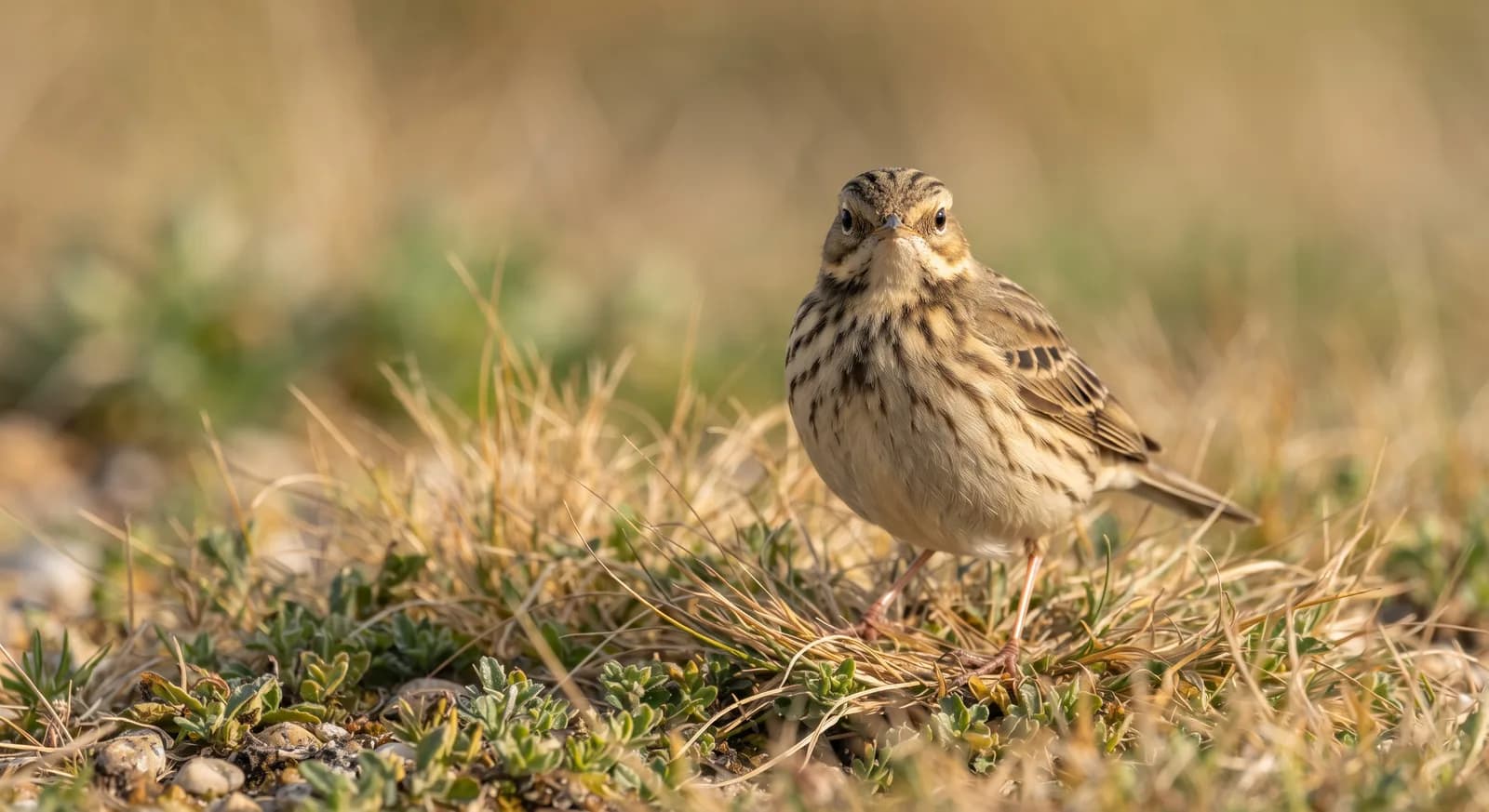
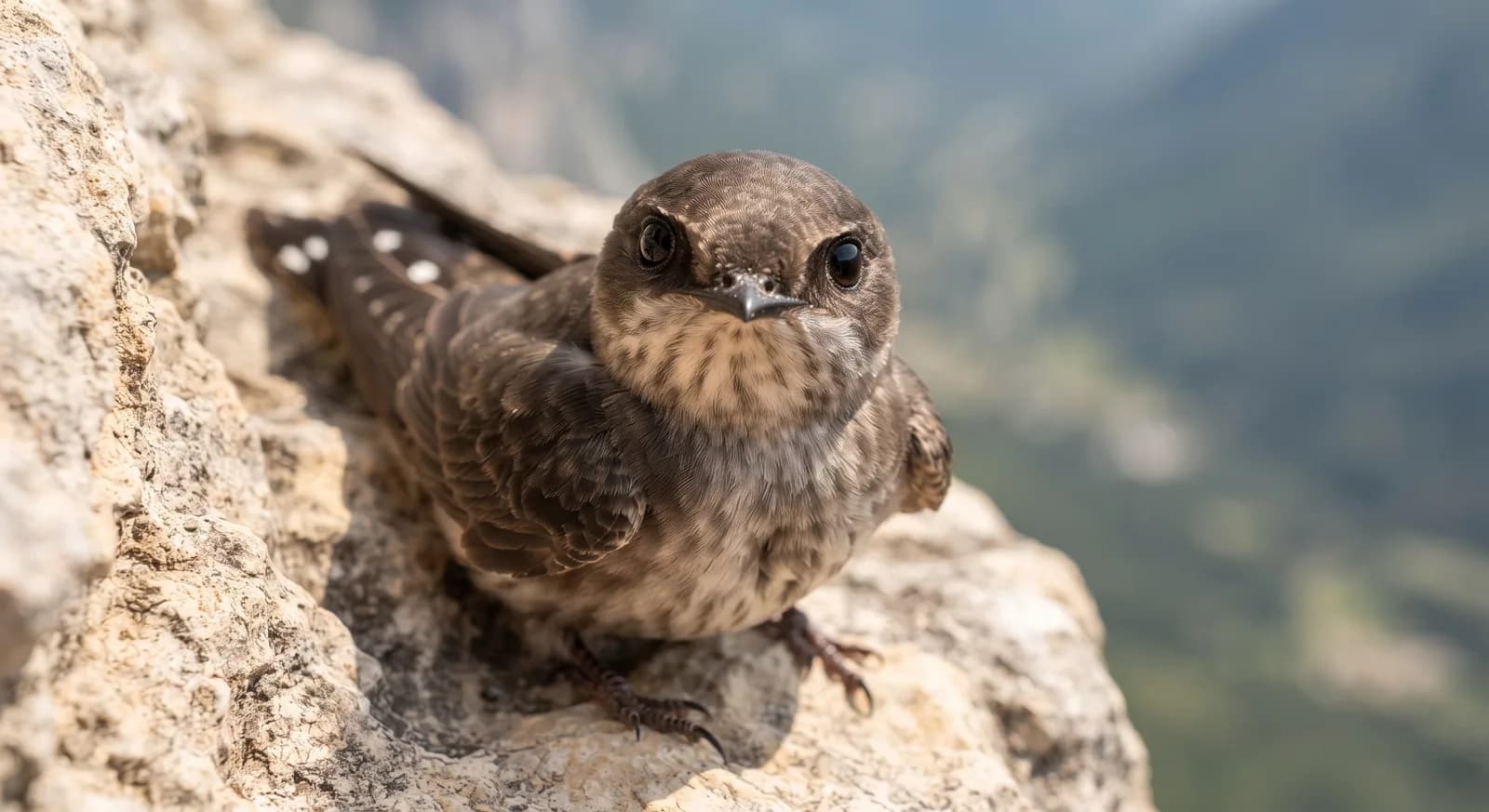
Eurasian Crag Martin
Ptyonoprogne rupestris
Europe
Serbia combines the Pannonian plain of the north with the Dinaric and Balkan mountains of the south, and has the Danube as its great natural axis. At the Iron Gates, the river squeezes between limestone cliffs to form the largest gorge in Europe, a bottleneck for migrating birds and former sturgeon territory now blocked by dams. Mount Tara keeps mixed forests with a relict conifer, the Serbian spruce, which survived the glaciations in a minute area and grows naturally nowhere else. To the north, the Deliblato sands form the largest continental dune system in Europe, a fragment of sandy steppe with a flora and fauna of its own. The canyons of the Uvac and the Mileševka, with their incised meanders, are the heart of the griffon vulture's recovery in the Balkans.
National animal: The grey wolf is the national emblematic animal; the double-headed eagle is the heraldic symbol
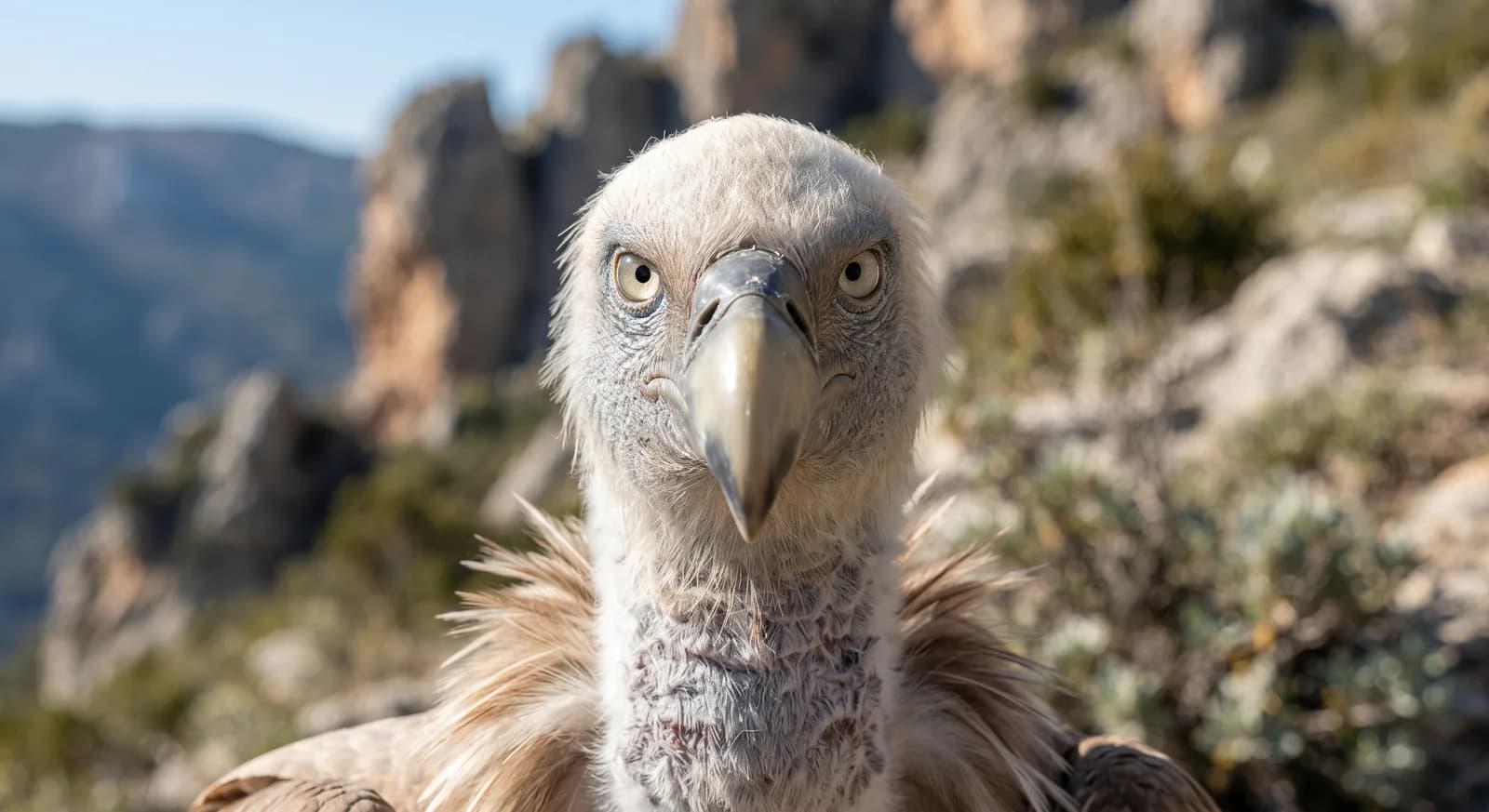
The griffon vulture of the Uvac canyon came close to vanishing from Serbia: in the 1970s barely a few dozen birds were left, poisoned by baits laid for wolves. A programme of supplementary feeding and surveillance built the colony up into one of the largest in the Balkans, with several hundred birds that soar over the meanders and today even underpin the recolonisation of neighbouring countries.
The Danube dams have cut the spawning routes of the sturgeons, among them the beluga sturgeon, the largest freshwater fish in Europe. The griffon vulture's recovery on the Uvac is the great national success story.
The Uvac year-round by boat along the meanders for griffon vultures. Đerdap in spring and autumn for raptor migration. Deliblato in May for steppe flora and open-country birds.
Where else might I want to travel?
Same region: The Balkans
Same region: The Balkans
Same region: The Balkans
Same region: The Balkans
426 species found
Based on what we already know about Serbia.