One of the 8 shrimps on WAnimals
Malacostracans · Decapoda · Atyidae
Camacuto Shrimp
Atya scabra
The species is abundant and widely distributed; it faces no significant short-term risk. See full glossary
The camacuto shrimp, known in Spanish as cosol and also as gazapo among the riverside communities of southern Colombia, is a freshwater shrimp of the family Atyidae. They can reach a length of about 89 mm in males, while females are generally smaller, reaching about 64 mm. It lives on rocky bottoms in rivers connected to the Atlantic Ocean. The species is widespread from Mexico to Brazil, Cuba, Jamaica and the Caribbean islands. In Colombia they are found on the Pacific coast, in the area of the Telembí and Patía rivers. In Africa, it is found along the tropical Atlantic coast, from Liberia to Angola, as well as on the Cape Verde Islands and the islands of the Gulf of Guinea.
Size
5 cm – 10 cm
Diet
Omnivore
Combines animal and plant food depending on availability.
Social structure
Colony
Lives in large concentrations, often for breeding reasons.
Sighting difficulty
Easy
Fun facts
- Its claws have turned into filtering fans: it opens them into the current like a net and then brings them to its mouth.
- It is amphidromous: the adults live in fresh water, but the larvae must travel down to the estuary and back upriver, so dams and weirs fragment its populations.
- It neither hunts nor digs: it filters. Its claws are modified into fans of dense setae that it holds out against the current to catch suspended particles, and it also scrapes biofilm off the stones.
- Stomach content analysis gives 91 % detritus, 7 % plant remains and 1 % arthropod fragments.
- Its cycle is amphidromous: the eggs hatch into larvae that need brackish water, and the juveniles then work their way back up the river against the current. That makes it almost impossible to breed in captivity.
- The males are considerably larger than the females: up to 8.9 cm against 6.4.
- In northern Brazil it is used as fishing bait, and a closed season from May to August and a minimum size of 7 cm have been proposed to keep the populations up.
Life cycle & biology
- Habitat & environment
- Fast, well-oxygenated stretches of tropical American rivers
Sources consulted: https://es.wikipedia.org/wiki/Atya_scabra
Where to find it
See its range on the interactive mapRelated species
Other species in the catalogue with the most in common with Camacuto Shrimp — same habitat, park, country, tags or family.
Giant River Prawn
Macrobrachium rosenbergii
 Least Concern
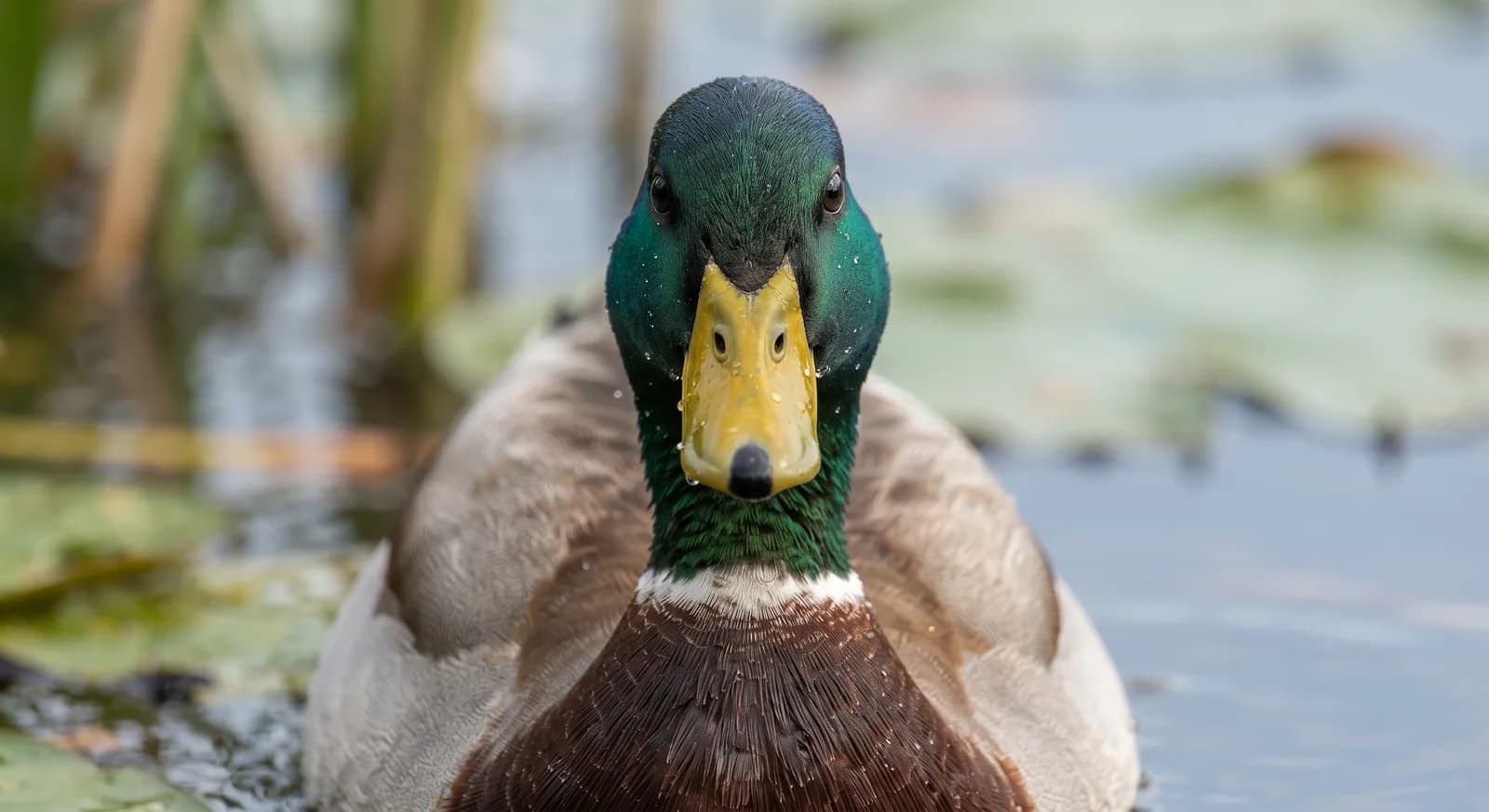
Mallard
Anas platyrhynchos
 Least Concern
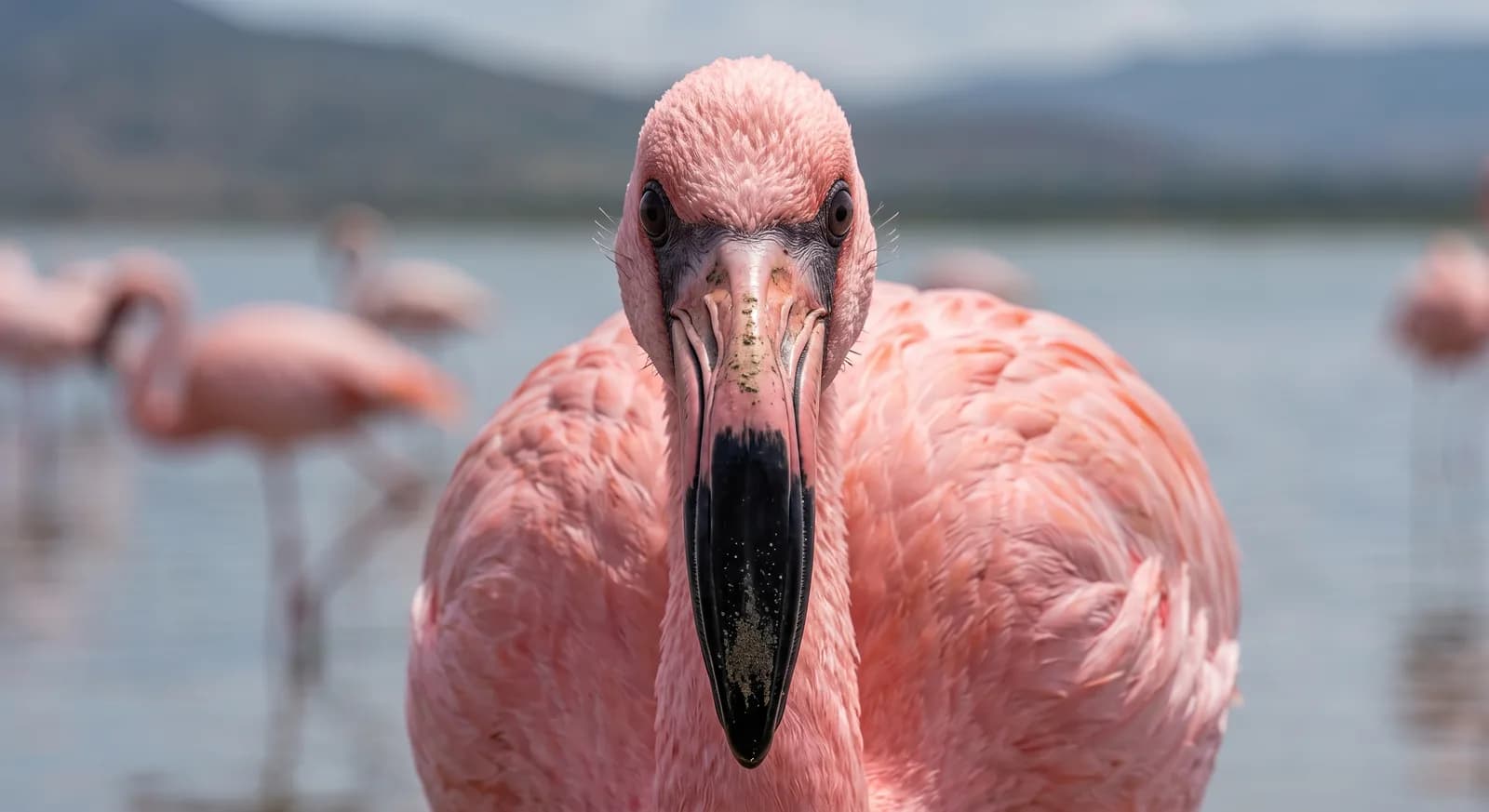
Greater Flamingo
Phoenicopterus roseus
 Least Concern
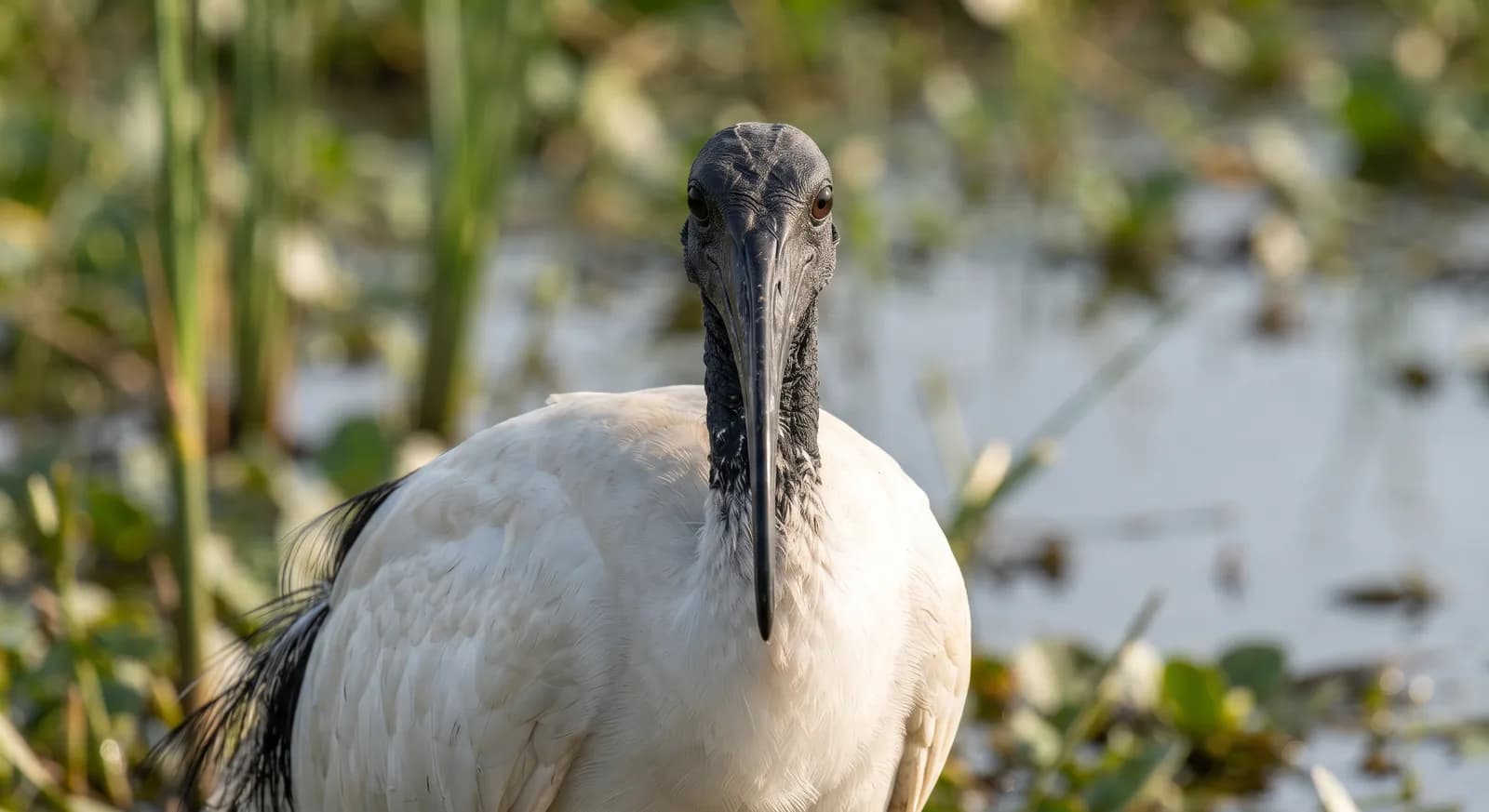
African Sacred Ibis
Threskiornis aethiopicus
Red-Winged Blackbird
Agelaius phoeniceus
Village Weaver
Ploceus cucullatus
Keep exploring
Based on what we already know about camacuto shrimp.
Comments
Share an experience, a fun fact or a tip for seeing the camacuto shrimp.
Be the first to comment.