Birds · Passeriformes · Estrildidae
Scaly-breasted Munia
Lonchura punctulata
The species is abundant and widely distributed; it faces no significant short-term risk. See full glossary
The scaly-breasted munia, known in Spanish as capuchino punteado or pinzón canela, is a species of passerine bird of the family Estrildidae native to the Indomalayan region. It is found on the Indian subcontinent and in South-East Asia, reaching as far as the Malay archipelago. The species has been introduced to the Caribbean, eastern Australia and the islands of Réunion and Mauritius.
Weight
12 g – 16 g
Size
11 cm – 12 cm
Lifespan
8 years
Diet
Herbivore
Feeds mainly on plants.
Activity
Diurnal
Active mainly during the day.
Social structure
Colony
Lives in large concentrations, often for breeding reasons.
Sighting difficulty
Easy
Fun facts
- The scaled pattern on its breast has given it local names referring to the skin of a fish or the scales of a snake in several Asian languages.
- It has become established on dozens of islands and regions outside its natural range through the cage-bird trade, and is today one of the most widespread introduced birds in the world.
- It builds globular grass nests with a side entrance, and several pairs may nest in the same bush, forming small, very tightly packed colonies.
Life cycle & biology
- Skeleton type
- Vertebrate - internal bony skeleton (bird)
- Habitat & environment
- Grassland, rice fields, farmland and gardens of southern and South-East Asia; introduced on many islands
- Sexual maturity
- 12 months
- Gestation / incubation
- 13 days of incubation
- Litter / clutch size
- 5 eggs
Sources consulted: https://es.wikipedia.org/wiki/Lonchura_punctulata
Where to find it
See its range on the interactive mapRelated species
Other species in the catalogue with the most in common with Scaly-breasted Munia — same habitat, park, country, tags or family.
Zebra Finch
Taeniopygia guttata
Gouldian Finch
Chloebia gouldiae
 Least Concern
Black-tailed Prairie Dog
Cynomys ludovicianus
Pallas's Pika
Ochotona pallasii
 Least Concern
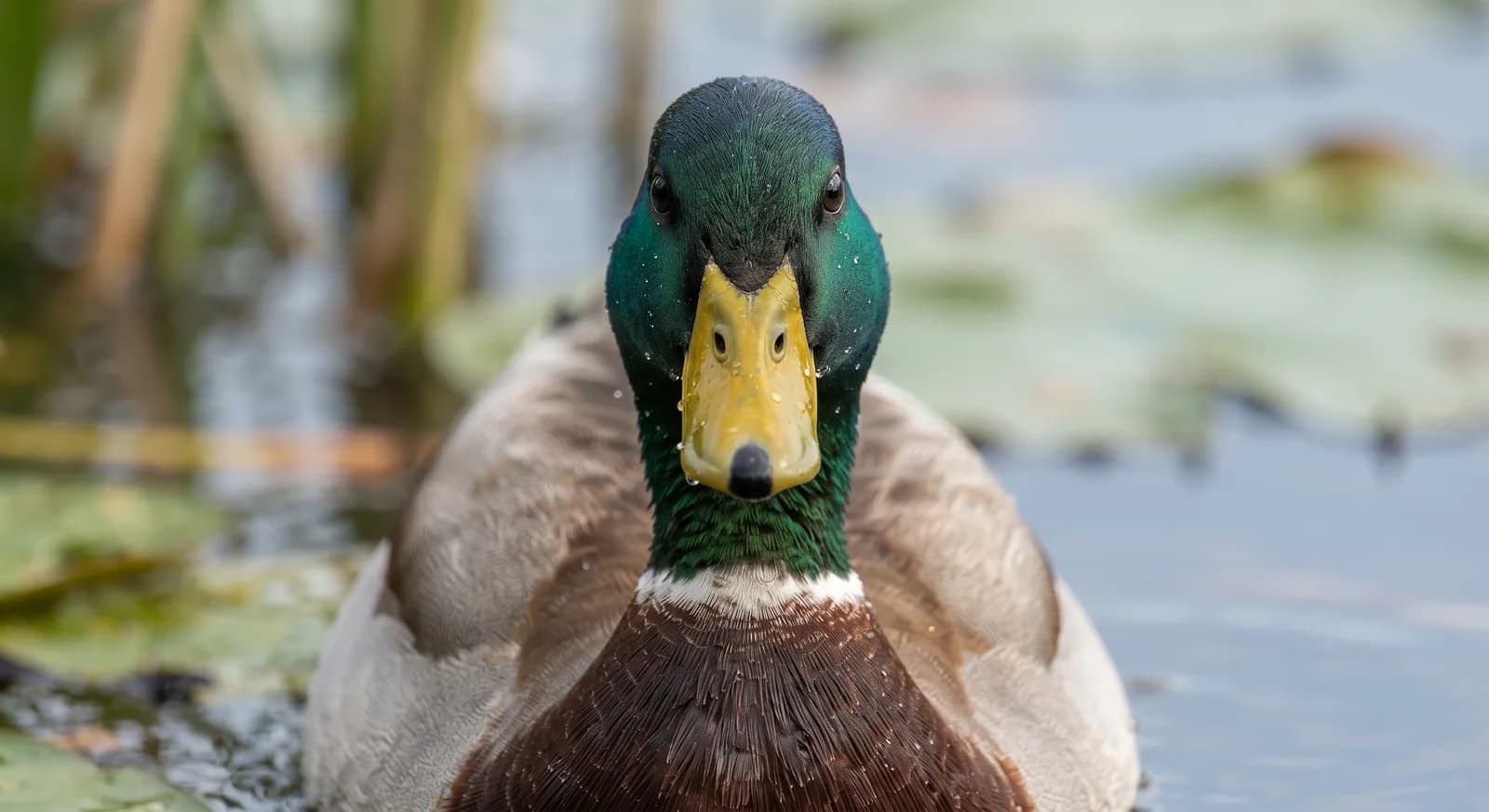
Mallard
Anas platyrhynchos
Whooper Swan
Cygnus cygnus
Keep exploring
Based on what we already know about scaly-breasted munia.
Comments
Share an experience, a fun fact or a tip for seeing the scaly-breasted munia.
Be the first to comment.