Species group · Birds
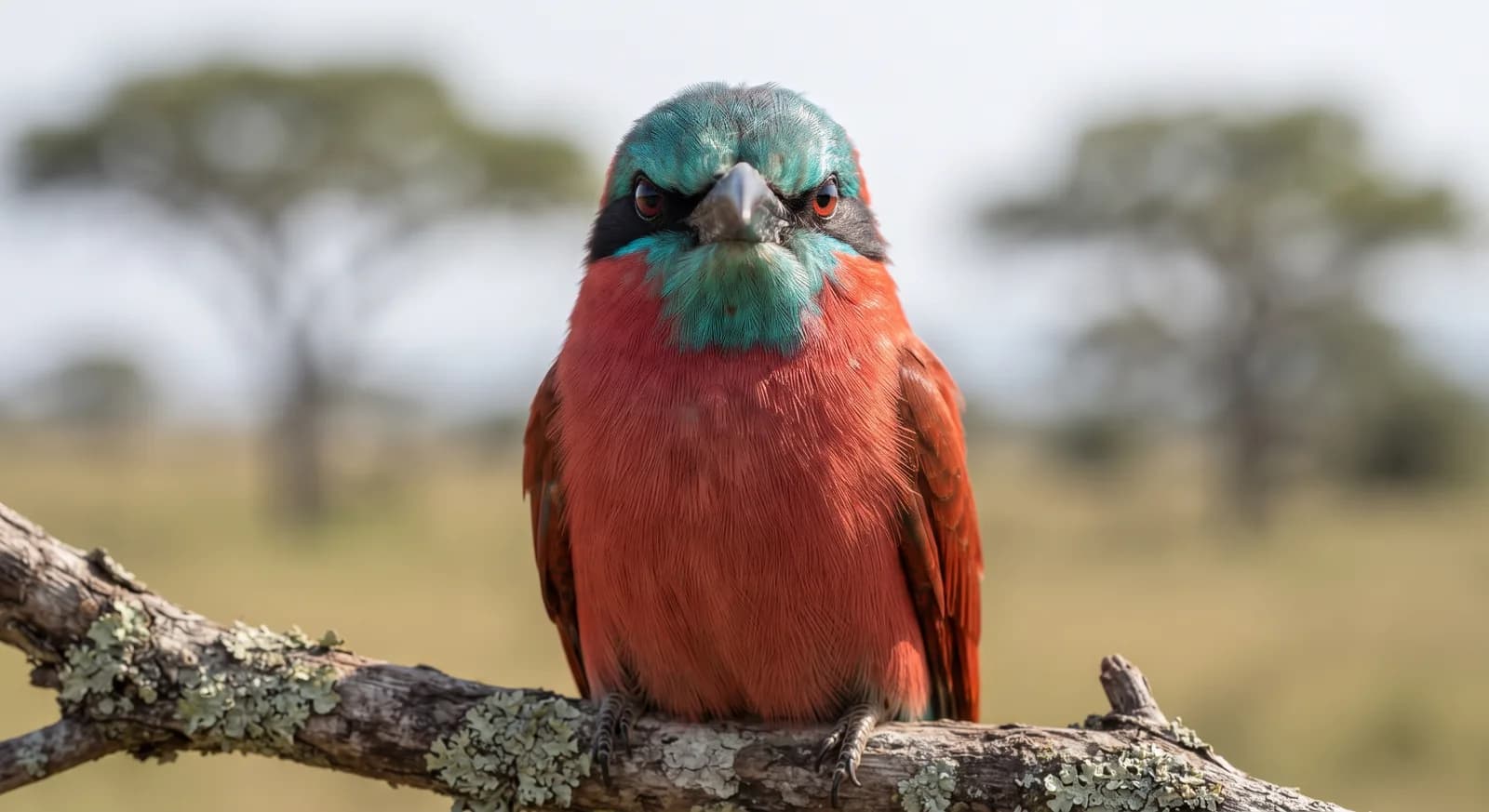
Bee-eaters
WAnimals has 2 species of bee-eater, all in the family Meropidae.
- 2 species
- 1 family
- 99 countries
- 60 parks
- Weight
- 34 g – 80 g
- Length
- 9.5 cm – 29 cm
- Lifespan
- 5 years
Ranges calculated from the entries that record the figure, not from all 2.
All 2 species of bee-eaters on WAnimals
Each one has its own full entry. This group does not replace them: it brings them together.
Conservation status
No species documented in this group is genuinely at risk according to the IUCN, with the data available today.
See the global conservation statusWhere they live
Recorded in 99 countries. The ones with the most species in the group:
Where to see them
Did you know…
It nests in colonies of thousands of burrows and hunts insects from the backs of ostriches and antelopes.
It comes to bush fires and hunts the fleeing insects alongside the flames; in the Manding languages it is called 'the cousin of fire'.
It nests in extremely dense colonies of between 100 and 1,000 nests, and exceptionally up to 10,000, averaging some 60 holes per square metre.
It catches bees and wasps in flight, and has techniques for removing the sting before swallowing them.
From European Bee-eater
It breeds cooperatively, a behaviour that is uncommon among birds.
From European Bee-eater
It winters in sub-Saharan Africa.
From European Bee-eater