One of the 6 wolves on WAnimals
Mammals · Carnivora · Canidae
Polar Wolf
Canis lupus arctos
It has not yet been assessed against the IUCN criteria. See full glossary
The polar wolf is the subspecies of grey wolf adapted to the High Arctic, with a white or cream coat, smaller ears and a shorter muzzle than other wolves, features that reduce heat loss. It hunts mainly muskoxen and Arctic hares, and its territories are enormous because prey is scarce. Since the ground stays frozen for much of the year it cannot dig dens, and breeds in caves or among rocky outcrops. It lives in one of the few regions on the planet where it has hardly been persecuted.
Weight
32 kg – 70 kg
Size
1 m – 1.8 m
Lifespan
7 years
Diet
Carnivore
Feeds mainly on other animals.
Activity
Irregular activity
Active at irregular times, by day or night depending on circumstances.
Sighting difficulty
Unknown
Fun facts
- GeneralIt can go months without seeing the sun and cover 4,000 km a year following the musk oxen.
- In the High Arctic the sun does not set for months and then does not rise for as many again, so it has no fixed daily rhythm: it alternates hunting and rest regardless of the light.
- It is one of the few wolves that shows no instinctive fear of humans, simply because it has almost never met one.
Life cycle & biology
- Skeleton type
- Vertebrate - internal bony skeleton (mammal)
- Habitat & environment
- Arctic tundra and polar desert of the islands of the Canadian High Arctic and northern Greenland
- Sexual maturity
- 22 months
- Gestation / incubation
- 63 days
- Litter / clutch size
- 3
Sources consulted: https://es.wikipedia.org/wiki/Canis_lupus_arctos
Where to find it
See its range on the interactive mapWhere to watch it
Parks and dive sites where this species has been documented.
Related species
Other species in the catalogue with the most in common with Polar Wolf — same habitat, park, country, tags or family.
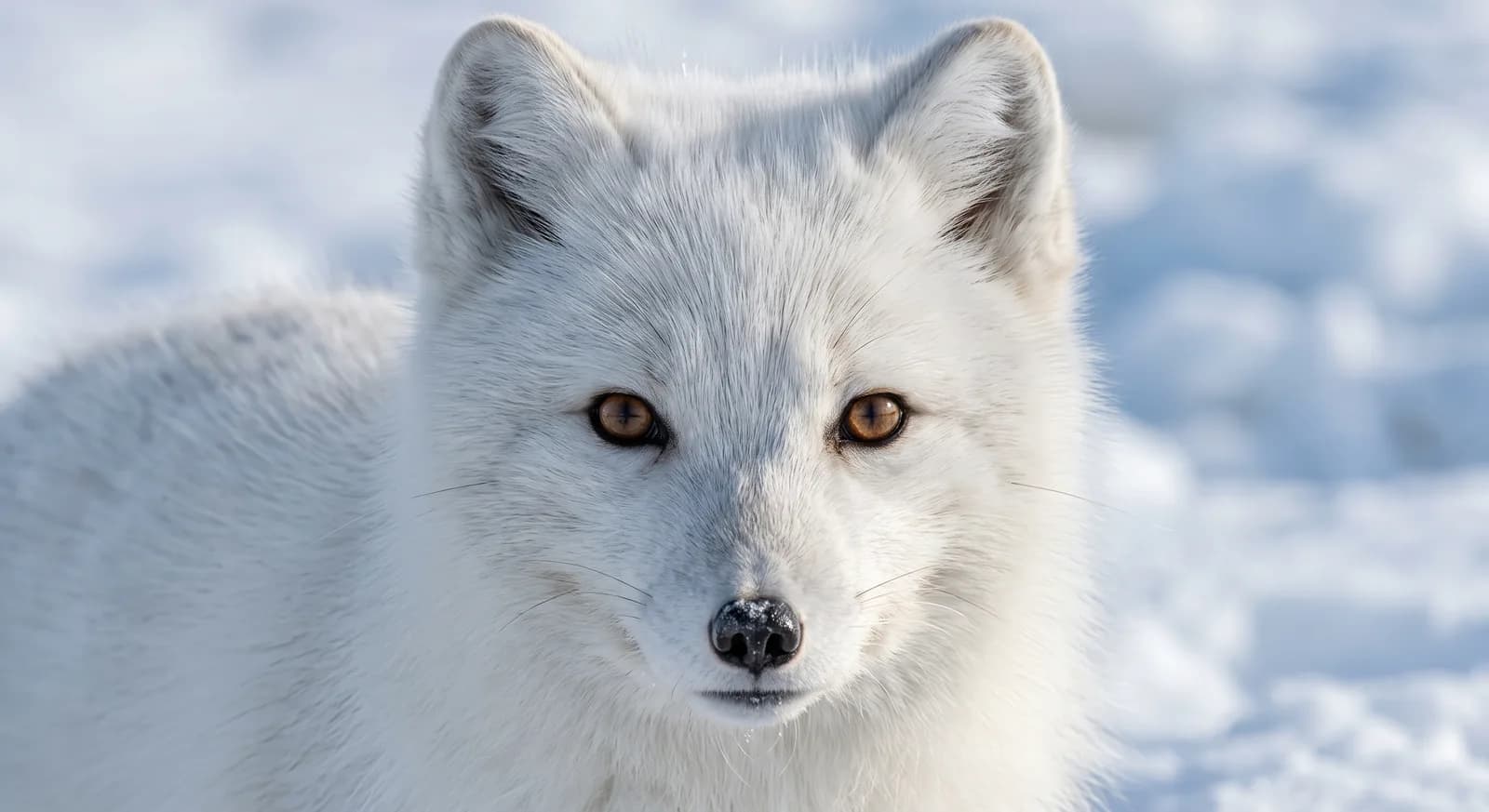 Least Concern
Arctic Fox
Vulpes lagopus
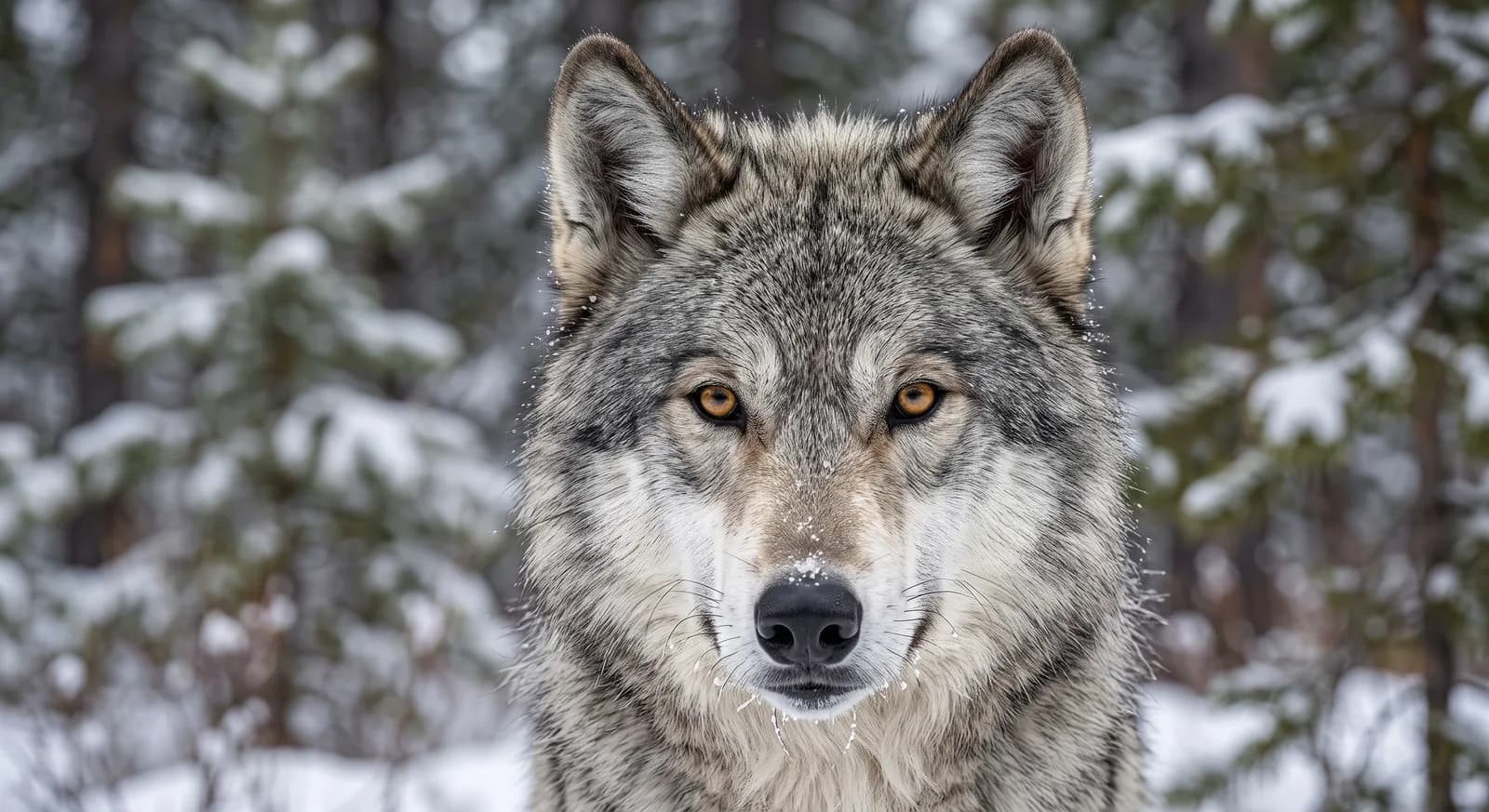 Least Concern
Gray Wolf
Canis lupus
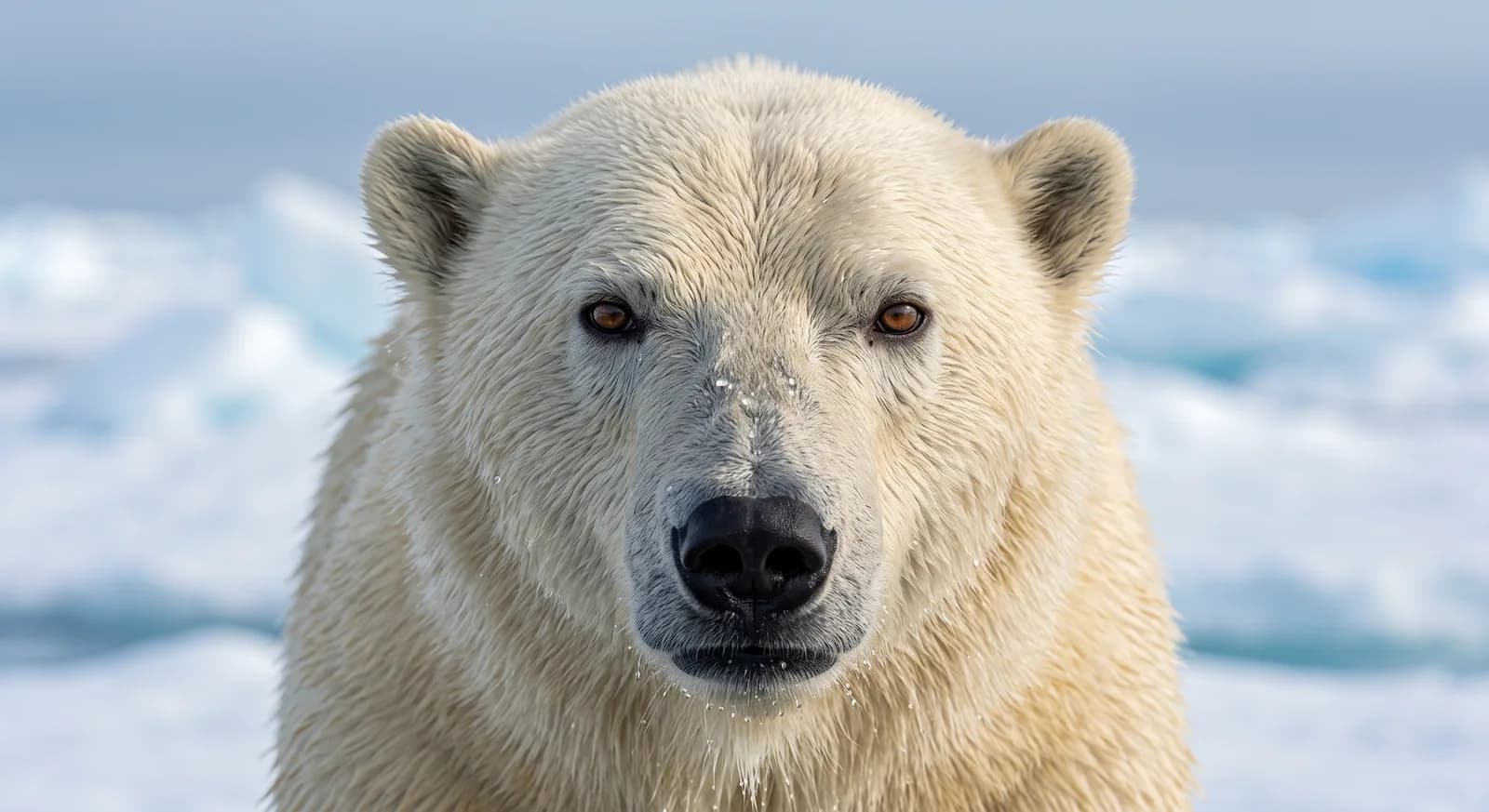 Vulnerable
Polar Bear
Ursus maritimus
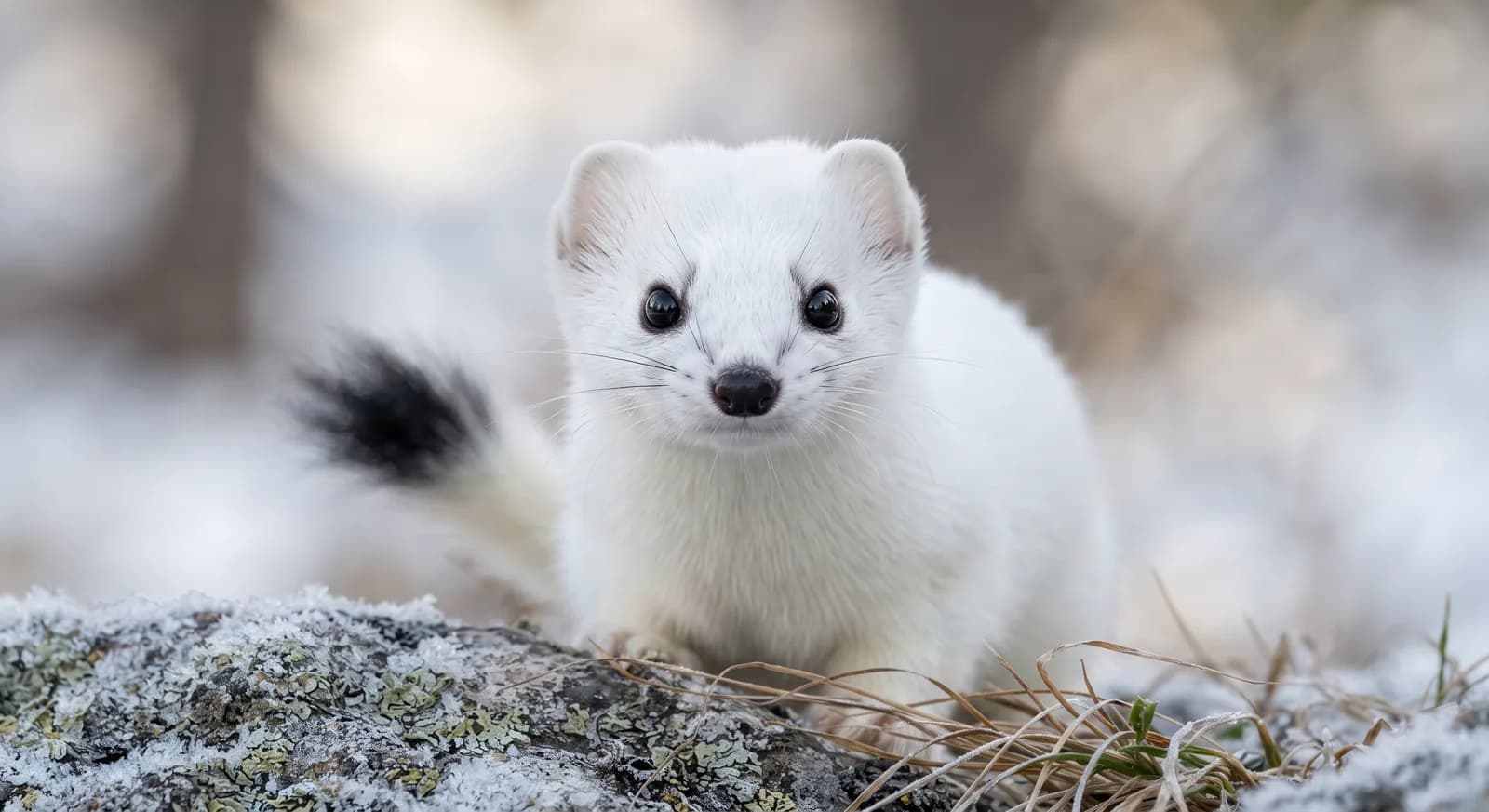 Not Evaluated
Stoat
Mustela erminea
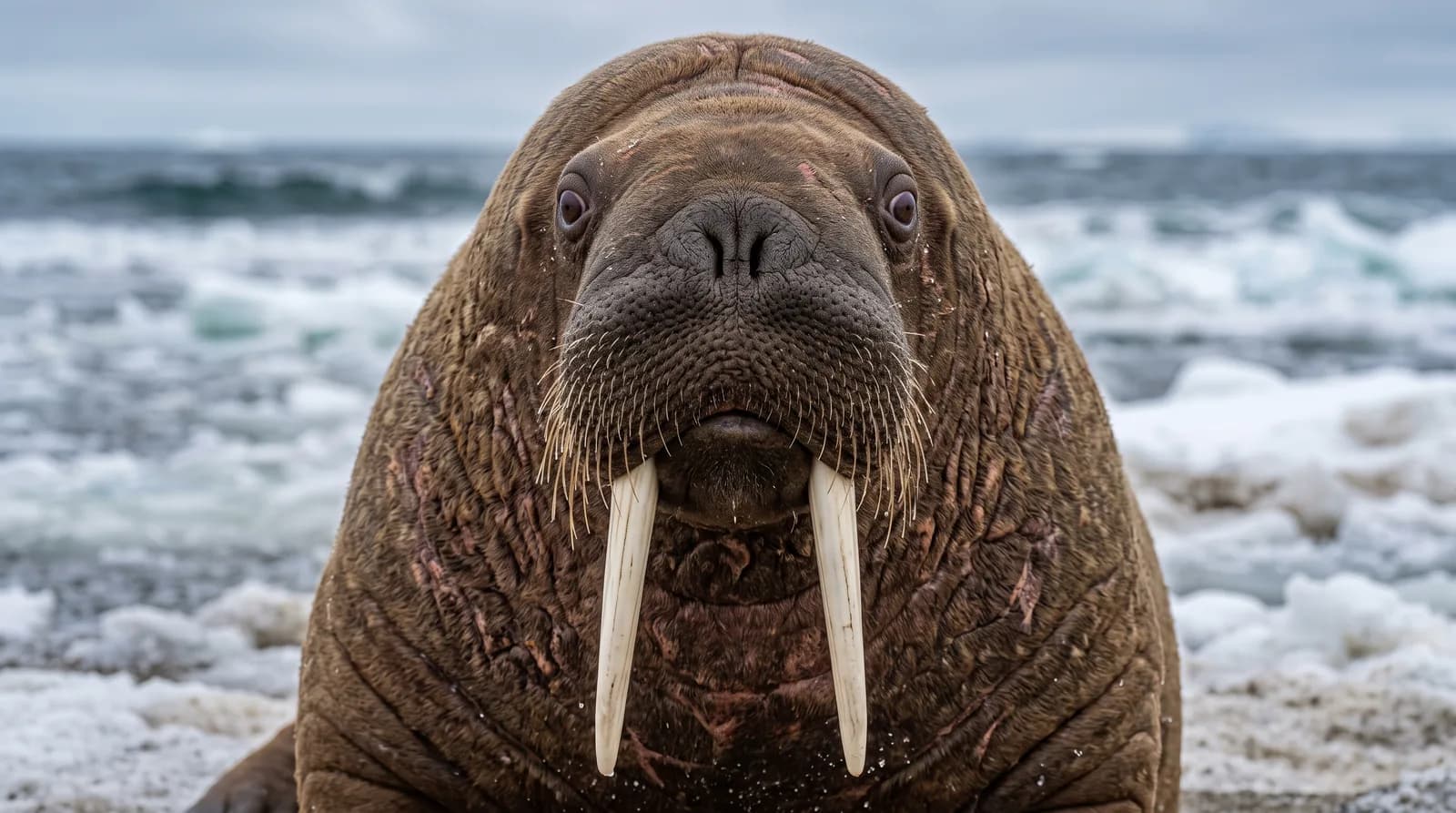 Vulnerable
Walrus
Odobenus rosmarus
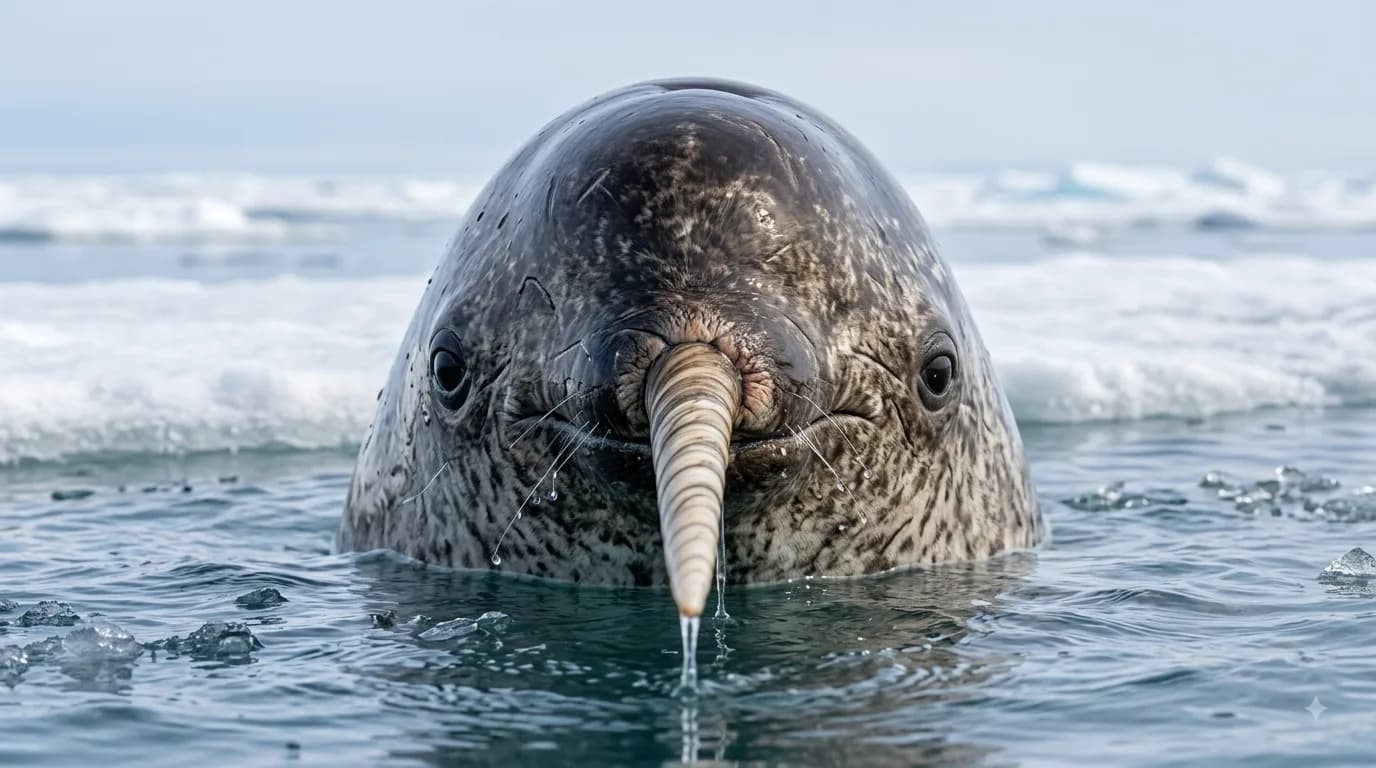 Near Threatened
Narwhal
Monodon monoceros
Keep exploring
Based on what we already know about polar wolf.
Comments
Share an experience, a fun fact or a tip for seeing the polar wolf.
Be the first to comment.