One of the 18 monkeys on WAnimals
Mammals · Primates · Cercopithecidae
Diana Monkey
Cercopithecus diana
It faces a high risk of extinction in the wild over the medium term. See full glossary
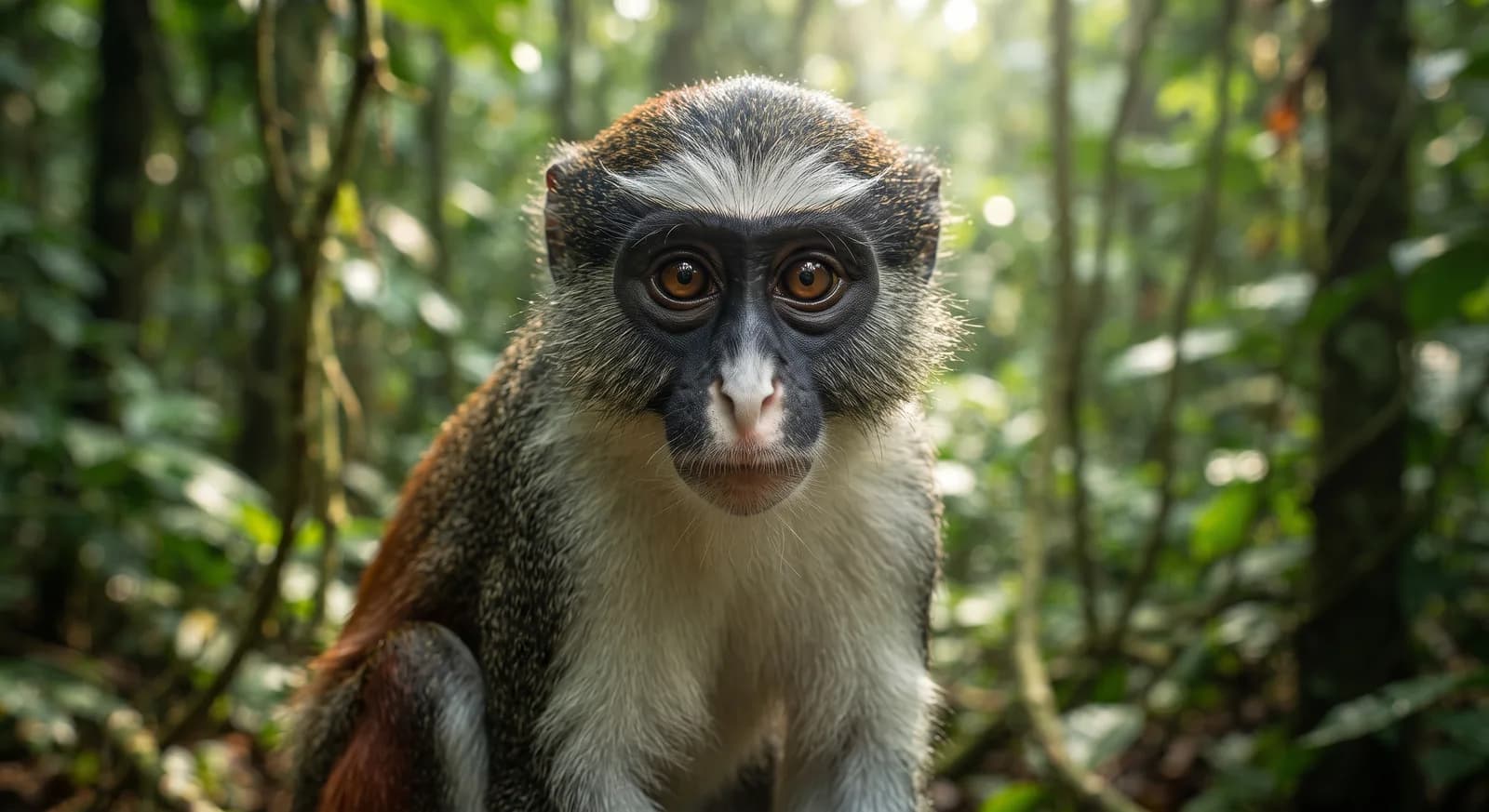
It owes its name to the striking white crescent above its brows, which recalls the bow of the Roman goddess Diana. Its loud alarm calls also warn other monkey species that share its forest.
Weight
3 kg – 6 kg
Size
40 cm – 56 cm
Lifespan
20 years
Diet
Omnivore
Combines animal and plant food depending on availability.
Activity
Diurnal
Active mainly during the day.
Social structure
Family group
Lives in small family groups with close bonds.
Sighting difficulty
Moderate
Fun facts
- Its name refers to the white band above its brows, which recalls the bow of the goddess Diana.
- Its alarm calls also alert neighbouring monkey species.
- It lives in the high canopy of primary forest in Sierra Leone, Liberia and Côte d'Ivoire.
Life cycle & biology
- Skeleton type
- Vertebrate - internal bony skeleton (mammal)
- Habitat & environment
- High canopy of primary and secondary tropical forest in Sierra Leone, Liberia and western Côte d'Ivoire
- Birth weight
- 475 grams
- Size at birth
- Well developed, eyes open and able to cling to its mother from birth
- Sexual maturity
- ~3 years
- Gestation / incubation
- 5 months (~150 days)
- Litter / clutch size
- 1 young (twins rare)
- Lifespan in captivity
- Documented record of up to 35.1 years in captivity
Sources consulted: AnAge; Animal Diversity Web; New England Primate Conservancy; Animalia.bio; ScientificLib; AnimalHub; Lincoln Park Zoo
Where to find it
See its range on the interactive mapWhere to watch it
Parks and dive sites where this species has been documented.
Related species
Other species in the catalogue with the most in common with Diana Monkey — same habitat, park, country, tags or family.
Mona Monkey
Cercopithecus mona
Putty-nosed Monkey
Cercopithecus nictitans
Campbell’s Monkey
Cercopithecus campbelli
 Least Concern
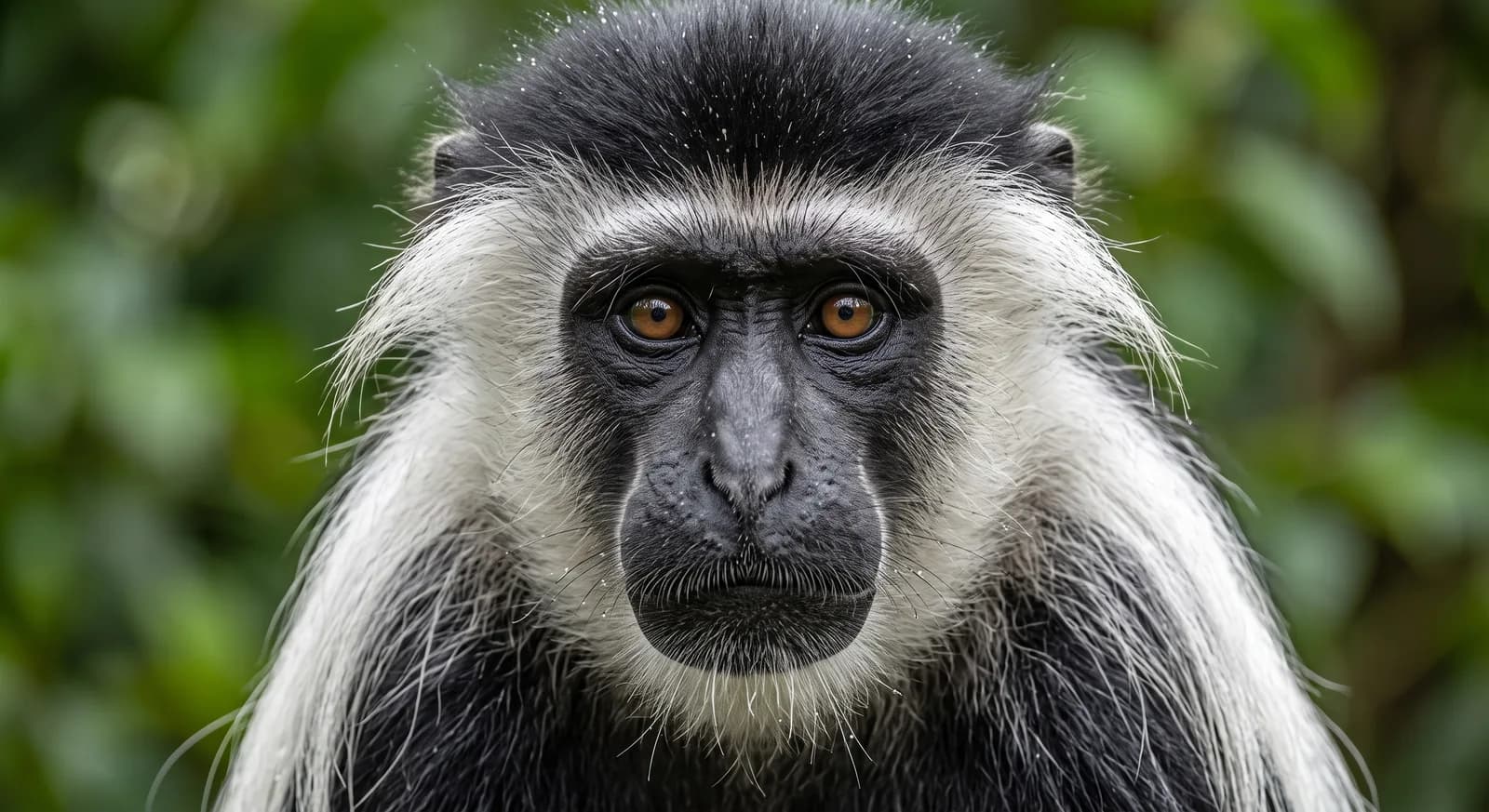
Guereza
Colobus guereza
 Endangered
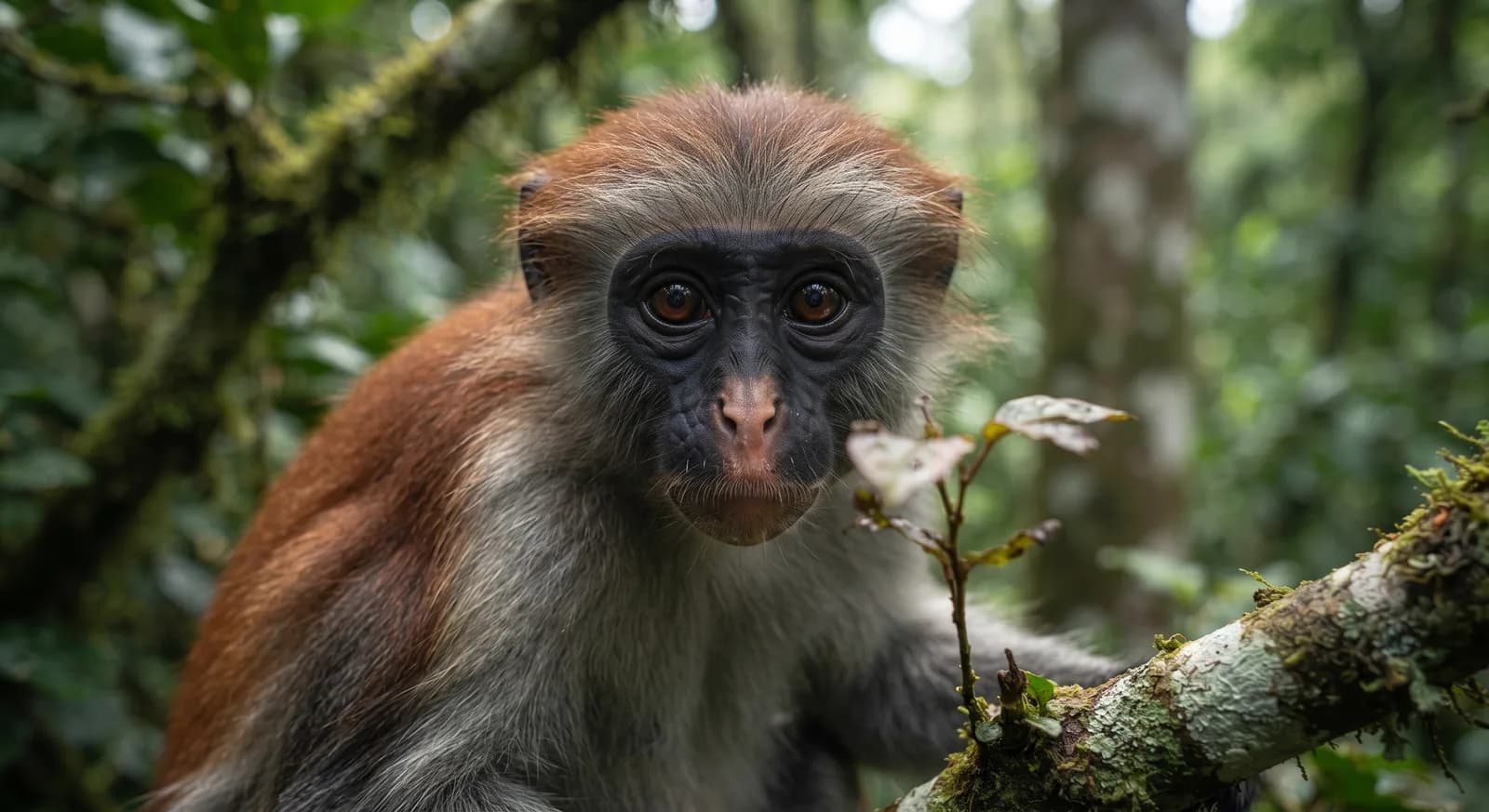
Western Red Colobus
Piliocolobus badius
 Vulnerable
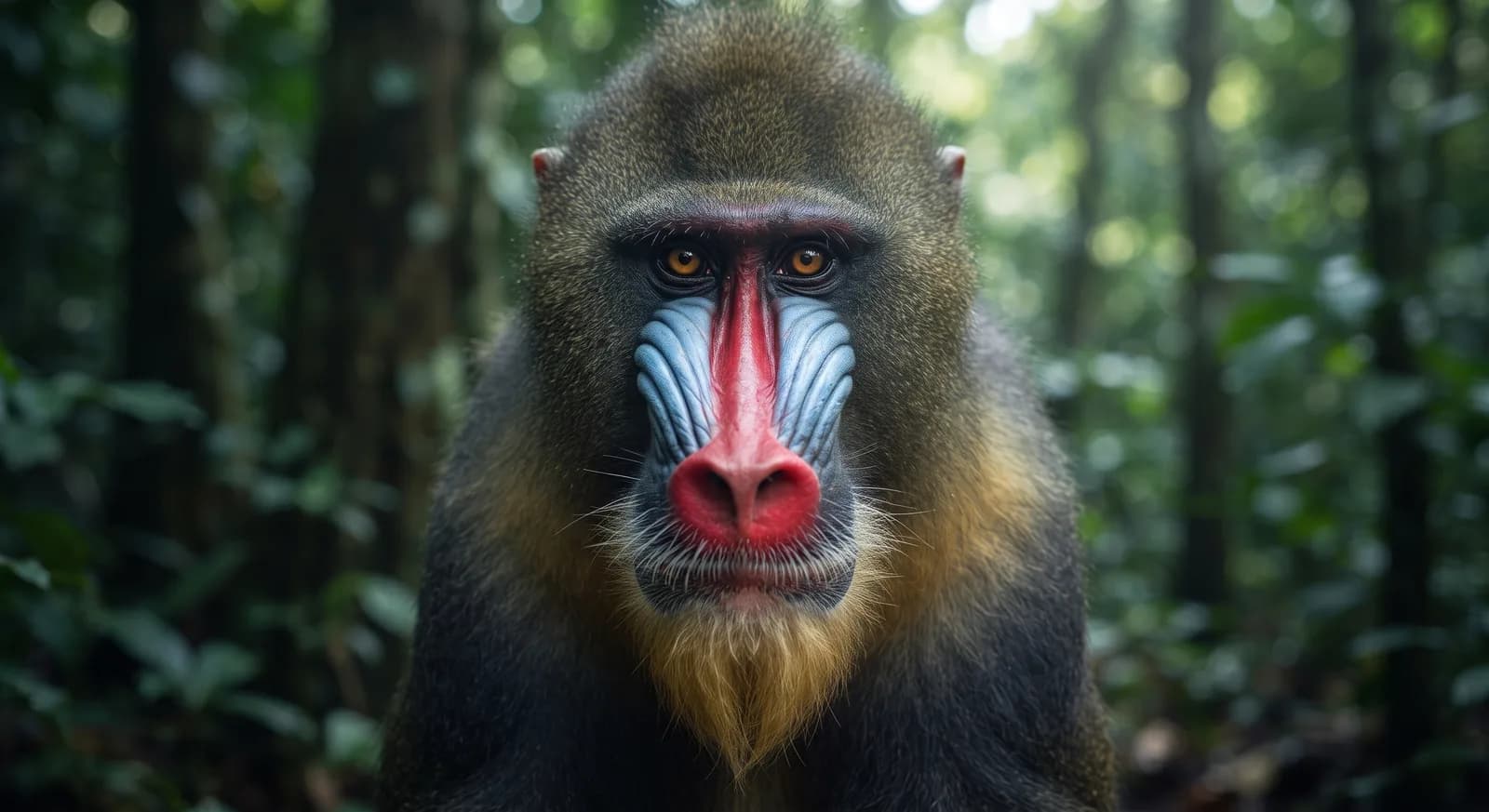
Mandrill
Mandrillus sphinx
How to help
The diana monkey is classified as vulnerable. Organizations such as UICN, WWF y Wildlife Conservation Society work specifically on its conservation and that of its habitat; looking into their programs is a good starting point if you want to get involved.
It's documented in 3 real protected areas — part of why protecting these places matters for its conservation.
Keep exploring
Based on what we already know about diana monkey.
Comments
Share an experience, a fun fact or a tip for seeing the diana monkey.
Be the first to comment.